
Reviewed · CENTRAL PARK TOURS
Central Park and Upper East Side Walking Tour
Central Park is far too large to tackle sensibly on your first visit. This walking tour gives you a useful path through its famous sights, quieter woodland trails, and movie-famous corners, then carries on into the Upper East Side for a look at old New York homes and institutions. The guide, often Bill, adds the stories and context that a solo stroll can miss.
I like the small maximum of 12 people, which gives you a better chance to ask questions and keep a comfortable pace. I also like the mix of park scenery and city history: you get Bethesda Terrace and Belvedere Castle, then see how the wealthy residential blocks around Madison Avenue fit into Manhattan’s larger story.
The main drawback is that the tour is heavily weighted toward Central Park. That suits you if the park is your priority, but the Upper East Side section may feel brief, especially if you want a detailed architectural tour. The walk also calls for moderate fitness, and the itinerary can shift with the group’s pace and mood.
In This Review
- Key points at a glance
- Why this Central Park walk works for first-time visitors
- Starting at Pulitzer Fountain beside the Plaza Hotel
- Wollman Rink and Central Park’s changing seasons
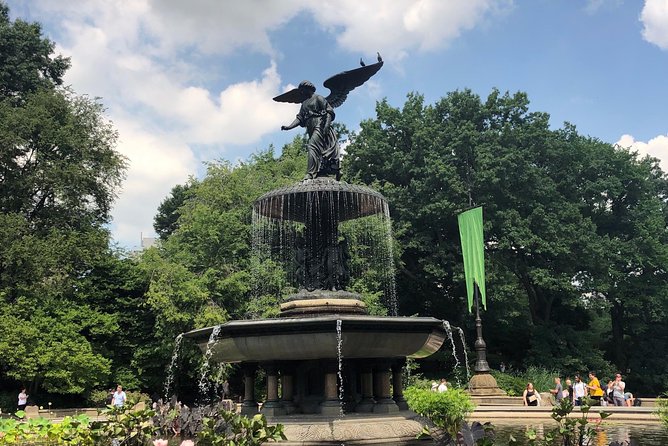
- Bethesda Terrace, the park’s grand meeting place
- Belvedere Castle and the quieter park paths
- What you learn about Central Park’s design
- Leaving the park for the Upper East Side
- The New York Society Library and a literary footnote
- The Met area and Madison Avenue finish
- Group size, guide style, and the value of the experience
- Practical planning for the 10 a.m. walk
- Who should book this Central Park and Upper East Side tour?
- FAQ
- How long does the Central Park and Upper East Side Walking Tour last?
- What time does the tour begin?
- Where does the tour begin?
- Where does the tour end?
- How large is the group?
- Is the Metropolitan Museum of Art included?
- Can I cancel the tour for a refund?
Key points at a glance
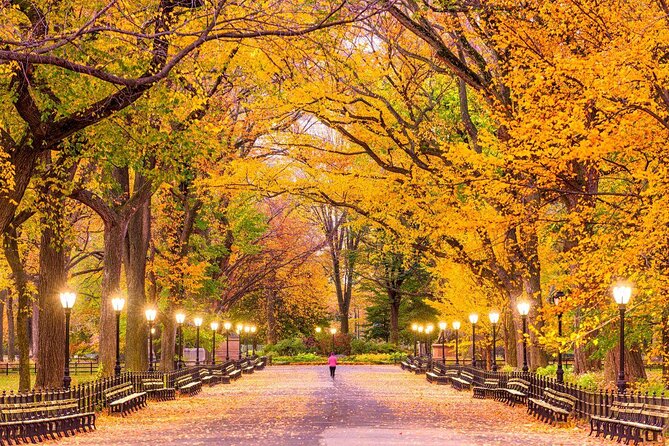
- Central Park takes center stage: Spend most of the morning among meadows, bridges, gardens, woodland paths, and famous landmarks.
- A small group keeps things personal: The tour has a maximum of 12 people, with the possibility of a private-style experience if only one person books.
- Bill is a strong guide when available: His tours are praised for clear explanations, personal stories, and a steady walking pace.
- You visit several famous film locations: The park’s bridges, terraces, gardens, and open spaces have appeared in many movies.
- The Upper East Side adds a different New York: See grand apartments, town houses, boutiques, the Society Library, and the area around the Metropolitan Museum of Art.
- Plan for a Sunday morning walk: The tour begins at 10 a.m. and ends around Madison Avenue, with lunch options nearby.
Why this Central Park walk works for first-time visitors
Central Park can look simple on a map, but its 843 acres are packed with paths, water, monuments, lawns, gardens, bridges, and changing views. A first-time visitor can easily spend hours wandering without seeing the places that give the park its character.
This tour solves that problem with a guided route. You are not simply crossing the park from one side to another. You are learning why the park was designed so carefully, how it became a shared public space, and how New Yorkers use it as a front lawn, playground, exercise route, and place to sit quietly.
I particularly like that the walk does not treat Central Park as a list of postcard stops. The guide also points out less obvious paths and explains how the park’s design works. That can make a real difference on a first visit. You begin to see the contrast between open lawns, wooded paths, formal terraces, and carefully framed views.
The pace is described as leisurely, but the outing still lasts about two and a half hours. You should expect a steady amount of walking rather than a short sightseeing loop. On a warm day, shade matters. One tour kept to shaded parts of the park for much of the route, which is useful to know if you are visiting in summer.
More Central Park tours:
- Central Park Pedicab Guided Tours
★ 5.0 · 7,108 reviews - Private Central Park Pedicab Tour
★ 5.0 · 6,981 reviews - NYC: Central Park Bike Rentals
★ 4.2 · 2,528 reviews
Starting at Pulitzer Fountain beside the Plaza Hotel
The meeting point is listed at 764 Doris C Freedman Place, near Pulitzer Fountain and the Plaza Hotel. The fountain makes a practical landmark for meeting a guide, and it begins the tour with a bit of grand Manhattan scenery before you enter the park.
Here, you discuss the statue’s meaning and its history, along with what once occupied nearby space. The Plaza Hotel adds another layer of New York atmosphere. You are starting among buildings and public art that help explain the social importance of this part of Manhattan.
This first stop is short, about 10 minutes, so do not expect a full architectural lecture. Its value is as an introduction to the city’s habit of placing monumental art, luxury hotels, and public spaces side by side.
Wollman Rink and Central Park’s changing seasons
Wollman Rink is one of the park’s best-known gathering places. Depending on the season, you might watch ice skaters or see children enjoying carnival rides. The activity changes, but the guide uses the site to explain its varied past.
That seasonal difference affects the feel of the tour. Winter visitors may see a more active rink, while warmer months bring different park life, including picnics, cycling, jogging, and people relaxing on the lawns. The route is not locked into one visual experience throughout the year.
You spend about 15 minutes here. That is enough to understand why the rink matters without turning the tour into a sports or recreation history lesson. If you are hoping to skate, remember that this is a sightseeing stop, not a skating package.
Bethesda Terrace, the park’s grand meeting place
Bethesda Terrace is one of Central Park’s most rewarding stops. Its architecture, steps, arcade, and nearby water views make it a natural place to pause, and the terrace has long served as a meeting point for people enjoying the park.
The tour highlights the sculpture connected with the park’s original design. You also get time to take in the setting, which has appeared in films and photographs for years. The terrace feels formal and theatrical, a sharp contrast to the quieter paths you may use elsewhere in the park.
This is a good example of why a guide adds value. You can admire the terrace alone, but a clear explanation helps you understand how it fits into the park’s original plan. The stop lasts about 15 minutes, though the group may linger depending on interest.
More New York City walking tours:
- SoHo, Little Italy, and Chinatown Walking Tour in New York
★ 5.0 · 3,153 reviews - Secrets of Grand Central Station Walking Tour New York City
★ 5.0 · 1,796 reviews - Greenwich Village Walking and Food Tasting Tour
★ 5.0 · 1,572 reviews - Artistic, Alternative Greenwich Village Walking Tour
★ 5.0 · 971 reviews
Belvedere Castle and the quieter park paths

Belvedere Castle is reached after a walk through what can feel like real woods, even though you are in the middle of Manhattan. The small castle was designed as a folly by Calvert Vaux, and its position above Turtle Pond gives it a strong visual payoff.
From here, you can look toward Turtle Pond and the Great Lawn. The stop is not just about the structure itself. It shows how Central Park’s designers created changing scenes, moving you from city streets to woodland, water, and broad open views within a fairly short distance.
The castle is described as newly restored, though the tour does not include a separate admission charge. The guide explains its purpose and history while giving you time to look around. This is also one of the places where a guide’s route can help. A casual visitor may pass through the park without finding the less direct paths that lead to this sort of setting.
What you learn about Central Park’s design
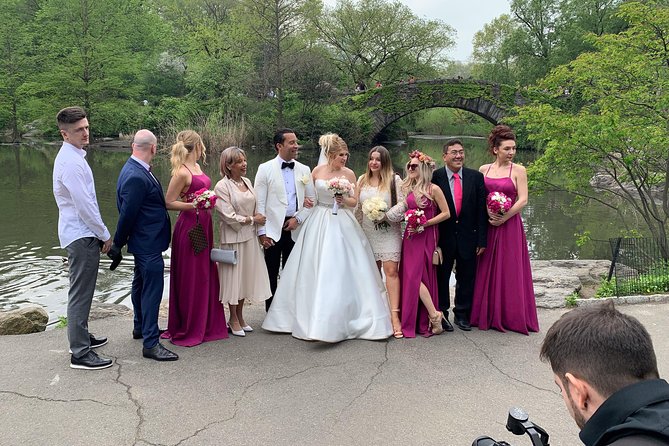
One of the tour’s strongest themes is that Central Park is not untouched countryside. It is a planned work of public design that has been preserved through the efforts of city residents and visitors.
That idea gives the walk more depth. You see open spaces that look natural, but the guide explains how the park functions as a designed whole. The park’s bridges, paths, water features, terraces, and planted areas are not random. They shape what you see and how the park feels from one section to the next.
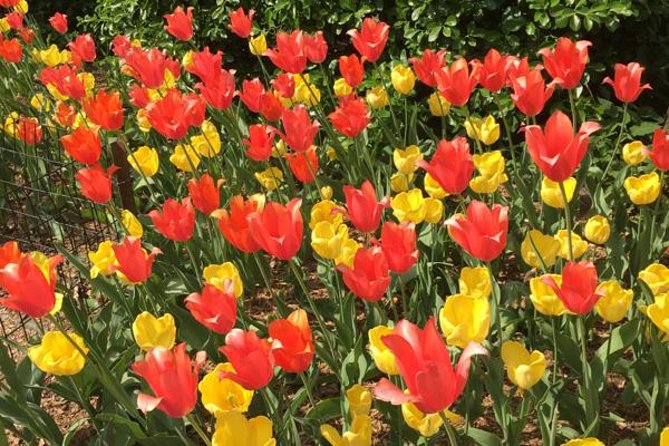
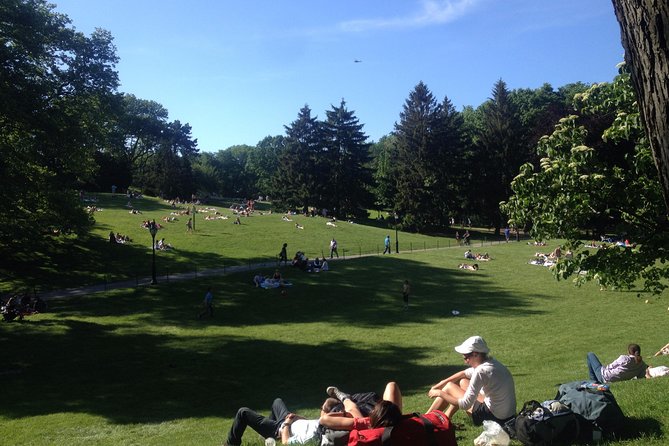
The guide also connects the park to everyday New York life. You may see people jogging, cycling, picnicking, skating, or simply using the lawns as a place to rest. The park is not only a historic attraction. It is part of the city’s daily routine.
This is where Bill’s guiding style has earned the most praise. He is described as friendly, clear, and willing to share personal stories. He has also taken groups onto paths that are easy to miss. That combination, factual explanation plus local observation, is more useful than a string of dates.
Leaving the park for the Upper East Side

After the Central Park section, the tour moves into the Upper East Side. The neighborhood is often reduced to a picture of wealthy families and expensive apartments, but the walk presents a broader view.
You see stately buildings, boutiques, apartment houses, and town houses. The route includes the Cook Block and at least one or two notable homes associated with great wealth. You also hear about buildings and residents from different periods, including places that have disappeared as well as those still in use.
I like this change of setting. Central Park gives you public space and grand design, while the Upper East Side shows how people lived around it. The contrast helps explain why this part of Manhattan became such a desirable address.
The limitation is time. About 30 minutes is assigned to the Upper East Side section, and the total outing remains around two and a half hours. If you are especially interested in architecture, social history, or the neighborhood’s institutions, this will feel like an introduction rather than a full walking tour.
One useful point from the tour experience is that the guide can adjust the balance. Some groups spend more time in the park because that is where their interest lies. If you want more Upper East Side detail, say so early and ask whether the route can give that area extra attention.
The New York Society Library and a literary footnote
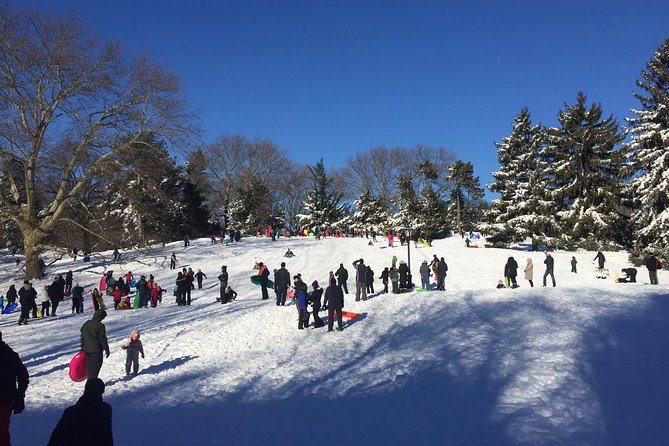
The New York Society Library offers an unusual stop. Founded in 1754 on Nassau Street and now in its third location, it has had notable borrowers over the centuries.
The guide also explains the story of a very overdue book finally being returned. That sort of small, human detail can make an institution easier to remember than a dry founding date.
The stop lasts about 15 minutes. You should think of it as an exterior and neighborhood history stop unless your guide says otherwise. The tour is a walking experience, and no interior admission or special visit is listed.
The Met area and Madison Avenue finish
The route brings you toward the Metropolitan Museum of Art, described as the largest art collection in the Western Hemisphere and second in size only to the Louvre. The museum itself represents far more than you can cover on this tour, but its presence gives the Upper East Side a strong cultural anchor.
The walk does not include a museum visit. That is important when planning your day. If you want to enter the Met, save it for afterward and allow plenty of time. You may prefer to have lunch first, especially since the tour ends near 960 Madison Avenue, close to Three Guys Restaurant. The exact end point can change as the group explores the neighborhood.
This flexible finish is practical. You end in an area with dining and public transportation rather than being returned to your hotel. The tradeoff is that hotel pickup and drop-off are not included, so you need to arrange your own way to the meeting point and your next stop.
Group size, guide style, and the value of the experience
The maximum group size is 12. That is small enough for a more relaxed conversation and less chance of being lost at a crowded crossing or landmark. It also means the group’s interests can shape the pace to some degree.
Bill has received especially strong praise for being congenial, well informed, and good at keeping a comfortable walking speed. He has also led a private-style outing when only one person attended, without canceling or adding a higher charge. You should not assume every departure will be private, but the small-group format is a real advantage.
The tour is offered in English. A teleconferencing program may be used for distancing, and you are asked to bring an earpiece for your cellphone if that arrangement applies. This detail may be less relevant now than during the period when distancing was a major concern, but it remains part of the stated setup.
No tour price is provided here, so I cannot judge the exact dollar value. In general, the value depends on how much you want interpretation. Central Park is free, and so are the outdoor stops, but a guide saves you route-planning time and adds local context. For a first visit, that can be worth more than simply paying for a ticketed attraction.
You are paying for direction, stories, and access to a smarter route, not admission to a monument. If you already know Central Park well or prefer wandering alone, the value will be lower. If the park feels confusing and you want to connect it with the Upper East Side, the small group makes a stronger case.
Practical planning for the 10 a.m. walk
The tour begins at 10 a.m. and lasts approximately two hours and 30 minutes. The detailed stops add up to more than that when counted separately, so treat the schedule as flexible. The guide may spend more time at one place and less at another, depending on weather, crowds, and the group’s pace.
Wear comfortable shoes and bring water. The physical requirement is moderate, and the experience is entirely outdoors as a walking tour. A hot day can make the route harder, although the shade in Central Park can help.
The tour is near public transportation, but hotel pickup and drop-off are not included. You should plan to arrive at 764 Doris C Freedman Place with a little extra time, especially if you are unfamiliar with the park entrances.
Confirmation is provided when you book. A minimum number of participants applies, so a departure can be canceled after confirmation if too few people sign up. In that case, an alternative or full refund is offered. You can cancel for a full refund up to 24 hours before the start time, but later cancellations and changes are not accepted.
Who should book this Central Park and Upper East Side tour?
I would recommend it to first-time New York visitors who want a clear introduction to Central Park without trying to cover every corner. It also suits history-minded walkers who enjoy hearing how public spaces, buildings, institutions, and residents shaped one another.
The tour is a good fit for older couples and anyone who prefers a measured pace. It can also work well for solo visitors, since the small group gives you company and the possibility of more direct attention.
You may want to choose another option if you are looking mainly for the Upper East Side. The neighborhood portion is shorter, and the bulk of the time is spent in Central Park. It is also not ideal if you dislike walking, need hotel transport, or want to spend the morning inside the Met.
My call is simple: book this tour if you want Central Park explained rather than merely photographed. You will get the park’s major sights, a few quieter paths, useful stories from a local guide such as Bill, and a short but worthwhile look at the Upper East Side. Just arrive ready to walk, keep your schedule flexible, and do not expect a full museum visit or a deep architectural study of the neighborhood.
FAQ
How long does the Central Park and Upper East Side Walking Tour last?
The tour lasts approximately two hours and 30 minutes. The pace and exact time can vary with the group, and the listed stop times suggest that the route is flexible.
What time does the tour begin?
The stated start time is 10 a.m.
Where does the tour begin?
The meeting point is 764 Doris C Freedman Place, New York, near Pulitzer Fountain and the Plaza Hotel.
Where does the tour end?
The listed end point is 960 Madison Avenue, near Three Guys Restaurant. The end location may change as the guide and group discuss the Upper East Side during the walk.
How large is the group?
The tour has a maximum of 12 people.
Is the Metropolitan Museum of Art included?
The route reaches the area around the Met, but a museum visit and admission are not included.
Can I cancel the tour for a refund?
You can cancel up to 24 hours before the start time for a full refund. Cancellations or changes made less than 24 hours before the tour are not accepted for a refund.
Just listed around New York City
- Official Pedicab Tours in Central Park NYC★ 4.0 · 7 reviews
- 3-Day Niagara Falls, Corning & Thousand Island Tour from New York★ 5.0 · 7 reviews
- Contrasts VIP Private (We visited Harlem, Bronx, Queens, Brooklyn and Manhattan)★ 4.5 · 7 reviews
- The Hamptons and Long Island Wineries Private Tour★ 4.5 · 7 reviews
- Ice Skating at Central Park plus St Patrick’s Cathedral Tour★ 4.0 · 7 reviews
- American Dream TiLT Interactive Museum Ticket★ 4.5 · 7 reviews
- Tour Contrasts NY★ 5.0 · 8 reviews
- Hadestown on Broadway Ticket★ 5.0 · 8 reviews
Central Park Tours, compared.



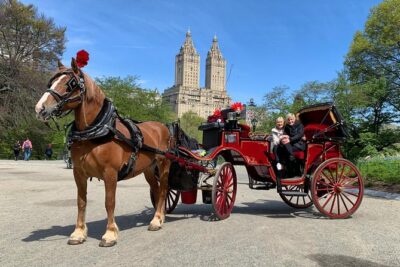
Official NYC Horse Carriage Rides in Central Park since 1979 ™
Read our review →


Carriage Ride in Central Park (VIP – PRIVATE) Since 1964™
Read our review →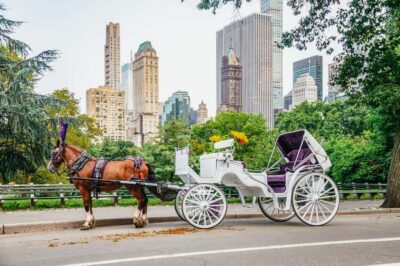
Browse the lists this tour appears in