
Reviewed · HARLEM & GOSPEL TOURS
New York City: Harlem Civil Rights Walking Tour with Lunch
Harlem’s civil rights story comes alive street by street on this three-hour walk from 116th Street toward the 137th area. You’ll connect places such as the original Temple No. 7 and Hotel Theresa with figures including Malcolm X, A. Philip Randolph, Josephine Baker, Adam Clayton Powell Jr., W.E.B. DuBois, and Paul Robeson.
I like the way this tour joins political history with Harlem’s arts scene, rather than treating the neighborhood as a museum. I also like the included local restaurant lunch, which gives the outing a social, everyday feel. The main consideration is the walking distance and the tour’s narrow focus, so it may not suit you if you want a broad introduction to all of New York City.
In This Review
- Key points at a glance
- Why Harlem is the right place for this civil rights story
- Starting at 116th Street and Lenox Avenue
- Original Temple No. 7 and the meaning of place
- Hotel Theresa and Harlem’s wider public life
- From political leaders to artists and musicians
- Lunch at a local Harlem restaurant
- How the three hours feel in practice
- Who will get the most from this tour
- Booking advice and final verdict
- FAQ
- Where does the Harlem Civil Rights Walking Tour meet?
- How long does the tour last?
- What locations are included?
- Is lunch included?
- What language is the tour offered in?
- Is the tour wheelchair accessible?
Key points at a glance
- A 116th Street to 137th area walk: Follow Harlem’s civil rights story through the streets where its leaders, organizers, artists, and residents worked.
- Temple No. 7 and Hotel Theresa: Visit two important Harlem locations tied to major figures and events.
- A wide cast of historical figures: Hear about Malcolm X, A. Philip Randolph, Josephine Baker, Adam Clayton Powell Jr., W.E.B. DuBois, and Paul Robeson.
- Lunch at a local restaurant: The meal is included, and the setting adds a taste of present-day Harlem to the historical discussion.
- Guides with personal Harlem ties: Carolyn has lived in Harlem all her life, while Jonathan has led the tour in English.
- A chance to meet musicians: The experience includes time to mix with Harlem’s music community.
Why Harlem is the right place for this civil rights story
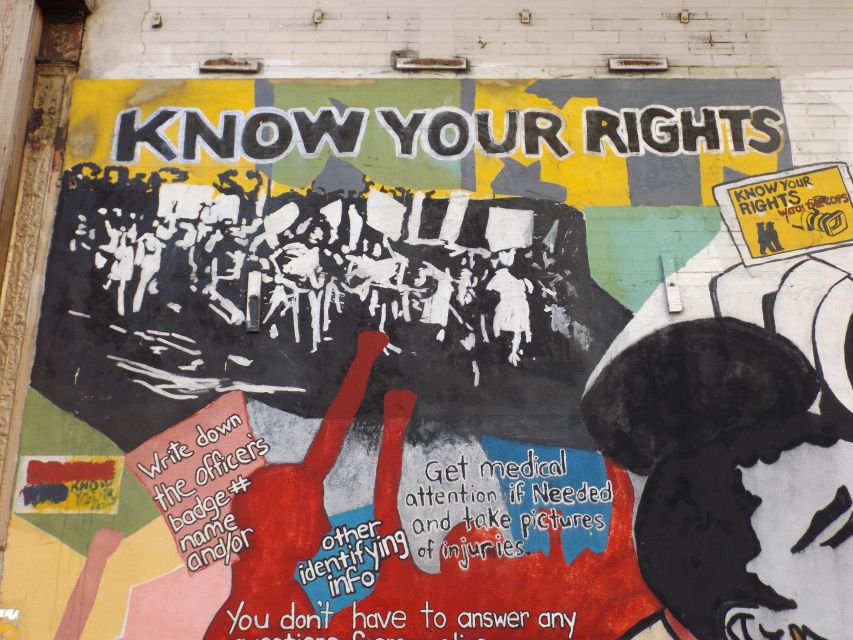
Harlem is not simply a backdrop for this tour. Its streets, churches, hotels, clubs, meeting places, and businesses formed part of the story itself. The walk helps you see how civil rights work happened in daily life, through speeches and marches, but also through newspapers, music, organizing, worship, art, and community life.
The tour covers people with very different roles. Malcolm X represents a forceful and widely recognized voice in the struggle for Black rights. A. Philip Randolph brought labor organizing into the fight for equality. Josephine Baker and Paul Robeson show how performers could use fame, travel, and public speech to support social change.
You’ll also hear about Adam Clayton Powell Jr., a Harlem politician, along with W.E.B. DuBois, whose writing and organizing shaped national debates about race. That range matters. You are not getting a single-hero version of the past. You are seeing how activists, elected officials, artists, workers, and intellectuals all pushed in different ways.
I especially like this approach for visitors who have already seen the standard midtown sights. A subway ride uptown changes the subject and the pace. Instead of racing between famous buildings, you spend three hours following connections between people and places.
More Harlem visits and gospel mornings:
- NYC Highlights Tour: Bronx, Brooklyn, Harlem, Queens & Coney
★ 4.5 · 2,846 reviews - NYC: Contrasts Tour of Harlem, The Bronx, Queens & Brooklyn
★ 4.5 · 2,167 reviews - NYC: Harlem Hallelujah! Gospel Wednesday Concert
★ 4.7 · 1,638 reviews
Starting at 116th Street and Lenox Avenue
The meeting point is in front of the CVS at 116th Street and Lenox Avenue. That is a useful, easy-to-find starting point, but give yourself enough time to reach Harlem before the scheduled start. The tour does not include hotel pickup or drop-off, so you handle the journey there and back yourself.
The walk heads uptown from 116th Street toward the 137th area. This route gives the tour a clear shape. You begin in one part of Harlem, then follow the neighborhood north while the guide explains the people and events connected to the streets around you.
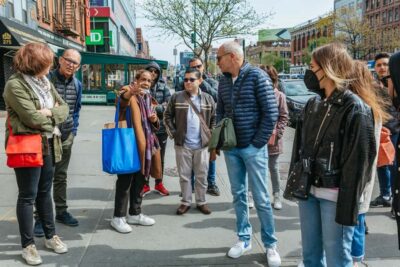
Expect a walking tour rather than a series of indoor museum visits. You will spend much of the three hours outdoors, listening, looking, and moving between locations. Wear comfortable shoes, and bring a camera if you like recording architecture and street scenes.
The tour is listed as wheelchair accessible. Still, a walking route can feel different depending on pavement, crossings, weather, and the pace of the group. If those details matter to you, ask the operator about current route conditions before booking.
Original Temple No. 7 and the meaning of place
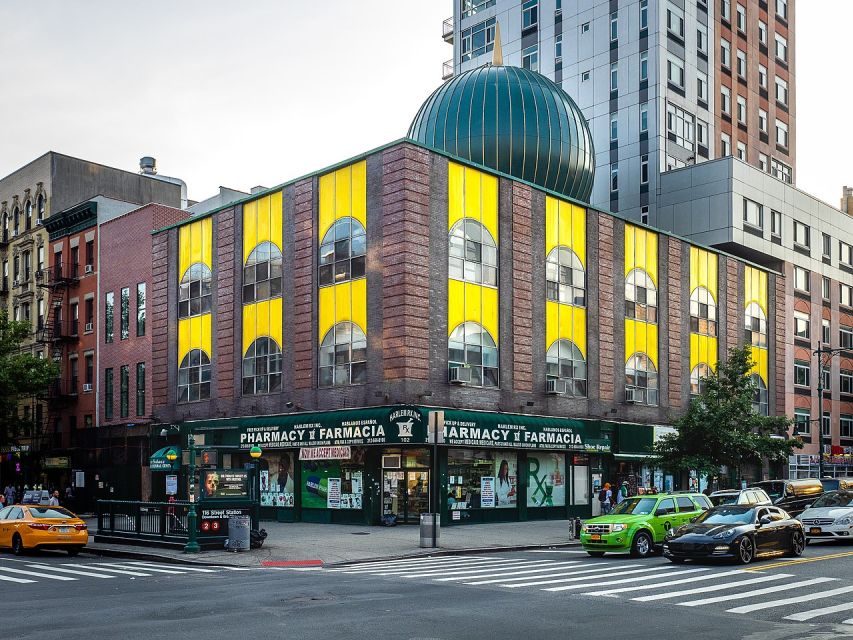
The original Temple No. 7 is one of the key stops. Its importance comes from its connection to Malcolm X and the Nation of Islam during his Harlem years. A stop here gives the discussion a physical anchor. Instead of hearing Malcolm X’s name in the abstract, you are looking at a place linked to his public work and influence.
This is the strength of a neighborhood walk. A building or street corner may not look dramatic at first glance, but the guide supplies the context that turns it into part of a larger story. You can ask questions as you go, and the scale of the setting helps you picture how people encountered these figures in ordinary Harlem life.
Do not expect every stop to function like a formal attraction with displays and long indoor visits. The value is in the explanation, the route, and the links between locations. Your experience will depend in part on the guide’s storytelling, which makes the choice of guide important.
Carolyn has lived in Harlem all her life, according to the tour information, and that personal connection can add local perspective to the historical material. Jonathan also leads the tour in English, and his walk has been praised for its cultural detail and historical anecdotes. Guide assignments may vary, so you should not book on the assumption that one particular person will lead your date.
Hotel Theresa and Harlem’s wider public life
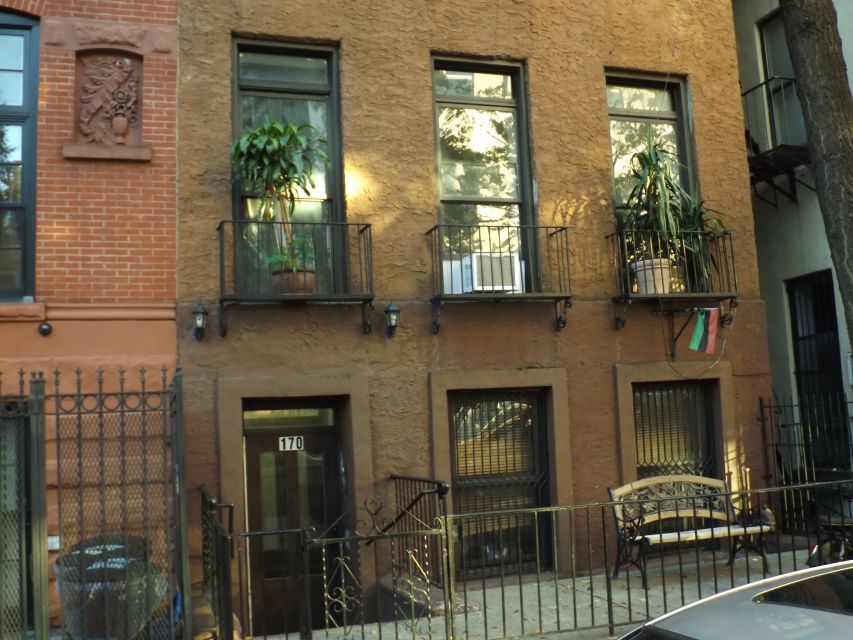
Hotel Theresa is another important location on the route. It is closely associated with Harlem’s political and social life, including a well-known visit by Fidel Castro and meetings involving Malcolm X. The stop helps show that Harlem was connected to international politics, not cut off from the wider world.
The hotel also gives the guide a chance to explain Harlem as a place where major public figures could meet, stay, organize, and be seen. That is a useful counter to the idea that civil rights history happened only in Washington, courtroom buildings, or southern towns. Harlem had its own political centers and public stages.
As you walk between stops, the guide discusses the neighborhood’s makeup and development alongside the civil rights era. That broader setting is important. Movements do not grow from famous speeches alone. They rely on residents, institutions, local businesses, and networks that already exist.
You may find the route more rewarding if you listen for those connections. Ask how an individual figure related to Harlem’s residents, how artists supported political causes, or how local organizing fit into national campaigns. The supplied tour details promise a story about both protesters and leaders, as well as people who marched and sacrificed their lives. It is worth treating the walk as a conversation, not just a lecture.
A few more New York City picks to weigh up
- NYC: City Cruises Luxury Brunch, Lunch or Dinner Cruise
★ 4.6 · 881 reviews - NYC: City Cruises Brunch, Lunch, or Dinner Buffet Cruise
★ 4.3 · 417 reviews - City Cruises New York Signature Lunch Cruise
★ 4.5 · 206 reviews - City Cruises New Jersey: NYC Buffet Lunch or Dinner Cruise
★ 4.1 · 100 reviews
From political leaders to artists and musicians
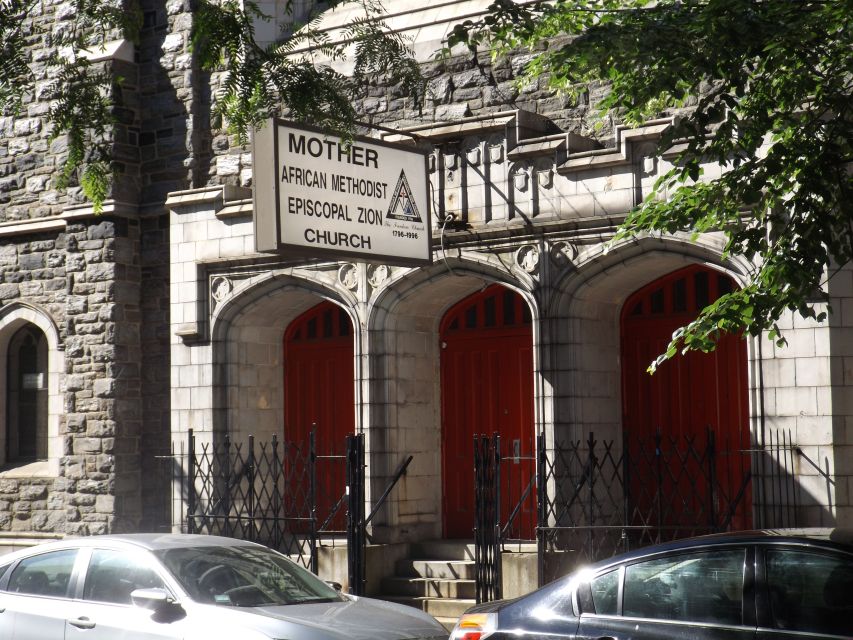
One of the best features here is the range of voices. Josephine Baker and Paul Robeson keep the focus from becoming too narrowly political. Both show how performance and public visibility could carry ideas across borders and reach people who might never attend a political meeting.
The tour also includes a chance to mix with musicians. The exact format is not specified, so you should not expect a concert or a guaranteed performance. Think of it as an opportunity to connect the historic discussion with Harlem’s continuing music culture.
That blend gives the tour a more rounded feel. Harlem’s civil rights story is tied to protest, but it is also tied to confidence, creativity, public expression, and community pride. A music connection helps you understand why the neighborhood’s cultural life matters to its political story.
I would particularly recommend this angle if you enjoy tours that combine social history with local culture. If your main goal is a detailed account of military campaigns, court cases, or national legislation, this walk may feel less specialized. Its attention stays on Harlem and the people who made the neighborhood a center of Black political and cultural life.
Lunch at a local Harlem restaurant
Lunch is included at a local restaurant, which is a practical benefit and an important part of the experience. After several hours of walking and listening, you get time to sit down rather than simply ending at the last stop.
The meal also changes the tone. You are not only looking at Harlem from the outside. You are spending time in a local dining setting and sharing a meal connected to the neighborhood you have just been learning about.
The available information does not name the restaurant or specify the menu, so you should not book this expecting a particular dish. One thing is clear: the lunch is presented as a typical Harlem restaurant experience, and it has been described as delicious. If you have allergies, dietary restrictions, or strong food preferences, confirm arrangements before booking.
Lunch is part of what makes the $82 price easier to assess. You are paying for a three-hour guided walk, the guide’s local and historical expertise, and a meal. You are not paying only for transportation between attractions, and the tour does not include hotel transfers.
For a short New York activity, I consider that a reasonable package if you value context and personal interpretation. A self-guided walk would cost less, but you would need to research the figures, identify the relevant places, plan the route, and arrange your own lunch. The tour earns its price through the guide and the structure.
How the three hours feel in practice
Three hours is long enough to give the subject room, but short enough to fit into a New York sightseeing day. You will want to protect the full block of time, since the route moves from 116th Street to the 137th area rather than staying around one corner.
The walk is likely to feel most comfortable if you start with a light schedule afterward. Harlem has plenty to see beyond this topic, but the tour itself asks you to pay attention to names, dates, places, and connections. A rushed departure can make the final part less enjoyable.
You should also plan for outdoor conditions. Comfortable shoes are specifically recommended, and a camera is useful if you want to remember the buildings and street views. The tour information does not state the group size, restroom arrangements, or the exact lunch timing, so those are sensible points to confirm before you go.
The live guide speaks English. If you are comfortable following an English history tour, the format should be straightforward. If you need another language, this activity is not presented as a multilingual option.
Who will get the most from this tour
I would choose this walk if you want to understand Harlem through its people and political role, not just see a famous neighborhood name on a map. It is a good fit for visitors interested in Black history, American politics, music, literature, urban culture, or the links between local action and national change.
It also works well for repeat visitors to New York. If you have already spent time in Midtown, this gives you a reason to take the subway uptown and see a different part of the city. The trip from central Manhattan is described as quick and easy, but the tour itself is the main reason to make the journey.
Families with older children and teenagers may find the human stories more memorable than a standard museum visit. The subject includes protest, sacrifice, racism, and political conflict, so parents should decide if the material suits their children.
You may want another activity if you dislike walking, prefer a private tour, need a guaranteed specific guide, or want a meal with a named menu. The tour promises a local restaurant lunch, but the exact venue and food are not stated.
Booking advice and final verdict
At $82 per person, this is a fair choice for a three-hour, guide-led Harlem experience with lunch included. The strongest value comes from the combination of place and interpretation. You visit important locations, hear about a wide range of figures, and finish with a meal rather than a quick goodbye on a sidewalk.
The most highly praised qualities are the guides’ command of Harlem’s past, the personal connection offered by someone such as Carolyn, and the way the tour brings the Harlem Renaissance and civil rights era together. Jonathan’s walk is also noted for its cultural details and historical anecdotes.
I would book it if you want a focused, human-scale look at Harlem and are happy to spend three hours on foot. I would skip it only if your schedule is too tight for the uptown route, or if you want a general sightseeing tour with many major attractions. Canceling up to 24 hours before the activity gives you a full refund, and reserve-now-pay-later booking can help keep your plans flexible.
FAQ
Where does the Harlem Civil Rights Walking Tour meet?
Meet your guide in front of the CVS at 116th Street and Lenox Avenue in Harlem.
How long does the tour last?
The walking tour lasts three hours.
What locations are included?
The route runs from 116th Street toward the 137th area and includes important places such as the original Temple No. 7 and Hotel Theresa.
Is lunch included?
Yes. A guide-led walk and lunch at a local restaurant are included in the price.
What language is the tour offered in?
The live tour guide speaks English.
Is the tour wheelchair accessible?
Yes, the activity is listed as wheelchair accessible. Comfortable shoes are recommended, and you may bring a camera.
More New York City walking tours
- SoHo, Little Italy, and Chinatown Walking Tour in New York
★ 5.0 · 3,153 reviews - Secrets of Grand Central Station Walking Tour New York City
★ 5.0 · 1,796 reviews - Greenwich Village Walking and Food Tasting Tour
★ 5.0 · 1,572 reviews - Artistic, Alternative Greenwich Village Walking Tour
★ 5.0 · 971 reviews
Just listed around New York City
- NYC: Central Park Guided Bike Tour★ 4.8 · 11 reviews
- 5th & Park – Film & Fiction Walking Tour of Carnegie Hill Along Museum Mile★ 4.5 · 11 reviews
- Guided Tour (with Audio) Hamilton Musical in Lower Manhattan NYC★ 5.0 · 11 reviews
- 3 Hour Lower Manhattan Walking Tour★ 5.0 · 11 reviews
- New York City Shore Excursion: Post-Cruise Half-Day Private Tour★ 4.5 · 11 reviews
- Chinatown Walking Food Tour of New York★ 4.8 · 11 reviews
- NYC Midtown Manhattan Times Square & Skyscraper Walking Tour★ 5.0 · 11 reviews
- Washington Heights – Sugar Hill North Harlem Walking Tour★ 4.5 · 11 reviews
Harlem & Gospel Tours, compared.
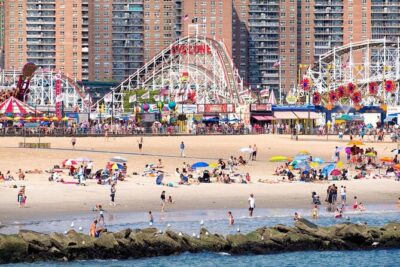
NYC Highlights Tour: Bronx, Brooklyn, Harlem, Queens & Coney
Read our review →
Contrasts Tour of Harlem, The Bronx, Queens & Brooklyn
Read our review →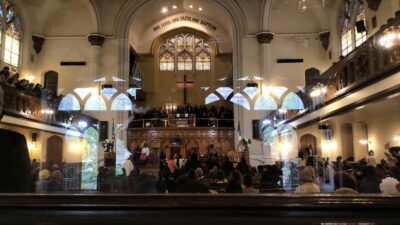
Browse the lists this tour appears in