
Reviewed · CENTRAL PARK TOURS
NYC Central Park Night Time Photography Tour
Central Park after dark is a different sort of picture. The crowds thin, the paths grow quiet, and familiar places such as Bethesda Fountain and the Mall take on a more dramatic look. This two-hour walk gives you time to photograph them while a professional guide explains the basics of low-light shooting.
I like the maximum group size of six, since night photography often needs one-on-one help. I also like the clear focus on practice: you are not simply shown pretty viewpoints, you are taught how to handle long exposures and dark conditions. The main catch is simple but important: you must bring your own tripod, and the 8:30 pm start plus walking require a moderate level of fitness.
In This Review
- Key points to know before booking
- Why Central Park works so well after sunset
- Meeting at Pulitzer Fountain at 8:30 pm
- The Plaza and the first steps into the park
- Bethesda Fountain: the main long-exposure lesson
- The Dairy Visitor Center and the Manhattan skyline
- Bethesda Terrace after dark
- The Mall and Literary Walk
- Naumburg Bandshell and the final stretch
- What you learn in two hours
- Is $150 a fair price?
- Who should book this Central Park photo walk?
- Booking, cancellation, and practical planning
- Should you book it?
- FAQ
- Where does the NYC Central Park Night Time Photography Tour begin?
- What time does the tour start?
- Where does the tour end?
- Is a tripod provided?
- How many people can join the tour?
- What is included in the $150 price?
Key points to know before booking
- Small groups make a real difference: With no more than six people, guide Zim can work with both beginners and photographers who already know their way around a camera.
- Long-exposure practice is built in: Bethesda Fountain is a main stop for learning how to manage low light and capture water and architecture at night.
- The route covers classic Central Park views: You photograph Bethesda Terrace, the Mall, Literary Walk, Naumburg Bandshell, a notable bridge, and the Manhattan skyline.
- You need to bring a tripod: A tripod is not included, so pack your own if you want to make the most of long-exposure work.
- The tour begins near The Plaza: Pulitzer Fountain at 764 Central Park South is close to the Plaza Hotel and accessible by subway.
- You finish at Bethesda Terrace: The route runs about two hours and ends at one of Central Park’s most photogenic landmarks.
Why Central Park works so well after sunset
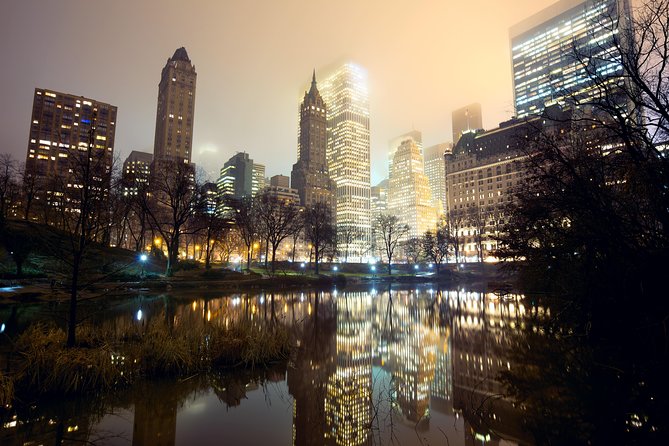
Central Park is famous by day, but night changes the job for a photographer. Instead of relying on bright daylight, you work with limited light, fixed subjects, shadows, and the glow from nearby New York streets. That makes this more than a sightseeing walk with cameras. It is a practical lesson in making an image when the easy light is gone.
You will photograph several of the park’s best-known features, but the real value comes from learning how to approach them. A fountain, terrace, bridge, or tree-lined walkway can all look flat in a quick snapshot. With the right camera settings and a steady tripod, they can become much stronger photographs.
The setting also gives you variety within a short outing. Architectural details at Bethesda Terrace call for a different approach than the Manhattan skyline seen from the Dairy Visitor Center and Gift Shop. The Mall and Literary Walk offer long lines and repeated forms, while the Naumburg Bandshell gives you another compact subject to frame.
You should not expect a full photography course in two hours. You will not cover every camera technique or spend a long time at each location. But the route is well suited to learning the basics and leaving with a better sense of how night photography works.
More Central Park tours:
- Central Park Pedicab Guided Tours
★ 5.0 · 7,108 reviews - Private Central Park Pedicab Tour
★ 5.0 · 6,981 reviews - NYC: Central Park Bike Rentals
★ 4.2 · 2,528 reviews
Meeting at Pulitzer Fountain at 8:30 pm
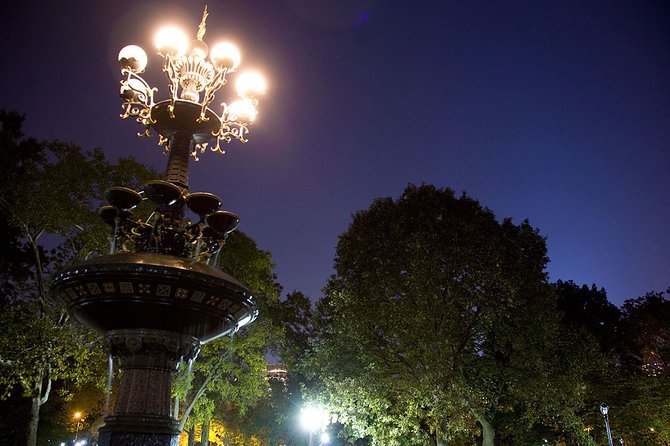
The walk begins at Pulitzer Fountain, at 764 Central Park South. This is close to The Plaza and easy to reach by subway, which matters for a late-evening activity. You will want to arrive ready to start, since the group has only two hours and the route includes several stops.
The tour is offered in English, and confirmation is provided when you book. The minimum age is 18. Minors must be accompanied by a fully registered adult, so families should check that requirement carefully before making plans.
The small group limit is one of the strongest features here. Night photography brings practical questions: where to place the tripod, how long to leave the shutter open, and how to balance the scene’s brightest and darkest parts. A six-person group gives the guide room to look at individual problems rather than rushing everyone through the same explanation.
Guide Zim received particular praise for handling both novice and experienced photographers and for keeping the group together while helping people one at a time. That is useful information if your party has mixed skill levels. Beginners can ask basic questions without feeling lost, while more experienced photographers can still get targeted help.
The Plaza and the first steps into the park
The Plaza is only about five minutes from the meeting location, so it serves as a brief early stop rather than a major photography session. It helps place you in the area and gets the group moving toward the park’s more substantial viewpoints.
Do not read too much into the short timing. The tour is not designed as an architectural study of The Plaza. Its purpose is to move you from the south edge of Central Park toward the main night photography locations.
From there, you will walk by one of Central Park’s notable bridges. The specific bridge is not identified, so you should treat this as a passing viewpoint rather than a guaranteed long stop. Still, bridges are useful night subjects because they give you strong lines, repeated shapes, and a clear foreground against the darker park.
This portion also reminds you that the route is a walking tour, not a series of vehicle transfers. Wear shoes you can use comfortably for two hours and plan for the fact that you will be carrying camera equipment.
Bethesda Fountain: the main long-exposure lesson
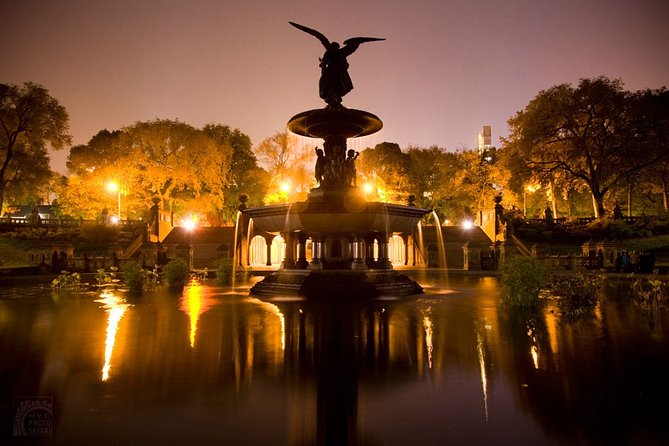
Bethesda Fountain receives about 20 minutes, and this is one of the most useful stops for practicing night photography. The fountain is specifically selected for long-exposure work, so you can expect the guide to focus on the basics of keeping the camera steady and making the most of a dim scene.
A tripod is essential for this kind of photograph, which is why the equipment note deserves attention. You must bring your own tripod. The tour includes a professional photographer guide and park admission, but it does not provide the tripod you need for the central technique.
The fountain also gives you a subject with both structure and atmosphere. You can work with the fountain itself, the surrounding terrace, and the available night lighting. The 20-minute stop is long enough for instruction and several attempts, but not long enough for endless trial and error.
That time limit can be good for learning. You are encouraged to make decisions, adjust, and move on rather than spend the entire evening chasing one perfect frame. If you already take photographs regularly, you may want to arrive with your camera familiar and your tripod ready.
A few more New York City picks to weigh up
- NYC Professional Photoshoot and Walking Tour with Private Guide
★ 5.0 · 608 reviews - New York Icon Photography Tour led by a Local Photographer
★ 5.0 · 155 reviews - New York: 1-hour Photoshoot in Iconic Locations
★ 5.0 · 101 reviews - Central Park Photography Tour with Local Photographer
★ 5.0 · 85 reviews
The Dairy Visitor Center and the Manhattan skyline
The Dairy Visitor Center and Gift Shop receives about 15 minutes and provides a chance to photograph the Manhattan skyline. This is a useful change from the closer architectural subjects around Bethesda.
The skyline asks different questions of your camera. You are dealing with a broad view, bright city lights, and a darker park foreground. The guide can help you understand how to frame the city without allowing the brightest areas to dominate the entire image.
The description promises an amazing Manhattan skyline view, but it does not give a precise angle or specific buildings visible from the stop. Expect a skyline photography opportunity rather than a guaranteed iconic composition. Weather and visibility will naturally affect what you can capture, though no weather policy or alternate route is specified.
The 15-minute timing keeps the outing moving. You will have enough time to make a few careful compositions, but not a long session for experimenting with every possible lens or framing choice.
Bethesda Terrace after dark
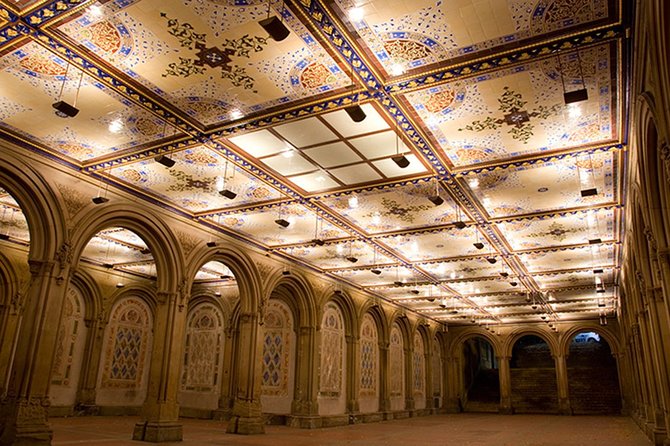
Bethesda Terrace is given about 30 minutes, making it the longest individual stop on the route. That extra time makes sense. The terrace offers arches, stairs, columns, decorative detail, and a broad sense of space, all of which become more graphic at night.
Here, the guide can help you think beyond a single landmark shot. You might work on symmetry, leading lines, or the way the terrace frames the darker park beyond it. The site is described as being photographed in all its nighttime glory, but the practical benefit is the chance to slow down and apply the techniques learned at the fountain.
This is likely the most rewarding stop for someone who wants more than a simple record of Central Park. The terrace has enough visual variety to support several compositions, while the half-hour stop gives you a reasonable amount of time to make adjustments.
It is also the point where your tripod matters most. Night images of architecture can look soft if the camera shifts during the exposure. A stable setup lets you concentrate on framing instead of trying to hold the camera steady in poor light.
The Mall and Literary Walk
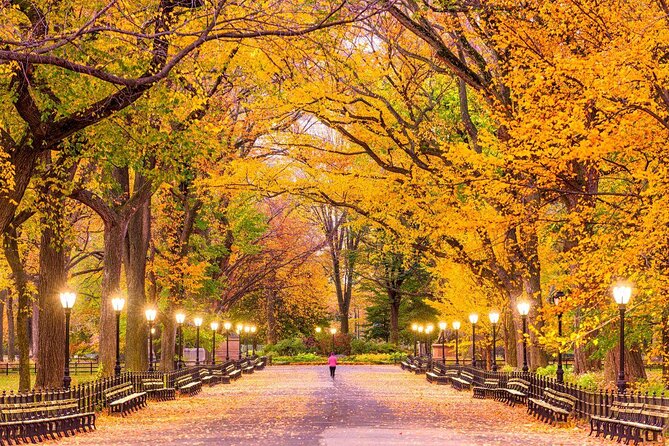
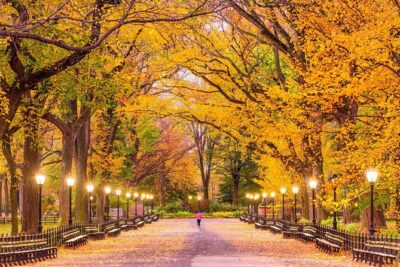
The Mall and Literary Walk receive about 15 minutes. This broad, tree-lined route is known for its long perspective and formal arrangement, making it a natural place to practice composition.
At night, the repeated lines of the walkway can draw the eye into the frame. You may also find that the scene requires patience. Darker areas can lose detail, while lamps or other light sources can pull attention away from the center of the image.
The stop is short, so listen closely when the guide explains the approach and then use your time to take a few deliberate photographs. The goal is not to document every section of the walk. It is to see how a simple path can become a strong night image when you use depth and structure.
This is another place where a small group helps. A guide can point out a useful position or suggest a change in framing without stopping the whole group for a long lecture.
Naumburg Bandshell and the final stretch
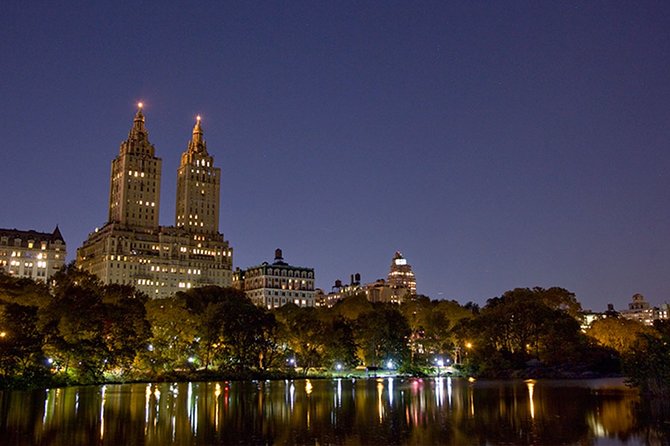
The Naumburg Bandshell is a brief five-minute stop. That timing tells you to expect a quick photograph rather than a full lesson. It adds another architectural subject to the route and keeps the walk varied.
The tour also includes a chance to photograph another Manhattan skyline view. The exact point is not specified, so the guide will determine how the route uses the available views that evening. The skyline component is valuable because it lets you compare a large city scene with the tighter compositions found inside the park.
The route ends at Bethesda Terrace in Central Park. Since the terrace appears earlier as a longer photography stop, the final location may serve as the endpoint rather than a separate extended session. You should arrange your plans around finishing there, not back at Pulitzer Fountain.
No hotel pickup or drop-off is included. That is normal for a short central-city walking tour, but it matters at this hour. You are responsible for getting to the starting point and arranging your return from Bethesda Terrace.
What you learn in two hours
The tour promises the basics of nighttime photography, not advanced technical training. You can expect help with low-light shooting and long exposures, plus practical guidance on photographing architecture, walkways, fountains, and skyline views.
The phrase basics is important. If you are new to night photography, this is a focused introduction. You can learn why a tripod matters, how to approach a dark subject, and how to make better use of a fixed composition.
If you already have strong night photography skills, the tour may be more about finding Central Park viewpoints and receiving personal feedback. The small group makes that more worthwhile than a large public walk, since the guide can work with people at different levels.
Your results will also depend on your equipment and preparation. Bring your own tripod, make sure you know how to operate your camera, and arrive with enough battery power for two hours. The provided information does not specify a camera requirement, lens recommendation, or equipment rental, so you should not assume those are supplied.
Is $150 a fair price?
At $150 per person, this is not a cheap evening stroll. You are paying for a professional photographer guide, a maximum group of six, instruction, and a carefully chosen route through Central Park. Taxes, fees, handling charges, and Central Park admission are included.
The strongest value comes if you want direct help rather than only a scenic walk. A private lesson would usually cost more, while a large group class might offer less personal attention. This tour sits between those options, with a small enough group for individual assistance but a shared price.
The value is weaker if you only want to see Central Park at night. You can walk through the park without booking a photography experience, and the tour does not include a tripod, transportation, hotel pickup, or drop-off. You are paying for instruction and access to the guide’s eye, not for equipment or a full evening of sightseeing.
I would consider the price reasonable for a beginner who wants structured practice and a compact introduction to night photography. It makes less sense for someone who already knows long exposures well and simply wants a casual walk.
Who should book this Central Park photo walk?
I would recommend it most strongly to:
- Beginners who want help with the mechanics of night photography.
- Photographers who learn best by taking pictures instead of sitting in a classroom.
- Couples or friends who want a focused evening activity in Central Park.
- Mixed-skill groups that need a guide who can assist people at different levels.
- People who already own a tripod and want to practice with it in recognizable New York settings.
You should think twice if you dislike walking after dark, do not own a tripod, or want a relaxed sightseeing tour with no technical instruction. The activity has a moderate fitness requirement, and the itinerary moves through several parts of the park in about two hours.
The age rule also matters. The minimum age is 18, and minors must be accompanied by a fully registered adult. Service animals are allowed, and the meeting area is near public transportation.
Booking, cancellation, and practical planning
You receive confirmation at the time of booking, and free cancellation is available if you cancel at least 24 hours before the start time. Cancellations made less than 24 hours before the 8:30 pm start are not refunded, and changes inside that window are not accepted.
The cut-off follows New York local time. If your evening plans may change, keep that deadline in mind.
Plan to arrive at Pulitzer Fountain with your camera, tripod, and any basic accessories you need. The supplied details do not mention a weather guarantee, indoor alternative, or camera rental, so you should be prepared for an outdoor activity and bring equipment you already know how to use.
Should you book it?
Book this tour if you want to learn by doing and like the idea of photographing Central Park when the usual daytime crowds and light have changed. The small group, guide Zim’s ability to help both new and experienced photographers, and the long stop at Bethesda Terrace give the experience a clear purpose.
Skip it if you are looking only for a night walk, do not have a tripod, or already feel fully comfortable with low-light photography. For the right person, $150 buys more than a set of city views: it buys focused practice, personal guidance, and a route built around some of Central Park’s strongest nighttime subjects.
FAQ
Where does the NYC Central Park Night Time Photography Tour begin?
The tour begins at Pulitzer Fountain, located at 764 Central Park South in New York City. The meeting point is close to The Plaza Hotel and accessible by subway.
What time does the tour start?
The tour starts at 8:30 pm and lasts approximately two hours.
Where does the tour end?
The tour ends at Bethesda Terrace in Central Park.
Is a tripod provided?
No. You must bring your own tripod. A professional photographer guide is included, but camera equipment is not listed as included.
How many people can join the tour?
The tour has a maximum of six travelers, allowing for a small-group experience and personal attention from the guide.
What is included in the $150 price?
The price includes the professional photographer guide, taxes, fees, handling charges, Central Park admission, Manhattan skyline views, and photography opportunities at Bethesda Fountain and other Central Park locations. Hotel pickup and drop-off are not included.
More Evening Experiences in New York City
- New York Night Tour: Open Top Bus Tour by TopView®
★ 4.5 · 2,783 reviews - NYC: Statue of Liberty Sunset Cruise Skip-the-Line Ticket
★ 4.5 · 1,397 reviews - New York City: Sunset Yacht Cruise
★ 4.9 · 461 reviews - NYC at Night: 3-Hour Luxury Bus Tour of Top Highlights
★ 4.5 · 448 reviews
Just listed around New York City
- Flavors of Flushing: Exploring New York’s Biggest Chinatown★ 5.0 · 14 reviews
- NYC Private Walking Tour with Professional Guide★ 4.9 · 14 reviews
- New York: THE BEST OF BROOKLYN★ 5.0 · 14 reviews
- Edge Observation Deck Times Square & Hudson Yard Tour★ 3.5 · 14 reviews
- 45 Minute VIP Central Park Carriage Ride★ 5.0 · 14 reviews
- NYC Bustronome Gourmet Sightseeing Lunch Panoramic Bus★ 5.0 · 14 reviews
- Tour from New York to Washington in 1 Day★ 3.5 · 15 reviews
- Private Guided Wine Country Bike Tour in Mattituck★ 5.0 · 15 reviews
Central Park Tours, compared.
Official NYC Horse Carriage Rides in Central Park since 1979 ™
Read our review →

Carriage Ride in Central Park (VIP – PRIVATE) Since 1964™
Read our review →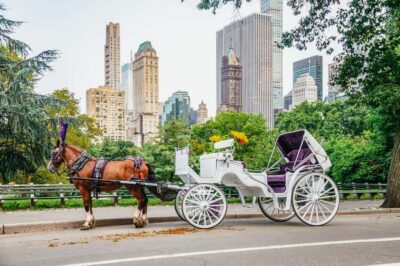
Browse the lists this tour appears in