

Reviewed · EDGE & HUDSON YARDS
The Story of the High Line Elevated Park and Hudson Yards
New York’s High Line is more than a pretty park with flowers and skyline views. Kitt Garrett’s video explains how freight trains once served Manhattan, why the tracks were built above the streets, how the line fell out of use, and how local efforts helped turn it into a park visited by more than 8 million people a year. I especially like the block-by-block route and the way it connects the High Line to the Meatpacking District, Chelsea, and Hudson Yards. The accompanying PDF guide gives you something useful to carry on a later visit.
The main drawback is simple: this is a virtual experience, not a live walk with a guide beside you. A technical problem affected one booking, with the video repeating its opening section, so you should check the link before settling in. The provider refunded that booking and supplied a working link, but the tour remains non-refundable once purchased.
In This Review
- Key points at a glance
- Why the High Line needs more than a quick stroll
- From Gansevoort Street to the park’s northern end
- A block-by-block look at architecture and design
- The stories that make the route memorable
- What the virtual format does well
- The PDF makes the second visit more useful
- Price, group size, and the cancellation risk
- Who will get the most from this experience
- Practical details before you book
- Should you book The Story of the High Line?
- FAQ
- How long is the virtual High Line tour?
- What does the experience cover?
- Who leads the experience?
- Is this a live walking tour?
- Where does the route begin and end?
- How much does the experience cost?
- Is the tour private?
- Can I cancel for a refund?
Key points at a glance
- A 1-hour-48-minute video tour: Follow the High Line from its freight-rail beginnings to its present-day role as a public park.
- Kitt Garrett’s city stories: Hear about railroads, architecture, the Titanic, the Meatpacking District, and even the Oreo and Hydrox rivalry.
- A route from Gansevoort Street to Hudson Yards: The presentation moves north through the High Line, Chelsea, and the new Hudson Yards district.
- A downloadable PDF: Use the map and listed addresses for a self-guided visit after watching the talk.
- Private group pricing: The $25 price covers a group of up to 15 people, making it strong value for families or friends.
- A virtual format with a practical limitation: You can watch from anywhere, but you must visit the park separately if you want the sights, plants, and city views in person.
Why the High Line needs more than a quick stroll
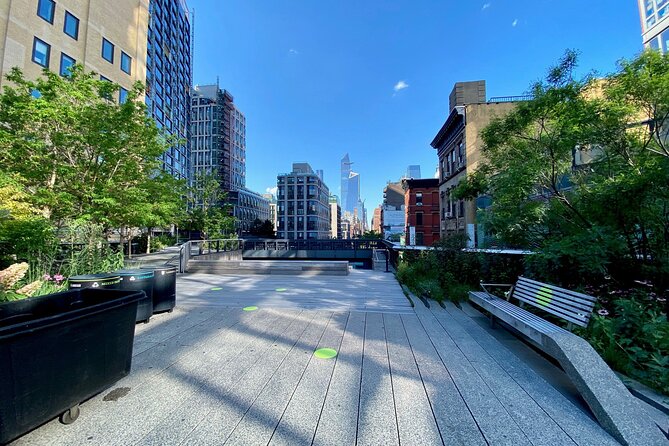
The High Line is easy to admire without knowing much about it. You can walk above Manhattan, look down at traffic, photograph new buildings, and enjoy the gardens. But without context, it can seem like a long city park with unusually good views.
This tour gives the place a clear storyline. The route begins with the way goods reached Manhattan in the 1800s, then explains why the rail line was moved above street level. From there, Kitt Garrett traces the line’s decline, abandonment, rescue, and conversion into a public space.
That story matters because the High Line is not an isolated park. It changed how people see the surrounding neighborhoods, helped fuel the revival of the Meatpacking District, and became part of the enormous building project at Hudson Yards. You get a better sense of why this narrow strip of land matters to New York’s past and present.
I like that the talk does not treat the High Line as only a gardening project. It brings in engineering, trade, neighborhood change, and architecture, giving you several ways to understand the route.
More Edge and Hudson Yards tickets:
- New York Explorer Pass: Top Attractions including Edge
★ 4.6 · 7,872 reviews - New York Pass®: 100+ Attractions including Edge NYC
★ 4.6 · 2,465 reviews - NYC Edge Observation Deck at Hudson Yards Admission Ticket
★ 4.0 · 2,242 reviews
From Gansevoort Street to the park’s northern end
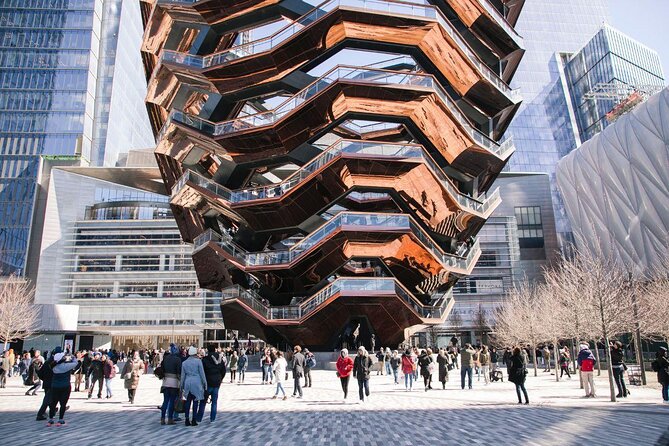
The physical route begins at Gansevoort Street in the Meatpacking District and ends at 20 Hudson Yards, where you will find shops, restaurants, and restrooms. The video follows this same general journey, moving through the park one block at a time.
Starting in the Meatpacking District gives the tour a strong sense of place. The neighborhood’s name points to its earlier working role, while the current streets show how sharply the area has changed. Garrett connects that neighborhood revival to the High Line, so you can see the park as part of a larger city story rather than a stand-alone attraction.
As the route continues through Chelsea, the focus shifts toward the buildings, designers, and public art that shape the park today. The presentation helps you notice how the High Line works with the streets and towers around it.
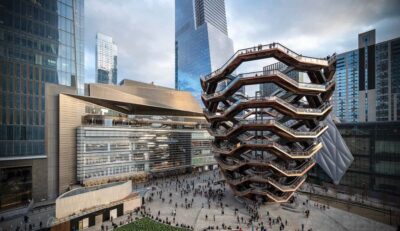
The northern finish at Hudson Yards gives the tour a modern endpoint. You are not simply walking from an old neighborhood to another old neighborhood. You are moving toward one of the biggest private construction projects in United States history, a fitting place to discuss how quickly New York keeps changing.
A block-by-block look at architecture and design
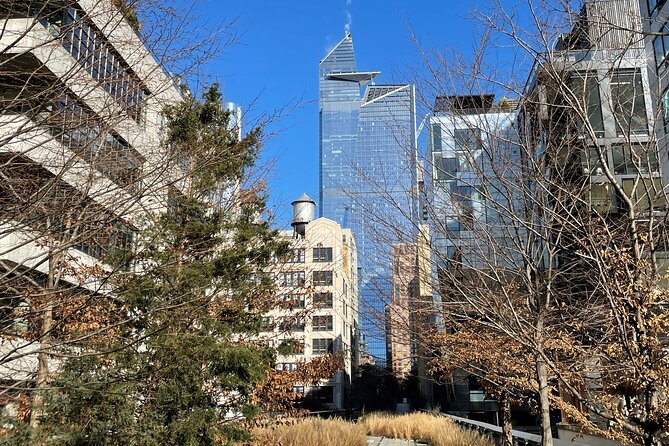
One of the best reasons to choose this talk is its attention to the built city. Garrett identifies architects and buildings near the route, explaining how the High Line’s design relates to the new construction around it.
That is useful because the High Line can make you look in several directions at once. There are plants at your feet, old rail traces nearby, streets below, and high-rise buildings across the way. A self-guided walk can become a series of disconnected views unless someone helps you organize what you are seeing.
The video gives you that framework before you go. The PDF adds addresses and a map, allowing you to stop at particular buildings and architectural details instead of wandering without a plan.
I would keep the PDF on your phone and use it as a visual checklist. Look for the addresses named in the guide, match them to the route, and take photographs of both full buildings and small design features. The provider also suggests using Tripcast to assemble photos into a memory book, which could work well for a family visit or a return trip with friends.
The stories that make the route memorable
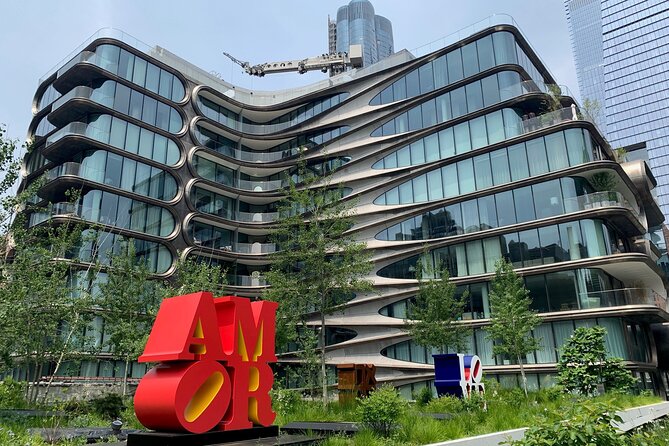
The tour is not limited to dates and construction facts. Garrett uses small stories to make New York’s larger changes easier to remember.
The material includes connections to the Titanic and the long-running Oreo versus Hydrox story. These details may seem far removed from the High Line at first, but they help place the route within the broader story of Manhattan commerce, industry, products, and popular culture.
The strongest parts are likely to be the links between the old rail line and the neighborhoods around it. You learn why the tracks mattered, what happened when they were no longer needed, and who helped protect the structure from destruction.
That gives you a better appreciation of the High Line’s unusual character. It is not an old monument preserved exactly as it was, and it is not a new park built on empty land. It is a reused piece of transportation infrastructure, reshaped for public life.
More High Line and Chelsea walks:
- High Line and Chelsea Small Group Tour
★ 5.0 · 1,238 reviews - Chelsea Market and High Line Guided Food Tour
★ 5.0 · 827 reviews - Manhattan Adventure Sightseeing Boat Tour – from Chelsea Piers
★ 5.0 · 688 reviews - High Line Park and Greenwich Village Food Tour
★ 5.0 · 398 reviews
What the virtual format does well
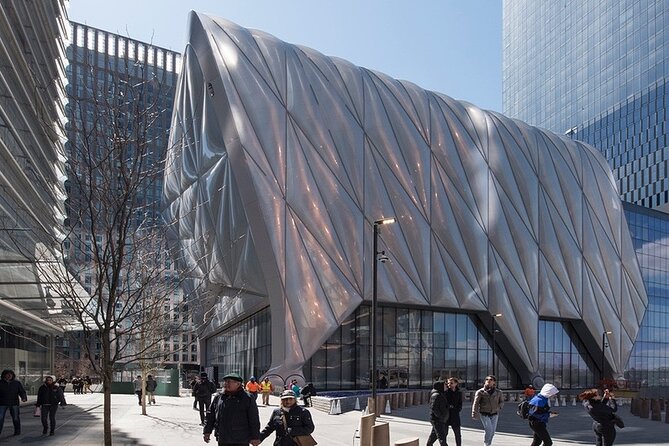
A virtual talk has real advantages. You can watch before your New York trip, after returning home, or with people who cannot join you in the city. The mobile ticket makes access straightforward, and the private group format means the $25 price covers up to 15 people.
For a family or group of friends, that is a particularly fair price. Even a small group can split the cost, while a full group pays only a little per person. You also avoid committing to a particular meeting time for a live walk, since the video can be used when it suits your schedule.
The format is also helpful if you have already visited the High Line but felt you missed the point. A previous visit may have shown you the park’s views without explaining why the railroad was built, how the area changed, or why nearby buildings matter. Watching the talk before a return visit should make familiar sections more meaningful.
The tradeoff is that a video cannot reproduce being outside. You will not feel the height above the streets, hear the city around you, or experience the changing light and plantings as you walk. If your main goal is a live guide and immediate questions, this is not the right format.
The PDF makes the second visit more useful
The PDF is more than a souvenir. It is the practical bridge between the virtual presentation and the real park.
The material includes a map and addresses, helping you follow the route from Gansevoort Street toward Hudson Yards. It also lists architects and points of interest, so you can revisit the parts of the video that caught your attention.
I would watch the video first, then plan the physical walk. Mark the locations you most want to see, leave room for photographs, and use the northern endpoint at 20 Hudson Yards as a convenient place to stop for food, shopping, or a restroom break.
The High Line’s operating information lists access from midnight to 11:30 p.m. daily for the period shown, from May 16, 2021 through June 6, 2026. Since schedules can change, check current park information before setting out, but the supplied details indicate a very broad visiting window.
Price, group size, and the cancellation risk
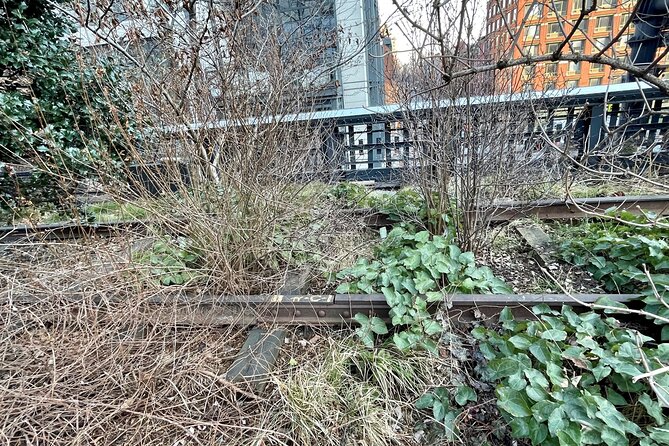
The price is $25 per group, with up to 15 people included. That makes the experience good value if you are sharing it with family or friends, and still reasonable for a solo viewer who wants a detailed introduction before visiting the park.
You are paying for the video talk, the storytelling, and the PDF rather than for admission to a special attraction. The High Line itself is a public park, and the virtual presentation does not replace your physical visit. Think of the purchase as a planning and interpretation tool.
The non-refundable policy deserves attention. You cannot cancel or amend the booking for a refund, so confirm that your group wants the experience before paying.
Also, make sure the video link works when you receive it. One customer encountered a repeat of the first 1 minute and 20 seconds because of a technical glitch. The provider responded by sending a working link and refunding the purchase, but you should still test your connection and save the corrected link before watching.
Who will get the most from this experience

I would recommend this tour to history buffs, architecture fans, repeat New York visitors, and anyone who likes understanding how a city changes. It is especially useful for people who have walked the High Line before but never learned why it exists.
Families can also get good mileage from it. Garrett’s city stories include odd facts and accessible subjects, and the private group format lets everyone watch together. The PDF can then turn a simple walk into a scavenger-style search for buildings, addresses, and design details.
This is less suitable if you want a live outdoor activity, a short introduction, or a guide who can respond to questions in real time. At nearly two hours, the presentation asks for attention. You should set aside enough time to watch it properly rather than treating it as a quick travel clip.
The experience is also most useful when paired with a real visit. Watching alone gives you the background, but walking the route afterward lets you test what you learned against the actual buildings, streets, and views.
Practical details before you book
The experience is private, and only your group participates. Confirmation is sent at booking, and the ticket is mobile.
The stated meeting points are Gansevoort Street, New York, NY 10014, at the start, and 20 Hudson Yards, listed at 10th Avenue and West 30th Street, at the end. These are route points for the High Line experience, while the main product is the video talk and PDF.
The route is near public transportation, and most people can participate. Service animals are allowed. No special physical requirements are listed, but remember that the paid experience is virtual, so you can watch it from a setting that suits your needs.
Kitt Garrett is the guide and creator behind New York Sites & Insights. The strongest feature of the presentation is the way Garrett links small city facts to the larger story of New York’s streets, buildings, and neighborhoods.
Should you book The Story of the High Line?
Book it if you want more than photographs from the High Line. For $25 per group, Kitt Garrett’s 1-hour-48-minute presentation gives you a solid historical and architectural framework, plus a PDF you can use on your own walk from the Meatpacking District to Hudson Yards.
Skip it if you are specifically seeking a live walking tour or if you dislike fixed video presentations. The non-refundable policy also means you should check your schedule and internet connection first.
For most curious visitors, the best plan is simple: watch the talk before your New York visit, download the PDF, then walk the High Line with the route in hand. You will notice more, understand the neighborhood changes better, and see why this former freight line became one of Manhattan’s most unusual public spaces.
FAQ
How long is the virtual High Line tour?
The video talk lasts approximately 1 hour and 48 minutes.
What does the experience cover?
It covers the High Line’s origins as a freight rail line, its construction above the streets, its abandonment, its rescue, and its conversion into a public park. It also discusses the Meatpacking District, Chelsea, architects, nearby buildings, and Hudson Yards.
Who leads the experience?
Kitt Garrett of New York Sites & Insights leads the presentation.
Is this a live walking tour?
No. It is a virtual video talk and tour. A PDF is provided for a self-guided visit to the High Line.
Where does the route begin and end?
The route begins at Gansevoort Street in New York City and ends at 20 Hudson Yards, where shops, restaurants, and restrooms are available.
How much does the experience cost?
The price is $25 per group, for up to 15 people.
Is the tour private?
Yes. Only your group participates.
Can I cancel for a refund?
No. The experience is non-refundable and cannot be changed after booking.
Just listed around New York City
- New York: Photoshoot in NYC DUMBO BROOKLYN BRIDGE★ 4.8 · 8 reviews
- New York City: Central Park Yoga and Walking Tour★ 4.8 · 8 reviews
- NYC: Central Park Rickshaw Tour / Private and Guided★ 4.8 · 8 reviews
- Guided Admission to Modern Art and Metropolitan Museums in NYC★ 4.0 · 8 reviews
- Heart & Soul of Greenwich Village Food and Culture Tour★ 4.7 · 8 reviews
- Lower Manhattan and Brooklyn Bridge Guided Fiets Tour (Dutch)★ 4.5 · 8 reviews
- Private Transfer: Newark Airport to Manhattan Up to 10pax★ 4.8 · 9 reviews
- Brooklyn Bridge, Statue of Liberty & Manhattan Tour★ 3.5 · 8 reviews
Edge & Hudson Yards, compared.

New York Explorer Pass: Top Attractions including Edge
Read our review →
New York Pass®: 100+ Attractions including Edge NYC
Read our review →
NYC Edge Observation Deck at Hudson Yards Admission Ticket
Read our review →
Go City: New York Explorer Pass: 100+ Things to Do Including Edge
Read our review →

Pick 1 Attraction + Edge New York + Top of the Rock
Read our review →
Hudson Yards & High Line Tour with Optional Edge Ticket
Read our review →Browse the lists this tour appears in