

Reviewed · HARLEM & GOSPEL TOURS
Central Harlem: Mecca of African-American Culture
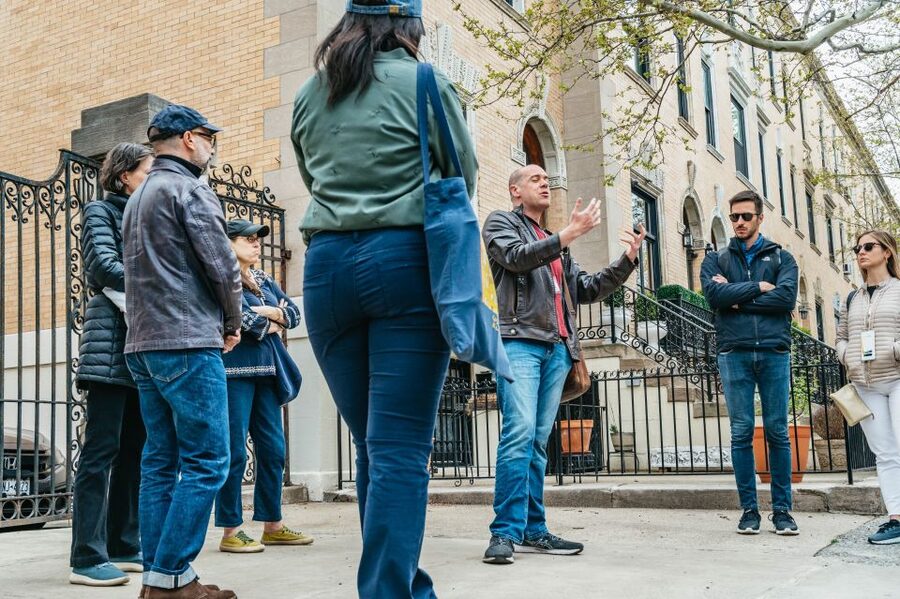
Central Harlem’s story comes alive on foot, where Harlem Renaissance landmarks meet busy 125th Street, quiet residential blocks, historic churches, and new shops. This $30 tour gives you a local guide, often someone deeply connected to the neighborhood, and places the area’s music, politics, architecture, and daily life in the same frame.
I like the way the walk moves beyond famous names to include the Schomburg Center, Hotel Theresa, Speaker’s Corner, and neighborhood architecture. I also like the guides’ personal connection to Harlem. George, Keith, William, and Jonathan have each led highly praised tours, with special attention to both Black history and present-day changes.
The main drawback is that this is a walking history tour, not a church visit or music experience. One account also noted long quiet stretches, so the quality may depend on your guide and the group’s questions. Wear good shoes, and remember that the route can be moderately difficult for anyone with mobility concerns.
In This Review
- Key points to know before you book
- Why Central Harlem deserves a walking tour
- Starting among Harlem’s quieter streets
- The Harlem Renaissance in real places
- 125th Street and the Harlem of today
- Apollo Theater, Speaker’s Corner, and Hotel Theresa
- Schomburg Center and the value of memory
- What the guides add to the experience
- Price, timing, and physical demands
- Who will enjoy this Harlem walk
- Should you book Central Harlem: Mecca of African American Culture?
- FAQ
- How much does the Central Harlem tour cost?
- How long does the tour last?
- What language is the tour offered in?
- Who leads the tour?
- Where does the tour meet on Tuesday?
- Where does the tour meet on Saturday?
- What is included in the price?
- Does the tour include a church visit or live music?
- Can I cancel or pay later?
Key points to know before you book
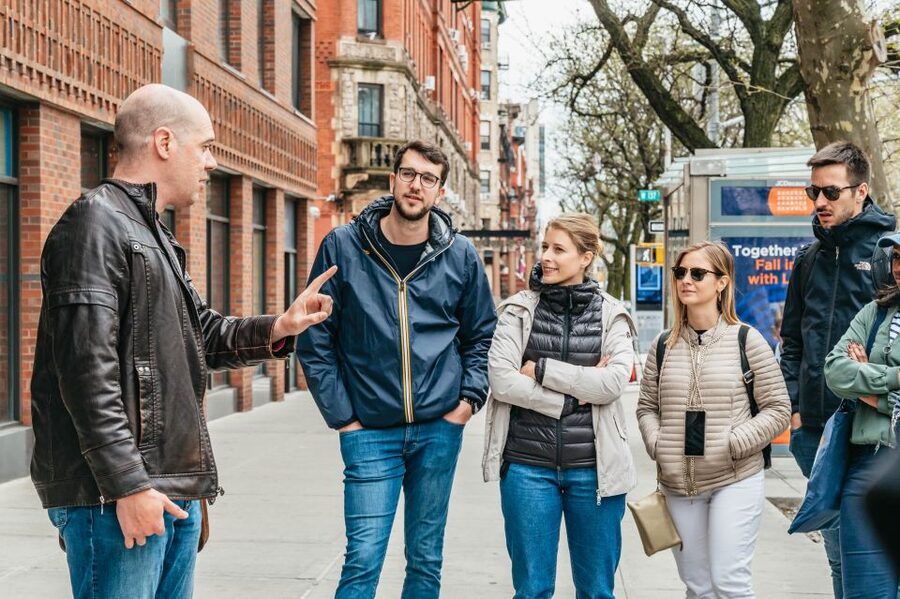
- Harlem Renaissance context: Learn why Central Harlem became a major center of African American art, music, writing, and political life in the 1920s and 1930s.
- A local guide leads the walk: Guides have included Harlem residents such as George, Keith, William, and Jonathan, each bringing personal knowledge of the neighborhood.
- 125th Street anchors the modern visit: See the main shopping corridor where older Harlem and newer development share the same street.
- Architecture matters here: Expect stately homes, historic churches, quiet streets, and buildings connected to Harlem’s changing fortunes.
- The walk is about history, not performances: There is no included church service, music program, or formal visit inside a music venue.
- Two meeting points are used: Tuesday starts at 116th Street and Lenox Avenue, while Saturday starts at 145th Street and St. Nicholas Avenue.
Why Central Harlem deserves a walking tour
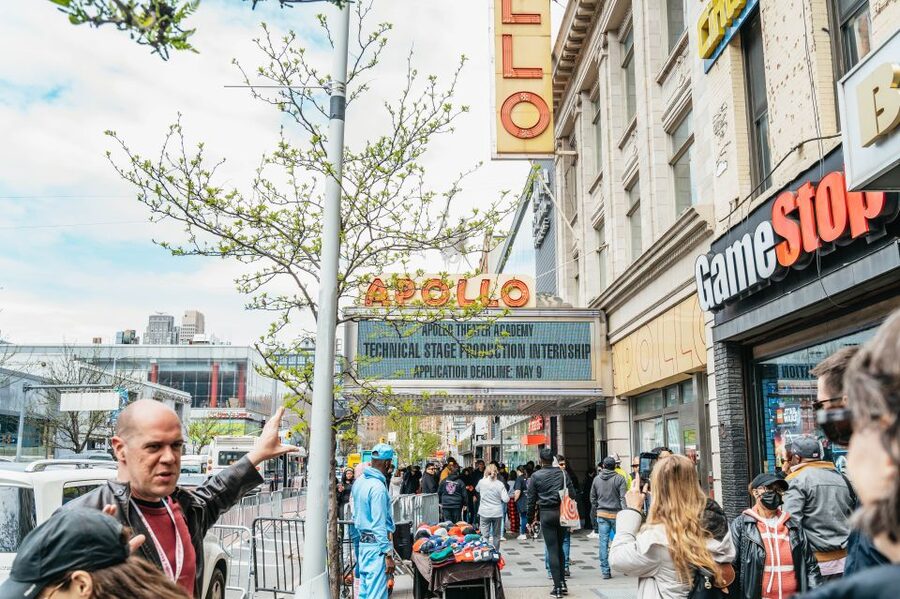
Harlem is easy to reduce to a few familiar names: jazz, the Apollo Theater, 125th Street, and the Harlem Renaissance. A walking tour helps connect those pieces. You see where culture developed, where people gathered, and how the neighborhood’s past continues to shape its present.
The phrase Mecca of African American culture refers especially to Harlem’s importance during the 1920s and 1930s. Writers, musicians, dancers, artists, and political thinkers made Central Harlem a major center of Black American life. The tour explains that period while also showing that Harlem is not frozen in the past.
That balance is important. You are not simply shown a set of old buildings and asked to admire them. You hear about the neighborhood’s role in music and dance, including jazz, Lindy Hop, and swing. You also learn about social change, redevelopment, gentrification, rebuilding, and the hopes of people who live there now.
I especially value tours that explain a neighborhood without turning it into a museum display. This experience aims to show Harlem as a lived-in community, not only a historic district. The best guides connect a building or street corner to a larger question: Who lived here? Who created the culture? Who benefited from change? Who is still trying to protect the neighborhood’s identity?
More Harlem visits and gospel mornings:
- NYC Highlights Tour: Bronx, Brooklyn, Harlem, Queens & Coney
★ 4.5 · 2,846 reviews - NYC: Contrasts Tour of Harlem, The Bronx, Queens & Brooklyn
★ 4.5 · 2,167 reviews - NYC: Harlem Hallelujah! Gospel Wednesday Concert
★ 4.7 · 1,638 reviews
Starting among Harlem’s quieter streets
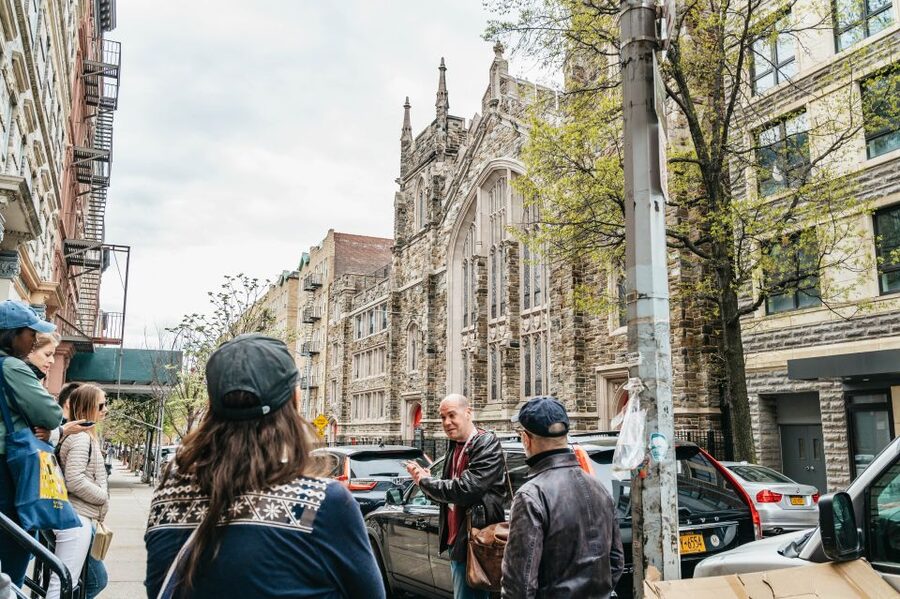
The route is described as a stroll through Central Harlem, with time spent around residential blocks, historic churches, and stately homes. One route experience included quiet streets, architectural details, and a view stretching from City College toward Alexander Hamilton’s home. That gives you a useful contrast with 125th Street later in the walk.
The calmer opening can help you get your bearings. Harlem’s historic character is not limited to large attractions. Row houses, churches, and older façades show how the neighborhood developed as a place where Black families, institutions, businesses, and cultural groups built a strong community.
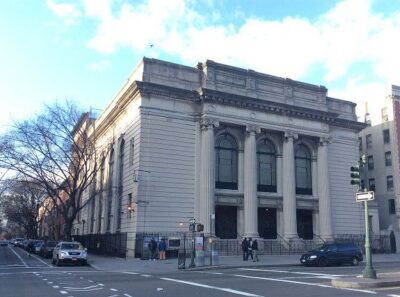
Architecture is one of the tour’s quieter rewards. You may not get an interior visit, but you can read the neighborhood from the outside. A church façade, a line of homes, or an older commercial building can tell you about wealth, migration, religion, and urban change.
This part may feel slow if you came expecting nonstop landmarks. That is also where a good guide makes a difference. Keith was praised for making difficult history clear to an international group without speaking down to anyone. A guide who can turn a street into a story adds much more value than a simple list of addresses.
The Harlem Renaissance in real places
The Harlem Renaissance is often taught through writers such as Langston Hughes, musicians, dancers, and artists. On this tour, those names are placed in the neighborhood that gave the movement its setting and energy.
The walk presents Central Harlem as a place where artistic success and political meaning overlapped. Music was not just entertainment. One guide used the memorable idea that music offered an early glimpse of the ballot box, a way for Black voices to be heard and recognized in public life.
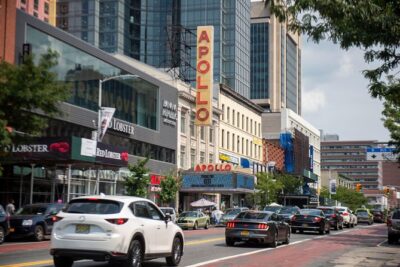
That theme helps explain why the Apollo Theater matters. The Apollo is one of Harlem’s most famous cultural landmarks, and you will see and learn about it from the outside as part of the walk. The tour does not include a performance, so book it for context rather than a stage show.
You may also hear about speakers, writers, community leaders, and institutions connected to Harlem’s Black cultural life. The experience is strongest when you come with a little curiosity and ask questions. One visitor found that two hours only skimmed the surface and left them wanting to research the people and places mentioned. That is a fair expectation. This is an introduction, not a full course in Harlem studies.
125th Street and the Harlem of today
The tour also brings you to 125th Street, Harlem’s main shopping corridor. Here, the older neighborhood and the newer commercial scene meet in a way that can feel uneven, energetic, and revealing.
The street gives you a different view from the residential blocks. You see the public face of present-day Harlem, with shopping, dining, and everyday city traffic. The guide explains how this corridor relates to the neighborhood’s past and how current development is changing the area.
This is where the tour’s modern focus becomes useful. It does not treat gentrification as a simple good or bad story. Harlem has seen rebuilding and new investment, but change can also raise questions about affordability, local ownership, and who gets to define the neighborhood’s future.
Keith was praised for discussing Harlem’s movement from a top place to live, through difficult periods, and into rebuilding. Another guide was valued for explaining current threats and hopes within the community. That kind of conversation gives you more than a polished sightseeing version of Harlem.
You should also expect 125th Street to be more active than the quieter residential sections. If you prefer an uninterrupted architectural walk, this section may feel less focused. If you want to understand how historic neighborhoods function today, it is essential.
Another side of New York City for the same day:
- NYC: SUMMIT One Vanderbilt Tickets
★ 4.7 · 51,195 reviews - NYC: 9/11 Memorial & Museum Timed-Entry Ticket
★ 4.8 · 31,428 reviews - NYC: Empire State Building Tickets – Observatory & Museum
★ 4.7 · 25,757 reviews - New York City: Statue of Liberty & Ellis Island with Ferry
★ 4.6 · 18,683 reviews
Apollo Theater, Speaker’s Corner, and Hotel Theresa
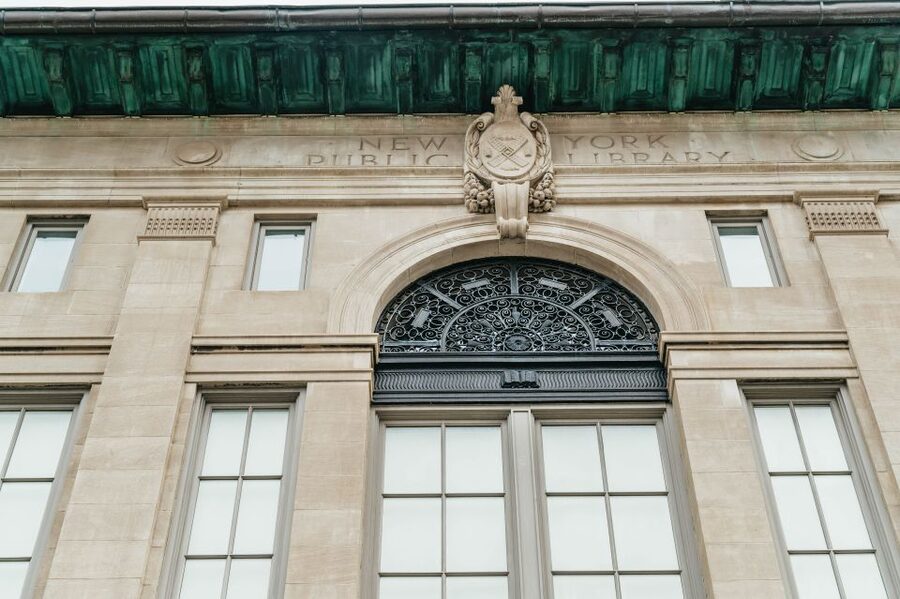
The Apollo Theater is the best-known stop named in the tour description, but it is not the only important address. Speaker’s Corner and Hotel Theresa add political and social layers to the walk.
The Apollo connects Harlem to live music, performance, and the careers of major Black entertainers. Even without going inside, standing near the theater helps explain its place in Harlem’s cultural story. Your guide can provide the context that a photograph alone cannot.
Speaker’s Corner points toward Harlem’s tradition of public speech and debate. It reflects the neighborhood’s role as a place where people expressed political ideas, argued for civil rights, and addressed the public. The stop is valuable because it broadens the tour beyond music.
Hotel Theresa adds another part of the story. The building is tied to Harlem’s history as a center of Black business, public life, and international attention. Seeing several kinds of landmarks together helps you understand that Harlem’s importance was never limited to clubs or theaters.
The exact amount of time at each site can vary. This is a two-hour walking tour, so you should not expect long interior visits or extended stops at every address. Think of the route as a connected introduction, with the guide explaining why each place belongs in Harlem’s story.
Schomburg Center and the value of memory
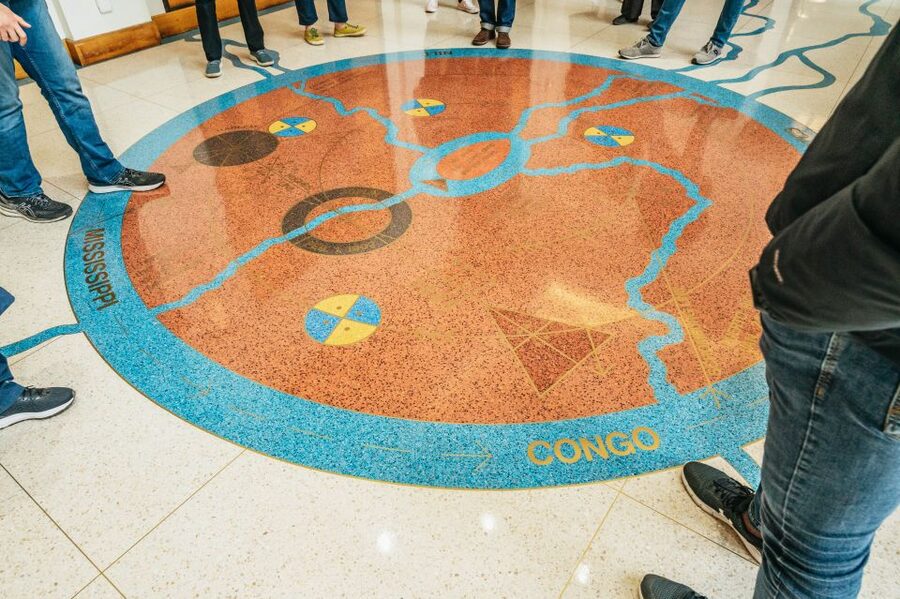
The Schomburg Center was a favorite stop for one participant, especially because of its connection to Black scholarship, archives, and cultural memory. It is an important reminder that Harlem’s story is preserved not only in famous buildings but also in institutions devoted to research and education.
A particularly moving detail involved the ashes of Langston Hughes being interred at the Schomburg Center. For anyone interested in literature, the Harlem Renaissance, or the way communities remember their writers, this can be a meaningful moment.
You should not assume the tour includes an extended indoor visit or access to every part of the center. The information provided describes seeing and learning about sites along the route. Still, even a short stop or explanation can point you toward a place worth returning to on your own.
This is one reason I would allow extra time in Harlem after the tour. A guide can introduce names and addresses quickly, while a museum, archive, church, or book gives you the chance to follow one subject at your own pace. The walk works well as a first look that helps you decide what deserves more time.
What the guides add to the experience
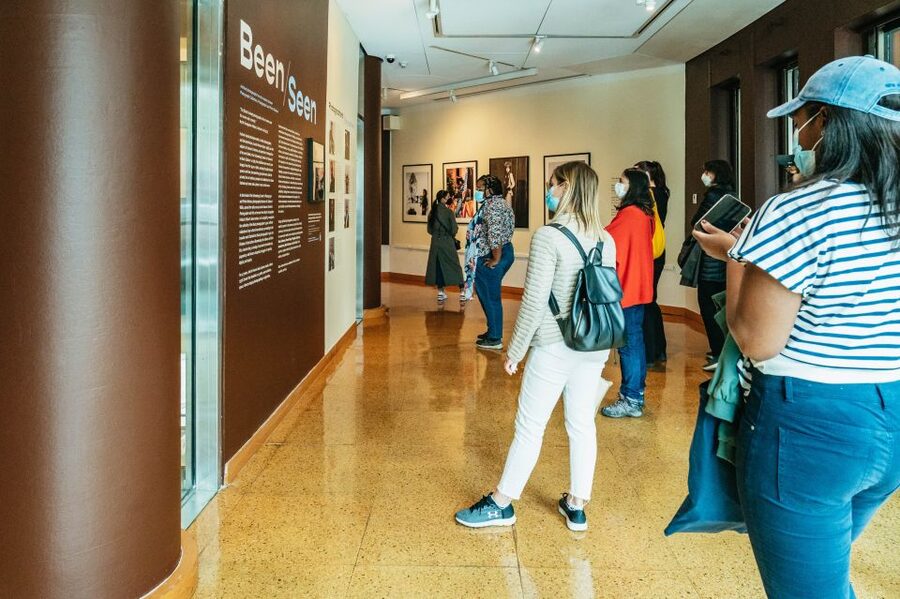
The provider is Harlem One Stop Cultural Tours, and the walk is led by a licensed English-speaking guide who is also a Harlem resident. Guides named in the feedback include George, Keith, William, and Jonathan.
Their strengths are not identical, and that is worth understanding. George was praised for sharing local insight and for answering questions about Harlem’s past. Keith received especially strong comments for making Black history accessible to people from several countries and for discussing everyday life as well as major events.
Jonathan was noted for presenting Black history and culture with passion and balance. William was praised for his enthusiasm when explaining Harlem’s story. These personal details suggest that the guide is a central part of the experience, not simply someone escorting you from one stop to the next.
One person felt there were long stretches when the guide was silent and that more could have been explained. That is the clearest warning in the feedback. If you want a constant stream of facts, tell your guide what interests you and ask questions along the way. A quiet pause can be pleasant on a neighborhood walk, but extended silence may disappoint you if you expect a lecture.
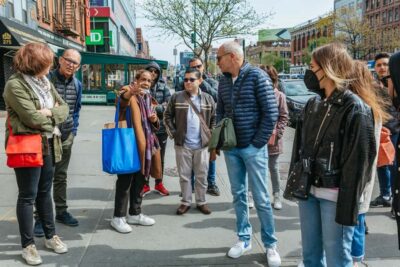
The strongest version of this tour is likely with an engaged group and an active guide. Come prepared to ask about music, architecture, politics, literature, gentrification, or daily life. The tour’s two hours will feel fuller when you help shape the conversation.
Price, timing, and physical demands
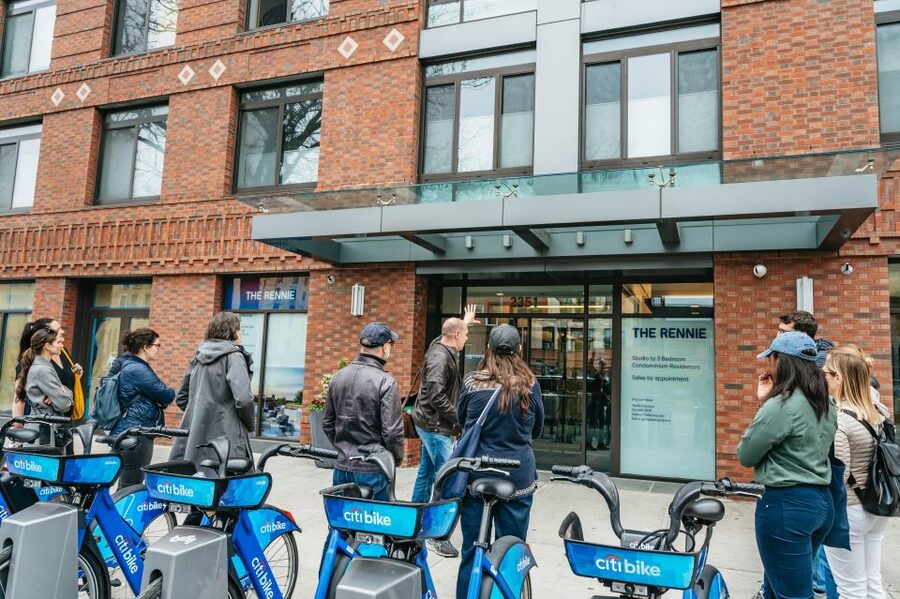
At $30 per person, the tour is reasonably priced for a two-hour guided walk in New York. You are paying for a licensed local guide and for interpretation that would be difficult to assemble from a map alone.
The value is highest if you want historical context and neighborhood orientation. It is lower if you mainly want entry to attractions, live music, or a formal performance, since none of those are included.
Tuesday’s meeting point is at 116th Street and Lenox Avenue, also called Malcolm X Boulevard, in front of the CVS. Saturday’s meeting point is at 145th Street and St. Nicholas Avenue, in front of 700 St. Nicholas Avenue. Check your assigned day carefully, since the two meeting points are not close to one another.
Wear suitable clothing and walking shoes. The route lasts two hours and can be moderately difficult for people with physical limitations. One account described a leisurely walk with a planned bathroom break, but you should still prepare for time on your feet.
The tour is offered in English. You can cancel up to 24 hours before the start for a full refund, and you can reserve now while paying later. Those policies are useful if your New York plans may shift.
Who will enjoy this Harlem walk
I would choose this tour if you want to understand Harlem before exploring it on your own. It suits first time visitors, people interested in Black American history, architecture fans, and anyone who wants a local perspective on neighborhood change.
It also works well for mixed groups. The strongest guide feedback describes history explained clearly to people from several countries and to visitors with different levels of background knowledge. You do not need to arrive as an expert.
This is a good choice for teachers, students, and travelers who want names and places to research later. The Schomburg Center, Langston Hughes, the Apollo Theater, and the Harlem Renaissance provide several paths for further exploration.
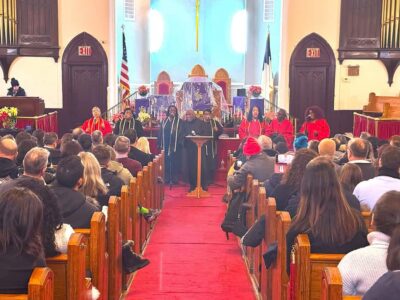
You may want a different experience if your main goal is gospel music, a church service, a jazz club, or an indoor museum visit. This tour focuses on neighborhood history and outdoor sightseeing. It also may not suit you if two hours of walking feels difficult or if you prefer a tightly scripted tour with constant narration.
Should you book Central Harlem: Mecca of African American Culture?
Book it if you want Harlem explained by someone who lives there and if you care about the connection between the Harlem Renaissance and the neighborhood today. The price is fair, the route covers major landmarks, and the local guides can add personal detail that a guidebook cannot.
Keep your expectations realistic. You will not attend a church service, hear a concert, or tour every interior. The walk may include quiet stretches, and the exact emphasis can depend on your guide. For the best experience, wear comfortable shoes, confirm the correct meeting point, and bring questions about the subjects you care about most.
I would especially recommend it as an early New York activity. After two hours, you will have a better sense of where Central Harlem’s cultural landmarks fit together and which places you want to revisit on your own.
FAQ
How much does the Central Harlem tour cost?
The tour costs $30 per person.
How long does the tour last?
The walking tour lasts two hours.
What language is the tour offered in?
The tour is conducted in English.
Who leads the tour?
A licensed English-speaking tour guide who is also a Harlem resident leads the walk. Guides named for this experience include George, Keith, William, and Jonathan.
Where does the tour meet on Tuesday?
On Tuesday, the meeting point is at 116th Street and Lenox Avenue, also called Malcolm X Boulevard, in front of the CVS.
Where does the tour meet on Saturday?
On Saturday, the meeting point is at 145th Street and St. Nicholas Avenue, in front of 700 St. Nicholas Avenue.
What is included in the price?
The price includes the guided walking tour with a licensed tour guide and Harlem resident.
Does the tour include a church visit or live music?
No. The tour focuses on neighborhood history and does not include a church visit or music.
Can I cancel or pay later?
You can cancel up to 24 hours in advance for a full refund. You can also reserve your place and pay later.
Just listed around New York City
- NYC: Little Shop of Horrors Off-Broadway Ticket5 reviews
- Private NYC Airport Transfer: LGA to Manhattan – Up to 5★ 3.6 · 5 reviews
- New York City Tour in German★ 4.5 · 5 reviews
- New York: Hamilton and Washington Revolutionary Walking Tour★ 5.0 · 5 reviews
- NYC Freedom Tower Private Photo or Video Experience★ 4.0 · 6 reviews
- New York Afternoon Fall Foliage Cruise with Lunch★ 5.0 · 6 reviews
- Brooklyn Walking Tours by Locals: Private & 100% Personalized★ 4.0 · 6 reviews
- Southold Bay Oyster Farm Tour★ 5.0 · 6 reviews
Harlem & Gospel Tours, compared.

NYC Highlights Tour: Bronx, Brooklyn, Harlem, Queens & Coney
Read our review →
Contrasts Tour of Harlem, The Bronx, Queens & Brooklyn
Read our review →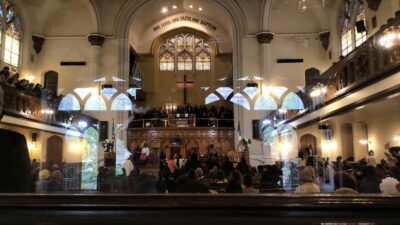
Browse the lists this tour appears in