
Reviewed · HIGH LINE & CHELSEA TOURS
Chelsea Architecture and Art Tour with Award Winning NYC Guide
Chelsea’s best feature is the way old New York and new art sit side by side. In two hours, you’ll move from the Meatpacking District and the Whitney Museum to the High Line, contemporary galleries, and striking buildings by Frank Gehry, Jean Nouvel, and Zaha Hadid. I like the mix of architecture and art, since you’re not simply staring at façades. You’re also learning how this part of Manhattan keeps changing.
I also like the small group size, capped at 10 people, and the guide’s professional credentials. Merrily is a licensed New York City guide and a member of AICA USA, the International Association of Art Critics. The main catch is simple: this is almost entirely outdoors, so rain, cold, or strong sun can shape your experience. Gallery visits are also seasonal and not guaranteed.
In This Review
- Key points to know before booking
- Why this Chelsea walk feels different
- Starting near Lower Manhattan at 11 a.m.
- The Whitney Museum and the Meatpacking District
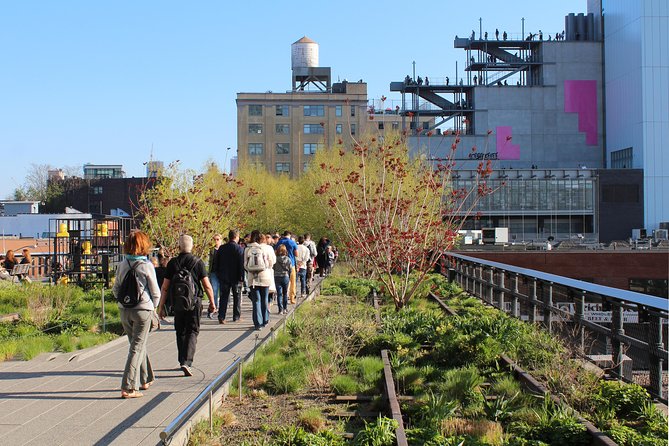
- Walking the High Line and its public sculpture
- Chelsea’s galleries from September through June
- What the architecture adds to the walk
- Is $49 a fair price?
- Who should book this Chelsea experience?
- My call: book it for connections, not a checklist
- FAQ
- How long does the Chelsea Architecture and Art Tour last?
- What time does the tour start?
- Where does the tour begin?
- Where does the tour end?
- Does the tour include the Whitney Museum?
- Are gallery visits guaranteed?
- What happens if it rains?
Key points to know before booking
- The tour links three major sights: the Whitney Museum, the High Line, and Chelsea’s gallery district.
- You’ll see major modern architecture: Frank Gehry, Jean Nouvel, Zaha Hadid, and other international architects are part of the route.
- The group is limited to 10 people: that gives you a better chance to ask questions and hear the guide clearly.
- Gallery stops depend on the season: from September through June, the tour may include one or two important exhibitions.
- The $49 price covers the guide and taxes: no extra tour fees are listed, and cancellation is free up to 24 hours before the start.
- The route is mostly outside: wear comfortable shoes and prepare for the weather, since the tour runs rain or shine.
Why this Chelsea walk feels different
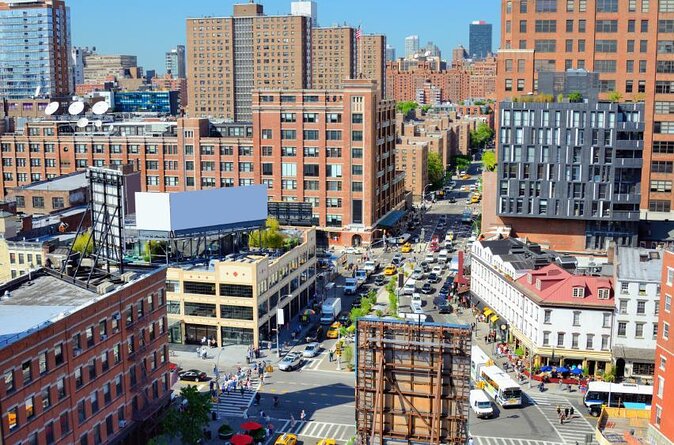
Many New York walks focus on one subject. This one connects architecture, public art, neighborhood change, and the commercial gallery scene in a compact route. That matters because Chelsea can feel like several neighborhoods at once. You’ll see polished new buildings, handsome 19th century residences, former industrial areas, a former rail line turned park, and galleries showing the latest work.
I like that the tour does not treat architecture as a collection of famous names alone. Frank Gehry and Zaha Hadid may draw the headline, but the setting around them is just as useful. The guide can point out how a new building meets older blocks, how public space has changed, and why Chelsea became such a major art address.
Merrily’s credentials add weight to the walk. She is licensed by New York City’s Department of Consumer Affairs and belongs to AICA USA. That does not mean you need an art degree to enjoy the tour. It means you can expect a guide prepared to discuss both the city and its art world in a serious, accessible way. One detailed account describes Merrily as professional, comfortable to tour with, and ready to answer questions. That is exactly the quality you want on a small walking tour.
More High Line and Chelsea walks:
- High Line and Chelsea Small Group Tour
★ 5.0 · 1,238 reviews - Chelsea Market and High Line Guided Food Tour
★ 5.0 · 827 reviews - Manhattan Adventure Sightseeing Boat Tour – from Chelsea Piers
★ 5.0 · 688 reviews
Starting near Lower Manhattan at 11 a.m.
The listed starting area is Lower Manhattan, New York, NY 10014, with the exact meeting point sent by email about one week before the tour. The start time is 11 a.m. That late morning timing works well if you want breakfast first and prefer not to rush across Manhattan at dawn.
You should check the final meeting instructions before setting out. The starting area is near public transportation, but the information provided does not name a specific subway exit or corner. Give yourself a little time to reach the confirmed location, especially if you are unfamiliar with the streets around the Meatpacking District.
The tour ends near 10th Avenue in the mid-20s. That is useful when planning the rest of your day. You’ll finish in Chelsea rather than returning to the starting point, so you can continue toward galleries, restaurants, shopping, or other sights nearby. The tour is about two hours, but plan for a bit of flexibility if the group pauses for questions or spends time inside an exhibition.
The group limit is 10 people. That is a meaningful advantage here. Architecture and art depend on seeing details, and a large crowd can make it hard to hear or gather around a building. A small group also makes it easier to ask why a design matters or how a neighborhood changed.
The Whitney Museum and the Meatpacking District
The first named stop is the Whitney Museum of American Art. The walk takes place through the Meatpacking District and Chelsea, with contemporary buildings by Frank Gehry, Jean Nouvel, Zaha Hadid, and others along the way.
The Whitney is an important anchor for the route because it brings American art into the conversation. The tour information lists the museum as a stop with no separate admission charge for the tour. You should understand that this does not promise a full museum visit or an included ticket to all exhibitions. The focus is the walking experience, the building, its setting, and the surrounding art and architecture.
The Meatpacking District gives the guide a useful place to explain neighborhood change. Its name points to its industrial past, while its current streets reflect a very different role in New York life. Rather than treating that change as a quick before-and-after story, listen for how old buildings, new construction, public space, and the art trade overlap.
I especially like this opening section for visitors who want context before reaching the galleries. Chelsea’s art scene makes more sense when you see the neighborhood as a place shaped by commerce, industry, preservation, new design, and changing public use. The guide’s job is to connect those pieces without turning the walk into a dry lecture.
Walking the High Line and its public sculpture
The route then heads north on and near the High Line. You’ll learn how the former raised railway became a public park and look at parts of its public sculpture program.
The High Line is one of the clearest examples of New York finding a new use for old infrastructure. From the route, the guide can explain the park’s history while directing your attention to the art placed along it. This makes the walk more active than simply strolling for views. You’re looking at the park as a designed space, a public art setting, and a marker of neighborhood change.
You’ll also see handsome 19th century residences and buildings that give Chelsea a different character from the glass and metal structures nearby. That contrast is one of the strongest reasons to take the tour. A modern façade can be impressive on its own, but it becomes more interesting when you see what it replaced, what it sits beside, and how it changes the feel of the block.
The High Line section may be the most familiar part of the route, but a guide adds value by giving you things to notice. Public sculpture can be easy to pass without much thought. A trained guide can frame questions about placement, scale, materials, and the relationship between art and the people using the park.
This is also where weather matters most. The tour runs rain or shine and is almost entirely outdoors. The park can be exposed, and the experience will be less comfortable in bad weather. Bring suitable clothing, and choose shoes you can wear for two hours of city walking. The information provided does not give an exact distance or step count, so anyone concerned about walking should contact the provider before booking.
More architecture walks:
- Manhattan Architecture Yacht Cruise
★ 5.0 · 1,395 reviews - NYC: Around Manhattan Official NYC Architecture Cruise
★ 4.8 · 402 reviews - Art Deco and Architecture Midtown Landmarks Tour
★ 5.0 · 142 reviews - Tribeca Architecture And History Walking Tour
★ 5.0 · 141 reviews
Chelsea’s galleries from September through June
Chelsea is New York’s largest art gallery district, and the tour may include a visit to one or two important exhibitions during the art season, from September through June. The galleries may be in repurposed buildings or newer spaces.
This seasonal option is a real strength, but it needs a clear explanation. A gallery visit is not guaranteed on every departure. Exhibitions change, gallery schedules vary, and the final selection depends on what is showing at the time. You are booking a guided neighborhood walk with possible gallery stops, not a fixed museum itinerary.
That flexibility can work in your favor. You may see an exhibition that is current when you visit, rather than a permanent display that has been on the same walls for years. It also lets the guide respond to what is happening in Chelsea’s art scene. On the other hand, if your main goal is a specific gallery or exhibition, this tour cannot promise that it will be included.
The gallery section is best for you if you want an introduction to contemporary art without planning a full day around it. The guide can help you approach unfamiliar work and explain why a space matters. You do not need to know the names of current artists in advance. Still, keep your expectations practical. The tour lasts about two hours, so a gallery visit will be part of a wider walk, not a long, quiet viewing session.
The buildings themselves are part of the appeal. Chelsea galleries occupy both repurposed spaces and newer architectural settings. That gives the guide another chance to show how art presentation depends on rooms, light, scale, and neighborhood identity.
What the architecture adds to the walk
Frank Gehry, Jean Nouvel, and Zaha Hadid represent different approaches to contemporary design, and the tour uses their buildings as part of a larger story. You’ll see how international architects have shaped Manhattan, but you’ll also consider the older structures that remain around them.
That balance is important. A tour that only lists famous architects can feel like a scavenger hunt for façades. Here, the surrounding streets and public spaces are part of the lesson. You can compare bold new designs with older residences and industrial-era buildings, then consider how each contributes to Chelsea’s character.
I would choose this tour if you enjoy asking why a building looks the way it does. It suits people who want more than a photo stop, but it does not require specialist knowledge. The guide’s credentials and art criticism background should help make difficult ideas understandable rather than turning the walk into a string of technical terms.
The route also suits repeat visitors to New York. You may already know the High Line or the Whitney, but the architectural links between them can give familiar sights a new frame. First-time visitors benefit too, especially if they want a focused introduction to Chelsea without trying to cover all of Manhattan.
Is $49 a fair price?
At $49 per person, the tour sits in a reasonable range for a two-hour, small-group walk in Manhattan. The price includes a local guide, taxes, and fees. There is no separate tour charge listed for the stops.
The value comes from the guide’s interpretation and the group size. You could walk the High Line and pass Chelsea galleries on your own for less, but you would need to research the architecture, follow the neighborhood’s changes, identify public sculpture, and decide which gallery spaces matter. The tour packages that work into one organized route.
The price is less compelling if you only want access to the Whitney or a particular exhibition. The experience does not list a full museum admission as an included feature, and gallery visits are seasonal and subject to change. In that case, buy a museum ticket or plan a self-guided gallery afternoon instead.
For someone who wants architecture, public art, and neighborhood context in a short time, I think the price is fair. The maximum of 10 people makes it a better value than a large group walk, particularly if you plan to ask questions.
Who should book this Chelsea experience?
This tour is a good match for:
- Art fans who want a guided start in Chelsea’s gallery district
- Architecture enthusiasts interested in Gehry, Nouvel, Hadid, and newer buildings
- First-time visitors seeking a focused Manhattan walk
- Repeat New York visitors who want a fresh look at the High Line and Meatpacking District
- People who prefer small groups and direct access to a guide
- Anyone comfortable spending most of two hours outdoors
It may not suit you if you need an indoor activity in poor weather, want guaranteed entry to a particular museum exhibition, or prefer a slow museum visit with lots of time for independent viewing. The walk runs rain or shine, and the itinerary can include gallery stops only during the September to June art season.
Service animals are allowed, and most people can participate. The tour is near public transportation, but the exact start location is confirmed by email about a week before departure. Free cancellation is available if you cancel at least 24 hours before the start time. Changes or cancellations made inside that window are not accepted for a refund.
My call: book it for connections, not a checklist
I would book this tour if I wanted a compact, thoughtful introduction to the way Chelsea combines old buildings, new architecture, public art, and commercial galleries. The strongest points are the small group, Merrily’s credentials, and the route’s range. You are not spending two hours on one subject.
Book it with the right expectations. The Whitney is a named stop, but the tour price does not promise a full museum visit. Gallery visits may happen from September through June, but they are not fixed. And because the walk is almost entirely outside, your clothing and the forecast matter.
If those limits work for you, $49 buys useful local context that would take time to assemble on your own. If you want guaranteed museum admission or a specific exhibition, choose a ticketed museum visit instead. For a curious walker who likes buildings as much as paintings, this is a smart way to spend a late morning in Chelsea.
FAQ
How long does the Chelsea Architecture and Art Tour last?
The tour lasts approximately two hours.
What time does the tour start?
The tour starts at 11 a.m.
Where does the tour begin?
It begins in Lower Manhattan, New York, in the 10014 ZIP code. The exact meeting location is confirmed by email about one week before the tour.
Where does the tour end?
The tour ends near 10th Avenue in the mid-20s in New York City.
Does the tour include the Whitney Museum?
The Whitney Museum is a stop on the route, and no separate admission charge is listed for the tour. The provided information does not promise a full museum admission or a complete indoor museum visit.
Are gallery visits guaranteed?
No. From September through June, the tour may include one or two important exhibitions in Chelsea, but gallery visits are not guaranteed.
What happens if it rains?
The tour operates rain or shine and is almost entirely outdoors. Dress for the weather and wear comfortable shoes for walking.
Just listed around New York City
- New York: Photoshoot in NYC DUMBO BROOKLYN BRIDGE★ 4.8 · 8 reviews
- New York City: Central Park Yoga and Walking Tour★ 4.8 · 8 reviews
- NYC: Central Park Rickshaw Tour / Private and Guided★ 4.8 · 8 reviews
- Guided Admission to Modern Art and Metropolitan Museums in NYC★ 4.0 · 8 reviews
- Heart & Soul of Greenwich Village Food and Culture Tour★ 4.7 · 8 reviews
- Lower Manhattan and Brooklyn Bridge Guided Fiets Tour (Dutch)★ 4.5 · 8 reviews
- Private Transfer: Newark Airport to Manhattan Up to 10pax★ 4.8 · 9 reviews
- Brooklyn Bridge, Statue of Liberty & Manhattan Tour★ 3.5 · 8 reviews
High Line & Chelsea Tours, compared.

High Line Park and Greenwich Village Food Tour
Read our review →
High Line, Chelsea, & Meatpacking District Walking Tour
Read our review →
Statue of Liberty Speedboat Tour – from Chelsea Piers
Read our review →
Foods of NY Tours Chelsea Market Food Tour & High Line Park
Read our review →
Hudson Yards & High Line Tour with Optional Edge Ticket
Read our review →
Chelsea Market, Meatpacking, High Line Food Tour
Read our review →Browse the lists this tour appears in