
Reviewed · NYC ARCHITECTURE TOURS
Tribeca Architecture And History Walking Tour
Tribeca’s biggest surprise is how clearly its past still shows. In two and a half hours, you trace the change from farmland to warehouses, from working waterfront to one of Manhattan’s most expensive addresses. Along the way, you see handsome cast-iron buildings, grand landmarks, and the famous Ghostbusters firehouse.
I like the small maximum group of 15, which makes it easier to hear the guide and ask questions. I also like the mix of architecture, local history, and pop culture. You might be discussing a 19th-century building one minute and the real story behind a movie location the next.
The main drawback is simple: this is a walking tour in New York City, and the weather matters. The experience requires good weather, and there is no snack included, so bring water and plan a food stop afterward.
In This Review
- Key Points Before You Book
- Why Tribeca Makes Such a Good Walking Tour
- Starting at Tweed Courthouse on Chambers Street
- Cast-Iron Buildings and the Details Above Street Level
- From Farmland to Manhattan’s Wealthiest Zip Code
- The Ghostbusters Firehouse, Beyond the Movie Connection
- A Guide Who Keeps the History Moving
- Pace, Breaks, and What the Two and a Half Hours Feel Like
- What the Tour Gives You for $50
- Weather, Accessibility, and Simple Planning
- Ending at Tribeca Park
- Who Will Enjoy This Tour Most
- Should You Book the Tribeca Architecture and History Walking Tour?
- FAQ
- How long does the Tribeca Architecture and History Walking Tour last?
- What time does the tour begin?
- Where does the tour begin?
- Where does the tour end?
- How many locations does the walking tour visit?
- Does the tour include the Ghostbusters firehouse?
- Is the Ghostbusters firehouse admission included?
- How much does the tour cost?
- Are snacks included?
- What happens if bad weather cancels the tour?
Key Points Before You Book
- See more than 15 Tribeca locations during a focused 2.5-hour walk.
- Start at Tweed Courthouse, near the civic landmarks of Lower Manhattan.
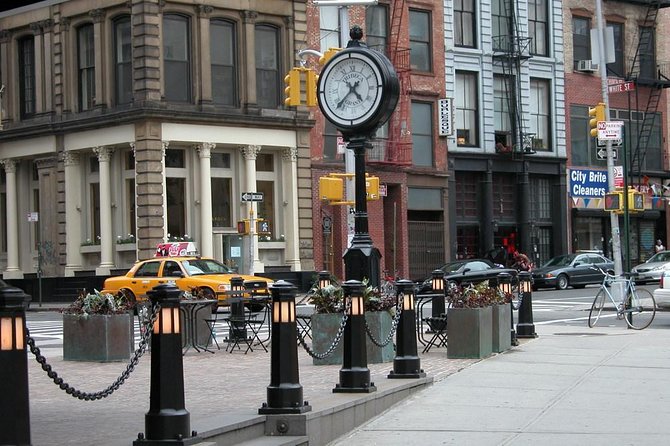
- Study cast-iron architecture and hear how Tribeca changed from farmland and warehouses into a high-priced residential district.
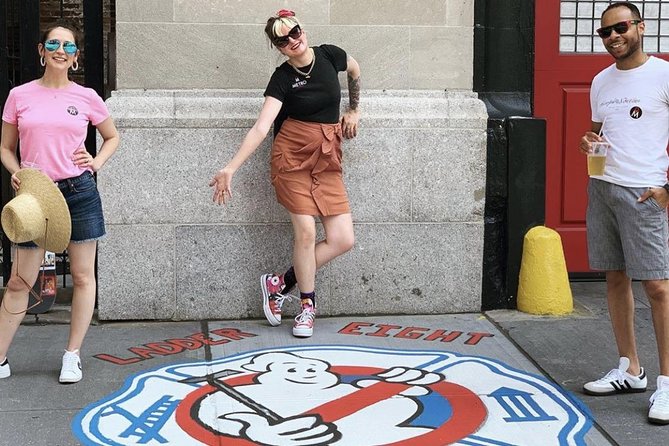
- Stop at the Ghostbusters firehouse, officially Firehouse Company 8, for pictures and a closer look at its real role.
- Finish at Tribeca Park, a place tied to roughly 300 years of neighborhood history.
- Expect a lively, story-led tour that works for architecture fans, first-time visitors, and New Yorkers who think they already know Manhattan.
Why Tribeca Makes Such a Good Walking Tour
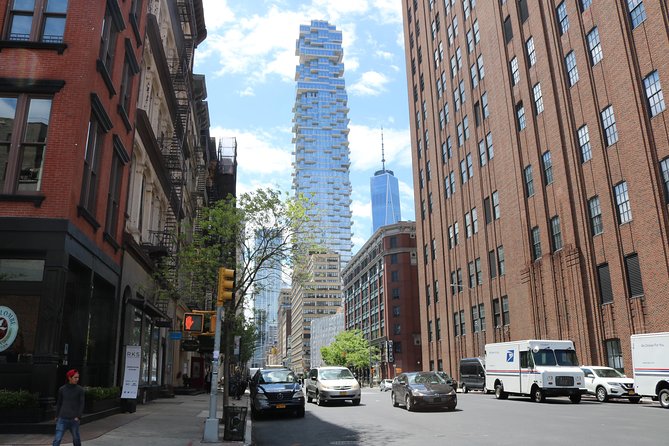
Tribeca is easy to cross on a map, but harder to read at street level. Its name, buildings, courtyards, old commercial blocks, and newer luxury residences tell different parts of the same story. A guide helps you connect those pieces instead of simply pointing out attractive facades.
The neighborhood began far from its current image as a polished celebrity address. The tour explains how the area moved from farmland into the growing city, then became tied to industry, commerce, and the waterfront. Later, old buildings found new uses and Tribeca became a highly sought-after place to live.
That change gives the walk a useful shape. You are not just looking at old buildings. You are watching Manhattan change its purpose over several centuries.
I especially like this format for people who enjoy cities through architecture but do not want a technical lecture. No prior architecture training is needed. The guide uses buildings as a way into stories about work, money, movies, local life, and urban change.
More architecture walks:
- Manhattan Architecture Yacht Cruise
★ 5.0 · 1,395 reviews - NYC: Around Manhattan Official NYC Architecture Cruise
★ 4.8 · 402 reviews - Art Deco and Architecture Midtown Landmarks Tour
★ 5.0 · 142 reviews
Starting at Tweed Courthouse on Chambers Street
The walk begins at Tweed Courthouse, 52 Chambers Street, at 11:00 am. This puts you near Lower Manhattan’s major civic and historic sights, and it gives the tour a clear starting point outside the central Tribeca streets.
The meeting point matters because it is easy to locate near public transportation. Arrive with comfortable shoes and a charged phone for the mobile ticket. The group size is capped at 15 people, which is a useful middle ground: small enough for conversation, but not so intimate that the tour depends entirely on a private booking.
From here, the guide sets up Tribeca’s long story. You learn how the neighborhood got its name and how its role changed as New York expanded. The exact order of the stops may vary, but the walk covers more than 15 places over about two hours, followed by the dedicated firehouse stop.
This is a neighborhood tour, not an inside-access attraction. Much of the value comes from seeing details on the street that you might otherwise pass without noticing.
Cast-Iron Buildings and the Details Above Street Level
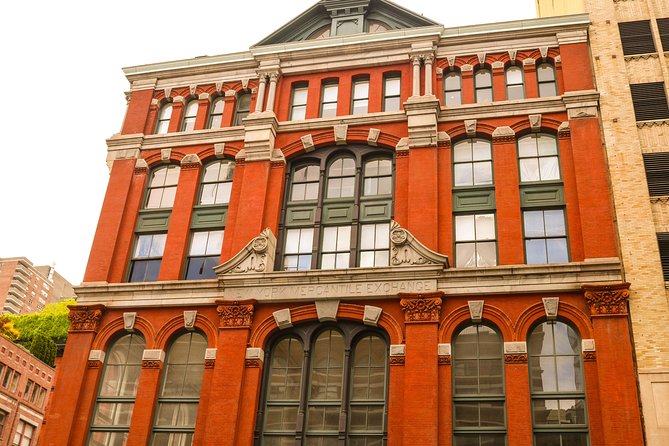
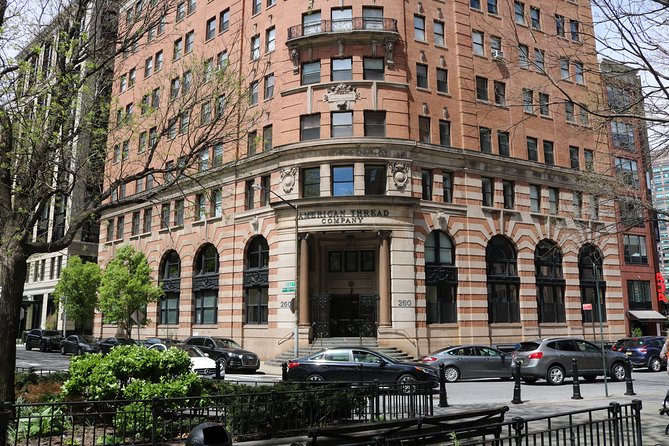
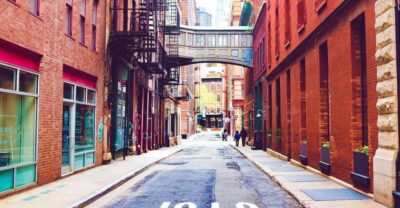
Tribeca is well suited to a walking tour because the architecture rewards slow looking. The area has many older cast-iron buildings, and the guide draws your attention to details that can disappear amid traffic, storefronts, and pedestrians.
You may find yourself looking up at windows, decorative fronts, entrances, and the relationship between neighboring buildings. That is one of the strongest reasons to take the tour rather than walk through Tribeca alone. You can photograph a building on your own, but you are less likely to understand why it looks the way it does or how it fits into the neighborhood’s past.
The tour also includes brave architectural feats and newer changes, giving you a chance to compare old and new forms. That broader view keeps the experience from becoming a parade of historic facades. The focus is on how the neighborhood works as a changing place.
For architecture lovers, this is the heart of the tour. For everyone else, the guide’s stories make the buildings easier to remember. The best guides do not ask you to admire architecture in the abstract. They explain how a building’s design connects to the people and businesses that once used it.
From Farmland to Manhattan’s Wealthiest Zip Code
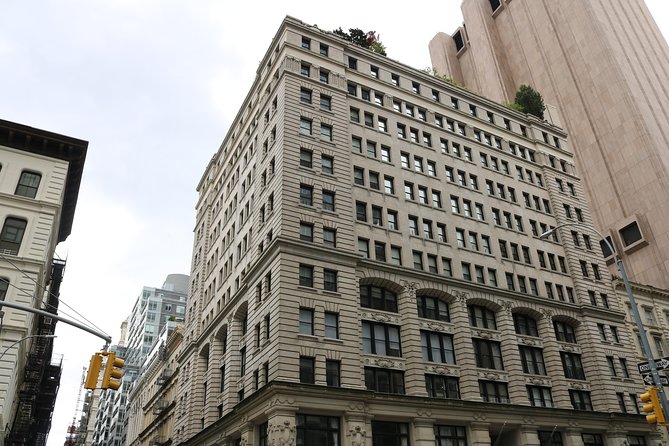
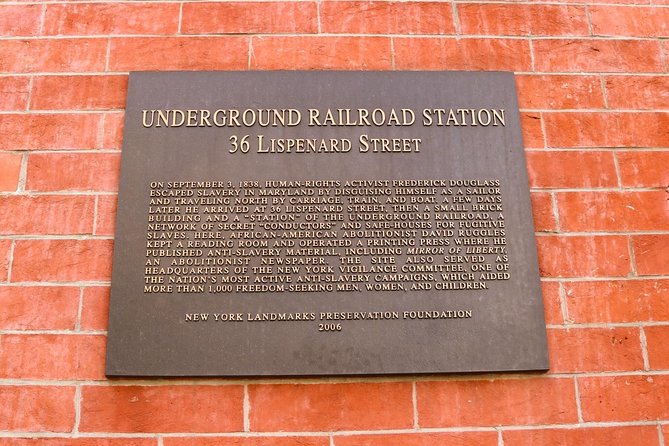
The central story here is one of drastic change. Tribeca was once farmland. Over about 300 years, it became part of a dense commercial city and eventually one of New York’s most expensive residential districts.
The tour gives you a way to understand that shift at street level. You hear how Tribeca got its identity, why its older buildings matter, and how the area gained its present reputation. It is a useful counterpoint to tours that focus only on famous landmarks. Tribeca’s importance comes from the combination of ordinary work, old construction, redevelopment, and changing tastes.
The neighborhood is also associated with celebrities, high property values, restaurants, bakeries, and cafes. Those references help explain its current appeal, but the tour does not treat Tribeca as only a luxury address. The stronger theme is transformation, and that gives the area more depth than its current polished image suggests.
I would pay close attention during this part if you are interested in urban change. You get a compact lesson in how Manhattan neighborhoods can be repurposed without losing every trace of their earlier lives.
More New York City history walks:
- New York City: American Museum of Natural History Ticket
★ 4.5 · 15,447 reviews - NYC: Starship Landmark 90 Minute Sightseeing Cruise
★ 4.6 · 3,666 reviews - Starship Landmark 90 Minute Sightseeing Cruise
★ 4.5 · 2,073 reviews - American Museum of Natural History Admission Ticket
★ 4.0 · 1,931 reviews
The Ghostbusters Firehouse, Beyond the Movie Connection
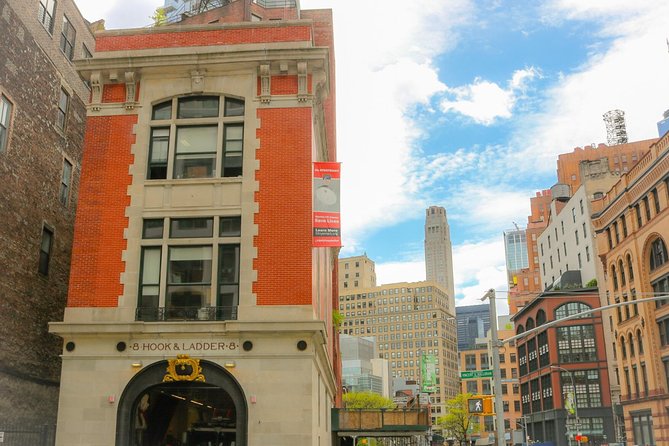
Firehouse Company 8 at 14 North Moore Street is one of the most recognizable stops. It is famous as the exterior of the Ghostbusters headquarters, making it an easy photo opportunity for film fans.
The useful part is that the stop is not treated as only a movie prop. You spend about 10 minutes learning why the firehouse matters as a real working building and hearing how its screen image fits into Tribeca’s identity.
That balance is important. A movie location can feel thin if the only activity is taking a picture and moving on. Here, the pop culture connection is a doorway into a real piece of the neighborhood. Even if you have never watched Ghostbusters, the building offers a memorable pause in the walk.
If you are visiting with a teenager or family member who is less interested in architecture, this stop can add energy. It also gives the tour a change of pace after the concentration required for older buildings and historical detail.
A Guide Who Keeps the History Moving
The guide is a major part of this experience. Meghan Sara is repeatedly identified as a particularly engaging guide, and the tour is designed around lively storytelling rather than dry dates and names. Guide assignments can change, so you should not assume Meghan will lead every departure, but her approach gives you a good sense of the experience’s intended style.
The strongest elements are humor, enthusiasm, local recommendations, and attention to small details. You may hear an unusual side story, a bit of neighborhood folklore, or an unexpected fact such as the question of New York’s beavers. Those details help break up the architectural information.
The guide may also adapt the emphasis to the group. One account describes the tour being adjusted to match the group’s interests, which is valuable on a small-group walk. You can ask questions, request clarification, or spend a little more time on the subjects that interest you most.
The tour also mixes history, architecture, art, and pop culture. That variety keeps the pace from feeling like a classroom. It is particularly helpful if someone in your group loves buildings while another person prefers movies, food, or local stories.
Pace, Breaks, and What the Two and a Half Hours Feel Like
A 2.5-hour walking tour is long enough to cover substantial ground without taking up an entire day. The pace is described as well balanced, with stops for pictures and explanations rather than a nonstop march.
You should still expect to be on your feet for most of the experience. Wear comfortable shoes, especially if you plan to continue exploring afterward. Tribeca’s streets are generally easy to walk, but city sidewalks can be busy and tiring.
The route includes thoughtful pauses. Breaks may be used to warm up, cool down, or find a restroom, depending on the weather and the group’s needs. One guide was also credited with finding lemonade on a very hot day, but you should not treat refreshments as a promised feature.
Bring water. Snacks are not included. Since the tour ends near restaurants, bakeries, and cafes, it makes sense to plan lunch or coffee for afterward. Several local recommendations are built into the experience, making an 11:00 am start useful if you want to eat in Tribeca once the walk ends.
What the Tour Gives You for $50
At $50 per person, this is not the cheapest way to spend a morning in Manhattan. You can walk through Tribeca for free, take pictures for free, and read about individual buildings on your own.
The question is what you want from the visit. The fee pays for a guide who organizes more than 15 locations into a clear story, points out architectural details, answers questions, and adds local suggestions. For visitors with limited time, that structure can be worth more than wandering without context.
The small group cap improves the value. A large group can make a neighborhood walk feel distant, especially when the guide is discussing details above eye level. With no more than 15 people, you have a better chance of hearing the explanation and joining the conversation.
I would recommend the tour most strongly if you care about architecture, Manhattan history, or seeing a neighborhood beyond its headline attractions. It is less appealing if you prefer to explore alone, dislike fixed start times, or want substantial interior access. The listed inclusions are modest: the walking tour and Manhattan recommendation guides. Snacks, drinks, and attraction admissions are not included.
Weather, Accessibility, and Simple Planning
The tour requires good weather. If poor conditions cancel the experience, you are offered another date or a full refund. That policy is helpful, but you should still check the forecast before building your day around the walk.
Free cancellation is available up to 24 hours before the start time. Cancellations or changes made less than 24 hours in advance are not refunded or accepted, so keep the deadline in mind.
Service animals are allowed, and the tour is near public transportation. Most people can participate, but this remains a 2.5-hour city walk, so consider your comfort with standing and walking before booking.
The mobile ticket keeps things simple. Save it where you can reach it quickly, arrive at Tweed Courthouse before 11:00 am, and bring weather-appropriate clothing. A charged phone is also useful for photos and for checking your route after the tour ends.
Ending at Tribeca Park
The route finishes at Tribeca Park, at 8 Beach Street. The park has a history reaching back about 300 years, so the ending ties back to the neighborhood’s earliest period rather than stopping at the most famous movie location.
That is a smart finish. You end in Tribeca itself, with time to continue on foot, find food, or use the guide’s recommendations. The final location also makes the tour feel like a neighborhood introduction rather than a simple point-to-point sightseeing walk.
Because the tour ends in the district, I would schedule it early in your New York visit if possible. You can return later to explore a building, try a cafe, or have lunch in a place the guide pointed out. The experience works best as a starting framework for further wandering.
Who Will Enjoy This Tour Most
This is a good choice for first-time visitors who want to understand Lower Manhattan through one neighborhood. It also suits architecture fans who want to see cast-iron buildings with context, not just take facade photos.
Families can benefit from the varied subject matter. The Ghostbusters firehouse, unusual facts, and animated storytelling give younger participants something to hold onto. The tour also works for longtime New Yorkers. Knowing the city already does not mean you have noticed every detail in Tribeca.
I would be more cautious about booking it for anyone who wants a museum-style experience with extensive indoor access. The walk is mainly outdoors, and its appeal depends on the guide, the streets, and your interest in listening while moving from place to place.
Should You Book the Tribeca Architecture and History Walking Tour?
Book it if you want a focused, story-led look at one of Manhattan’s most changed neighborhoods. The strongest reasons are the small group, the mix of architecture and local history, the lively guiding style associated with Meghan Sara, and the chance to see the real Ghostbusters firehouse in context.
At $50, you are paying for interpretation rather than admission to a landmark. That makes the tour a solid buy for curious visitors and locals who enjoy finding new layers in familiar streets.
Skip it if you want a self-guided stroll, indoor attractions, or a flexible schedule. Otherwise, choose a fair-weather morning, wear good shoes, bring water, and leave room for lunch in Tribeca afterward.
FAQ
How long does the Tribeca Architecture and History Walking Tour last?
The tour lasts approximately 2 hours and 30 minutes.
What time does the tour begin?
The listed start time is 11:00 am.
Where does the tour begin?
It begins at Tweed Courthouse, 52 Chambers Street, New York, NY 10007.
Where does the tour end?
It ends at Tribeca Park, at 8 Beach Street, New York, NY 10013.
How many locations does the walking tour visit?
The tour visits more than 15 locations in Tribeca.
Does the tour include the Ghostbusters firehouse?
Yes. The itinerary includes Firehouse Company 8, known as the Ghostbusters firehouse, with about 10 minutes devoted to the stop.
Is the Ghostbusters firehouse admission included?
There is no admission fee listed for the stop. The experience is a walking tour with a photo opportunity and information about the firehouse.
How much does the tour cost?
The listed price is $50 per person.
Are snacks included?
No. Snacks are not included.
What happens if bad weather cancels the tour?
If poor weather causes cancellation, you are offered a different date or a full refund.
More New York City walking tours
- SoHo, Little Italy, and Chinatown Walking Tour in New York
★ 5.0 · 3,153 reviews - Secrets of Grand Central Station Walking Tour New York City
★ 5.0 · 1,796 reviews - Greenwich Village Walking and Food Tasting Tour
★ 5.0 · 1,572 reviews - Artistic, Alternative Greenwich Village Walking Tour
★ 5.0 · 971 reviews
Just listed around New York City
- NYC: Little Shop of Horrors Off-Broadway Ticket5 reviews
- Private NYC Airport Transfer: LGA to Manhattan – Up to 5★ 3.6 · 5 reviews
- New York City Tour in German★ 4.5 · 5 reviews
- New York: Hamilton and Washington Revolutionary Walking Tour★ 5.0 · 5 reviews
- NYC Freedom Tower Private Photo or Video Experience★ 4.0 · 6 reviews
- New York Afternoon Fall Foliage Cruise with Lunch★ 5.0 · 6 reviews
- Brooklyn Walking Tours by Locals: Private & 100% Personalized★ 4.0 · 6 reviews
- Southold Bay Oyster Farm Tour★ 5.0 · 6 reviews
NYC Architecture Tours, compared.
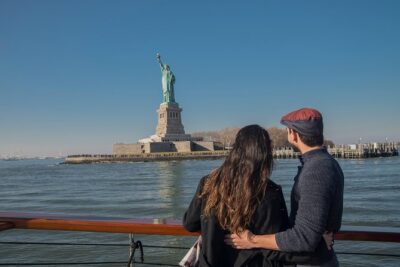

Around Manhattan Official NYC Architecture Cruise
Read our review →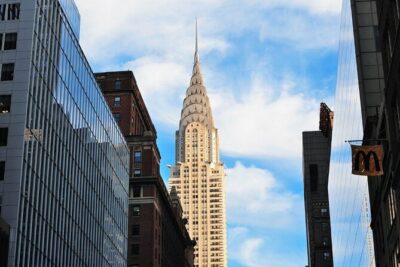
Art Deco and Architecture Midtown Landmarks Tour
Read our review →

Midtown Manhattan Art and Architecture Walking Tour
Read our review →
Browse the lists this tour appears in