

Reviewed · NYC ARCHITECTURE TOURS
TriBeCa Architecture & History Walking Tour
TriBeCa’s biggest surprise is how much of New York’s past is packed into a few walkable blocks. This was once farmland, then an industrial center filled with dry goods warehouses, and now one of the city’s most expensive neighborhoods. The tour connects those changes through buildings, street plans, and stories rather than a string of postcard stops.
I like the focus on architecture with a purpose: you learn why a warehouse looks the way it does and how it later became a luxury residence. I also like the less obvious history, especially TriBeCa’s role in the fight against slavery and the hard-to-find Staple Street sky bridge. The main drawback is that 2.5 hours on city sidewalks can feel long in poor weather, even with two short breaks.
In This Review
- Key points to know before you book
- Why TriBeCa works so well on foot
- The A. T. Stewart Building and New York’s early firsts
- Warehouses that became luxury homes
- The Ghostbusters Firehouse, with more than a movie connection
- The Staple Street sky bridge is worth finding
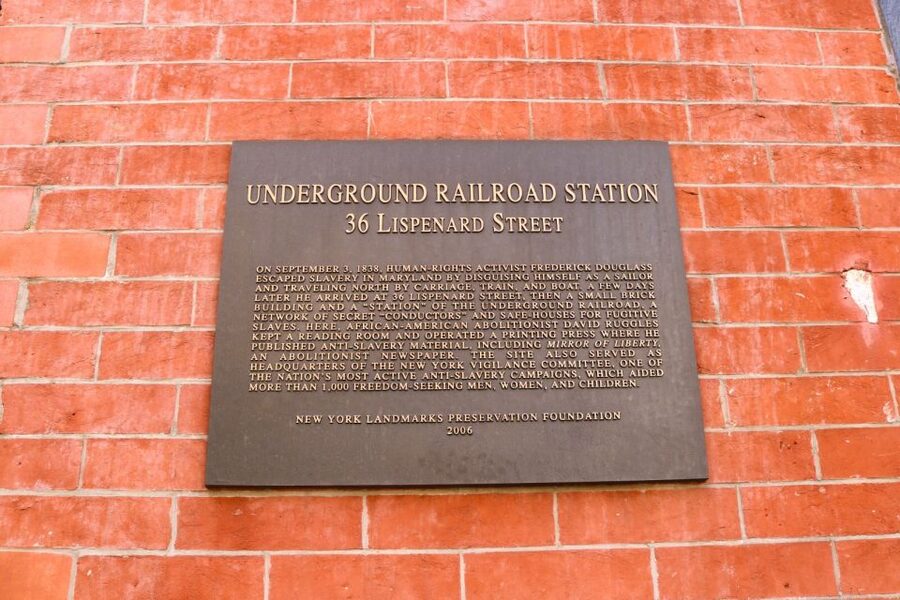
- TriBeCa’s history in the fight against slavery
- Meghan’s guiding style and what you can expect
- What $40 buys you in New York
- Who should book this walk
- Booking flexibility and practical planning
- Should you book the TriBeCa Architecture & History Walking Tour?
- FAQ
- How long is the TriBeCa Architecture & History Walking Tour?
- Where does the tour meet?
- What language is the tour conducted in?
- Is the tour wheelchair accessible?
- What should I bring?
- What happens if the weather becomes too severe?
- Can I cancel for a full refund?
Key points to know before you book
- Farm to industrial hub: Follow TriBeCa’s change from open countryside to a major 19th-century business district.
- Buildings tell the story: See landmarks such as the A. T. Stewart Building and the Frederick Hotel while learning about New York’s architectural firsts.
- Pop culture with context: Visit the Ghostbusters Firehouse and hear the story behind its fame.
- A rare photo stop: Find the Staple Street sky bridge, one of the neighborhood’s easiest attractions to miss.
- Strong guide-led experience: Guides including Meghan and Meghan Sara bring humor, detail, and room for questions.
- Useful local tips: Get suggestions for affordable brunch, hidden Manhattan speakeasies, and good photo spots.
Why TriBeCa works so well on foot

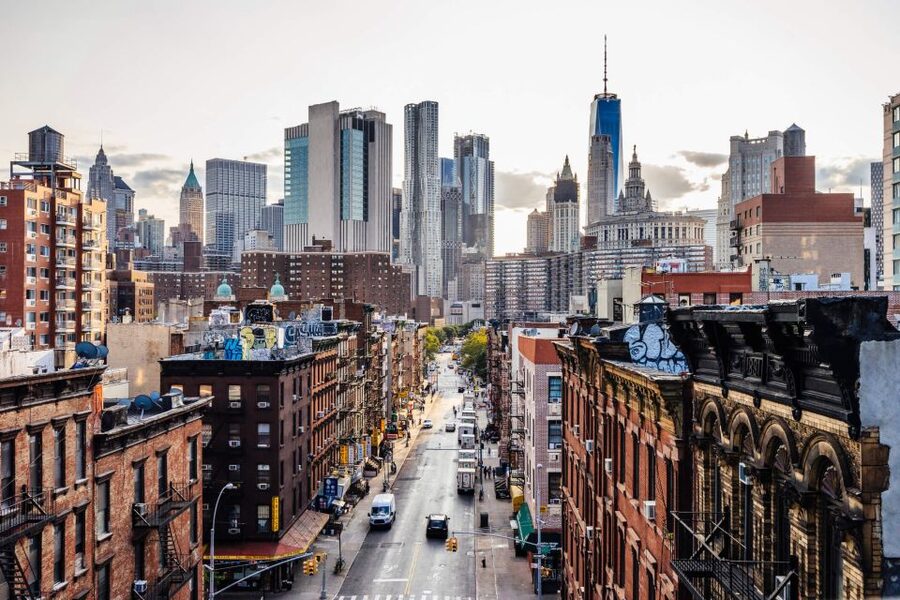
TriBeCa is not a neighborhood you understand from a taxi window. Its character is in the old facades, loading bays, narrow streets, and changes in building height. Walking lets you stop often enough to compare one block with the next.
The tour begins at TriBeCa’s southern edge and moves north. That direction gives the outing a clear story. You are not simply collecting buildings. You are watching the neighborhood change as the guide explains how land once used for farming became part of New York’s working core.
The meeting point is marked by a black Metro Tours umbrella. It is close to several subway options: the 4, 5, 6, J, and Z trains at Brooklyn Bridge City Hall, the R and W at City Hall, and the 2 and 3 at Park Place. Give yourself a little time to find the umbrella, since downtown subway exits can put you on different corners.
Wear shoes you can walk in for a full morning. The tour runs rain or shine, so bring clothing suited to the forecast. Sunscreen and an umbrella may matter more than you expect. If the weather turns too severe, you will be contacted by email, phone, or text with the option to rebook or receive a full refund.
More architecture walks:
- Manhattan Architecture Yacht Cruise
★ 5.0 · 1,395 reviews - NYC: Around Manhattan Official NYC Architecture Cruise
★ 4.8 · 402 reviews - Art Deco and Architecture Midtown Landmarks Tour
★ 5.0 · 142 reviews
The A. T. Stewart Building and New York’s early firsts
One of the useful features of this walk is its attention to buildings that helped establish modern New York. The A. T. Stewart Building gives the guide a chance to explain the city’s early commercial growth and the role of large retail and warehouse structures.
You will hear about the firsts connected with the neighborhood and see how architecture reflected changing business needs. That is more useful than simply being told a building is old. Look for the practical clues in the facade and street layout, then connect them to the goods moving through the district.
The tour also includes the Frederick Hotel. Its place in the route helps show that TriBeCa’s identity was never fixed. Buildings and businesses changed as the neighborhood changed around them. A former commercial district could later become a sought-after residential area without losing every trace of its working past.
This is where a good guide makes a real difference. Meghan has been praised for explaining air rights, historical events, and architectural styles in a way that remains lively. If those subjects sound dry on paper, an engaging guide can turn them into answers to simple questions: Why is this building shaped that way? Who used it? What could developers build above it?
Warehouses that became luxury homes
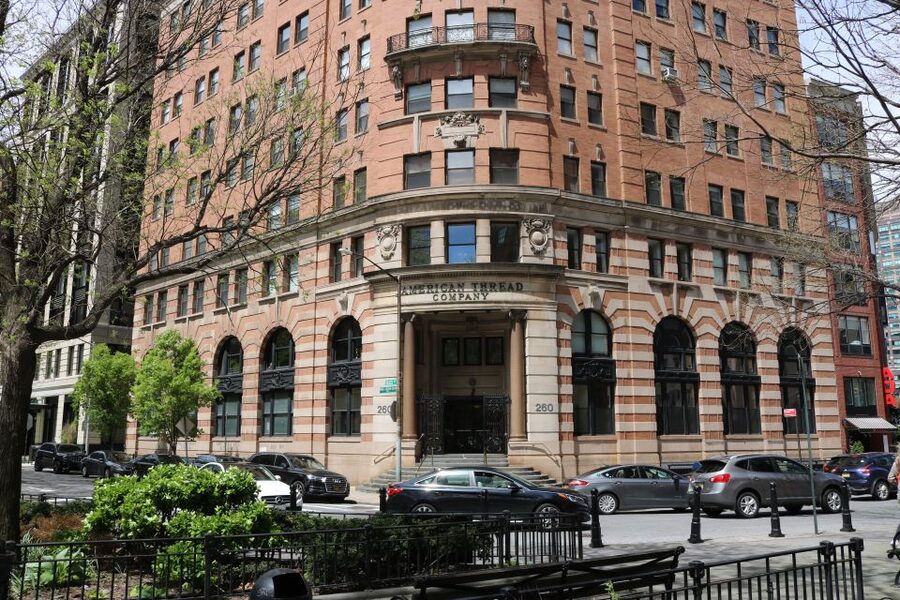
TriBeCa is famous for its old warehouse buildings, but the important point is not just their age. These structures reveal how New York reused its city center as work moved, industries changed, and demand for housing grew.
The tour examines buildings that shifted from dry goods warehouses to luxury residences. That change tells you two stories at once. First, it shows the strength of the original construction and the usefulness of the large interior spaces. Second, it shows how sharply the neighborhood’s social and economic role changed.
I find this part especially helpful for understanding TriBeCa today. The polished residential image can hide the district’s industrial past. When you look at a handsome loft building after hearing what it once stored and supported, the neighborhood feels less like a fashionable address and more like a working piece of New York.
The guide also explains how newer buildings helped change TriBeCa. You will not only look backward. The route considers the tension between preservation and new construction, including how modern additions fit into a district known for old brick and stone.
Do not expect a museum-style visit with interiors at every stop. Much of the value comes from looking carefully at exteriors while the guide supplies the context. If you prefer grand interiors, ticketed attractions, or long periods inside, this may feel less satisfying. If you enjoy reading a city through its streets, it is a strong format.
The Ghostbusters Firehouse, with more than a movie connection
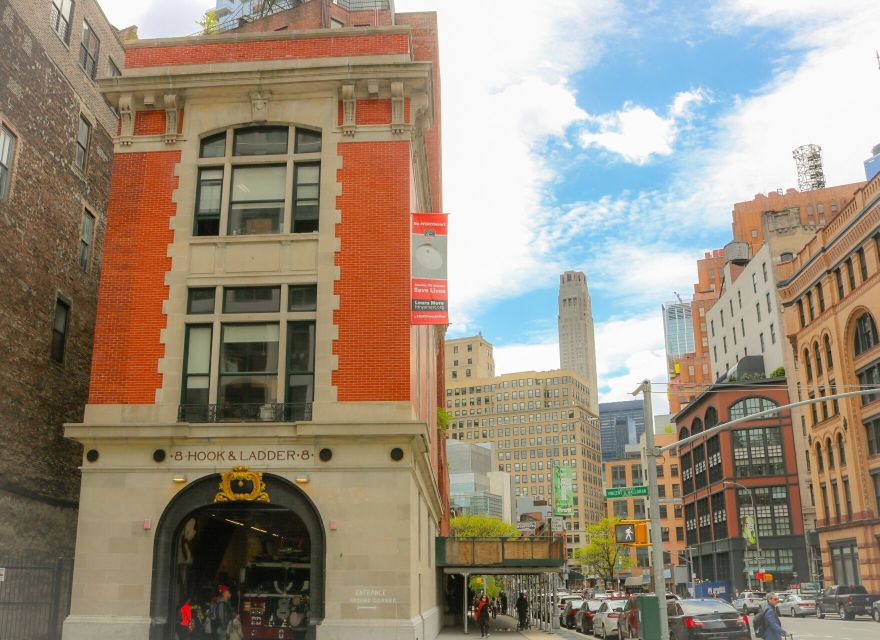
The Ghostbusters Firehouse is the tour’s most obvious pop-culture stop. It is also a good example of how a familiar image can bring you into a less familiar neighborhood.
You will learn the story behind the firehouse and why it became known around the world. The stop offers an easy visual anchor, but the tour does not appear to rely on movie trivia alone. It places the building within the wider story of TriBeCa and its streets.
That balance matters. A quick photo outside the firehouse is easy to arrange on your own, but a guide can help you see why the location works so well on screen and how it fits the district’s older architecture. It is a pleasant moment for film fans, families, and anyone who wants a lighter stop between more serious historical subjects.
The firehouse is not the reason to book the entire tour by itself. Think of it as one memorable piece in a broader walk about New York’s development.
More New York City history walks:
- New York City: American Museum of Natural History Ticket
★ 4.5 · 15,447 reviews - NYC: Starship Landmark 90 Minute Sightseeing Cruise
★ 4.6 · 3,666 reviews - Starship Landmark 90 Minute Sightseeing Cruise
★ 4.5 · 2,073 reviews - American Museum of Natural History Admission Ticket
★ 4.0 · 1,931 reviews
The Staple Street sky bridge is worth finding
The Staple Street sky bridge is one of the route’s best surprises because it is easy to miss if you do not know where to look. This unusual connection between buildings creates a strong photo opportunity and gives the guide another chance to explain how TriBeCa’s buildings relate to one another.
For you, the value is partly practical. A guide saves you from spending time searching for an attraction that is not obvious from the main tourist paths. The stop also breaks up the rhythm of facades and dates with a structure that looks unusual at street level.
Expect this to be a viewing and photography stop rather than a visit inside the bridge. The attraction is its position above the street and the way it joins two buildings. Bring your camera, but keep your expectations realistic: the tour does not promise exclusive access or a private photo session.
TriBeCa’s history in the fight against slavery
The tour’s least visible subject may be its most important. TriBeCa played a role in the fight against slavery in the 19th century, and the walk explores this part of the neighborhood’s past.
This is the kind of history that can disappear when you focus only on famous buildings. A street may look quiet and residential now, yet its earlier residents, businesses, and meeting places could connect it to major national conflicts. The tour makes that invisible history part of the neighborhood story.
I appreciate this inclusion because it keeps the experience from becoming only an architecture walk. You see handsome buildings, but you also learn about the people and political struggles tied to the area. For a first visit to New York, that wider frame is valuable. It reminds you that the city’s wealth and design were linked to difficult questions about labor, commerce, freedom, and power.
The subject may not suit someone looking for a light sightseeing stroll with no serious history. For most people, though, it adds depth without requiring a separate museum visit.
Meghan’s guiding style and what you can expect
The strongest part of the experience is the guide-led storytelling. Meghan has been described as funny, energetic, patient, and very well prepared. She is also noted for answering questions and pointing out small details that are easy to overlook.
Another guide name connected with the experience is Meghan Sara. The exact guide for your departure can vary, but the feedback gives a clear picture of the style to expect: an outgoing presentation, plenty of background, and an effort to make the buildings feel alive rather than simply listing dates.
Several people have found the tour so absorbing that they wished it lasted longer. That is a compliment, but it also tells you something about the pace. Two and a half hours gives the guide room to explain the area, yet the route may feel full if you want to stop for many photos or ask long questions at every location.
Two short breaks are included, which helps. Still, you should plan on being outdoors and on your feet for most of the morning. There is no promise of a large meal stop, so eat beforehand if you need a substantial breakfast.
What $40 buys you in New York
The price is $40 per person. For a two-and-a-half-hour guided walk in Manhattan, I consider that fair if you care about architecture, urban history, or seeing a neighborhood beyond its headline attractions.
You are paying for a certified New York City guide and a carefully connected story, not admission to a building or a major viewpoint. There are no observation-deck panoramas, museum galleries, or included meals. The payoff is interpretation: someone helps you notice why TriBeCa looks the way it does and how its past shaped New York.
The value is strongest early in your trip. A walk like this can give you a better sense of downtown streets before you explore other attractions on your own. The included suggestions for affordable brunch, Manhattan speakeasies, and photo locations may also help you plan the rest of your visit.
It is less useful if you have little interest in architecture or already know TriBeCa well. In that case, you may prefer to spend $40 on an admission ticket or a more panoramic activity. But for a focused neighborhood walk, the price is sensible.
Who should book this walk
I would choose this tour for first-time New York visitors who want more than famous viewpoints. It suits adults, older children, architecture fans, history students, film fans, and anyone who likes to understand how a neighborhood changed over time.
It is also a good pick for repeat visitors. TriBeCa is easy to pass through without grasping its full story, and the route highlights details you may not notice alone.
The walk is wheelchair accessible, which makes it practical for more visitors, though the experience still takes place outdoors on city streets. Check current conditions and contact the provider if you need specific route details before booking.
You may want another activity if your priority is shopping, indoor sightseeing, or a relaxed outing with very little walking. The tour is also weather dependent in a practical sense, even though it goes out in rain. A cold, wet morning will affect your enjoyment, so dress for it.
Booking flexibility and practical planning
You can cancel up to 24 hours in advance for a full refund. The reserve-now, pay-later option lets you hold a place without paying immediately, which is useful when your New York schedule is still shifting.
The tour is usually offered in the morning and is conducted in English. Plan your subway arrival carefully, then look for the black Metro Tours umbrella at the meeting point.
Afterward, you will already be downtown and well placed to continue exploring Lower Manhattan. The tour itself does not include brunch, but the guide provides recommendations for places where you can eat without spending too much. That makes the morning timing handy, especially if you want to follow the walk with food and more sightseeing.
Should you book the TriBeCa Architecture & History Walking Tour?
Book it if you want New York explained at street level. The combination of industrial buildings, the Ghostbusters Firehouse, the Staple Street sky bridge, modern development, and TriBeCa’s connection to the fight against slavery gives the walk more range than a basic photo tour.
I would be especially glad to have Meghan or Meghan Sara leading it, based on the warm, lively style associated with their tours. Just bring good shoes, allow for weather, and understand that the main attraction is the guide’s explanation of what you are seeing.
Skip it if you want indoor attractions, sweeping skyline views, or a short outing with little walking. For everyone else, $40 buys a useful introduction to one of Manhattan’s most changed and most misunderstood neighborhoods.
FAQ
How long is the TriBeCa Architecture & History Walking Tour?
The tour lasts 2.5 hours and is usually available in the morning.
Where does the tour meet?
Look for the black Metro Tours umbrella. The nearest subway stations are Brooklyn Bridge City Hall for the 4, 5, 6, J, and Z trains, City Hall for the R and W, and Park Place for the 2 and 3 trains.
What language is the tour conducted in?
The live guided tour is conducted in English.
Is the tour wheelchair accessible?
Yes, the activity is listed as wheelchair accessible.
What should I bring?
Bring comfortable shoes and weather-appropriate clothing. Since the tour operates rain or shine, sunscreen, an umbrella, or other weather gear may be useful.
What happens if the weather becomes too severe?
If conditions become too inclement, you will be contacted by email, phone, or text. You can then choose to rebook or receive a full refund.
Can I cancel for a full refund?
Yes. You can cancel up to 24 hours in advance for a full refund.
More New York City walking tours
- SoHo, Little Italy, and Chinatown Walking Tour in New York
★ 5.0 · 3,153 reviews - Secrets of Grand Central Station Walking Tour New York City
★ 5.0 · 1,796 reviews - Greenwich Village Walking and Food Tasting Tour
★ 5.0 · 1,572 reviews - Artistic, Alternative Greenwich Village Walking Tour
★ 5.0 · 971 reviews
Just listed around New York City
- NYC: Little Shop of Horrors Off-Broadway Ticket5 reviews
- Private NYC Airport Transfer: LGA to Manhattan – Up to 5★ 3.6 · 5 reviews
- New York City Tour in German★ 4.5 · 5 reviews
- New York: Hamilton and Washington Revolutionary Walking Tour★ 5.0 · 5 reviews
- NYC Freedom Tower Private Photo or Video Experience★ 4.0 · 6 reviews
- New York Afternoon Fall Foliage Cruise with Lunch★ 5.0 · 6 reviews
- Brooklyn Walking Tours by Locals: Private & 100% Personalized★ 4.0 · 6 reviews
- Southold Bay Oyster Farm Tour★ 5.0 · 6 reviews
NYC Architecture Tours, compared.
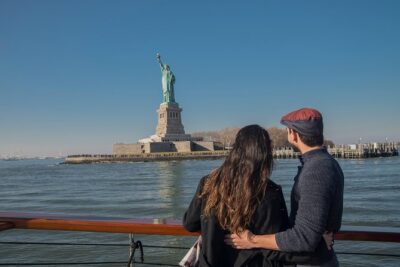

Around Manhattan Official NYC Architecture Cruise
Read our review →
Art Deco and Architecture Midtown Landmarks Tour
Read our review →
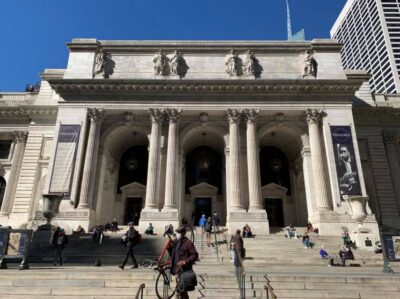


Midtown Manhattan Art and Architecture Walking Tour
Read our review →
Browse the lists this tour appears in