Reviewed · WALKING TOURS
Dutch Lower Manhattan Private Walking Tour
The Dutch story of New York begins with streets you may already know, but this walk asks you to see them differently. Over about two hours, guide Ann McDermott connects the Battery, Bowling Green, Wall Street, and Maiden Lane to Dutch settlement, Fort Amsterdam, Peter Stuyvesant, the Roosevelt family, and the city’s food traditions.
I like the private format, which gives you room to ask questions and adjust the conversation. I also like the relaxed, conversational tone described by past participants, including Ann’s willingness to talk about building signs and other details beyond the main Dutch theme. The main drawback is clear: Lower Manhattan has preserved few visible remains of its earliest Dutch period, so much of the tour depends on storytelling rather than surviving structures.
In This Review
- Key points to know before you book
- Why Dutch Lower Manhattan is worth your afternoon
- Starting at South Ferry and the Battery
- Bowling Green, Fort Amsterdam, and the first church
- Wall Street and Peter Stuyvesant’s strict side
- Passing the Federal Reserve Bank on the way to Maiden Lane
- Ending at the Roosevelt family site on Maiden Lane
- What the private format changes
- Who will enjoy this walk most
- My take on the guide and the tone
- Should you book Dutch Lower Manhattan Private Walking Tour?
- FAQ
- How long does the Dutch Lower Manhattan Private Walking Tour last?
- What time does the tour start?
- Where does the tour begin?
- Where does the tour end?
- What language is the tour offered in?
- Is this a private tour?
- What locations are included?
- Is there an admission fee for the stops?
- What happens if the weather is poor?
Key points to know before you book
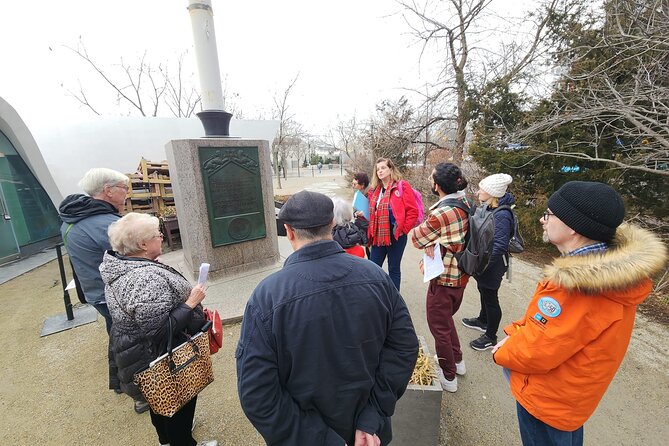
- Dutch New York takes center stage: The walk explains how Dutch ideas and customs still affect the city.
- Four main stops shape the route: You’ll visit the Staten Island Ferry area, Bowling Green, Wall Street, and the Federal Reserve Bank before ending on Maiden Lane.
- Ann McDermott leads the tour: She offers the tour in English and encourages a conversational exchange.
- The group is private: Only your own party participates, allowing more personal attention and flexibility.
- It is an easy-to-understand history walk, not a museum visit: Admission to the stops is free, and the evidence is mainly found in streets, plaques, and discussion.
- Plan for two hours on foot: A moderate level of fitness is recommended, and the tour requires good weather.
Why Dutch Lower Manhattan is worth your afternoon
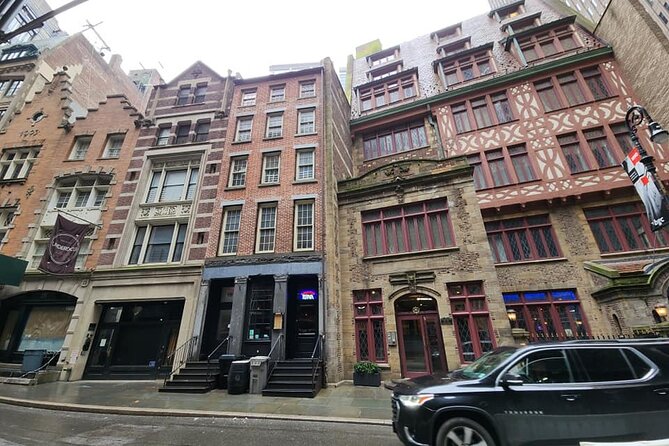
New York often tells its story through skyscrapers, finance, immigration, and Broadway. This walk goes further back, to the Dutch period that helped shape the city before it became English-speaking and globally famous.
I like this approach because the tour does not treat Dutch New York as a sealed-off chapter. Ann’s route connects Dutch settlement to later American life, including the Roosevelt family and food traditions. That gives the walk a wider purpose. You are not simply ticking off old locations. You are considering how an early colonial culture can continue to influence the way a city sees itself.
The route also works well for visitors with Dutch ancestry. You may find it especially worthwhile if you want more than a general overview of New York and would like to examine one particular thread in the city’s past.
Still, you should set realistic expectations. Lower Manhattan does not offer a long row of intact Dutch buildings or a perfectly preserved colonial quarter. The visible evidence can be modest. One account describes limited maintenance around a place where ruins could be viewed through plexiglass, along with plaques that were not always present or well kept. The tour’s value comes from interpretation and context, not from a large collection of preserved monuments.
More New York City walking tours:
- SoHo, Little Italy, and Chinatown Walking Tour in New York
★ 5.0 · 3,153 reviews - Secrets of Grand Central Station Walking Tour New York City
★ 5.0 · 1,796 reviews - Greenwich Village Walking and Food Tasting Tour
★ 5.0 · 1,572 reviews
Starting at South Ferry and the Battery
The meeting point is South Ferry Terminal, New York, 10004, with a scheduled start at 3:00 p.m. The walk begins near the Staten Island Ferry, where Ann gives you an orientation to Dutch New York and explains why this part of the city’s past still affects how New Yorkers view the world.
The first stop lasts about 30 minutes. There is no admission charge, and the setting gives the tour a useful opening point: you begin at the southern edge of Manhattan, where the city’s early development can be discussed in relation to the Battery and the harbor.
The Battery matters here as a place connected with Dutch history. You will hear why this part of Lower Manhattan was important to the early settlement and how the Dutch story fits into the city’s wider identity.
I appreciate beginning with an orientation instead of rushing straight into dates and names. A good opening gives you a map in your head, and that matters in Lower Manhattan, where streets and districts can blur together. Ann’s introduction also sets up one of the tour’s main ideas: Dutch influence is not only about old walls. It is also about cultural habits and ways of thinking that continued after the city changed hands.
Because the tour starts beside a busy transportation hub, you should arrive with enough time to find South Ferry Terminal. The meeting point is specific, but the area can feel hurried, especially if you are watching ferry traffic or navigating public transportation.
Bowling Green, Fort Amsterdam, and the first church
From South Ferry, the walk continues to Bowling Green. This stop lasts about 30 minutes and focuses on the Dutch marketplace and Fort Amsterdam, including the site associated with the first church in New York City.
Bowling Green is a useful place to discuss how trade, defense, religion, and daily life met in the early settlement. The subject is not just a military fort. You will also consider the marketplace that served the growing community and the role of a church in the first stages of New York’s development.
This is the kind of stop where the setting may not explain itself. Modern Lower Manhattan can make it hard to picture an earlier settlement, so Ann’s commentary does much of the work. She helps connect the current street plan with the uses that once shaped the area.
I would pay attention to the contrast between what you can see and what you have to imagine. If you want a tour filled with intact interiors and restored rooms, this will not meet that expectation. If you enjoy standing in a modern city and thinking about the earlier activity beneath its streets, the stop has more appeal.
The tour also allows room for questions. A past participant described the experience as part history lesson and part conversation, with Ann discussing signs and buildings that caught the group’s attention. That flexibility is useful here because you may notice something outside the planned Dutch theme and want to ask about it.
Wall Street and Peter Stuyvesant’s strict side
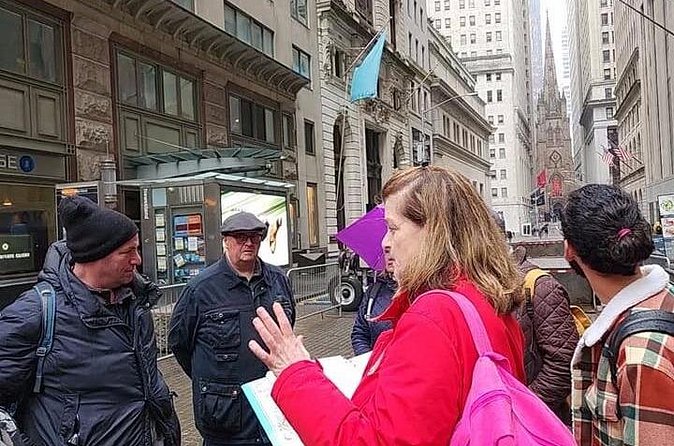
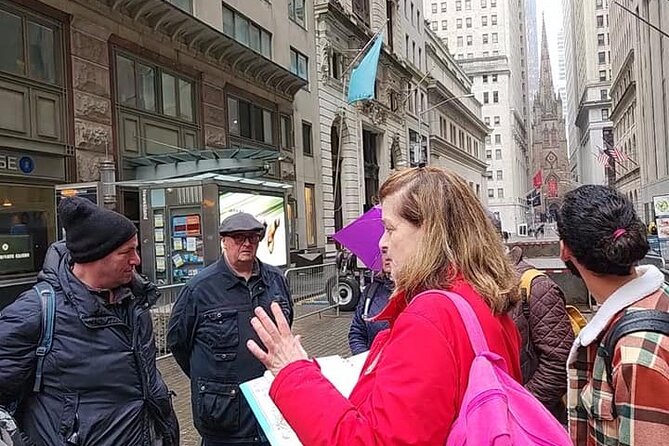
Wall Street is the next 30-minute stop. Ann explains why the wall was built and brings Peter Stuyvesant into the story, including his wish that people would stop drinking.
That detail gives the discussion a human scale. Stuyvesant can easily become a name in a textbook, but the reference to drinking shows the sort of everyday behavior that shaped civic concerns. It also helps keep the tour from becoming a string of dry dates.
The wall itself gives the stop its main focus. You will learn about its purpose and how that defensive feature became part of the name of one of the world’s best-known financial streets.
I like this section because it puts modern Wall Street in a longer frame. Today, the name suggests banks, markets, and global finance. On this walk, you pause to consider the earlier physical boundary and the Dutch administration behind it.
There is also a practical advantage to using Wall Street as a history stop. It is easy to reach by public transportation, and the route stays within a compact section of Lower Manhattan. You still need moderate physical fitness, but this is a two-hour walking experience rather than a full-day march across the city.
Do not expect the wall to appear as a fully restored barrier. As with other parts of the tour, the story is likely to be stronger than the surviving structure. Ann’s preparation and ability to explain the location are important reasons to choose this experience.
A few more New York City picks to weigh up
- Private Central Park Pedicab Tour
★ 5.0 · 6,981 reviews - Private Transfer from Manhattan to NYC Airports (JFK/EWR/LGA)
★ 3.5 · 1,683 reviews - New York City: Private Central Park Pedicab Tour
★ 4.9 · 1,637 reviews - Carriage Ride in Central Park (VIP – PRIVATE) Since 1964™
★ 4.0 · 1,074 reviews
Passing the Federal Reserve Bank on the way to Maiden Lane
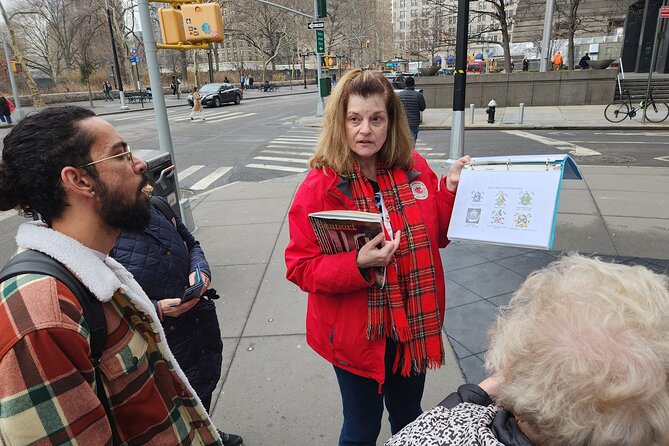
The fourth part of the route takes you past the Federal Reserve Bank of New York. The bank is not listed as a formal admission stop, but it provides a useful landmark on the way to Maiden Lane.
Here, the conversation shifts toward the Roosevelt families and the Dutch effect on food. That change of subject is one of the tour’s more interesting features. You move from walls and forts to the way historical influence can survive through family connections, public life, and everyday eating habits.
The Roosevelt topic broadens the tour beyond the earliest settlement. You will consider the family’s impact on American life while still keeping the Dutch thread in view. The food discussion offers another accessible way to think about cultural influence. You do not need to be an expert in colonial history to understand why familiar foods and customs can carry traces of earlier communities.
Ann also appears to welcome questions about subjects that arise along the route. One past participant specifically appreciated her interest in learning from the group, including help with the Dutch language. That points to a friendly, two-way style rather than a rigid speech delivered without pause.
The Federal Reserve Bank stop also gives you a moment to compare old and modern New York. A route that begins with a Dutch fort and marketplace eventually passes one of the city’s major financial institutions. The contrast makes the city’s long development easier to grasp.
Ending at the Roosevelt family site on Maiden Lane
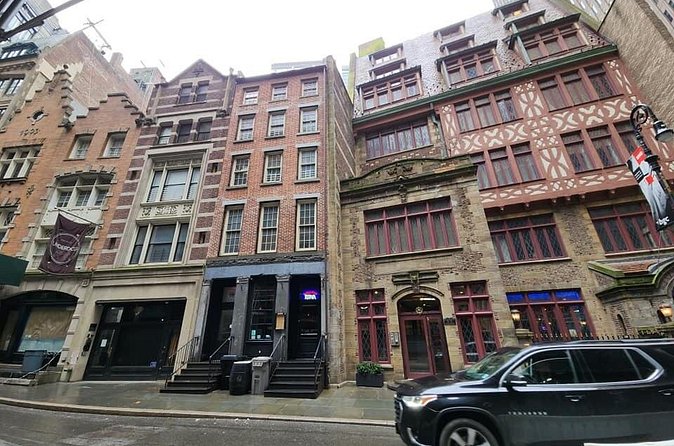
The tour ends at 94 Maiden Lane, near Pearl Street, at the former business site of the Roosevelt family. This is the final destination and gives the walk a specific endpoint rather than simply finishing somewhere in the financial district.
Maiden Lane is a fitting close because the conversation about the Roosevelt family leads directly into the place associated with their business. You finish with a clear connection between an American family, Lower Manhattan commerce, and the Dutch thread that runs through the tour.
The end point can also help you plan the rest of your afternoon. You will be in Lower Manhattan, close to other areas of interest and public transportation, though no additional stops are included in the tour itself.
I like ending at a business site rather than returning to the starting point. A point-to-point walk feels efficient, and you do not spend the final minutes retracing streets. Just remember that this is not a loop, so plan your next activity from Maiden Lane rather than from South Ferry.
What the private format changes
This is a private activity, so only your group participates. That matters more on a history walk than it might on a simple sightseeing route. You can ask why a particular street matters, pause over a plaque, or steer the conversation toward Dutch ancestry, food, architecture, or family history.
The private setup also supports a moderate pace. You are not trying to keep up with a large group or waiting for a guide to gather everyone at each corner. The exact amount of flexibility will depend on your party and the guide, but the format is designed for personal attention.
The main strength is conversation. Ann has been described as friendly, well prepared, and willing to discuss facts beyond the central theme. That is useful if you prefer asking questions to listening silently.
The tradeoff is price. The tour costs $40 per person, and admission to the stops is free. You are paying mainly for the guide’s preparation, time, interpretation, and private access to the conversation, not for tickets or a major attraction.
At that price, I see good value for a couple, family, or small group with a real interest in Dutch New York. It is less compelling if you only want a quick orientation to Lower Manhattan or hope to enter historic buildings. The value depends on how much you enjoy guided context.
The experience is booked an average of 47 days ahead, which suggests you should not leave it until the last moment if the 3:00 p.m. start suits your plans. Confirmation is sent within 48 hours of booking, subject to availability.
Who will enjoy this walk most
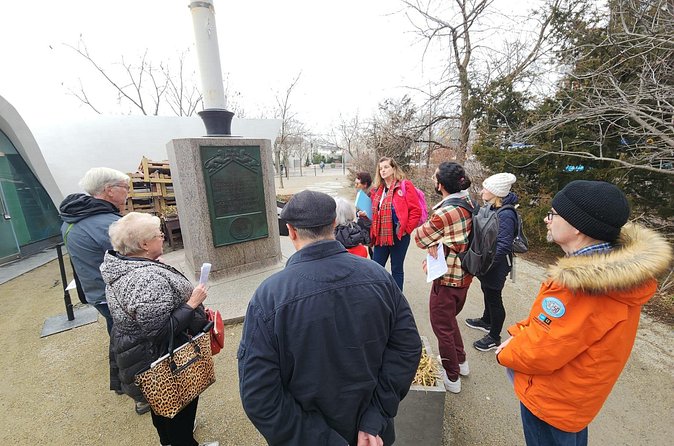
I would choose this tour for:
- People with Dutch ancestry who want a focused look at New York’s origins
- History buffs who enjoy connecting current streets with earlier uses
- Visitors who prefer a private guide to a large group
- Curious walkers who like asking questions and following side details
- Repeat New York visitors looking for a theme beyond the usual landmarks
You may want another type of tour if your priority is a large number of surviving colonial buildings, indoor exhibits, or formal museum displays. The walk includes no admission tickets, and the historic remains are limited. You will learn through place, explanation, and discussion.
The two-hour length is another plus. It is long enough to cover four main areas without taking over your day. At the same time, you should expect to be on your feet and moving through city streets. A moderate level of physical fitness is recommended.
The tour is offered in English. Service animals are allowed, and the route is near public transportation. It requires good weather, so a poor-weather cancellation may result in another date or a full refund. You can cancel for a full refund up to 24 hours before the start time, but changes or cancellations made less than 24 hours ahead are not accepted.
My take on the guide and the tone
Ann McDermott is the key to this experience. The walk needs a guide who can make limited physical remains meaningful, and Ann’s style appears to rely on preparation, conversation, and a willingness to follow the group’s questions.
I especially like the reported balance between Dutch subjects and the surrounding city. If a building, sign, or plaque catches your eye, the conversation does not have to stop at the official theme. That can make the walk feel more like exploring with an informed local than listening to a fixed recording.
A colleague named Beth has also joined one tour, so another guide may occasionally be part of the experience. Beth’s presence is not guaranteed, but it shows that the tour can include more than one guide in some circumstances.
The tone sounds casual rather than academic. You will still receive prepared historical information, but the experience leaves room for conversation and personal interests. If you prefer a tightly scripted presentation, you may find this less predictable. I see that as a benefit for most people booking a private walk.
Should you book Dutch Lower Manhattan Private Walking Tour?
Book it if you want a focused, personal introduction to the Dutch roots of New York and you are happy to learn from streets, landmarks, plaques, and a guide’s explanation. The $40 price is reasonable for a private two-hour experience, especially for people with Dutch family connections or a strong interest in early New York.
Skip it if you need a large number of preserved ruins, indoor access, or admission to historic buildings. The physical evidence is limited, and the tour cannot change that. But if you enjoy thoughtful walking, old city maps in your imagination, and a guide who can turn ordinary corners into useful history lessons, this is a smart addition to a Lower Manhattan visit.
FAQ
How long does the Dutch Lower Manhattan Private Walking Tour last?
The tour lasts approximately two hours.
What time does the tour start?
The scheduled start time is 3:00 p.m.
Where does the tour begin?
It begins at South Ferry Terminal, South Ferry Terminal, New York, NY 10004, USA.
Where does the tour end?
It ends at 94 Maiden Lane, New York, NY 10038, near Pearl Street, at the former business site of the Roosevelt family.
What language is the tour offered in?
The tour is offered in English.
Is this a private tour?
Yes. Only your group participates in the activity.
What locations are included?
The route includes the Staten Island Ferry area, the Battery, Bowling Green, Wall Street, the Federal Reserve Bank of New York area, and Maiden Lane.
Is there an admission fee for the stops?
Admission tickets are listed as free for the scheduled stops.
What happens if the weather is poor?
The experience requires good weather. If it is canceled because of poor weather, you will be offered a different date or a full refund.
Just listed around New York City
- Gangs and River Pirates of New York Walking Tour★ 5.0 · 3 reviews
- Statue of Liberty Ellis Island Cruise with One World Trade Ticket★ 4.0 · 3 reviews
- New York: Private 2-Hour City Tour by Jeep★ 5.0 · 3 reviews
- Central Park Bike Rentals★ 4.5 · 3 reviews
- Private Guided Tour Of The Upper West Side★ 3.5 · 3 reviews
- NYC : Big Apple City Lights & Broadway Express Tour 40 Mins★ 3.1 · 3 reviews
- Vegan Food tour in New York City´s East Village★ 5.0 · 3 reviews
- Guided Economy Pedicab Tour in Central Park★ 3.5 · 3 reviews
Walking Tours, compared.

SoHo, Little Italy, and Chinatown Walking Tour in New York
Read our review →
Secrets of Grand Central Station Walking Tour New York City
Read our review →
Greenwich Village Walking and Food Tasting Tour
Read our review →
Artistic, Alternative Greenwich Village Walking Tour
Read our review →
True Crime NYC: Mafia Walk w/Ret. NYPD Detective and Local Food
Read our review →