Reviewed · PRIVATE
New York, Private Tour: New York in the Gilded Age
New York’s Gilded Age comes into focus along Fifth Avenue, where grand mansions, private clubs, and museums reveal how industrial fortunes reshaped the city. You’ll hear about Astor, Vanderbilt, Rockefeller, Carnegie, Morgan, and other builders of American wealth, along with the rivalries and family drama behind their public success.
I like the small private format, which lets your guide adjust the conversation and answer questions. I also like the clear connection between economics and architecture: you see where money was made, where it was displayed, and where elite society gathered. The main drawback is time. Two hours gives you a sharp introduction, not a full study of every mansion or museum interior.
In This Review
- Key points at a glance
- Why Fifth Avenue tells the Gilded Age story so well
- Meeting at the Sherman Monument in Grand Army Plaza
- Strolling through Millionaire’s Row
- The Metropolitan Club and the world behind closed doors
- The Carnegie, Frick, and Duke mansions
- The Metropolitan Museum of Art and public legacy
- Stories of ambition, rivalry, and private life
- What $149 per person gets you
- Who should book this private walk?
- Booking details that affect your day
- Should you book New York in the Gilded Age?
- FAQ
- Where does the Gilded Age tour meet?
- How long does the tour last?
- What language is the tour conducted in?
- Is this a private tour?
- Which Gilded Age figures are discussed?
- Which landmarks can I expect to see?
- Is the tour accessible and weather dependent?
Key points at a glance
- Fifth Avenue’s Millionaire’s Row: Walk past surviving mansions linked to New York’s wealthiest families.
- American industrial power: Learn how Astor, Vanderbilt, Rockefeller, Carnegie, Morgan, and Duke built fortunes and influence.
- Private clubs and grand institutions: See the exteriors of the Metropolitan Club, Metropolitan Museum of Art, and other major sites.
- Mansions with new lives: Look at the Carnegie, Frick, and Duke mansions, many now serving cultural or institutional purposes.
- Private English-language experience: Travel with your own group and a licensed guide, including guides such as Dan, Levy, or Levin.
- Simple two-hour outing: Meet at the General William Tecumseh Sherman Monument in Grand Army Plaza and walk in any season.
Why Fifth Avenue tells the Gilded Age story so well
I find the best way to understand the Gilded Age is to connect names and fortunes to actual buildings. Astor, Vanderbilt, Rockefeller, Carnegie, and Morgan can seem like distant figures from a textbook. On Fifth Avenue, their wealth becomes visible in stone, scale, clubhouses, museums, and the few mansions that survived the wrecking ball.
This period followed the American Industrial Revolution, when railroads, oil, steel, banking, real estate, and other industries created fortunes on a scale the United States had not seen before. The tour uses those fortunes as a doorway into New York society. You learn not only who became wealthy, but how they used money to gain social standing and public influence.
The central idea is the tension between self-made success and old social rank. Some families had been wealthy for generations. Others, such as the Vanderbilts and Carnegies, built fortunes through business and then sought entry into elite circles. That social climb shaped where they lived, which clubs they joined, whom they married, and how they presented themselves to the city.
I like this approach because it avoids treating mansions as pretty façades alone. A grand doorway can raise questions about labor, competition, status, and public image. Your guide can explain how personal ambition and social pressure worked together during an era of extraordinary growth and sharp class division.
A few more New York City picks to weigh up
- Private Central Park Pedicab Tour
★ 5.0 · 6,981 reviews - Private Transfer from Manhattan to NYC Airports (JFK/EWR/LGA)
★ 3.5 · 1,683 reviews - New York City: Private Central Park Pedicab Tour
★ 4.9 · 1,637 reviews
Meeting at the Sherman Monument in Grand Army Plaza
The tour begins in front of the General William Tecumseh Sherman Monument at Grand Army Plaza. Arriving a few minutes early is sensible, since a private walking tour runs best when everyone is ready at the stated start time.
You should wear comfortable shoes and dress for the weather. The tour operates year round, rain or shine, so a wet forecast does not automatically cancel the outing. Bring weather-appropriate clothing and a fully charged camera, since much of the appeal comes from architectural details and street views.
The meeting point places you near the southern end of Fifth Avenue’s famous museum and mansion district. From there, the route leads into an area shaped by the wealth of New York’s most powerful families. Since the experience lasts two hours, the opening orientation matters. It helps you understand what you are seeing before the buildings begin to blur into a procession of grand façades.
Strolling through Millionaire’s Row
Fifth Avenue once carried an extraordinary concentration of private residences belonging to New York’s richest families. Many original homes disappeared as land values rose and the city changed, but surviving mansions and institutional buildings still give you a sense of the old scale.
The tour focuses on exterior exploration, so you should not expect a room-by-room mansion visit. That is both a limit and a practical advantage. You can cover more ground on foot, see how these buildings relate to one another, and remain in the public space rather than spending the entire outing inside one attraction.
The façades are only part of the story. Your guide may point out architectural choices, the role of designers, and the way a residence signaled status. The detailed exterior matters because the Gilded Age was an age of public display. A mansion announced that its owner had money, taste, connections, and a claim to social importance.
The walk also helps explain the pace of change in Manhattan. Residences that once belonged to private families may now serve cultural, educational, commercial, or organizational purposes. Some survive as major institutions. Others are easier to miss because their original role is no longer obvious.
That changing use is one of the most interesting parts of the experience. You are not simply looking backward at a frozen era. You are seeing how later New York adapted, reused, or erased the physical remains of high society.
The Metropolitan Club and the world behind closed doors
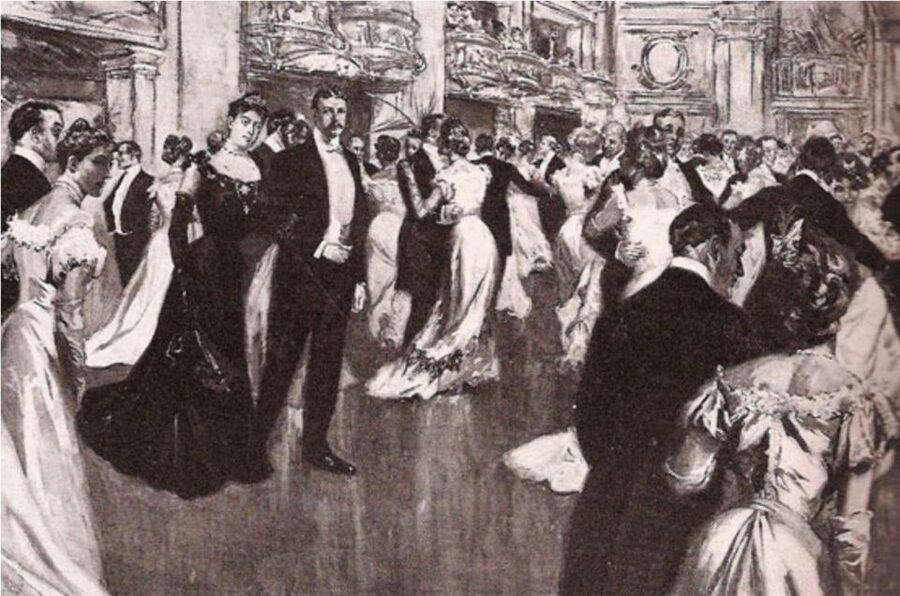
The Metropolitan Club is one of the important exterior stops. Private clubs were crucial to the social life of powerful men during the Gilded Age. They were places for business relationships, political conversation, dining, and controlled access to elite society.
A club façade cannot show you every conversation that took place inside, but it gives the guide a useful way to explain how influence operated. Wealth alone did not always guarantee acceptance. Social networks, family connections, reputation, and club membership helped determine who belonged in the city’s inner circles.
I find this subject especially useful for visitors who know the famous names but not the social machinery around them. A fortune could buy a mansion, yet the owner still had to manage public opinion and seek recognition from established society. The men’s clubs offered one route into that world.
The tour also addresses power struggles among the era’s business leaders. Astor, Vanderbilt, Rockefeller, Carnegie, and Morgan did not simply work in separate spheres. Their fortunes affected one another, and their ambitions often collided. Hearing those names in relation to one another makes the period easier to follow than a list of isolated biographies.
Another side of New York City for the same day:
- NYC: SUMMIT One Vanderbilt Tickets
★ 4.7 · 51,195 reviews - NYC: 9/11 Memorial & Museum Timed-Entry Ticket
★ 4.8 · 31,428 reviews - NYC: Empire State Building Tickets – Observatory & Museum
★ 4.7 · 25,757 reviews - New York City: Statue of Liberty & Ellis Island with Ferry
★ 4.6 · 18,683 reviews
The Carnegie, Frick, and Duke mansions
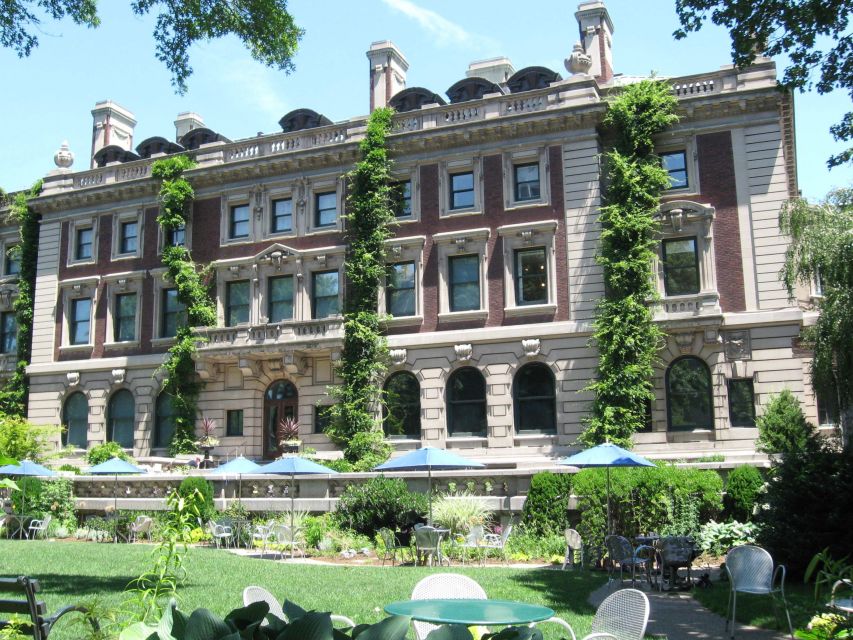
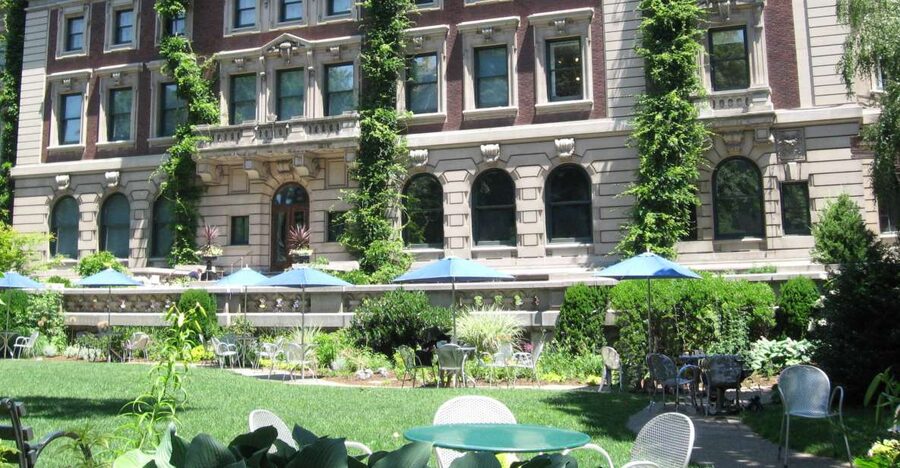
The Carnegie, Frick, and Duke mansions provide some of the tour’s strongest architectural anchors. Each building reflects the desire of a wealthy family to create a permanent public image, even though the families, businesses, and social customs that produced them have changed.
The Carnegie Mansion is tied to Andrew Carnegie, the steel magnate who built one of the era’s great fortunes. The building offers a useful opening for discussing the contrast between industrial power and public philanthropy. Carnegie’s name is linked not only to business but also to cultural and educational giving, making his residence part of a larger story about how wealthy Americans tried to shape their legacy.
The Frick Mansion connects the walk to Henry Clay Frick and to the world of collecting and cultural patronage. The house is now associated with art and museum life, so its present function helps you see how private wealth was later converted into a public cultural resource.
The Duke Mansion brings another family fortune into the picture. Together, these residences show that New York’s elite was not one single group with one path to wealth. Industrialists, financiers, real estate owners, and business families built different forms of power, then used architecture and social life to present themselves as established figures.
You will mostly view these places from outside, which means the guide’s explanation is important. Take time to study the scale, materials, entrances, and relationship to the avenue. A camera can record the building, but it cannot explain why the house appeared there or what its owner hoped it would communicate.
The Metropolitan Museum of Art and public legacy
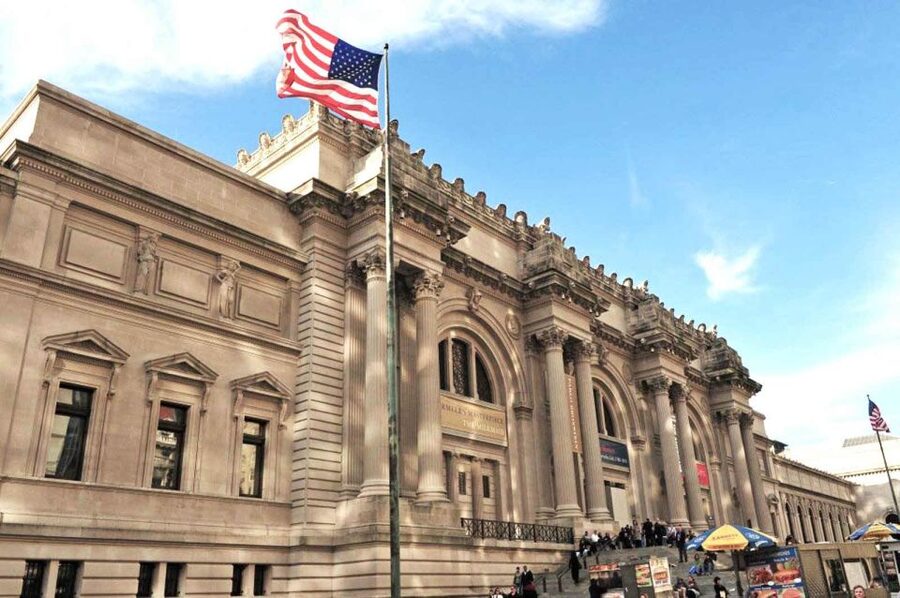
The Metropolitan Museum of Art is another key point of interest. It helps shift the story from private display to public legacy. During and after the Gilded Age, wealthy families supported museums, libraries, collections, and other institutions that could outlast individual businesses and family homes.
The museum also provides context for the social ambitions of the era. Cultural institutions offered wealthy families a way to gain civic recognition and present themselves as patrons of art and public life. That does not erase the labor disputes, inequality, or hard competition tied to their fortunes, but it adds another layer to the story.
You will explore the museum from the exterior on this walking tour rather than receiving a full museum visit. If you want to go inside afterward, plan that as a separate activity. The two-hour route is designed to connect several landmarks, not to cover the Metropolitan Museum of Art’s collections.
This is a useful distinction when you plan your day. If you have only a short time in New York, the tour gives you a strong street-level introduction. If you want galleries, interiors, and extended time with art, you will need additional hours beyond the tour.
Stories of ambition, rivalry, and private life
The strongest part of a tour like this is the human detail. Business names can feel dry until you hear about the social competition, family expectations, personal habits, and private disputes that shaped public decisions.
The tour covers the rise of major figures and the empires they built, along with their struggles for influence. You can expect the story to include social class, men’s clubs, architects, and the effects of the Gilded Age on later society. These subjects give the buildings a human scale.
The private-life material also keeps the walk from becoming a simple parade of fortunes. You learn how these figures operated within families and social circles, not just boardrooms. The aim is not to admire wealth without question. It is to understand how money changed daily life, public space, and the shape of New York.
Guide style matters here. Dan is described as energetic, friendly, and respectful of the group’s time, with a knack for pointing out details that are easy to miss. Other named guides include Levy and Levin. Since the guide assigned to you may vary, expect an English-speaking professional guide but do not book on the assumption that a particular person will lead your tour.
A private group format gives you room to ask about the people or buildings that interest you most. If you want to know more about architecture, social class, family life, or the long-term effects of the era, say so early. Two hours passes quickly, and a clear question can help shape the conversation.
What $149 per person gets you
At $149 per person, this is not a low-cost orientation walk. The price makes the most sense if you value a private guide, focused subject matter, and the chance to ask questions without being part of a large group.
You are paying for interpretation rather than admission tickets. The listed experience includes an expert professional and licensed guide, but it does not describe interior entry to the mansions or museums. The value rests in connecting the exteriors, people, and social systems into one readable story.
For a first-time New York visit, I would compare this price with the cost of arranging several separate stops on your own. You can walk Fifth Avenue independently, but you may miss why the buildings matter and how the families relate to one another. A guide also saves you from piecing together names and dates while navigating a busy part of Manhattan.
The price is harder to justify if you want only quick photo stops or already know New York’s Gilded Age well. It is also less suitable if you expect access to private club interiors or a full museum tour. Think of it as a two-hour historical conversation conducted on city streets, with architecture as the evidence.
The tour includes a separate entrance for skipping a line, according to the activity details. Since the main route centers on exterior sights, ask your provider for clarification if this feature is important to your plans.
Who should book this private walk?
I would recommend this tour to you if you enjoy history that connects buildings with people. It suits visitors curious about American business, architecture, high society, museums, and the social effects of enormous private fortunes.
It also works well for families or small groups with different interests. One person can focus on mansions, another on business competition, and another on New York’s changing class structure. A private guide can respond to those questions more easily than a fixed audio tour.
You should be comfortable walking for two hours. The tour is wheelchair accessible, but you should still consider weather, footwear, and the practical demands of an outdoor route. Rain or shine means the right clothing is not optional.
I would choose this outing early in a New York stay if you want the rest of Fifth Avenue to make more sense. Afterward, the Metropolitan Museum of Art, nearby mansions, and grand avenues will have a stronger historical frame.
Booking details that affect your day
The tour is conducted in English and lasts two hours. Starting times vary, so you need to check availability when choosing a date.
You meet at the Sherman Monument in Grand Army Plaza. Arrive a few minutes early, especially if you are unfamiliar with the plaza. Comfortable shoes and weather-appropriate clothing are essential because the experience operates outdoors throughout the year.
The booking terms are flexible: you can cancel up to 24 hours in advance for a full refund, and you can reserve now while paying later. Those terms are useful in New York, where rain, illness, or a changed museum plan can disrupt a tightly scheduled day.
The experience is offered for a private group, with a licensed live guide. That format is the main difference between this walk and a standard public sightseeing route. You receive a focused subject and personal attention, but you also pay a higher rate for the setting.
Should you book New York in the Gilded Age?
Book it if you want the stories behind Fifth Avenue’s grand buildings, especially the rivalry, class division, club life, and personal ambition that shaped New York’s elite. The guides, including Dan, Levy, and Levin, are presented as engaging and well prepared, and the private format gives you useful flexibility.
Skip it if your priority is entering museums, touring mansion interiors, or covering a large section of Manhattan quickly. This is an exterior-focused walking experience, and two hours is enough for a lively introduction but not an exhaustive examination.
For the right visitor, $149 buys more than a series of façades. It gives you a clear way to read one of New York’s most important avenues and understand how American fortunes became social and architectural power.
FAQ
Where does the Gilded Age tour meet?
The tour meets in front of the General William Tecumseh Sherman Monument in Grand Army Plaza, New York City.
How long does the tour last?
The walking tour lasts two hours.
What language is the tour conducted in?
The tour is conducted in English with a live guide.
Is this a private tour?
Yes. The experience is offered for a private group.
Which Gilded Age figures are discussed?
The tour covers John Jacob Astor, Cornelius Vanderbilt, John D. Rockefeller, Andrew Carnegie, J.P. Morgan, and other major figures connected with American business and high society.
Which landmarks can I expect to see?
Exterior points of interest include the Metropolitan Club, Metropolitan Museum of Art, Carnegie Mansion, Frick Mansion, Duke Mansion, and other surviving traces of Millionaire’s Row.
Is the tour accessible and weather dependent?
The tour is wheelchair accessible and operates year round in varying weather. It takes place rain or shine, so bring comfortable shoes and clothing suited to the forecast.
Just listed around New York City
- NYC: Little Shop of Horrors Off-Broadway Ticket5 reviews
- Private NYC Airport Transfer: LGA to Manhattan – Up to 5★ 3.6 · 5 reviews
- New York City Tour in German★ 4.5 · 5 reviews
- New York: Hamilton and Washington Revolutionary Walking Tour★ 5.0 · 5 reviews
- NYC Freedom Tower Private Photo or Video Experience★ 4.0 · 6 reviews
- New York Afternoon Fall Foliage Cruise with Lunch★ 5.0 · 6 reviews
- Southold Bay Oyster Farm Tour★ 5.0 · 6 reviews
- Brooklyn Walking Tours by Locals: Private & 100% Personalized★ 4.0 · 6 reviews
Private, compared.


Private Transfer from Manhattan to NYC Airports (JFK/EWR/LGA)
Read our review →
Carriage Ride in Central Park (VIP – PRIVATE) Since 1964™
Read our review →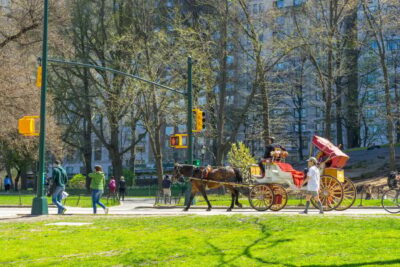

Private Statue of Liberty and Ellis Island Tour
Read our review →