Reviewed · PRIVATE
NYC: Discover NYC Subway Secrets Below Manhattan – Private
New York’s subway is not just a way to get across town. Beneath Lower Manhattan, it is a record of old engineering, political choices, disasters, and grand civic plans. On this private tour, Rayn Riel leads you past City Hall Station, abandoned platforms, a former wine cellar beneath the Brooklyn Bridge, and subway spaces affected by 9/11 and Hurricane Sandy. I like the way the tour connects what you see underground with the city above, and I like that Rayn’s background as an urban planner and former MTA employee gives the talk practical weight. The main consideration is simple: this is a walking tour through public subway areas, with stairs and an underground setting, not an access-all-areas expedition.
The small private format makes the two hours flexible. Rayn can respond to questions, adjust around train schedules, and explain details that match your interests, from signal systems to subway politics. It is also good value for a group of up to 15, since the $200 price covers the group rather than each person, and subway fares and listening equipment are included.
In This Review
- Key things to know before you go
- Why Lower Manhattan is the right place for a subway tour
- City Hall Station and the subway’s early design
- Abandoned platforms hiding in plain sight
- Flooding, 9/11, and the cost of keeping trains moving
- The Brooklyn Bridge wine cellar
- From Fulton Center to the World Trade Center Oculus
- What Rayn Riel adds to the experience
- Who gets the most from this private tour
- Price, timing, and practical limits
- My verdict: should you book it?
- FAQ
- Where does the subway secrets tour begin?
- Where does the tour finish?
- How long does the experience last?
- Is this a private tour?
- Is subway fare included?
- Does the tour enter restricted subway areas?
- What should I wear?
Key things to know before you go
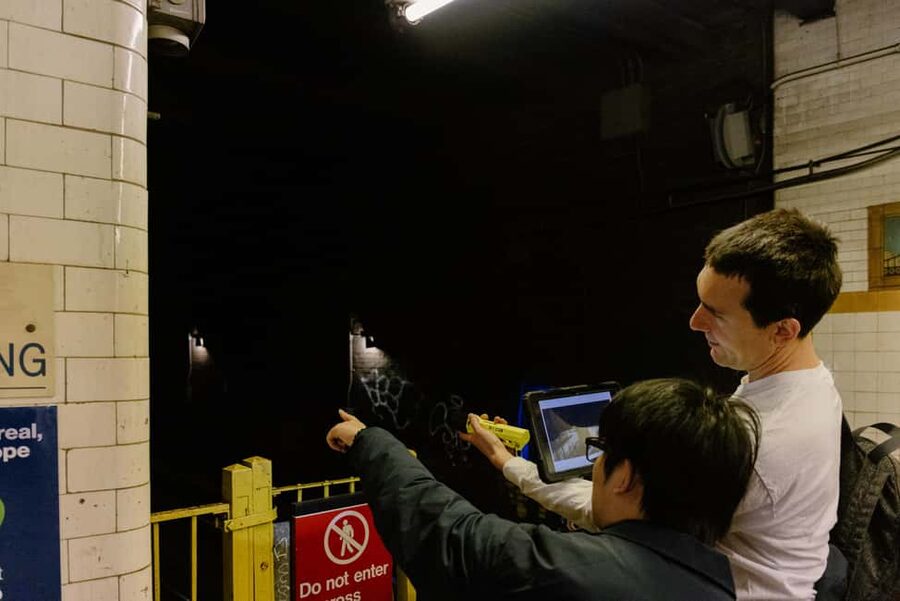
- City Hall Station from public areas: See the famous 1904 station and learn why it was closed, without entering restricted parts of the system.
- Subway disaster stories: Hear how flooding and the effects of 9/11 damaged Lower Manhattan’s underground network.
- A wine cellar below the Brooklyn Bridge: Discover an unusual former cellar connected to subway tunnels.
- Old and new New York together: Compare early decorative stations with Fulton Center and the $4 billion World Trade Center Oculus.
- Rayn Riel leads the walk: Your guide is a licensed NYC guide, urban planner, and former MTA employee with a strong grasp of operations and city infrastructure.
- Two hours of active sightseeing: Expect subway rides, underground corridors, and stairs. Comfortable shoes matter.
Why Lower Manhattan is the right place for a subway tour
Start at the Starbucks at One Battery Park Plaza on State Street. This puts you at the southern end of Manhattan, close to the old South Ferry area and the transit routes that helped shape the modern city.
The tour begins with the basic question many people skip: why did New York build a subway in the first place? At the start of the 20th century, Manhattan was already crowded, and street-level transport could not keep pace with the city’s growth. Building below ground allowed trains to move large numbers of people without requiring the city to remove every street, building, and elevated structure in their path.
That choice created a second city below the first one. You will learn how different subway companies and operating systems shaped the network, and why the numbered lines differ from the lettered lines. These details can sound dry in a classroom, but they become useful once you ride the trains yourself. After the tour, you may look at a platform sign, a curve in the tunnel, or a transfer passage and see a design decision instead of a blank wall.
Rayn’s background helps here. He is not simply pointing out tilework and old signs. He can explain how the system operates, why delays happen, and how the politics of large infrastructure projects affect what gets built. That mix of history, engineering, public policy, and everyday subway life is the heart of the experience.
A few more New York City picks to weigh up
- Private Central Park Pedicab Tour
★ 5.0 · 6,981 reviews - Private Transfer from Manhattan to NYC Airports (JFK/EWR/LGA)
★ 3.5 · 1,683 reviews - New York City: Private Central Park Pedicab Tour
★ 4.9 · 1,637 reviews
City Hall Station and the subway’s early design
One of the tour’s main attractions is the famous City Hall Station, opened in 1904. It represents the early subway as a civic project, not merely a transport utility.
The station is known for its graceful design and decorative details. The tour looks at the meaning of the architecture and the differences between the first stations and those built in the 21st century. You get a useful contrast: early planners paid close attention to visual style and public presentation, while newer stations must also handle modern security, accessibility, complex transfers, and huge construction costs.
A practical point matters here. The tour visits public areas only. You should not expect to walk through closed rooms or restricted maintenance spaces, and the precise view of City Hall Station depends on what can be seen from open parts of the system. That limit is worth knowing before you book, especially if you picture an underground exploration with special permission.
Still, the story is valuable because it shows how much of the old system remains in ordinary sight. The tour trains you to notice original features that most riders pass without a second thought. It is less about collecting dramatic photographs and more about learning how to read the subway.
Abandoned platforms hiding in plain sight
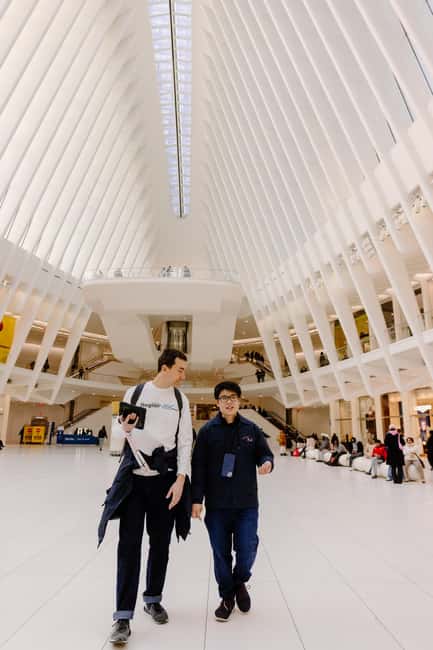
New York has old stations and platforms that no longer serve regular riders. Some were closed because the design no longer fit newer trains, some became impractical as routes changed, and others were overtaken by later construction.
This tour points out several of those places from public sections of the system. The fun is in realizing that an apparently ordinary wall, unused platform edge, or dark opening may mark an earlier version of the subway. You are not entering forbidden tunnels. Instead, Rayn explains what is there, why it was abandoned, and how the remaining structure fits into the active network.
That approach suits curious adults, teenagers, and transit fans who enjoy small clues. One parent said the tour held the attention of a 17-year-old who normally dislikes tours. Another participant who regularly rides trains for four to six hours at a time still learned to spot details that had gone unnoticed.
The walk also has a light exercise element. You will move between stations and go up and down steps, so this is not ideal for someone seeking a seated lecture. At the same time, the two-hour length keeps the physical demand manageable for most people who are comfortable walking through a subway station.
Flooding, 9/11, and the cost of keeping trains moving
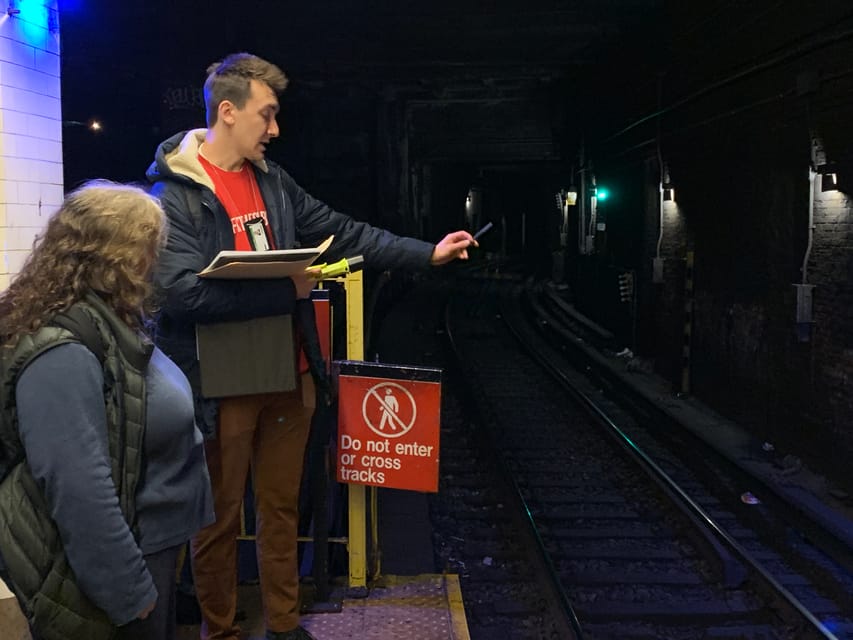
Lower Manhattan’s subway system has faced damage on a scale that is hard to grasp from a normal commute. The tour explains the catastrophic flooding that drowned a subway station about a decade before the current experience, along with the wider impact of Hurricane Sandy on downtown transit.
You also learn about platforms that collapsed beneath the World Trade Center after the events of 9/11. These sites show that the subway is not isolated from the city’s major crises. It is tied to streets, buildings, utilities, tunnels, rivers, and the financial district above.
The value of this part is practical. You see why repairs take time, why transit agencies must plan for water and structural failure, and why resilience costs so much. The discussion also covers how the downtown network has been rebuilt to better withstand future problems.
Rayn’s explanations appear to connect these events with present-day subway operations. You can ask why a train is delayed, how signals work, or why one improvement is funded while another waits. One especially technical subject is the system’s largely mechanical, old-style signal equipment. The point is not that every problem has a quick fix. It is that New York’s subway is an aging machine still carrying a huge share of daily city life.
Another side of New York City for the same day:
- NYC: SUMMIT One Vanderbilt Tickets
★ 4.7 · 51,195 reviews - NYC: 9/11 Memorial & Museum Timed-Entry Ticket
★ 4.8 · 31,428 reviews - NYC: Empire State Building Tickets – Observatory & Museum
★ 4.7 · 25,757 reviews - New York City: Statue of Liberty & Ellis Island with Ferry
★ 4.6 · 18,683 reviews
The Brooklyn Bridge wine cellar
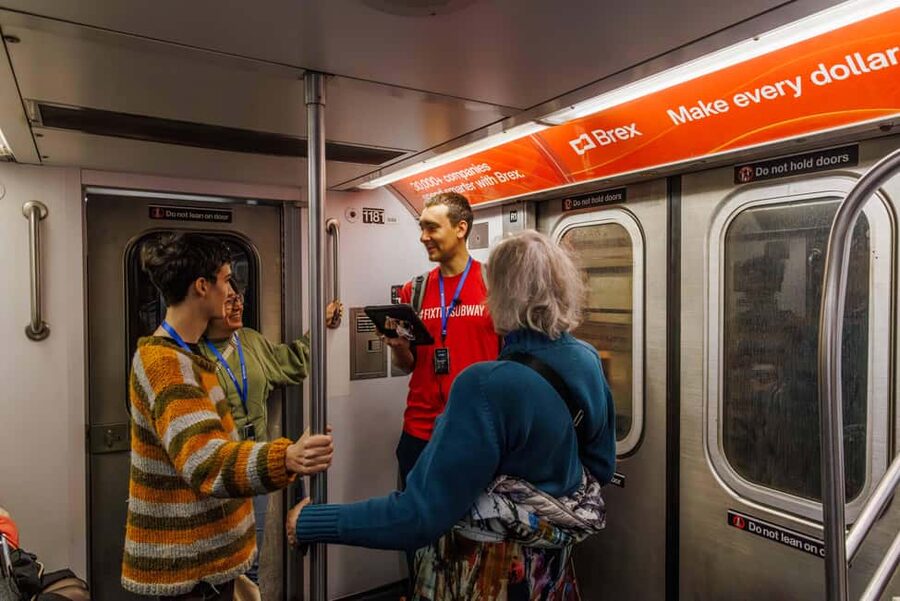
One of the strangest stops is a former wine cellar beneath the Brooklyn Bridge, connected to subway tunnels. It is the kind of detail you would likely miss while rushing to a train.
This stop gives the tour a broader angle on Lower Manhattan. The underground space is not only a transport corridor. It has also served commercial, structural, and civic purposes over time. A cellar below the bridge sounds like a piece of urban folklore, but its connection to the subway helps explain how older infrastructure was reused and absorbed into later construction.
Do not expect a wine tasting or a private cellar visit. The tour takes place in public areas, and the appeal is the story and location. You are learning how the transit network overlaps with older buildings and structures, not visiting a restaurant or historic house.
For me, this is the sort of small fact that makes the subway easier to remember. Big figures such as the cost of Fulton Center and the Oculus matter, but odd details give the system a human scale.
From Fulton Center to the World Trade Center Oculus
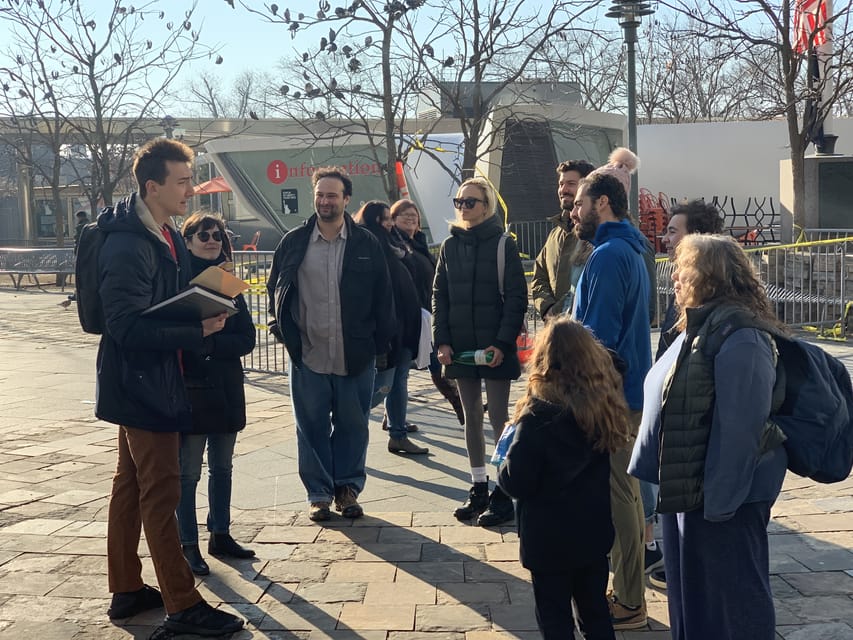
The final stretch shifts from old subway history to new downtown construction. You walk through the newer stations and transportation spaces around Fulton Center and the World Trade Center.
Fulton Center cost about $1.4 billion. Its role is more than architectural display. It joins several subway routes and creates a major transfer point in the heart of Lower Manhattan. Rayn explains the politics and expense behind projects like this, helping you judge the result as public infrastructure rather than simply as a striking building.
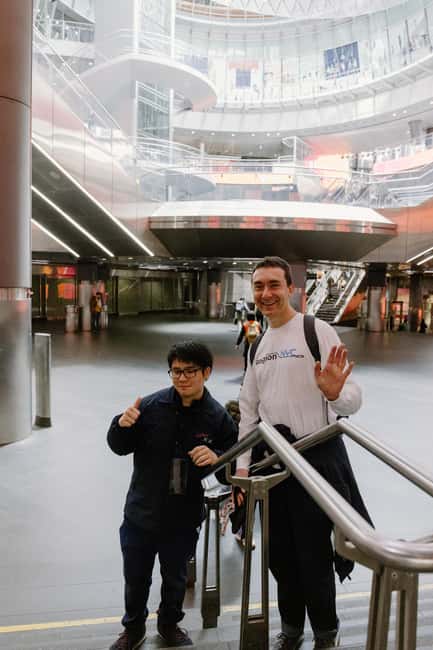
The World Trade Center Oculus, with a reported cost of about $4 billion, provides the tour’s grand closing setting. Its bright, sweeping interior feels very different from the low ceilings, old tile, and mechanical infrastructure of the first subway stations. That contrast makes the timeline clear: New York’s transit system is a patchwork of eras, budgets, ideals, compromises, and repairs.
The experience ends at the World Trade Center Transportation Hub. Food and drinks are available for purchase there, which is useful after two hours underground. It also leaves you in a central downtown area with easy onward plans, although no further activity is included in the tour.
What Rayn Riel adds to the experience
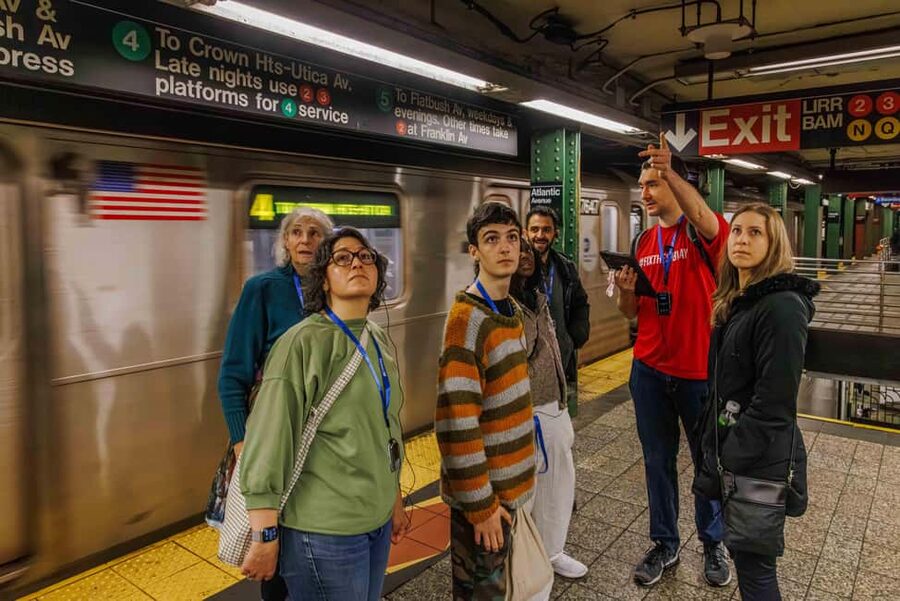
Rayn is the main reason this tour feels different from a standard sightseeing walk. He is a licensed guide and certified urban planner, and his past MTA experience gives him a working view of the system.
He covers technical points without turning the tour into a professional seminar. You might hear about signals, train operations, station design, construction costs, and the difference between the lettered and numbered routes, but the information is tied to places you can see.
His style also appears adaptable. The private format lets him change the route or emphasis around train schedules and questions. If your group wants more transit history, he can focus there. If you are more interested in city planning, disasters, or current infrastructure, those subjects can take more space.
The supplied listening equipment is a real help. Each person receives an earpiece, so you can hear Rayn in a noisy station without standing shoulder to shoulder. A speaker is also available for someone who is hard of hearing. That is a small operational detail, but it can make the difference between following the explanation and missing half of it.
The tone is not solemn throughout. Rayn uses humor and odd facts, including the sort of subway trivia that might become a useful conversation starter later. The references to dripping pans and a spare chicken nugget suggest a guide who enjoys the strange details of transit life. If you prefer a formal lecture with no jokes, his style may feel too loose. For most people, the humor keeps a dense subject moving.
Who gets the most from this private tour
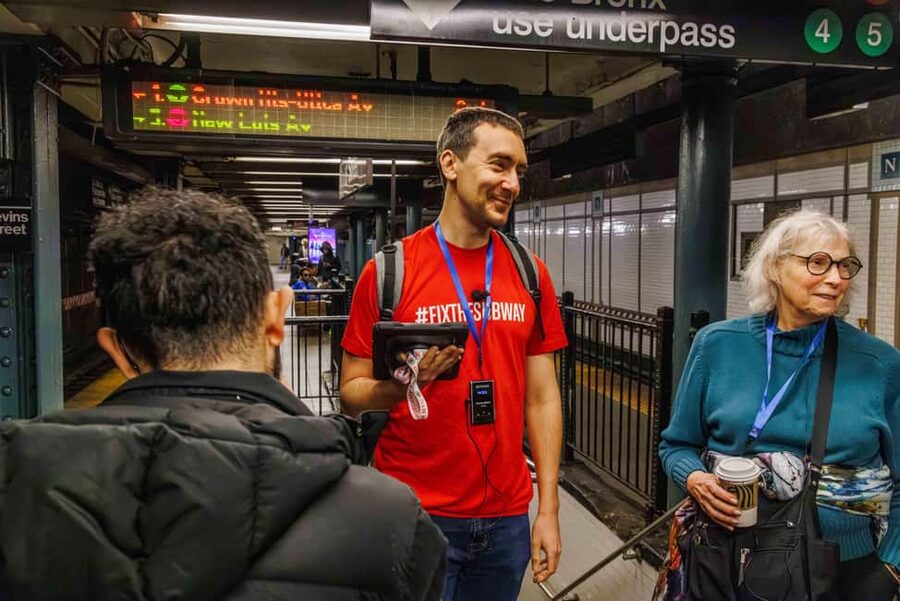
I would recommend this experience first to people who already like cities, trains, architecture, or public works. It is also a strong choice for New Yorkers who think they know the subway. Several comments from local participants point to the same benefit: the tour changes familiar daily routes into something worth examining.
Families can work well, especially if a child or teenager has an interest in transit. The guide’s humor and the movement between stations help prevent the two hours from feeling like a museum talk. Older children should still be comfortable with stairs and underground walking.
It also suits a small group looking for an unusual downtown activity. The private price is $200 for up to 15 people, which works out to about $13.33 per person if you fill the group. For two people, it is a much larger $100 each, so the value improves sharply with four or more participants.
Subway fare is included, which removes one small cost and keeps the group moving. Ear pieces are included as well. You should wear comfortable shoes and expect a normal active walking tour, not a restricted-access urban exploration.
Price, timing, and practical limits
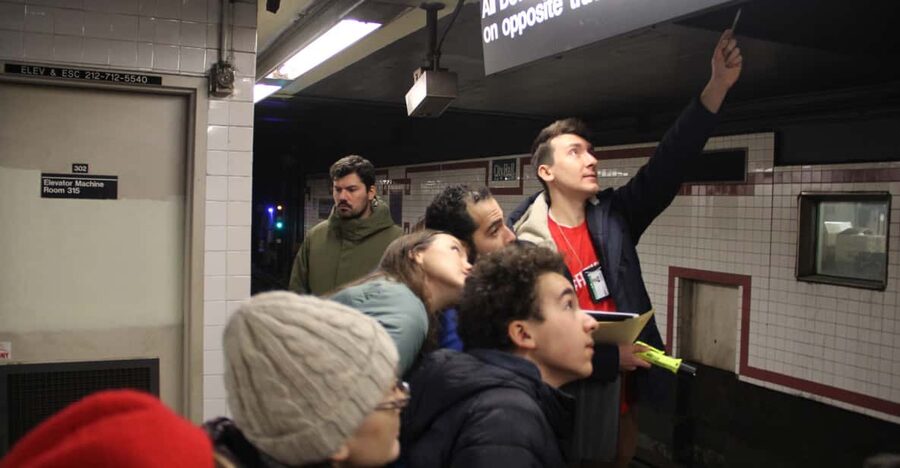
The tour lasts two hours and is offered in English with a live guide. The starting time depends on availability, so check the schedule when you plan your day.
The meeting point is the Starbucks at One Battery Park Plaza on State Street. Arrive with enough time to find the correct entrance and gather your group before heading underground. The finish at the World Trade Center gives you a useful place to continue sightseeing, eat, or take another train.
The $200 group price is easiest to justify when shared by a family or group of friends. You are paying for a private guide with a specialized background, not simply for a subway ride. The included fare and listening gear add modest practical value, while the real value comes from the interpretation.
The limits are clear. The tour does not enter restricted areas, does not promise access to every abandoned station, and cannot guarantee a particular train or exact view if service conditions change. It also involves steps, so anyone with mobility concerns should consider that before booking.
Free cancellation is available up to 24 hours before the start, and you can reserve now and pay later. Those policies help if your downtown plans are still shifting.
My verdict: should you book it?
Book this tour if you want to understand how New York works below street level, not just ride from one attraction to the next. Rayn Riel’s mix of MTA experience, planning knowledge, humor, and transit passion gives the walk a clear point of view.
I would especially choose it for a private family group, a transit-minded teenager, a local looking for a fresh angle, or anyone curious about why subway construction costs so much and repairs take so long. It is less suitable if you want a long visit inside abandoned stations, access to restricted tunnels, or a relaxed tour with very little walking.
The best reason to go is the range of the story. In two hours, you move from a 1904 station and a forgotten wine cellar to disaster recovery, mechanical signals, modern transfer halls, and the Oculus. Afterward, the subway may still be noisy, delayed, drippy, and crowded. You will simply have a better idea of what you are looking at.
FAQ
Where does the subway secrets tour begin?
Meet at the Starbucks at One Battery Park Plaza on State Street in Lower Manhattan.
Where does the tour finish?
The tour ends at the World Trade Center Transportation Hub, where food and drinks are available for purchase.
How long does the experience last?
The guided tour lasts two hours.
Is this a private tour?
Yes. It is a private group experience priced at $200 for a group of up to 15 people.
Is subway fare included?
Yes. Your subway fare during the tour is included in the price.
Does the tour enter restricted subway areas?
No. The experience visits areas open to the public and does not access restricted areas.
What should I wear?
Wear comfortable shoes. The tour involves walking through an underground environment and going up and down steps.
Just listed around New York City
- NYC: Little Shop of Horrors Off-Broadway Ticket5 reviews
- Private NYC Airport Transfer: LGA to Manhattan – Up to 5★ 3.6 · 5 reviews
- New York City Tour in German★ 4.5 · 5 reviews
- New York Afternoon Fall Foliage Cruise with Lunch★ 5.0 · 6 reviews
- New York: Hamilton and Washington Revolutionary Walking Tour★ 5.0 · 5 reviews
- NYC Freedom Tower Private Photo or Video Experience★ 4.0 · 6 reviews
- Brooklyn Walking Tours by Locals: Private & 100% Personalized★ 4.0 · 6 reviews
- Southold Bay Oyster Farm Tour★ 5.0 · 6 reviews
Private, compared.


Private Transfer from Manhattan to NYC Airports (JFK/EWR/LGA)
Read our review →
Carriage Ride in Central Park (VIP – PRIVATE) Since 1964™
Read our review →

Private Statue of Liberty and Ellis Island Tour
Read our review →