
Reviewed · LOWER EAST SIDE & EAST VILLAGE TOURS
NYC: East Village Rock n’ Roll Walking Tour
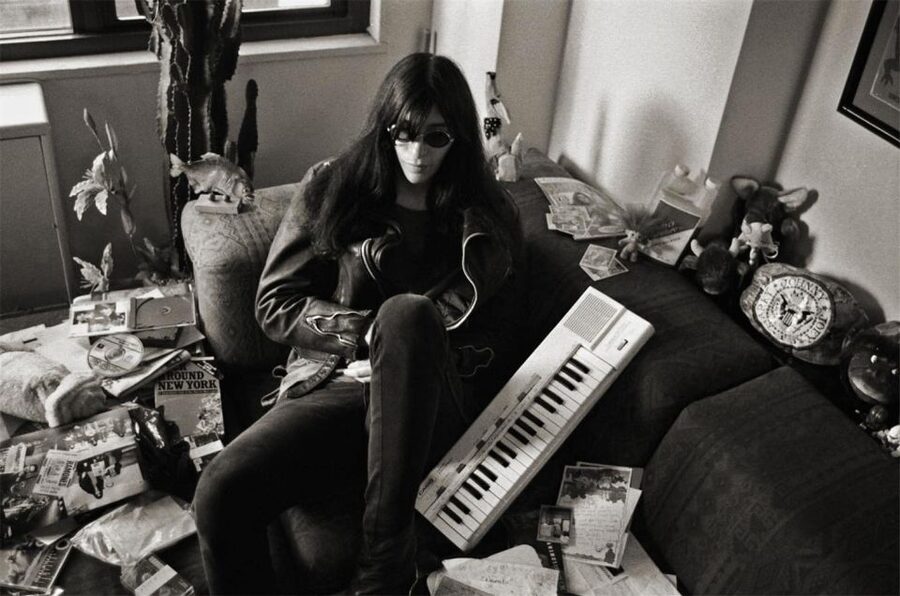
New York’s East Village once helped turn rock music into a way of life, and this walking tour puts that story on the pavement. With guide Bobby Pinn, you follow the streets linked to the Ramones, New York Dolls, Iggy Pop, the Velvet Underground, Jimi Hendrix, Led Zeppelin, Andy Warhol, and others. The best part is how ordinary buildings become meaningful once you know what happened there.
I like two things in particular: the tour connects music, fashion, and neighborhood life, rather than treating old clubs as isolated sights, and Bobby brings personal experience to many of his stories. The pace is easy, too, giving you time to look around instead of racing from one address to the next.
The main drawback is that much of the original scene has changed. You will not find every old club or musicians’ home intact, and one participant wanted to see more residences. This is a story-led walk through a changing neighborhood, not a preserved rock museum.
In This Review
- Key points to know before you book
- Why the East Village makes such a good rock tour
- Starting at East 9th Street and 3rd Avenue
- Walking through Alphabet City and the Lower East Side
- The Bowery, Fillmore East, and the old club circuit
- Album covers, clothing, and the visual side of rock
- What makes Bobby Pinn’s guiding style useful
- Is $47 a fair price?
- Who will enjoy this walk most
- Small details that improve the experience
- Should you book the East Village Rock n’ Roll Walking Tour?
- FAQ
- How long is the East Village Rock n’ Roll Walking Tour?
- Where does the tour meet?
- What neighborhoods does the tour cover?
- What music styles are included?
- Is the tour conducted in English?
- Who leads the tour?
- Does the tour include hotel pickup and drop-off?
- What should I bring?
- Can I cancel for a refund?
Key points to know before you book
- Bobby Pinn leads a personal music history walk: His first-hand connection to the era gives the stories a human edge.
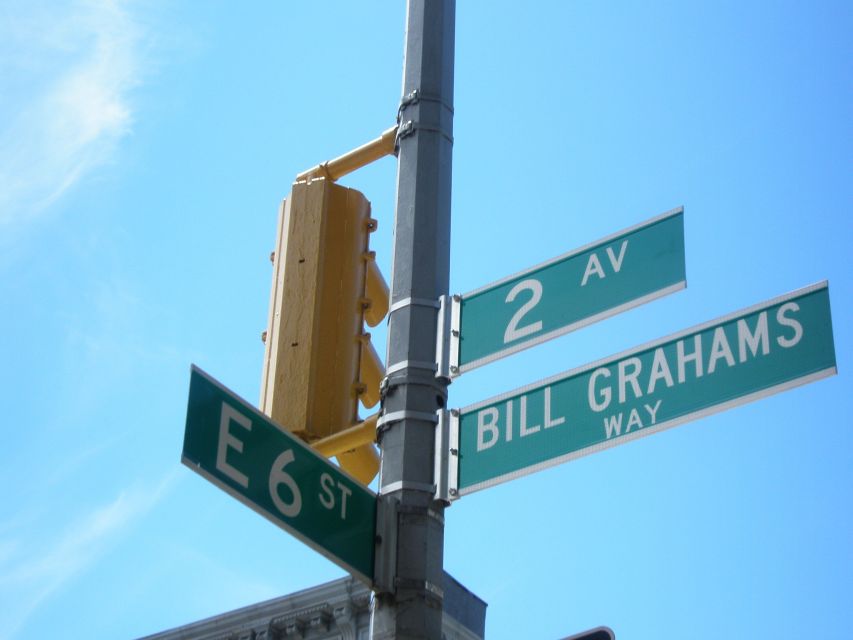
- The route covers three distinct areas: Expect the East Village, Alphabet City, and the Bowery in a two-hour walk.
- You explore rock, punk, and glam: The focus reaches from the 1960s through the present.
- Former music landmarks meet everyday places: You learn where artists lived, drank, shopped, played, and posed for album covers.
- The former CBGB building is part of the story: It now contains a clothing store with design touches that recall its musical past.
- The $47 price buys context, not admission tickets: The value depends on how much you want the stories behind familiar New York streets.
Why the East Village makes such a good rock tour
The East Village is a strong setting because the music story is spread across a real neighborhood. You are not simply shown a plaque and sent on your way. The route links clubs, apartment buildings, shops, bars, streets, and album-cover locations into a picture of how artists actually lived.
The tour looks at the scene from the 1960s to today, with particular attention to rock, punk, and glam. Those labels matter here because the East Village was not tied to one sound. The area helped foster a mix of music, clothing, attitude, and independent creative life.
You also get a useful sense of change. Some famous addresses no longer operate as clubs, and some buildings have new uses. That can be disappointing if you expect to walk into an unchanged CBGB’s or stand outside a row of perfectly preserved musician homes. Still, the contrast between past and present is part of the experience.
I like this approach because it asks you to look twice. A shopfront or apartment entrance may seem unremarkable until Bobby explains who passed through it, what band played nearby, or how a photograph became part of rock culture.
More Lower East Side walks:
- Lower East Side Food Tour: Taste NYC’s American Dream
★ 5.0 · 1,031 reviews - NYC Lower East Side Walking and Food Tour
★ 5.0 · 646 reviews - NYC: Taste the American Dream a Lower East Side Food Tour
★ 4.8 · 307 reviews
Starting at East 9th Street and 3rd Avenue
The meeting point is the southwest corner of East 9th Street and 3rd Avenue in the East Village. The tour is conducted in English and lasts two hours, so you should arrive ready to walk from the start. Bring bottled water and a camera, as recommended, especially if you want to record the streets and building exteriors that frame the stories.
This is not a hotel pickup tour. You make your own way to the East Village, and you are responsible for getting back after the walk. That is worth keeping in mind when planning a full day in New York. The meeting point is useful for combining this activity with more time in the Lower East Side or nearby neighborhoods.
The opening section helps set the scene for the East Village. Rather than beginning with a broad lecture on New York music, Bobby’s method is to attach facts to places. The result is easier to remember, since each story has a street corner or building to anchor it.
Walking through Alphabet City and the Lower East Side
Alphabet City adds an important part of the neighborhood story. The tour explains how musicians and artists used this part of Manhattan, including places connected with living, drinking, shopping, and the wider music scene.
You should expect a mixture of famous names and smaller details. The major figures include the Ramones, New York Dolls, Iggy Pop, and the Velvet Underground, but the appeal comes from learning how the scene worked around them. Music did not exist only onstage. Clothes, record culture, nightlife, friendships, and cheap places to spend time all helped shape the period.
This is also where the tour can feel most like a neighborhood walk rather than a standard sightseeing route. You get to see streets that many people pass without understanding their role in music history. One of the strongest parts of the experience is this change in perspective: the East Village becomes a set of connected stories instead of a collection of anonymous blocks.
Do not expect every stop to offer a dramatic visual sight. Some places are simply addresses or changed buildings. The reward comes from the explanation. If you prefer museums, display cases, and preserved interiors, you may find the outdoor format less satisfying. If you enjoy placing cultural history in its actual setting, the walk works well.
The Bowery, Fillmore East, and the old club circuit
The Bowery brings another layer to the route. The area is closely tied to New York’s live music culture, and the tour includes the Fillmore East among its major points of interest.
The Fillmore East matters because it represents the large-scale concert side of the story, while other stops point to smaller, rougher, more experimental venues. Taken together, these places show how different parts of the music world overlapped. Big names could play major halls, while new bands built reputations in clubs and informal local scenes.
The tour also covers CBGB’s, one of the key names in the city’s punk story. The original club is no longer operating as a music venue. The building now contains a clothing store, and its interior pays tribute to the site’s rock and roll past.
That change is worth treating realistically. You are seeing a former landmark, not entering the original club at the height of its fame. Yet the building still gives the guide a strong place to explain what made the venue important and how its name became tied to New York punk.
The walk’s final stretch at the CBGB building can feel like a fitting end because so many earlier stories lead toward the club era. It also leaves you with a practical reminder: famous music places do not always survive in their original form.
More New York City walking tours:
- SoHo, Little Italy, and Chinatown Walking Tour in New York
★ 5.0 · 3,153 reviews - Secrets of Grand Central Station Walking Tour New York City
★ 5.0 · 1,796 reviews - Greenwich Village Walking and Food Tasting Tour
★ 5.0 · 1,572 reviews - Artistic, Alternative Greenwich Village Walking Tour
★ 5.0 · 971 reviews
Album covers, clothing, and the visual side of rock
Music fans often focus on songs and concerts, but this tour gives proper attention to appearance. Rock, punk, and glam were also expressed through clothes, hairstyles, shops, and album photography.
You visit rock and roll clothing stores and learn about places where musicians shopped. That detail helps explain why the East Village mattered beyond the stage. The area offered a setting in which music and personal style reinforced each other.
Album-cover locations add another useful layer. You may know an image well but never have considered the pavement, doorway, or street behind it. Seeing the setting in person gives the photograph a physical context. Take your camera, but keep in mind that this is primarily an outdoor storytelling tour. The power of each location depends on the explanation Bobby provides.
Andy Warhol and the Velvet Underground also appear in the wider story, adding an art-world connection to the music focus. Jimi Hendrix and Led Zeppelin broaden the scope further, showing that the route is not limited to one narrow punk timeline.
That range suits people who want more than a CBGB walking tour. At the same time, fans mainly interested in the late 1970s punk scene may find the wider selection less focused than expected. The tour moves across several decades and styles by design.
What makes Bobby Pinn’s guiding style useful
The guide can make or break a walking tour, and Bobby Pinn is central to this one. The strongest feature of his style is the combination of facts, anecdotes, and personal connection. You are not just given dates and names. You hear stories from someone who presents the period as lived experience.
That personal angle came through especially strongly in the comments about Bobby. He is described as likable, entertaining, and able to make the walk feel like a personal journey. He is also compared to an encyclopedia of music, though the delivery appears relaxed rather than academic.
This matters because the buildings alone cannot carry the tour. Many landmarks have changed, and the original interiors are generally not available as part of the walk. Bobby’s storytelling fills that gap.
The pace is another plus. Two hours is long enough to cover a good section of the Lower East Side music scene but short enough to fit into a busy New York day. The walk is described as easy-paced, with enough time to stop and hear the story at each location.
You should still be comfortable walking for two hours outdoors. The tour does not include transport, hotel pickup, or drop-off. Weather can affect your comfort, so sensible shoes and a weather-appropriate layer are practical additions, even though only water and a camera are specifically recommended.
Is $47 a fair price?
At $47 per person, this is not a bargain-priced orientation walk. Its value depends on your interest in the subject and on how much context you want from a guide.
You are paying for two hours with a specialist guide, not for entry to a club, museum, or concert venue. That distinction is important. If you only want to photograph the former CBGB building, you can do that without booking a tour. If you want to understand how the Ramones, New York Dolls, Iggy Pop, the Velvet Underground, Fillmore East, and other names connect to the neighborhood, the fee becomes easier to justify.
I consider the price reasonable for dedicated rock and punk fans, especially because the guide’s personal stories are a central part of the experience. It is less compelling for someone with little interest in music history who is mainly looking for general East Village sightseeing.
The tour also makes good use of a small slice of your New York schedule. Two hours leaves room for lunch, shopping, or another Lower East Side activity. You are not committing to a full-day excursion.
Who will enjoy this walk most
This tour is best for people who already listen to rock, punk, glam, or related New York music. You do not need to know every band before you arrive, but recognizing some names will make the stops more rewarding.
It also works well for mixed-age groups. A family group with teenagers and a young adult found the tour engaging, which suggests the subject can cross generations when the stories are lively. Younger participants may connect with the fashion and attitude of the scene even if they do not know every original recording.
I would also recommend it to repeat visitors who have already covered the standard Manhattan sights. The East Village, Alphabet City, and Bowery offer a different way to spend part of a day, especially if you like neighborhoods with cultural stories attached to them.
You may want to skip it if you dislike guided walking tours, need guaranteed indoor attractions, or expect every historic venue to remain unchanged. The tour is about interpretation and atmosphere, not a series of preserved interiors.
Small details that improve the experience
Arrive at the southwest corner of East 9th Street and 3rd Avenue with water in hand. A camera is useful for album-cover locations and street details, though you should pay as much attention to the stories as to the photographs.
Leave room in your schedule after the tour. The route covers places where musicians lived, drank, and shopped, so you may want to continue exploring the East Village or Bowery on your own. The walk gives you a useful map of the area’s music connections.
Bobby has also published a book connected to the subject, and one participant found it worthwhile. Buying it is not listed as part of the tour, so treat it as an optional extra and bring additional cash only if that interests you.
For flexibility, you can cancel up to 24 hours before the start for a full refund, and you can reserve now while paying later. Starting times vary, so check availability before planning the rest of your day.
Should you book the East Village Rock n’ Roll Walking Tour?
Book it if you want the stories behind New York’s rock and punk addresses, especially if Bobby Pinn is leading your departure. The personal anecdotes, relaxed pace, and broad coverage of the East Village, Alphabet City, and Bowery are the main reasons to choose it.
Go in with realistic expectations. You will see changed buildings, former venues, shops, and street corners rather than a preserved rock museum. For a music fan, that is part of the point. You are walking through a living neighborhood and learning how its past still shapes the way you see it.
At $47, I would call it good value for a committed music fan and a fair but less essential purchase for a general sightseer. If the names Ramones, CBGB’s, Fillmore East, New York Dolls, Iggy Pop, and Velvet Underground mean something to you, this is a smart two-hour addition to a New York visit.
FAQ
How long is the East Village Rock n’ Roll Walking Tour?
The tour lasts two hours.
Where does the tour meet?
The meeting point is the southwest corner of East 9th Street and 3rd Avenue in the East Village.
What neighborhoods does the tour cover?
The route covers the East Village, Alphabet City, and the Bowery.
What music styles are included?
The tour focuses on rock, punk, and glam, covering the period from the 1960s through the present.
Is the tour conducted in English?
Yes. The live tour guide speaks English.
Who leads the tour?
The tour is led by a professional guide. Bobby Pinn is specifically associated with the experience.
Does the tour include hotel pickup and drop-off?
No. Hotel pickup and drop-off are not included.
What should I bring?
Bring bottled water and a camera.
Can I cancel for a refund?
Yes. You can cancel up to 24 hours in advance for a full refund. You can also reserve now and pay later.
Just listed around New York City
- NYC: Little Shop of Horrors Off-Broadway Ticket5 reviews
- Private NYC Airport Transfer: LGA to Manhattan – Up to 5★ 3.6 · 5 reviews
- New York City Tour in German★ 4.5 · 5 reviews
- New York: Hamilton and Washington Revolutionary Walking Tour★ 5.0 · 5 reviews
- NYC Freedom Tower Private Photo or Video Experience★ 4.0 · 6 reviews
- New York Afternoon Fall Foliage Cruise with Lunch★ 5.0 · 6 reviews
- Brooklyn Walking Tours by Locals: Private & 100% Personalized★ 4.0 · 6 reviews
- Southold Bay Oyster Farm Tour★ 5.0 · 6 reviews
Lower East Side & East Village Tours, compared.
Lower East Side Food Tour: Taste NYC’s American Dream
Read our review →
Taste the American Dream a Lower East Side Food Tour
Read our review →
East Village Rock and Roll Tour *Rock Junket Tours
Read our review →

Guided tour of Lower East Side, Chinatown and Little Italy in French
Read our review →Browse the lists this tour appears in