
Reviewed · GRAND CENTRAL TERMINAL TOURS
NYC: Grand Central Terminal and/or Penn Station – Private
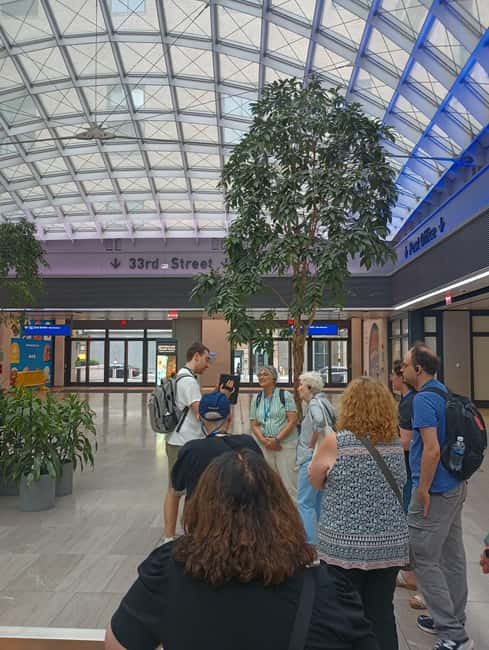
The most surprising part of this private tour is the comparison between old Penn Station and today’s station. You stand in the same general places where the grand 1910 building once rose, then trace what remains through modern Penn Station and Moynihan Train Hall. At Grand Central, the story shifts to secret rooms, old entrances, a theater, a tennis court, and the machinery behind New York’s transit system.
I like the way guide Rayn connects architecture, politics, engineering, and daily subway life instead of treating the stations as pretty backdrops. I also like the included subway fare and personal earpieces, which make it easier to follow explanations in a noisy station.
The main consideration is mobility. You will walk through underground spaces and manage stairs, so this is not a good fit for anyone with mobility impairments. It is also information-packed, and two hours may feel short if you want every detail.
In This Review
- Key points at a glance
- Why Penn Station is the right place to begin
- Moynihan Hall and the question of better stations
- Riding the subway between Penn Station and Grand Central
- Grand Central’s public secrets
- Rayn’s guiding style and the private format
- How long the tour feels
- Who will get the most from this tour
- Is $200 a good value?
- Practical advice before you go
- Should you book this station tour?
- FAQ
- Where does the tour start?
- Where does the tour finish?
- How long does the tour last?
- Is the subway fare included?
- Is the tour private?
- Does the tour enter restricted areas?
- Is the tour suitable for people with mobility impairments?
Key points at a glance
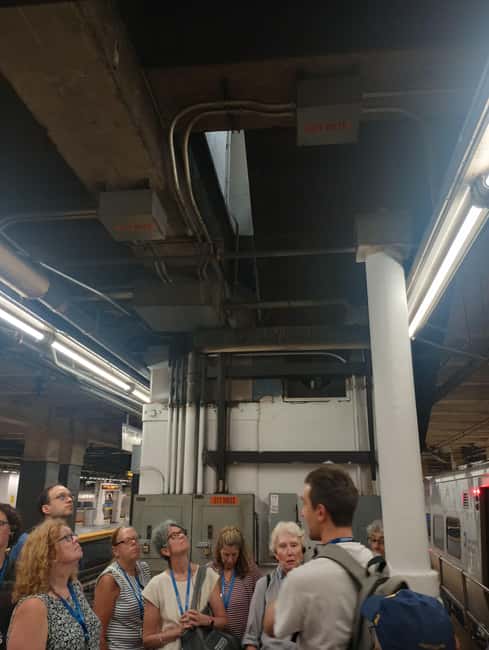
- Compare vanished Penn Station with modern Moynihan Hall: See how the present station relates to the famous 1910 terminal that was demolished.
- Find Grand Central’s lesser-known public spaces: The tour covers a secret bar, old theater, hidden tennis court, whispering walls, glass walkways, and underground entrances.
- Ride between the two stations: Your subway fare is included as you travel between Penn Station and Grand Central Terminal.
- Learn how the subway works: Rayn explains technology, station design, and the systems that keep New York moving.
- Get a private tour for up to 15 people: The $200 group price can be good value for families or small groups traveling together.
- Hear clearly in a noisy station: Individual earpieces are provided, so you do not need to crowd around the guide.
Why Penn Station is the right place to begin
Penn Station is not simply a place to catch a train. It is the starting point for a lesson in what New York lost, what it rebuilt, and how transportation decisions shape a city.
The original Pennsylvania Station opened in 1910 and was later demolished. This tour helps you compare the present station with what once occupied the same ground. That physical comparison matters. You are not looking at old photographs in a museum and then moving on. You are standing amid the modern station while Rayn uses historical context and illustrations to show how the earlier structure worked and what made it remarkable.
You can also look for remnants and artifacts connected with the original Penn Station. The details may be easy to miss when you are rushing to a train, which is exactly why a guide helps. Rayn brings large binders of photographs and illustrations, giving you a visual reference for the vanished building.
The current Penn Station experience is less about grand architecture and more about movement, construction, and daily use. That contrast is part of the point. You see how a major transportation hub functions now, then consider the scale and ambition of the station that came before it.
The tour also includes the new Moynihan Train Hall at Penn Station. This gives you a second modern reference point. Instead of treating Penn Station as one fixed building, the experience shows you a changing network of spaces, entrances, platforms, and public halls.
If you commute through Penn Station, you may find the tour especially useful. Rayn explains ordinary features that most people ignore, along with the political and technical choices behind the station. You may leave looking at familiar signs, devices, and passageways in a new way.
More Grand Central visits:
- Secrets of Grand Central Station Walking Tour New York City
★ 5.0 · 1,796 reviews - NYC: The Secrets of Grand Central Terminal
★ 4.8 · 718 reviews - NYC: Official Grand Central Terminal Tour
★ 5.0 · 458 reviews
Moynihan Hall and the question of better stations
Moynihan Train Hall adds a newer, more polished public face to the Penn Station complex. The tour uses it as part of the larger comparison between past and present.
This section should appeal to anyone interested in city planning. You are not just asking which station looks better. You are considering how a station handles crowds, how public space is organized, and how a city tries to repair an earlier loss.
Rayn is an AICP-certified urban planner, and that background shapes the experience. He can place the station in a wider story about New York’s transportation network, not just point out decorative details. His approach suits you if you want to know why a space was designed in a certain way, how it connects to the subway, and what future plans may change the busiest train station in the country.
The tradeoff is that Penn Station can be a difficult place for a leisurely walking tour. It is a working transport hub, not a quiet historic site. You should expect ordinary station activity, underground passages, and stairs. Wear shoes made for walking and carry water.
Riding the subway between Penn Station and Grand Central
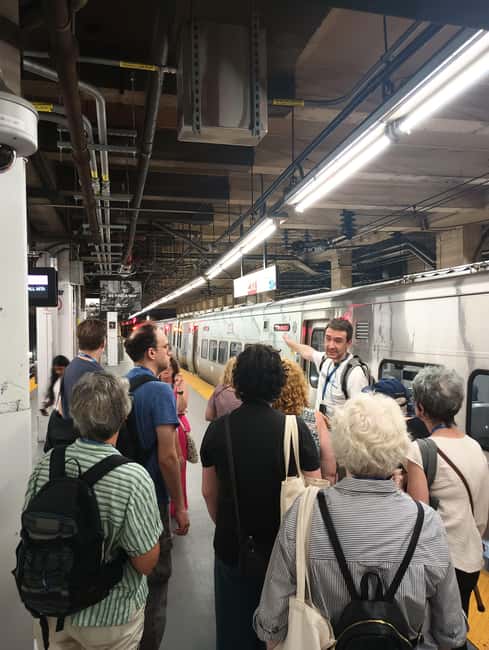
The subway ride is a small but important part of the experience. It links the two major stations and lets you see how New York’s underground network connects them.
Your fare is included, so you do not need to prepare a separate payment for this part of the tour. The ride also gives Rayn a chance to explain subway technology and the way the metro operates. This is useful if you have ever wondered about the devices, platform features, and systems you see every day without understanding their purpose.
The subway portion keeps the tour from becoming two unrelated station visits. Penn Station and Grand Central are presented as parts of a larger transportation system. That connection is one of the strongest reasons to choose this tour instead of visiting each terminal on your own.
It also adds a practical New York experience. You are not only hearing about the subway. You are using it with someone who can explain what you are seeing along the way.
The pace may feel brisk, especially on a three-hour version that includes two major stations and the subway ride. If you prefer a slow architectural tour with long pauses for photographs, tell the guide what interests you most. The private format allows room for questions and requests, though the amount of ground covered still puts a limit on time.
Grand Central’s public secrets

Grand Central Terminal is the more familiar visual highlight, but the tour focuses on details beyond the main concourse.
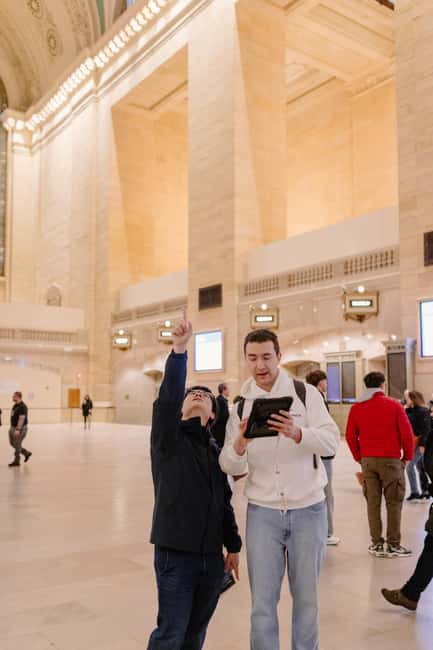
You may visit a secret bar, a hidden tennis court, an old theater, glass walkways, whispering walls, and underground entrances. These features give Grand Central a playful side. The terminal is not only a grand room for train departures. It is also a layered building with spaces and stories that are easy to miss when you hurry through.
The phrase secret bar can sound more exclusive than it is, so keep expectations realistic. This tour visits public areas only and does not enter restricted spaces. The same rule applies to the tennis court, theater, and other lesser-known features. You are learning about and seeing accessible parts of the terminal, not receiving backstage access.
That limitation is worth knowing before you book. If you want a private look behind locked doors, this is not that kind of tour. If you enjoy discovering overlooked features in places you already thought you knew, it is a strong fit.
The whispering walls are a good example of the tour’s style. A simple architectural feature becomes more interesting when you understand how people use it and why it works. The guide’s job here is not just to point at a spot but to explain the story and invite you to notice it yourself.
The underground entrances also add useful context. Grand Central is not only the famous main hall. It is connected to a larger network of corridors, platforms, and transit routes. Seeing those connections helps you understand how the terminal functions as part of New York’s transportation system.
A few more New York City picks to weigh up
- Private Central Park Pedicab Tour
★ 5.0 · 6,981 reviews - Private Transfer from Manhattan to NYC Airports (JFK/EWR/LGA)
★ 3.5 · 1,683 reviews - New York City: Private Central Park Pedicab Tour
★ 4.9 · 1,637 reviews - Carriage Ride in Central Park (VIP – PRIVATE) Since 1964™
★ 4.0 · 1,074 reviews
Rayn’s guiding style and the private format
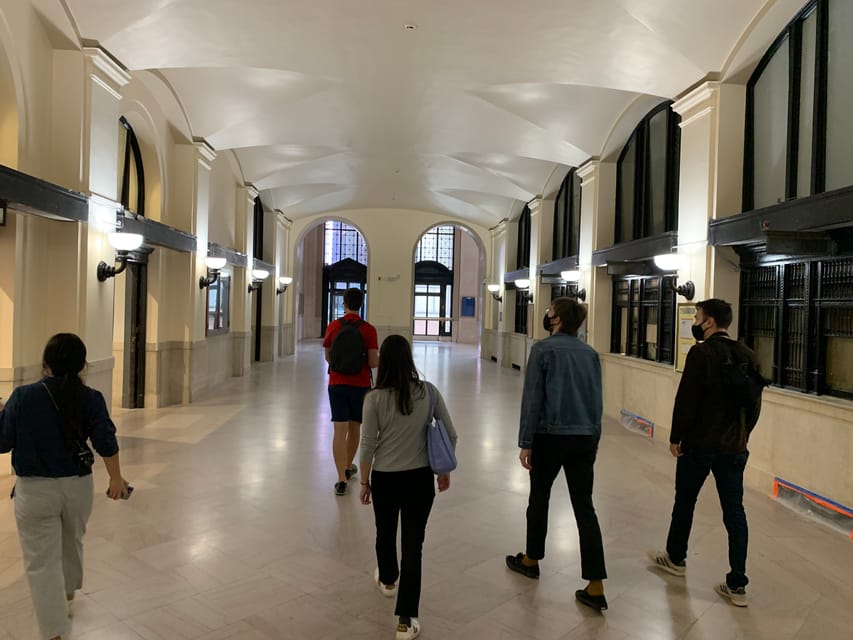
Rayn is a licensed NYC tour guide, a member of the Guides Association of NYC, and an AICP-certified urban planner. That combination is unusually well suited to this subject.
He brings a large collection of photographs and illustrations, though a three-hour tour will not leave time to see everything. His approach is described as warm, funny, open to questions, and full of historical context. That matters because the subject can become technical quickly.
You will hear about architecture and history, but also about politics, subway decline, station technology, and the everyday operation of the network. If you are an engineer, train enthusiast, urban planner, daily commuter, or simply a curious first-time visitor, you can steer the conversation toward your interests.
The private format is another advantage. The price is $200 for a group of up to 15 people, not $200 per person. For a family, school group, or group of friends, that can be very fair, especially since the guide, subway fare, and earpieces are included.
A full group of 15 will not feel as intimate as a group of two or four, but the earpieces help solve the usual problem of losing the guide’s voice in a noisy station. You can keep some distance while still hearing the explanation.
A private tour also makes it easier to ask basic questions without feeling rushed or self-conscious. You can ask Rayn to explain a subway feature, compare two buildings, or pause on a subject that interests your group.
How long the tour feels
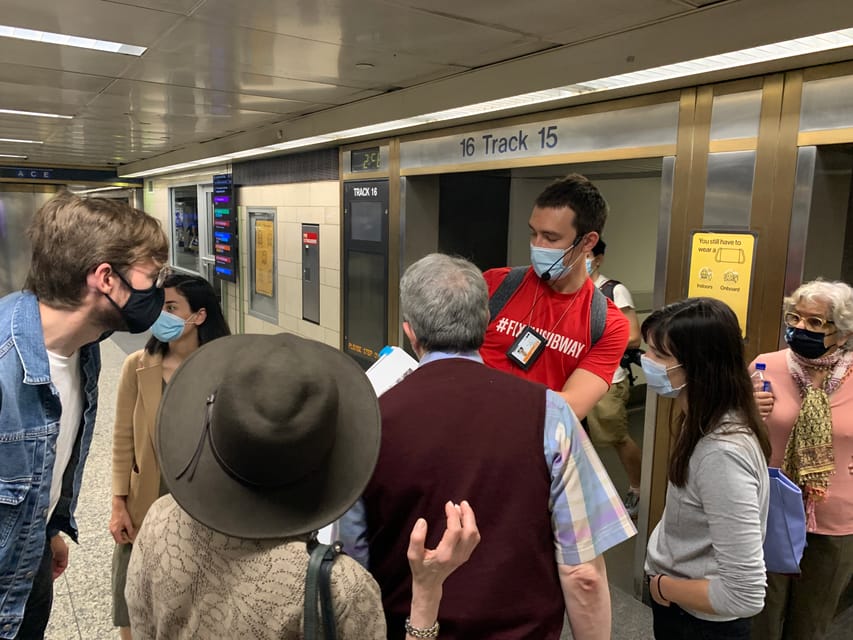
The experience lasts two to three hours. The itinerary gives about 1.5 hours to Penn Station and 1.5 hours to Grand Central Terminal, with the subway ride connecting them.
That is enough time for a strong introduction to both stations, but not enough for every photograph, story, and technical detail. One detailed account of the tour noted that even three hours felt short for the material Rayn had prepared. That is a useful warning if you like slow, exhaustive sightseeing.
I would plan this as an information-heavy walking tour rather than a casual stop between other attractions. You will walk through public station areas, travel underground, and go up and down steps. Comfortable shoes are essential, and water is a sensible addition.
Bring a camera if you enjoy recording architectural details, but do not let photography take over. The main value is the explanation of what you are seeing and how the parts fit together.
Meeting points vary by the option you choose. Starting choices include 104 West 32nd Street near Penn Station or Grand Central Terminal. The tour may finish at Grand Central Terminal or Moynihan Hall at Penn Station, so check the selected option when booking.
Who will get the most from this tour
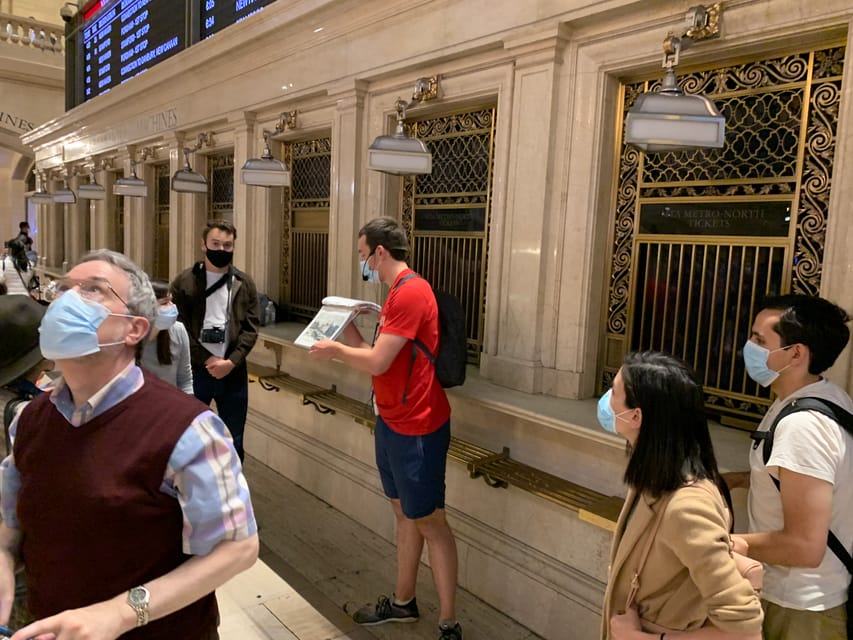
I would recommend this experience most strongly to people who like cities as working systems. You do not need to be a train expert, but curiosity about transport, architecture, or urban change will make the tour more rewarding.
It is especially suitable for:
- First-time New York visitors who want more than standard sightseeing
- Longtime New Yorkers who usually pass through the stations without stopping
- Train and subway enthusiasts
- Engineers, architects, and urban planning students
- Families with older children who enjoy unusual city facts
- Small private groups that want to set their own questions and pace
The tour also works well early in a New York visit. It can give you a practical introduction to Penn Station, Grand Central, and the subway before you use them independently.
I would not choose it for anyone who wants a relaxed, mostly seated activity. It is also not suitable for people with mobility impairments because of the underground setting and stairs. Since the tour visits public areas, it is not the right choice if your main goal is restricted or staff-only access.
Is $200 a good value?
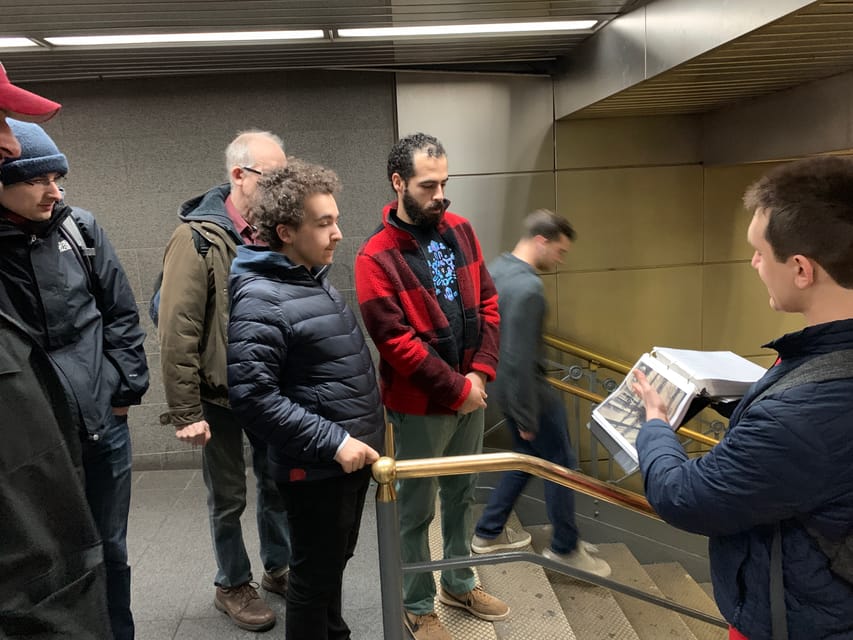
At $200 for up to 15 people, the value depends on your group size. For one or two people, it is a premium private tour. For a family or larger group, the per-person cost drops quickly.
The package includes a licensed guide, a certified urban planner’s perspective, subway fare, and personal earpieces. You are also paying for preparation: Rayn uses historical images and has developed a detailed explanation of both stations and the wider subway network.
I would compare the price with your interest level rather than with the cost of a general walking tour. If you only want to see the main concourse at Grand Central, you can do that without a guide. If you want to understand why Penn Station changed, find lesser-known public areas, and connect the two terminals through the subway, the private format offers much more.
The strongest value comes when your group asks questions. A private guide who can adjust the conversation to trains, architecture, technology, or planning is more useful than a fixed script if several people in your group have different interests.
Practical advice before you go
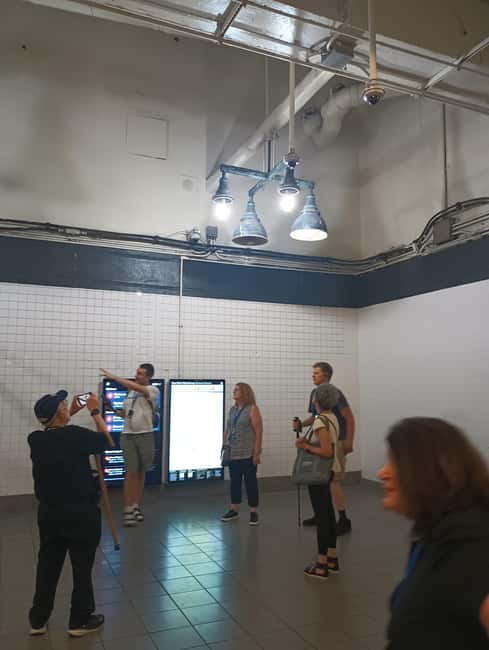
Wear comfortable shoes with good support. You will walk through stations, underground areas, and stairways, and the tour is not suited to mobility impairments.
Bring water and a camera. Keep your belongings manageable because you will be moving through active transport spaces rather than settling in one place.
Give yourself enough time to reach the meeting point. The starting location can vary, and the options include Penn Station and Grand Central Terminal. Confirm the exact meeting point and start time when you book.
The tour is conducted in English with a live guide. Individual earpieces are supplied, which should help you hear Rayn even when the station is noisy or the group spreads out.
You can cancel up to 24 hours before the tour for a full refund, and the reserve-now, pay-later option helps if your New York schedule is still changing.
Should you book this station tour?
Book it if you want to understand New York through its transit buildings rather than simply photograph them. The combination of vanished Penn Station, modern Moynihan Hall, Grand Central’s lesser-known public spaces, and a subway ride gives you a clear story from the city’s past to its present and future plans.
I would especially choose it for a private family group, a transit-minded visitor, or a longtime New Yorker who wants fresh eyes on familiar places. Skip it if stairs are a serious problem, if you dislike information-heavy tours, or if you expect access to restricted areas.
For most people who are curious about how New York works, Rayn’s mix of history, engineering, stories, and urban planning makes this a distinctive way to spend two or three hours.
FAQ
Where does the tour start?
The starting point depends on the option booked. Available starting locations include 104 West 32nd Street and Grand Central Terminal.
Where does the tour finish?
Possible drop-off points include Grand Central Terminal and Moynihan Hall at Penn Station. The exact finish depends on the option selected.
How long does the tour last?
The experience lasts two to three hours. The full itinerary allows about 1.5 hours for Penn Station and 1.5 hours for Grand Central Terminal, with a subway ride between them.
Is the subway fare included?
Yes. Your subway fare during the tour is included in the price.
Is the tour private?
Yes. It is a private group experience for up to 15 people.
Does the tour enter restricted areas?
No. The tour visits areas open to the public and does not access restricted spaces.
Is the tour suitable for people with mobility impairments?
No. The tour includes underground areas and walking up and down steps, so it is not suitable for people with mobility impairments.
Just listed around New York City
- NYC: Little Shop of Horrors Off-Broadway Ticket5 reviews
- Private NYC Airport Transfer: LGA to Manhattan – Up to 5★ 3.6 · 5 reviews
- New York City Tour in German★ 4.5 · 5 reviews
- New York: Hamilton and Washington Revolutionary Walking Tour★ 5.0 · 5 reviews
- NYC Freedom Tower Private Photo or Video Experience★ 4.0 · 6 reviews
- New York Afternoon Fall Foliage Cruise with Lunch★ 5.0 · 6 reviews
- Brooklyn Walking Tours by Locals: Private & 100% Personalized★ 4.0 · 6 reviews
- Southold Bay Oyster Farm Tour★ 5.0 · 6 reviews
Grand Central Terminal Tours, compared.

Secrets of Grand Central Station Walking Tour New York City
Read our review →



SUMMIT One Vanderbilt with Grand Central Terminal Tour
Read our review →
NYC Secrets of Grand Central Private Walking Tour
Read our review →
Best NYC Sightseeing Tour: Times Square, Grand Central, & More
Read our review →
SUMMIT One Vanderbilt Ticket and Grand Central Tour
Read our review →Browse the lists this tour appears in