
Reviewed · WALL STREET & FINANCIAL DISTRICT TOURS
NYC: Wall Street and Financial District Walking Tour
Wall Street is easier to understand when someone explains the machinery behind the marble facades. This two-hour walk connects the 2008 financial crisis, GameStop, cryptocurrency, investment banks, and even negative oil prices with the streets and buildings where modern finance took shape.
I like the guide’s use of large posters, which turn technical ideas into something you can follow on a crowded sidewalk. I also like the mix of money talk and New York sights, including the Oculus, Federal Hall, the New York Stock Exchange, and the Charging Bull.
The main consideration is pace. Two hours is enough for a smart introduction, not a full course in economics. You will view the NYSE from outside, and the tour is conducted in English, so some financial terms may require extra questions.
In This Review
- Key points to know before you book
- Why this Wall Street tour is different from a basic sightseeing walk
- Starting on Dey Street near Broadway
- The Oculus and the World Financial Center
- Investment banks and the money behind the buildings
- The 2008 crisis, explained without a finance degree
- Federal Hall and the older roots of American finance
- Seeing the New York Stock Exchange from outside
- Fearless Girl, Charging Bull, and the finish on Broadway
- What the $34 price buys you
- Who will enjoy this experience most
- Small details that improve the experience
- Should you book the Wall Street and Financial District Walking Tour?
- FAQ
- How long does the Wall Street walking tour last?
- How much does the tour cost?
- Where does the tour begin?
- Where does the tour end?
- Does the tour go inside the New York Stock Exchange?
- What language is the tour conducted in?
- Is the tour wheelchair accessible?
- What should I bring, and can children join?
Key points to know before you book
- Negative oil prices explained: Learn why oil briefly fell from $18 a barrel to minus $37 in 2020.
- Finance made plain: The guide breaks down investment banks, commodities, money markets, GameStop, Robinhood, and cryptocurrency.
- Strong guide presence: Richard is frequently praised for his energy, clear explanations, personal finance experience, photography help, and local New York knowledge.
- Classic Lower Manhattan stops: See the Oculus, Federal Hall, NYSE, Fearless Girl, and Charging Bull.
- A good teen-friendly choice: Families with older children and teenagers interested in business or economics may find this more engaging than a standard sightseeing walk.
- Short but useful format: At $34, the tour offers a focused introduction without taking up half your day.
Why this Wall Street tour is different from a basic sightseeing walk
Many Lower Manhattan walks focus on colonial buildings, 9/11 history, or movie locations. This one gives you a working explanation of how money moves. You are not simply told that Wall Street is important. You learn what investment banks do, how commodities markets function, and why events far from New York can affect prices around the world.
The subject can sound dry on paper. In practice, the guide uses current examples to keep it grounded. GameStop and Robinhood help explain the tension between individual investors, online trading platforms, and established financial firms. Cryptocurrency adds a newer question: what gives a digital asset value, and how does it fit into the financial system?
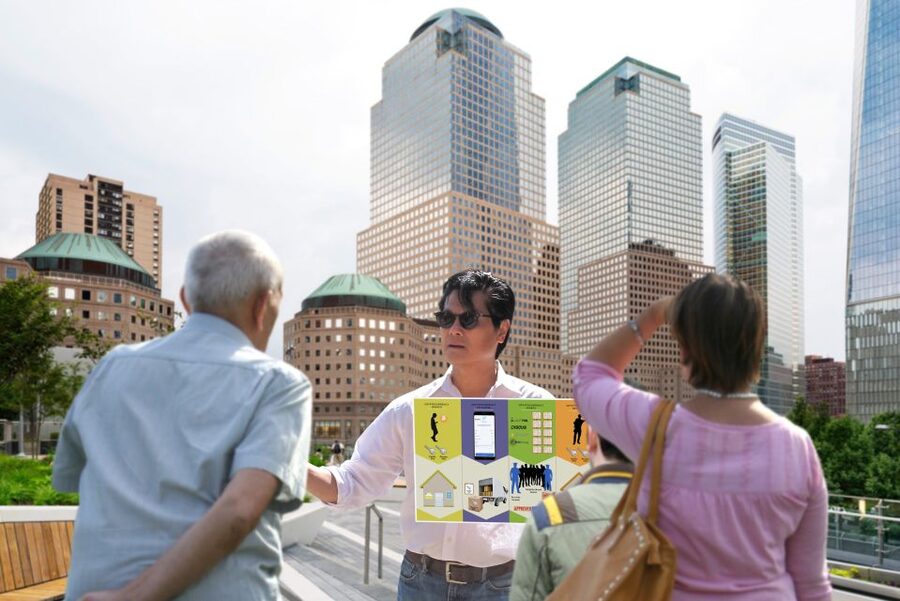
Large posters are a useful tool here. A sidewalk lecture can become hard to follow when traffic, noise, and tall buildings compete for your attention. Visual diagrams give the guide something concrete to point toward, making terms such as money markets and commodities easier to grasp.
Richard receives especially strong praise for making complex subjects simple without treating beginners as children. He has worked in the financial sector and has lived in New York for decades, giving his commentary a personal angle. Other departures have been led by Andrew or Robert, so the exact style may vary, but the experience is built around a live English-speaking guide rather than an audio recording.
More Wall Street walks:
- NYC City Tour: Statue of Liberty, 9/11 Memorial, Wall Street
★ 4.5 · 2,059 reviews - Wall Street Insider Tour with a Finance Professional
★ 4.5 · 660 reviews - Wall Street Insider Tour with a Finance Professional
★ 4.5 · 571 reviews
Starting on Dey Street near Broadway
Meet at the entrance to Starbucks on Dey Street, between Broadway and Church Street. Arrive 15 minutes early for check-in. This is a practical meeting point in Lower Manhattan, close to major subway connections and within easy reach of the World Trade Center area.
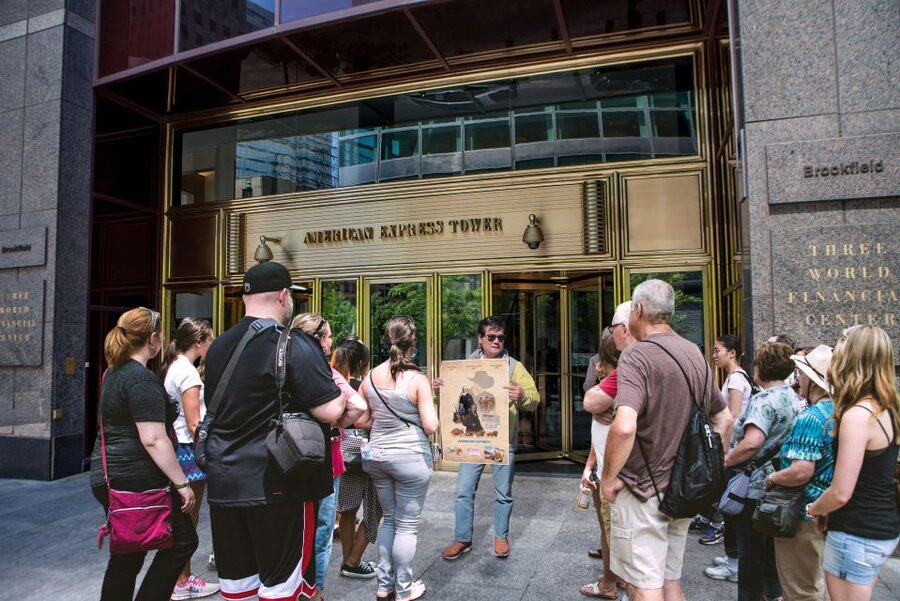
The opening matters because the guide begins with consulting firms and their role in business. That may sound like an odd way to start a Wall Street tour, but it gives you an early look at the support system around major corporations and financial institutions. You begin with the people who advise companies before moving toward the banks and markets that handle their money.
Wear comfortable shoes. The route covers several parts of the Financial District, and you will spend the full two hours on foot. There are pauses for explanations and photographs, but this is still an urban walking tour, not a hop-on, hop-off outing.
The Oculus and the World Financial Center
The Oculus is scheduled as a 10-minute stop. Its white, ribbed interior is one of the most recognizable modern structures in Lower Manhattan, and it provides a sharp contrast to the older stone buildings around Wall Street.
Here, the guide connects architecture and finance. The nearby World Financial Center becomes the setting for an explanation of commodities markets. You learn how markets deal with physical products and why a commodity price can behave in ways that seem impossible at first.
The 2020 oil-price example is particularly memorable. Oil dropped from $18 a barrel to minus $37, meaning producers were effectively paying buyers to take oil off their hands. The explanation is useful because it shows that market prices are not always a simple measure of an object’s worth. Storage, contracts, demand, and timing can all matter.
This stop is also a reminder that finance is not only about screens and stock tickers. It is tied to buildings, supply chains, factories, energy use, and real products. If you are new to economics, this is one of the clearest ways to see how markets connect to everyday life.
Investment banks and the money behind the buildings
The tour then moves through the Financial District, with roughly 25 minutes devoted to financial institutions and their operations. You learn which firms rank among the largest investment banks and what these banks actually do.
That distinction is important. An investment bank is not simply a large version of the branch where you deposit a paycheck. It can help companies raise money, advise on mergers, arrange deals, and trade financial products. The guide explains these functions in plain language, then places them in the setting where they happen.
You may also hear about money markets and the traditions of Wall Street. One useful feature of this tour is that it goes beyond famous names and stock-market clichés. The aim is to give you working vocabulary, so terms that appear in newspaper headlines become less mysterious.
Ask questions as you go. The guide repeatedly makes room for them, and several past departures were praised for being organized without feeling rushed. Richard is also known for speaking clearly and making eye contact with people throughout the group, a small detail that matters when you are standing on a busy street.
More New York City walking tours:
- SoHo, Little Italy, and Chinatown Walking Tour in New York
★ 5.0 · 3,153 reviews - Secrets of Grand Central Station Walking Tour New York City
★ 5.0 · 1,796 reviews - Greenwich Village Walking and Food Tasting Tour
★ 5.0 · 1,572 reviews - Artistic, Alternative Greenwich Village Walking Tour
★ 5.0 · 971 reviews
The 2008 crisis, explained without a finance degree
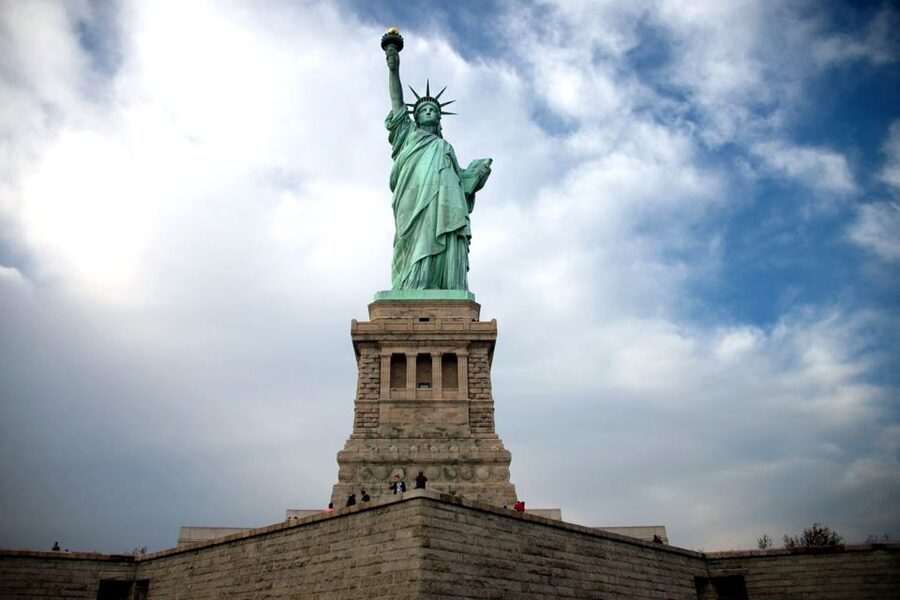
The discussion of the 2008 financial collapse is one of the main reasons to choose this experience. The guide explains how the crisis developed and why failures in the financial system reached far beyond Wall Street.
A good explanation needs to connect mortgages, banks, investments, and public confidence. You should come away with a clearer sense of how financial products can spread risk through the system, and why a problem that begins in one corner can damage banks, businesses, and households elsewhere.
The large posters help here because the crisis involved several linked steps. You are not expected to memorize every term. Instead, the guide builds a chain of cause and effect, then invites questions.
This section should suit both beginners and people who already follow markets. Beginners get a foundation. Finance enthusiasts can use the stop to ask about the details that interest them most. The tour does not promise a professional trading lesson, and two hours cannot cover every side of the crisis, but it gives the subject more shape than a passing museum label or a quick internet summary.
Federal Hall and the older roots of American finance
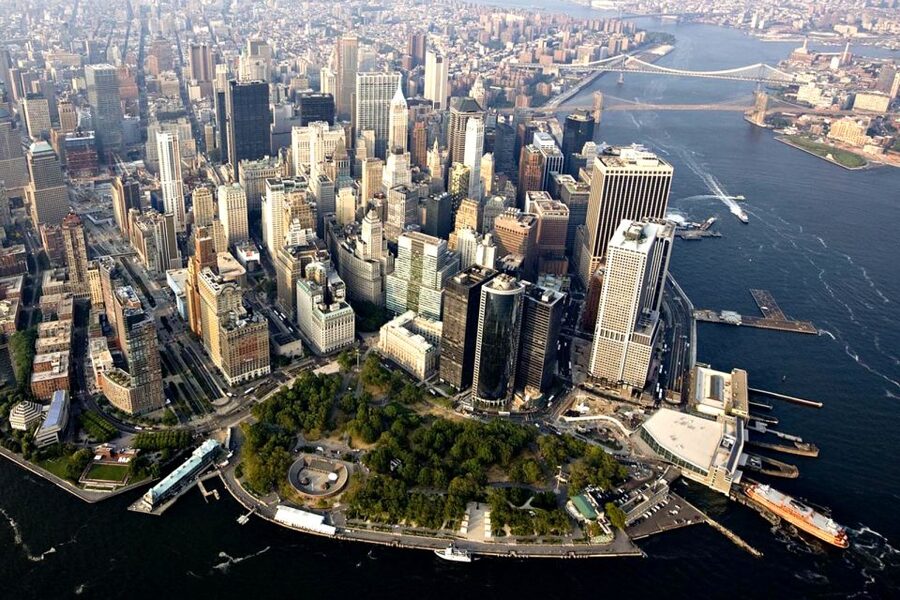
The route includes Federal Hall, one of Lower Manhattan’s major historic sites. Its importance adds a useful layer to the modern finance story. Wall Street was not created in one burst of electronic trading. Government, law, commerce, and banking developed together over time.
At this point, the walk shifts between old New York and present-day finance. That contrast is part of the appeal. You may look at a historic facade while discussing markets that now operate across continents in fractions of a second.
Some departures also include nearby sights such as Trinity Church graveyard, Alexander Hamilton’s gravesite, and Saint Nicholas Church. These stops are not guaranteed in the stated itinerary, so treat them as possible additions rather than promised features. If they appear, they help connect finance to the people and institutions that shaped early American economic life.
Seeing the New York Stock Exchange from outside
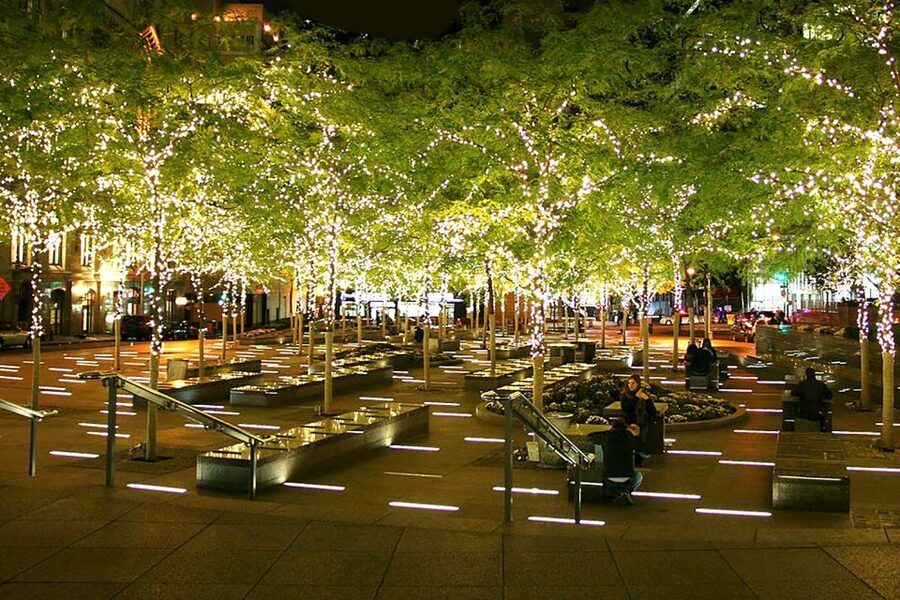
The tour spends about 15 minutes at the New York Stock Exchange. This is a photo and explanation stop, not an interior visit. Security rules mean you do not go inside the exchange.
That limitation is worth knowing before you book. If your main goal is to enter the NYSE trading floor, this is not the right product. You will see the building from the outside and hear about its role, but the value comes from the explanation around it rather than access behind the doors.
The exterior is still an essential Wall Street sight. The guide helps you read the building as more than a famous backdrop. You learn why the exchange matters and how it fits into the wider network of banks, traders, companies, and investors.
Richard is also frequently praised for helping with photos at major locations. If you are traveling alone, that can be a genuine benefit. It is not a formal photography tour, but the guide may help you find a better angle and take pictures during the walk.
Fearless Girl, Charging Bull, and the finish on Broadway
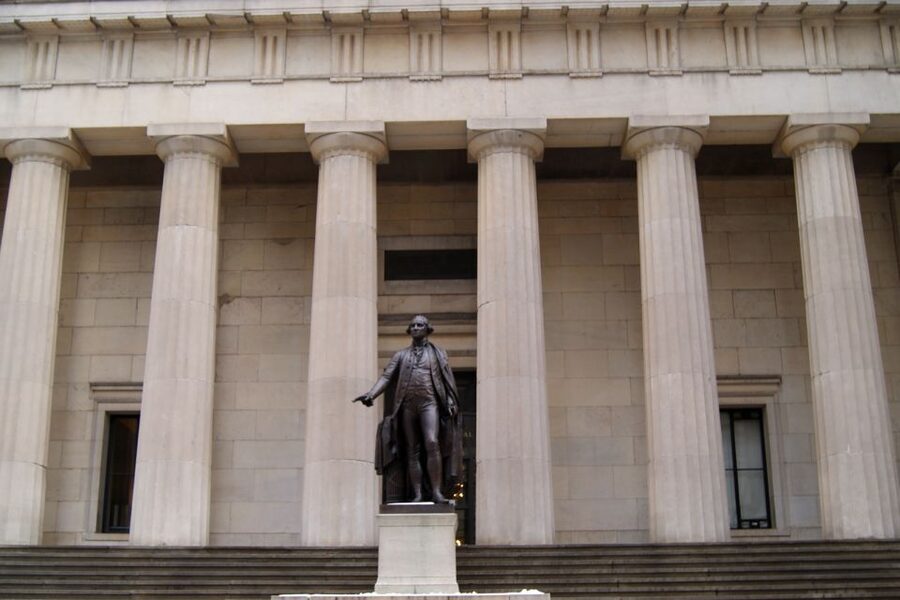
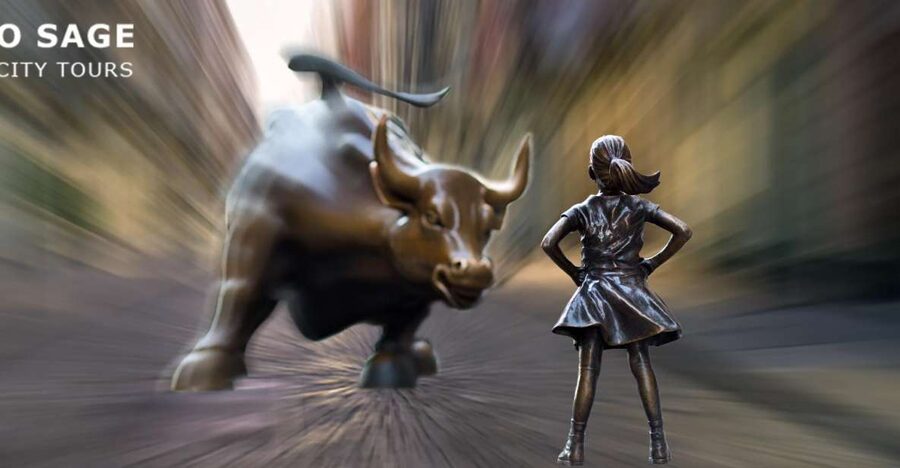
The Fearless Girl receives a short five-minute stop. Her position near the NYSE offers an easy opening for discussion about corporate power, public symbolism, and the way Wall Street communicates through images as well as numbers.
The final major stop is the Charging Bull, with about 15 minutes set aside for it. This famous bronze statue is one of Lower Manhattan’s most popular photo points. Expect people gathering around it, particularly near the horns and front legs, so patience helps.
The tour ends at the National Museum of the American Indian, close to the Charging Bull. This is useful for planning your day. You can continue toward Battery Park, visit the museum, explore the waterfront, or walk back through the Financial District after the guide leaves.
The ending also gives the tour a clean shape. You start with the systems behind finance and finish with the symbols most people associate with Wall Street. Along the way, the guide links current events to historic streets instead of keeping economics in an abstract classroom.
What the $34 price buys you
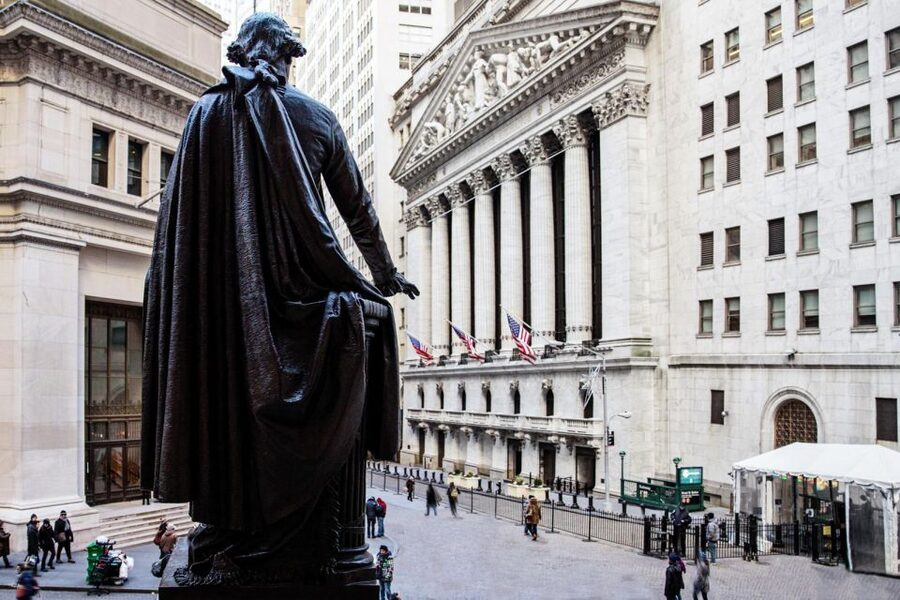
At $34 per person, this is good value if you want interpretation rather than a checklist of buildings. A self-guided walk can take you to the NYSE, Federal Hall, and Charging Bull for free, but it will not explain why oil traded below zero or how investment banks operate.
The price is less compelling if you only want photographs. You can see the main landmarks without paying for a tour, and the NYSE interior is not included. The fee makes sense when you want a clear story, visual teaching aids, and the chance to ask questions.
The two-hour duration is another strength. You get enough time for substance, yet the tour leaves room for lunch, a museum, a harbor outing, or another Manhattan neighborhood. Some departures have been small enough to feel almost private, especially during quieter periods, though group size can vary.
Flexible booking adds practical value. You can cancel up to 24 hours before departure for a full refund, and you can reserve now and pay later. The tour is wheelchair accessible, though an accessible urban route can still involve crowds, pavement, and frequent stops.
Who will enjoy this experience most
I would recommend this tour to:
- First-time New York visitors who want more context for Lower Manhattan
- Teenagers interested in stocks, economics, business, or technology
- Adults who follow financial news but want the basic mechanics explained clearly
- Solo visitors who appreciate help with photographs and a guided route
- Families with children old enough to follow a two-hour English presentation
- Anyone curious about the 2008 crisis, GameStop, Robinhood, or cryptocurrency
It may not suit young children who need constant movement or entertainment. The subject is serious, even when the guide uses humor. Unaccompanied minors are not allowed, and children must be with an adult.
The activity is also not suitable for people over 95, according to the stated restrictions. That is an unusually specific limit, so check the booking conditions if it applies to someone in your group.
Small details that improve the experience
Arrive early at Dey Street. The meeting point is specific, and Lower Manhattan can feel confusing when you are trying to match a street address with a large office building or subway exit.
Bring comfortable shoes and dress for the weather. The tour runs outdoors, and rain or cold can make a finance talk harder to enjoy. One past group found the discussion engaging even on a rainy day, but good clothing still makes the day easier.
Keep your questions ready. This tour seems to work best when you participate. Ask about the 2008 crisis, cryptocurrency, investment banks, or the mechanics of a market rather than waiting for every topic to arrive on its own.
If photographs matter to you, tell the guide early. Richard has often helped people with pictures at key locations, but this remains a walking tour first. The photography help is a welcome extra, not the central service.
Should you book the Wall Street and Financial District Walking Tour?
Book it if you want Wall Street explained rather than merely photographed. The strongest feature is the guide’s ability to turn complicated subjects into clear street-side stories, with Richard receiving especially strong praise for energy, humor, personal experience, and patience.
Choose another activity if you need to enter the NYSE, prefer a purely historical tour, or dislike discussions about economics. At $34, the tour earns its price through context, questions, and current examples. For a visitor with even a passing interest in how money works, it is a useful and unusually focused way to spend two hours in Lower Manhattan.
FAQ
How long does the Wall Street walking tour last?
The tour lasts two hours.
How much does the tour cost?
The listed price is $34 per person.
Where does the tour begin?
Meet at the entrance to Starbucks on Dey Street between Broadway and Church Street.
Where does the tour end?
The experience ends at the famous Charging Bull, near the National Museum of the American Indian.
Does the tour go inside the New York Stock Exchange?
No. For security reasons, you view the New York Stock Exchange from outside.
What language is the tour conducted in?
The live guided tour is conducted in English.
Is the tour wheelchair accessible?
Yes, the activity is listed as wheelchair accessible.
What should I bring, and can children join?
Bring comfortable shoes. Children may join when accompanied by an adult, and unaccompanied minors are not allowed.
Just listed around New York City
- NYC: Little Shop of Horrors Off-Broadway Ticket5 reviews
- Private NYC Airport Transfer: LGA to Manhattan – Up to 5★ 3.6 · 5 reviews
- New York City Tour in German★ 4.5 · 5 reviews
- New York: Hamilton and Washington Revolutionary Walking Tour★ 5.0 · 5 reviews
- NYC Freedom Tower Private Photo or Video Experience★ 4.0 · 6 reviews
- New York Afternoon Fall Foliage Cruise with Lunch★ 5.0 · 6 reviews
- Brooklyn Walking Tours by Locals: Private & 100% Personalized★ 4.0 · 6 reviews
- Southold Bay Oyster Farm Tour★ 5.0 · 6 reviews
Wall Street & Financial District Tours, compared.

NYC City Tour: Statue of Liberty, 9/11 Memorial, Wall Street
Read our review →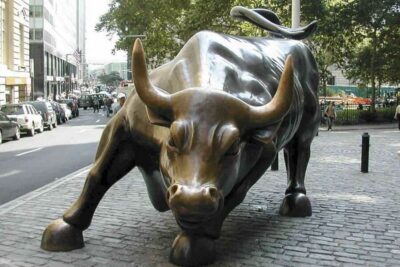
Wall Street Insider Tour with a Finance Professional
Read our review →Wall Street Insider Tour with a Finance Professional
Read our review →
Manhattan Group Tour Including Wall Street and 911 Memorial
Read our review →
Wall Street Tour with 9/11 Memorial and Statue Ferry
Read our review →

Wall Street and Financial District Walking Tour
Read our review →
Wall Street, Financial District Walking Tour Lower Manhattan, NYC
Read our review →Browse the lists this tour appears in