
Reviewed · LOWER EAST SIDE & EAST VILLAGE TOURS
Walking Tour of 1970’s Music Venues of the East Village
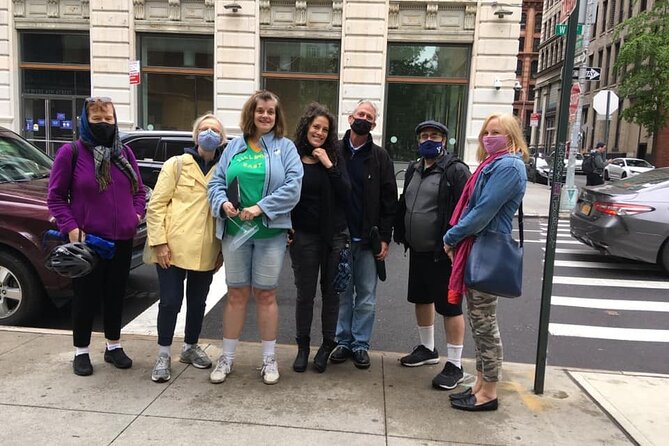
The old East Village was where cheap apartments, loud guitars, and ambitious musicians came together. This two-hour walk traces the former sites of Fillmore East, CBGB’s, and The Bottom Line, then adds lesser-known clubs where artists built their followings before they were famous.
I like the small group limit of 12, which suits a story-heavy tour, and I like the way the route includes both famous venues and obscure ones such as Club 82 and Great Gildersleeves. The main drawback is simple: most of these places are gone, so you are walking through city streets and former addresses, not entering preserved music clubs.
In This Review
- Key points to know before you book
- Why this East Village walk matters
- Starting at 105 2nd Avenue
- Fillmore East and the big concert era
- CBGB’s, Patti Smith, and punk’s first audiences
- The Bottom Line and Bruce Springsteen
- Club 82, On the Rocks, and Great Gildersleeves
- The Mercer Arts Center and the New York Dolls
- Infinity and the disco side of the East Village
- What the two-hour format feels like
- The $50 price and what you receive
- Weather, cancellation, and planning details
- Who should book this tour
- Should you book the East Village music venues walk?
- FAQ
- Where does the tour start?
- What time does the tour begin?
- Where does the tour end?
- How long does the tour last?
- How much does the tour cost?
- How many people can join the tour?
- What language is offered?
- Are service animals allowed?
- What happens if the tour is canceled because of weather?
Key points to know before you book
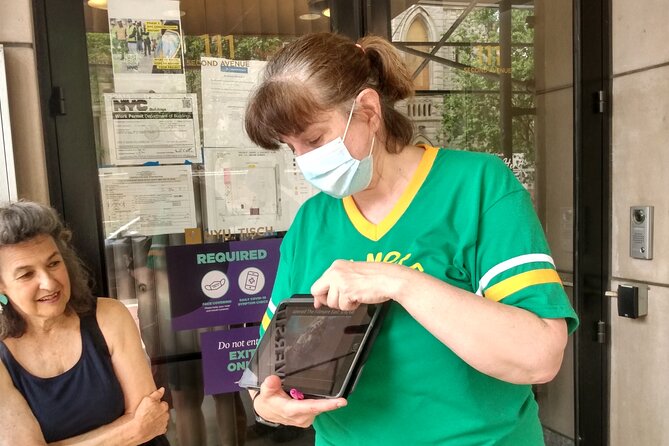
- Former Fillmore East site: Revisit the place tied to major shows by The Who and Pink Floyd.
- CBGB’s and the New York Dolls: Connect the club’s address with Patti Smith, punk, and the 1970s downtown scene.
- The Bottom Line finale: End at 15 East 4th Street, near the R/W trains and Washington Square Park.
- Small group format: The tour accepts no more than 12 people, making it easier to hear the stories and ask questions.
- Two hours on foot: Wear comfortable shoes and expect an outdoor route through the East Village.
- Weather and minimum attendance matter: Poor weather or too few bookings can lead to a new date or a full refund.
Why this East Village walk matters
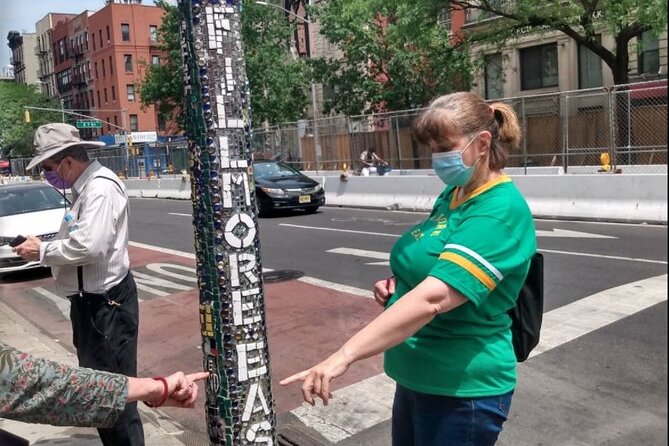
I like music tours that show you where things happened rather than simply listing famous names. This one uses the East Village as its setting and follows the physical places that helped shape 1970s rock, punk, glam, and disco.
The appeal is not only the famous clubs. You also hear about a time when apartments were cheap, tickets were bought in person, and a band could build a following one small room at a time. That gives the tour a human scale. The story is about musicians before they became household names, not only about the stars after success arrived.
You will not be walking through a preserved 1970s district. New York has changed, and many of the venues no longer operate. Still, the addresses give the stories a useful anchor. Standing at a former club site can make the careers of Bruce Springsteen, Patti Smith, the New York Dolls, The Who, and Pink Floyd feel less like distant pop mythology and more like something that happened on ordinary city blocks.
The tour is conducted in English and costs $50 per person. For that price, I would book it for the interpretation and route, not for admission to interiors. The supplied details list no separate admission charge, and the experience is an outdoor walking tour. The value depends on how much you enjoy music stories, urban change, and connecting names to real places.
More Lower East Side walks:
- Lower East Side Food Tour: Taste NYC’s American Dream
★ 5.0 · 1,031 reviews - NYC Lower East Side Walking and Food Tour
★ 5.0 · 646 reviews - NYC: Taste the American Dream a Lower East Side Food Tour
★ 4.8 · 307 reviews
Starting at 105 2nd Avenue
The walk begins at 105 2nd Avenue at 11:00 a.m. That morning start is useful in New York. You can fit the tour into a larger day, and the two-hour length leaves time for lunch or another East Village stop afterward.
The precise meeting point matters, so I would arrive early enough to check the address on your mobile ticket. A mobile ticket is accepted, and confirmation is sent within 48 hours of booking, subject to availability.
The East Village is a good setting for this subject because the route is not confined to a single institution. You move through streets that connect the clubs and performance spaces. I would wear walking shoes and dress for the forecast. The tour requires good weather, and the route is outdoors.
At the start, the guide sets the scene: the 1970s East Village, low rents, direct ticket sales, and musicians trying to earn an audience. That background helps explain why the clubs mattered. These were working places where careers developed through repeated performances, not just famous one-night events.
Fillmore East and the big concert era
The former Fillmore East is one of the major stops. The venue is linked here with legendary performances by The Who and Pink Floyd, two groups whose concert reputations helped define the era.
The interest is in the contrast between the address today and the scale of the music associated with it. You are not promised entry to a concert hall or a preserved interior. Instead, you use the site as a prompt for stories about the shows and the artists who appeared there.
I find this kind of stop most useful when you already have some connection to the music. If you know The Who or Pink Floyd, the location may add a physical layer to records you have heard for years. If you know little about the bands, the guide’s stories can still show how important large concert venues were before modern digital access made music instantly available.
The tour places the Fillmore East beside smaller clubs later in the route. That comparison is important. The big rooms brought established acts and major crowds, while smaller spaces gave emerging artists a place to test new material and build a local following.
CBGB’s, Patti Smith, and punk’s first audiences
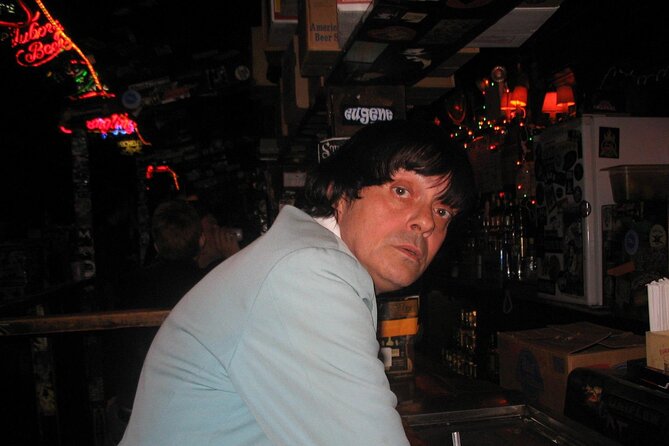
The former CBGB’s site is likely the stop many people anticipate most. The club is tied to the New York punk scene and to Patti Smith, including a 1976 appearance after the release of Horses.
The useful detail here is the timing. You are not hearing only that Patti Smith played at CBGB’s. You are asked to think about what it meant to see her at that point in her career, when the music was still close to its first audience and the club helped turn local attention into wider notice.
The venue also connects to the broader story of downtown New York. CBGB’s was not presented as a polished concert attraction. Its importance came from the artists who used the room and the audience that gathered around them. The tour’s focus on the former address lets you consider how a small club can matter far beyond its walls.
Again, expect a street-level visit rather than a museum display. That is both the strength and the limitation. You get a sense of place, but you will need to supply your own imagination for the missing stage, crowd, and sound system.
More New York City walking tours:
- SoHo, Little Italy, and Chinatown Walking Tour in New York
★ 5.0 · 3,153 reviews - Secrets of Grand Central Station Walking Tour New York City
★ 5.0 · 1,796 reviews - Greenwich Village Walking and Food Tasting Tour
★ 5.0 · 1,572 reviews - Artistic, Alternative Greenwich Village Walking Tour
★ 5.0 · 971 reviews
The Bottom Line and Bruce Springsteen
The route ends at 15 East 4th Street, in front of what used to be The Bottom Line. This is a practical finish. The location is close to the R/W subway trains and Washington Square Park, so you can continue your day without retracing the route.
The Bottom Line is linked to Bruce Springsteen’s breakthrough moment in 1975, when performances of Born to Run helped change the way the music world viewed him. That makes the final stop more than a convenient endpoint. It brings the tour back to the question running through the whole walk: how does a working club help turn a promising musician into a major name?
I like ending here because it leaves you with a clear example of the club circuit at work. Springsteen was not introduced as an already finished star. The story points to a particular room, a particular period, and a performance that helped push his career forward.
The end location also improves the tour’s practical value. You finish near useful subway access and Washington Square Park, with several options for the rest of your afternoon. The route starts and ends within New York’s East Village and nearby downtown streets rather than leaving you at an isolated attraction.
Club 82, On the Rocks, and Great Gildersleeves
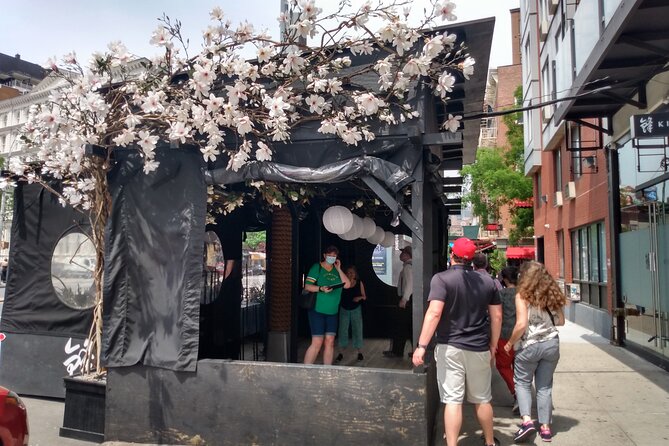
The lesser-known stops give the walk its best chance to offer something beyond a standard list of famous venues. Club 82, On the Rocks, and Great Gildersleeves are included as places where artists honed their craft and gained early support.
These stops matter because music scenes are built from more than the clubs that later become famous. For every celebrated venue, there were smaller rooms, regular audiences, and artists still learning how to command a stage. The route gives those supporting places space in the story.
You should also adjust your expectations. The supplied information does not promise preserved interiors, live music, or access to private buildings. These are historical locations viewed from the walking route. Their value comes from the guide’s account of what happened there and how the venues fitted into the East Village scene.
For me, the smaller sites are a reason to choose this walk over a simple self-guided search for CBGB’s or Fillmore East. A map can show you an address. The tour connects several addresses into one story and explains why each one mattered.
The Mercer Arts Center and the New York Dolls
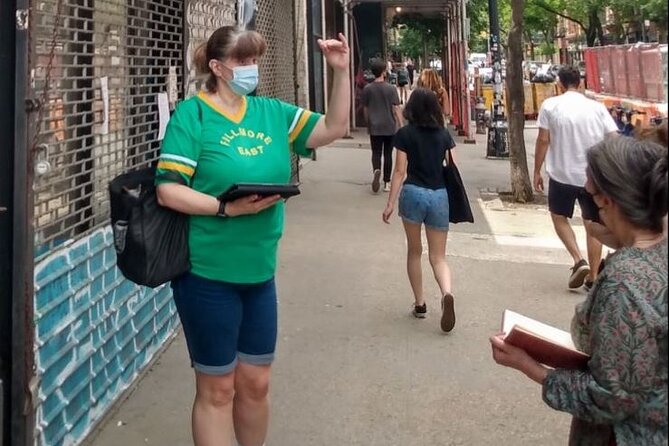
The Mercer Arts Center adds another important chapter through the New York Dolls. The band’s place in the tour helps broaden the subject beyond straight rock concert history and into the theatrical, rough-edged downtown culture that fed later punk.
The New York Dolls were known for a bold stage presence and a sound that did not fit neatly into the mainstream of the time. At their former venue, the tour can connect the band to the rooms and audiences that gave them an early platform.
This stop is valuable for anyone interested in how genres form before they receive a clean label. In the 1970s, many artists did not fit tidy categories. Clubs such as the Mercer Arts Center provided space for that uncertainty, allowing unusual acts to find an audience.
As with the other locations, you will be looking at the present-day street rather than a preserved performance hall. The contrast may be striking, but it can also feel quiet if you are expecting a museum-style attraction. I would approach it as an outdoor history walk, where the stories do the main work.
Infinity and the disco side of the East Village
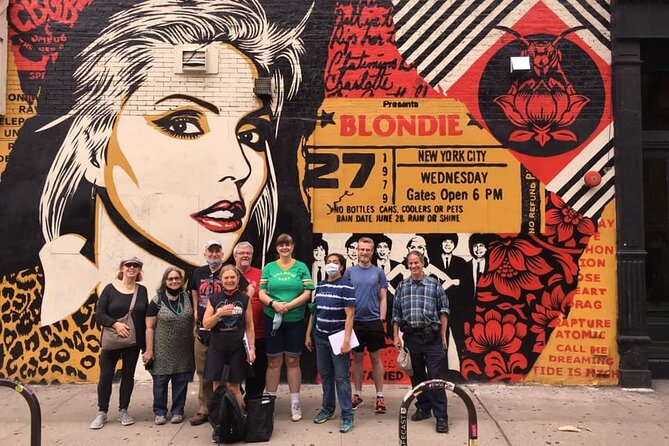
The tour also visits the former site of Infinity, a dance club destroyed by fire in 1979. This stop brings disco into a route otherwise centered on rock, punk, and singer-songwriters.
That change of style is welcome. It shows that 1970s New York music was not one single scene. Different audiences, sounds, and nightspots existed side by side. A club built around dancing tells a different part of the decade from a rock room or a punk venue.
The fire is part of the site’s story, but the information provided does not indicate that you will enter the former club or see a preserved memorial. You will hear about the location as part of the street walk. I would treat it as a short but useful change of pace rather than a major attraction on its own.
What the two-hour format feels like
Two hours is enough time to cover the listed East Village locations without turning the outing into an all-day commitment. It also means the guide must keep the stories moving. The small group cap of 12 helps here. A group that size should make it easier to stay together on city sidewalks and hear the commentary than a large coach-style outing.
There is no promise of a particular guide beyond the provider, Ann McDermott. If you have a question about who will lead your date, ask before booking rather than assuming the provider herself will conduct every walk.
The tour is offered in English. Most people can participate, and service animals are allowed. It is near public transportation, with the starting point on 2nd Avenue and the ending point close to the R/W trains.
I would not choose this tour if you want a seated lecture, an indoor venue tour, or a collection of artifacts. I would choose it if you enjoy walking, can picture the past from present-day streets, and want a guide to connect several music addresses in one outing.
The $50 price and what you receive
At $50, this is not a bargain sightseeing walk in the usual sense. You are paying for about two hours of guided interpretation in a group of no more than 12, not for tickets to concerts, museums, or historic buildings.
The price makes more sense if you value the route’s range. You visit major names such as Fillmore East, CBGB’s, and The Bottom Line, but you also hear about Club 82, On the Rocks, Great Gildersleeves, the Mercer Arts Center, and Infinity. That mix would take time to research and organize on your own.
The tour is a better buy for a serious music fan than for someone seeking a general East Village introduction. It may also suit a repeat New York visitor who has already seen the main sights and wants a focused walk with a clear theme.
One practical caution deserves attention. A scheduled tour once had a guide fail to appear, and the provider later apologized, offering a free tour and reimbursement of travel expenses, but the offer came too late for the customer to use. That appears to be an isolated incident in the supplied information, but it is still worth checking your confirmation and contacting the provider promptly if anything seems unclear on the day.
The experience currently carries a 4.7 rating, with 92 percent of customers recommending it. Those figures suggest strong overall approval, while the no-show account reminds you that even a well-liked small operation can have an occasional service problem.
Weather, cancellation, and planning details
The tour requires good weather. If poor conditions cancel it, you can choose another date or receive a full refund. It may also be canceled if the minimum number of participants is not reached, with the same choice of another date or a full refund.
You can cancel for a full refund up to 24 hours before the 11:00 a.m. start time. Changes or cancellations made inside that 24-hour window are not accepted and are not refunded. The cut-off follows New York local time.
I would book only after checking the forecast and leave some flexibility in your schedule if possible. Since this is a walking route, rain or unpleasant conditions can affect the experience more than they would on an indoor attraction.
Who should book this tour
I would recommend it most strongly to:
- Fans of 1970s rock, punk, glam, and disco
- Visitors who enjoy city history told through real addresses
- People who prefer small-group walks to large sightseeing groups
- Repeat visitors looking for a focused East Village activity
- Anyone interested in how musicians developed before fame
I would be more cautious if you need indoor access, physical exhibits, or a fully preserved historic setting. The tour’s sites are former venues, and much of the experience depends on listening, imagining, and noticing how the neighborhood has changed.
Should you book the East Village music venues walk?
Book it if the names Fillmore East, CBGB’s, The Bottom Line, Patti Smith, Springsteen, The Who, Pink Floyd, or the New York Dolls mean something to you. The small group and mix of famous and lesser-known venues give the walk a clear purpose, and the final stop near Washington Square Park and the R/W trains is handy.
Skip it if you want live music, indoor access, or a broad introduction to New York. At $50, the tour earns its price through stories and connections, not attractions you can enter. For the right audience, that is a fair trade: you spend two hours walking through the addresses where 1970s New York music found its voice.
FAQ
Where does the tour start?
The tour starts at 105 2nd Avenue, New York, NY 10003.
What time does the tour begin?
The stated start time is 11:00 a.m.
Where does the tour end?
The walk ends at 15 East 4th Street, in front of what used to be The Bottom Line.
How long does the tour last?
The tour lasts approximately two hours.
How much does the tour cost?
The price is $50 per person.
How many people can join the tour?
The tour has a maximum of 12 participants.
What language is offered?
The tour is offered in English.
Are service animals allowed?
Yes. Service animals are allowed.
What happens if the tour is canceled because of weather?
You will be offered a different date or a full refund. The same options apply if the minimum number of participants is not reached.
Just listed around New York City
- NYC New York Airport Transfer JFK/LGA/EWR to Manhattan | Brooklyn★ 3.5 · 12 reviews
- 6 hour Bus tour and 1 hour Boat Ride by the Statue of Liberty★ 5.0 · 12 reviews
- Central Park and 5th Avenue Walking Tour★ 5.0 · 12 reviews
- New York City Chilling Nightmares & Necromancy Ghost Tour★ 4.5 · 12 reviews
- Statue of Liberty Sightseeing Cruise 60 Min★ 3.0 · 12 reviews
- NYC Bar Tour: Gangsters, Heroes + Bright Lights of Broadway★ 4.6 · 12 reviews
- AIANY Climate Change Tour in New York★ 5.0 · 12 reviews
- New York City E Bike Rentals★ 4.0 · 12 reviews
Lower East Side & East Village Tours, compared.
Lower East Side Food Tour: Taste NYC’s American Dream
Read our review →
Taste the American Dream a Lower East Side Food Tour
Read our review →
East Village Rock and Roll Tour *Rock Junket Tours
Read our review →

Guided tour of Lower East Side, Chinatown and Little Italy in French
Read our review →Browse the lists this tour appears in