Reviewed · TOURS
Gilded Age Mansions Tour in New York
New York’s surviving Gilded Age mansions tell their best stories through contrast: grand limestone façades outside, modern uses inside, and a guide connecting both to the people who built them. This two-hour walk moves from East 78th Street to East 91st Street, with short interior visits and a stop inside the Metropolitan Museum of Art.
I like the way the tour puts famous names and buildings together, so you learn not only what a mansion looks like but who paid for it, who designed it, and what became of it. I also like the guides’ use of photos and videos, which helps you picture interiors and former residents that you cannot see today.
The main thing to know is that this is mostly an outdoor history walk, not a chance to wander freely through eleven preserved private mansions. You may enter a few buildings and see their main halls, but many interiors are now schools, museums, private spaces, or modernized rooms.
In This Review
- Key points to know before you book
- Upper East Side mansions, from East 78th Street onward
- 972 Fifth Avenue and the value of looking inside
- Women, scandals, and a mansion saved from destruction
- 1009 Fifth Avenue and the cost of great wealth
- The Metropolitan Museum of Art and Gilded Age glamour
- 1040 Fifth Avenue and the fight to preserve New York
- Neue Galerie and the Vanderbilt connection
- Philanthropy at 2 East 91st Street
- East 91st Street, modern celebrities, and social connections
- 1109 Fifth Avenue and the final challenge to society
- What the guide adds to the buildings
- Weather, walking, and accessibility
- Is $40 a fair price?
- Who should book this Upper East Side walk?
- Should you book it?
- FAQ
- How long does the Gilded Age Mansions Tour last?
- Where does the tour begin and end?
- Do I get to tour the inside of the mansions?
- Is admission to the Metropolitan Museum of Art included?
- Is admission to the Neue Galerie included?
- Is the tour wheelchair accessible?
Key points to know before you book
- Most of the mansions are viewed from the sidewalk, with the guide explaining their owners, architects, and later lives.
- Preserved main halls provide the indoor access, but visits are brief and are not full-building tours.
- The Metropolitan Museum of Art is part of the route, and admission is included at that stop.
- Matthew, Care, and AJ have led especially strong tours, with clear storytelling, photos, and answers to questions.
- The route is an easy two-hour walk, but winter weather can make the outdoor portions uncomfortable.
- The $40 price is fair for a small-group city walk, especially if you care more about stories and context than extensive interior access.
Upper East Side mansions, from East 78th Street onward
The meeting point is at 1 East 78th Street, in one of New York’s most polished museum and mansion districts. The walk ends at 1109 Fifth Avenue near East 91st Street, so you move steadily north along Fifth Avenue and nearby streets rather than doubling back.
The group can include up to 20 people. That is small enough for a guide to manage questions and find quieter spots away from traffic, though the experience still depends on standing outside and hearing clearly on city sidewalks.
At the first mansion, you begin with the basic question: what did Gilded Age wealth look like in New York? The answer is not just a large house. It is a carefully placed statement about family rank, money, taste, and social access.
The guide introduces the owner, the architects, and the social world that produced these houses. This opening is useful because it gives the rest of the walk a frame. Instead of seeing a row of old buildings, you start noticing the competition between families and the effort involved in keeping up appearances.
Big New York City bookings that pair well with this one:
- NYC: SUMMIT One Vanderbilt Tickets
★ 4.7 · 51,195 reviews - NYC: 9/11 Memorial & Museum Timed-Entry Ticket
★ 4.8 · 31,428 reviews - NYC: Empire State Building Tickets – Observatory & Museum
★ 4.7 · 25,757 reviews
972 Fifth Avenue and the value of looking inside
At 972 Fifth Avenue, the tour goes inside and turns to a scandal involving the architect. This is a good example of the tour’s method: architecture is the doorway, but the people make the story memorable.
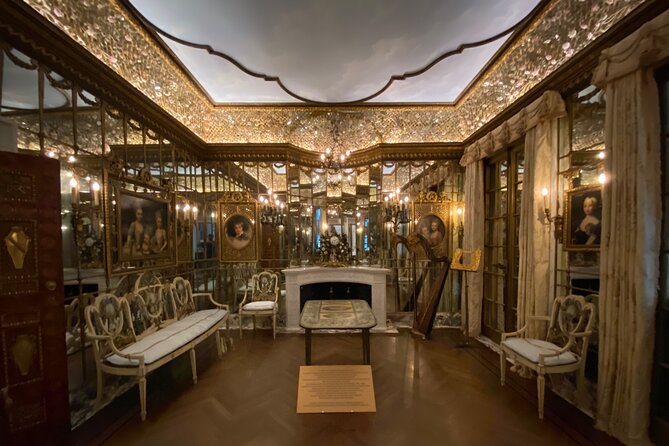
The indoor portions matter because they offer a glimpse of preserved craftsmanship that cannot be read easily from outside. Expect a short visit rather than a long inspection of rooms, furniture, and private apartments.
That distinction is important. The advertised mansion access does not mean you roam through every building on the route. In several cases, the part open to the group is the main hall. It may be called a lobby in casual terms, but it is a preserved central interior with decorative work from an earlier era.
If you want a full mansion house tour, this will feel limited. If you enjoy seeing one surviving interior detail and then hearing how the building changed, the short visit adds real value.
Women, scandals, and a mansion saved from destruction
The next stops broaden the story beyond wealthy men and elaborate façades. One former owner’s ex-wife is presented as a pioneer for women in America. That shift is welcome. The Gilded Age was not only about husbands, heirs, and business fortunes. Women shaped philanthropy, education, reform, and public life, even when society placed strict limits on them.
At 2 East 79th Street, the stories become darker and more tangled. One owner went to prison in connection with one of the largest scandals in American history. Two reclusive owners had a link to a major figure from early New York, and the building itself survived a threat of destruction.
This is where a good guide earns the $40 fee. A façade alone cannot tell you why a house mattered, why its owners attracted attention, or why it survived when so many other mansions disappeared.
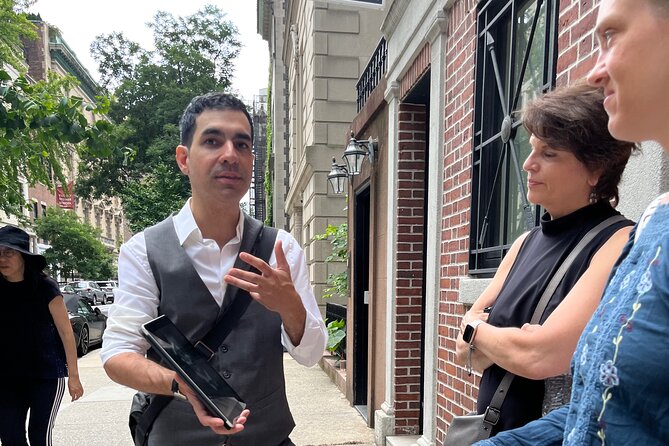
The guides who have led this walk, including Matthew, Care, and AJ, bring different strengths, but the repeated praise centers on clear delivery and strong storytelling. Matthew often uses photos and videos. Care has been especially attentive to group comfort, speaking loudly enough for older participants and positioning the group away from traffic noise.
1009 Fifth Avenue and the cost of great wealth
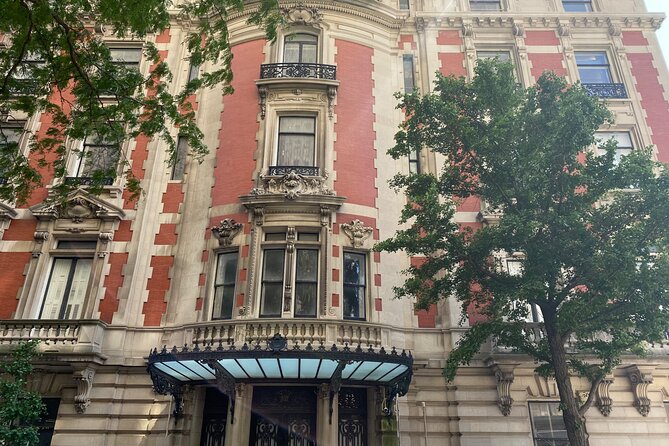
At 1009 Fifth Avenue, you learn about the surprising size of the mansion and a former owner’s gift to students at a leading American university. The point is not simply that the house was big. It is that private fortunes could be turned into lasting institutions through scholarships and public giving.
This is one of the more useful themes in the walk. The guide does not present the wealthy as a single type. You hear about vanity, scandal, generosity, and civic ambition. Some people built enormous homes to impress society. Others used money to support education, science, the arts, or peace.
The tour is strongest when it holds those ideas together. The buildings were products of inequality, but the people connected to them also shaped institutions that still affect public life.
Another side of New York City for the same day:
- New York City: Statue of Liberty & Ellis Island with Ferry
★ 4.6 · 18,683 reviews - New York City: American Museum of Natural History Ticket
★ 4.5 · 15,447 reviews - Statue of Liberty and Ellis Island Tour: All Options
★ 5.0 · 13,571 reviews - New York in One Day Guided Sightseeing Tour
★ 5.0 · 13,166 reviews
The Metropolitan Museum of Art and Gilded Age glamour
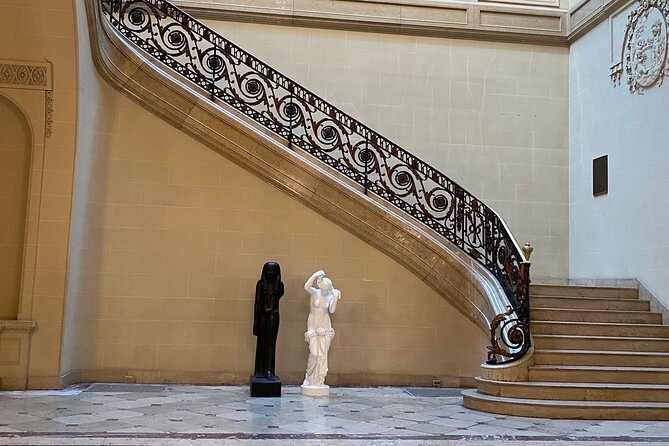
The route then enters the Metropolitan Museum of Art. Admission is included for this stop, and the guide connects the Met Gala with the glamour of the Gilded Age.
This is not presented as a full museum visit. Ten minutes is enough for a focused explanation, not for seeing the collection or exploring the galleries on your own. If you want time at the Met, plan a separate visit before or after the walk.
Still, the stop makes sense. The Met is closely tied to New York’s elite culture, grand public events, fashion, collecting, and the display of wealth. Connecting today’s Met Gala to the social theater of the Gilded Age gives the modern institution a sharper context.
For fans of the television series The Gilded Age, this part of the walk should feel especially familiar in spirit. You see how status was performed, how access was controlled, and how architecture helped turn private fortune into public image.
1040 Fifth Avenue and the fight to preserve New York
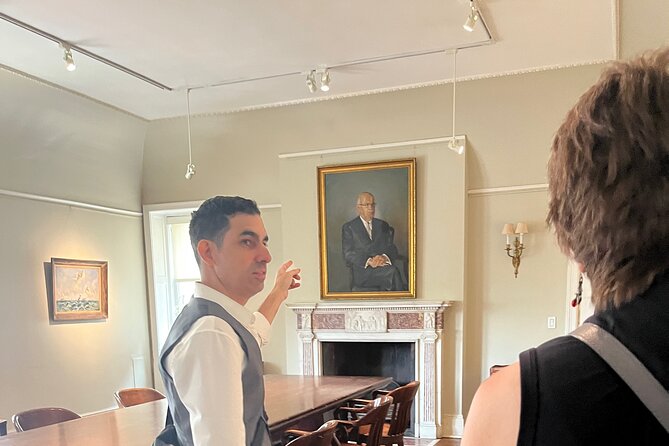
At 1040 Fifth Avenue, the guide explains how a famous former resident helped save one of New York’s most beautiful Gilded Age buildings from destruction. Preservation is a key part of this tour, because the grandest mansion era was also an era of change.
Many of these houses no longer serve as private family residences. Some became schools, museums, or other institutions. Others remain privately owned. Some modern museums have not retained the original interiors, which means the outside is more revealing than the inside.
That may sound like a limitation, but it is also part of the city’s story. New York has always rebuilt, repurposed, and argued over its buildings. The surviving mansions are here because someone, at some point, decided they were worth saving.
Neue Galerie and the Vanderbilt connection
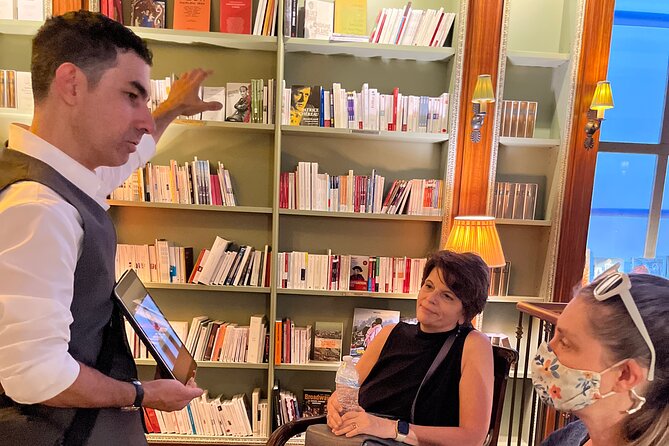
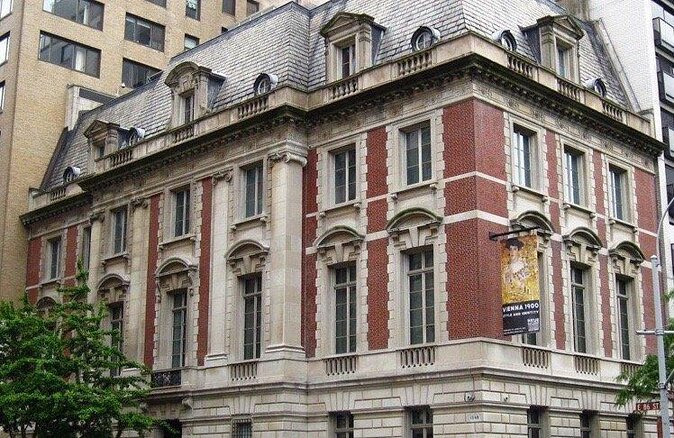
The Neue Galerie stop adds a strong family thread. You learn about the Vanderbilt connection to the building and how the Vanderbilts became one of the richest and most influential families in America.
Admission to the Neue Galerie is not included. The tour explains the building and its connection to the family, but you should not expect to enter the museum as part of the ticket.
This is a good place to look closely at how a family name became a social force. The Vanderbilt story helps explain why New York’s Gilded Age was so competitive. Wealth could arrive quickly, but acceptance by established society was another matter.
The guide’s job here is to make the family connection clear without turning the stop into a dry genealogy lesson. The best moments come when the building, the name, and the social ambition all line up.
Philanthropy at 2 East 91st Street
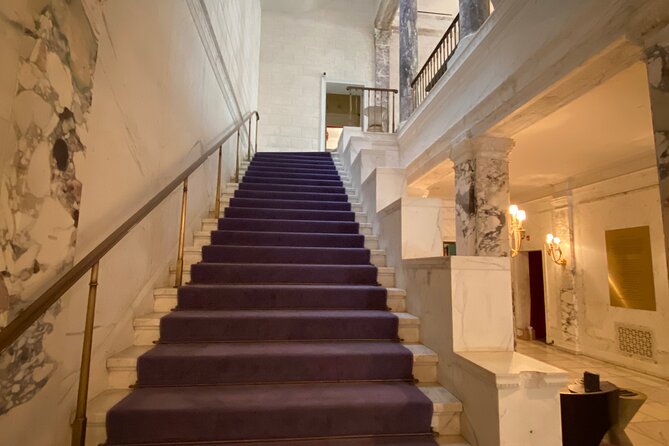
At 2 East 91st Street, the focus turns to a mansion owner who helped shape American philanthropy. The subjects include science education, the arts, and peace.
This stop gives the walk some moral balance. The tour does not ask you to admire every wealthy family simply because they lived in grand houses. Instead, it shows how money could serve both personal display and public causes.
You might find this section especially useful if you care about museums, universities, and cultural institutions. Many of New York’s public treasures have links to private fortunes, and the tour shows how that system worked.
It also gives you a better way to read the streets afterward. When you pass another monumental townhouse, you can ask not only who lived there, but what their money funded and what their legacy became.
East 91st Street, modern celebrities, and social connections
At 1 East 91st Street, the guide reveals a surprising connection between the mansion’s owner and Taylor Swift, Lady Gaga, and the Jonas Brothers. This modern link helps keep the tour from feeling sealed off in the past.
The point is not that these performers lived in the mansion. The connection is a bridge between old New York wealth and the way entertainment, celebrity, and public image work today.
That kind of present-day reference is one reason the storytelling appeals to people who already enjoy The Gilded Age. You get the period details, but you also get reminders that New York’s social machinery did not vanish. It changed its costumes and venues.
1109 Fifth Avenue and the final challenge to society
The final stop, 1109 Fifth Avenue, tells how the owner was warned not to build the mansion, then went ahead anyway. It is a fitting ending: a story about money, confidence, social rules, and refusal to accept someone else’s limits.
The tour ends here rather than returning to the starting point. That makes it easy to continue toward nearby museums or other Upper East Side sights, but you should plan your next stop around the end point at East 91st Street.
The route covers eleven stops, yet each stop is short. The guide may spend only five minutes at one building and ten at another. This keeps the walk moving, but it also means you must be comfortable listening in short bursts and shifting locations often.
What the guide adds to the buildings
The strongest part of this experience is the guide. The mansions are impressive, but you can see their façades on your own. The guide adds the ownership records, architectural details, scandals, family links, and preservation stories that turn sightseeing into a connected lesson.
Matthew is described as an engaging storyteller who uses photos and videos to bring lost interiors and former residents into view. Care is praised for being considerate, easy to hear, and willing to answer questions after the scheduled walk. On cold days, Care has even used hand warmers and allowed extra indoor time when possible.
AJ is also described as entertaining and well informed. The exact guide may vary, so you should not book on the assumption that one particular person will lead your date. Still, the experience provider is Matthew LaSpata, and the guide quality is clearly central to the design of the walk.
The tour works best when you ask questions. Guides can explain who occupies buildings today, which interiors survived, and how a mansion’s purpose changed over time.
Weather, walking, and accessibility
This is an outdoor tour that requires good weather. Dress for the forecast, and remember that the indoor visits are brief. Cold weather can make the experience less comfortable, although the route can be adjusted to keep the group moving and warm when possible.
The walk is described as comfortable and suitable for most people. It is wheelchair-friendly, and service animals are welcome. The route is near public transportation, which helps with reaching the meeting point and leaving from the final stop.
You receive a mobile ticket, and the tour is offered in English. The group size is capped at 20, which is helpful on busy sidewalks and makes it easier to hear a guide using photos or a phone screen.
Is $40 a fair price?
At $40 per person, this is a reasonable price for a two-hour, small-group walk with a guide and admission included at the Metropolitan Museum of Art stop. You are paying mainly for interpretation, not for extensive access to private rooms.
The value is strongest if you would otherwise walk past these buildings without knowing their stories. It is weaker if your main goal is to enter grand interiors, take your time with decorative details, or visit several museums.
Free cancellation is available up to 24 hours before the start time. A cancellation within 24 hours is not refunded, and bad weather may lead to a different date or a full refund.
Who should book this Upper East Side walk?
I would choose this tour if you enjoy architecture, New York social history, preservation, or the television series The Gilded Age. It is also a good pick if you live near the city and have passed these buildings many times without knowing who built them.
Families, couples, and friends can all manage the two-hour format. The stories include romance, generosity, scandal, prison, murder, women’s rights, philanthropy, and modern celebrity links, so the subject stays varied.
I would skip it if you expect to tour eleven mansions from room to room. You will mostly see the exteriors, with short access to a few preserved main halls. That limitation should be clear before booking.
Should you book it?
Book this tour if you want the Upper East Side to make sense as more than a pretty stretch of Fifth Avenue. At $40, you get a focused walk, a small group, selected indoor access, and a guide who can connect old fortunes to modern New York.
Do not book it for mansion interiors alone. Book it for the stories behind the stone: the families who competed for status, the women who pushed beyond social limits, the fortunes that funded public causes, and the buildings that survived New York’s appetite for change.
FAQ
How long does the Gilded Age Mansions Tour last?
The tour lasts approximately two hours.
Where does the tour begin and end?
It begins at 1 East 78th Street in New York City and ends at 1109 Fifth Avenue near East 91st Street.
Do I get to tour the inside of the mansions?
You enter some buildings and see preserved main halls, but most of the route is outdoors. The tour does not provide full access to every mansion or every floor.
Is admission to the Metropolitan Museum of Art included?
Yes. Admission is included for the Metropolitan Museum of Art stop.
Is admission to the Neue Galerie included?
No. Admission to the Neue Galerie is not included.
Is the tour wheelchair accessible?
The tour is wheelchair-friendly, service animals are welcome, and it is near public transportation. Most people can participate.
Just listed around New York City
- NYC: Little Shop of Horrors Off-Broadway Ticket5 reviews
- Private NYC Airport Transfer: LGA to Manhattan – Up to 5★ 3.6 · 5 reviews
- New York City Tour in German★ 4.5 · 5 reviews
- New York Afternoon Fall Foliage Cruise with Lunch★ 5.0 · 6 reviews
- New York: Hamilton and Washington Revolutionary Walking Tour★ 5.0 · 5 reviews
- NYC Freedom Tower Private Photo or Video Experience★ 4.0 · 6 reviews
- Brooklyn Walking Tours by Locals: Private & 100% Personalized★ 4.0 · 6 reviews
- Southold Bay Oyster Farm Tour★ 5.0 · 6 reviews
Tours, compared.

Statue of Liberty and Ellis Island Tour: All Options
Read our review →




9/11 Memorial, Ground Zero Tour with Optional 9/11 Museum Ticket
Read our review →
Hop-on Hop-off Sightseeing Tour by Open-top Bus
Read our review →