
Reviewed · BROADWAY SHOWS & TICKETS
New York City: Museum of Broadway Entry Ticket
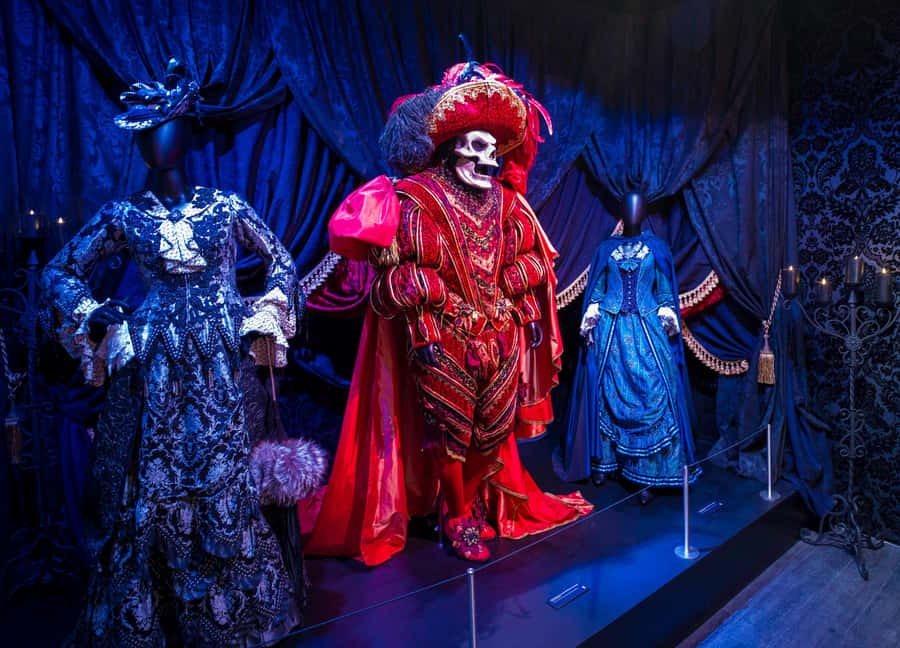
Broadway is more than bright signs and famous show titles. At the Museum of Broadway, you follow the theater district’s growth through three floors of exhibits, then step behind the curtain to see the many jobs needed to put a musical on stage. Costumes, props, videos, and hands-on displays keep the visit moving.
I like the way the museum connects famous productions with the people who made them possible. I also like its attention to Broadway’s socially progressive moments, showing how theater challenged old ideas and opened doors for those who followed. The main drawback is practical: you can feel rushed in an hour, and much of the visit takes place on your feet, with three flights of stairs.
In This Review
- Key points to know before you go
- Starting the Broadway story in Times Square
- Broadway’s early years and changing theater district
- Costumes, props, and the shows you already know
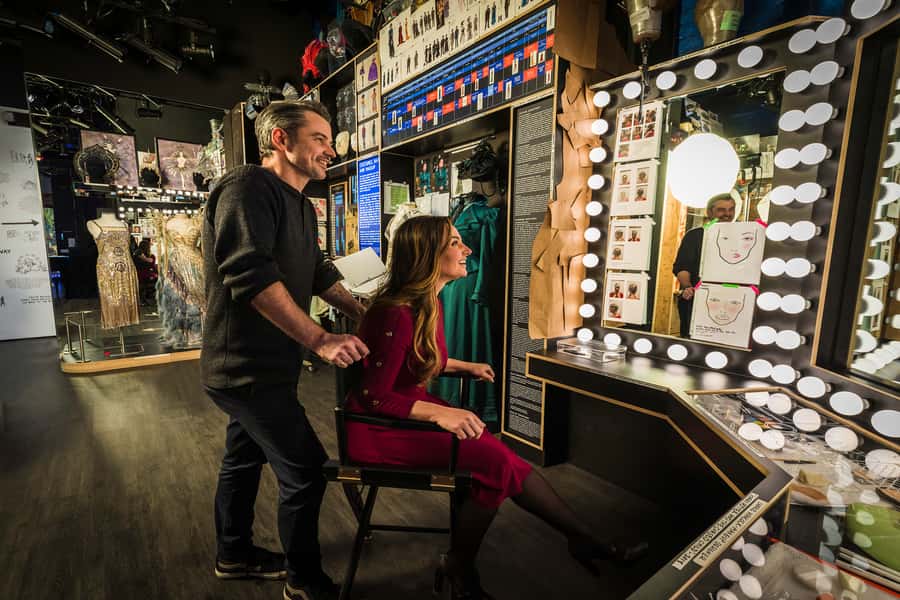
- The backstage work behind a Broadway musical
- Social change and Broadway’s wider role
- How long should you spend inside?
- Is the $41 ticket good value?
- Comfort, access, and useful planning tips
- Who will enjoy this museum most?
- Should you book the Museum of Broadway?
- FAQ
- Where is the Museum of Broadway located?
- How much does admission cost?
- How long is the ticket valid?
- What does the ticket include?
- How do I enter the museum?
- Are children allowed to visit alone?
- Can I bring a stroller into the exhibit areas?
- Are service animals permitted?
- Can I cancel my booking for a refund?
Key points to know before you go
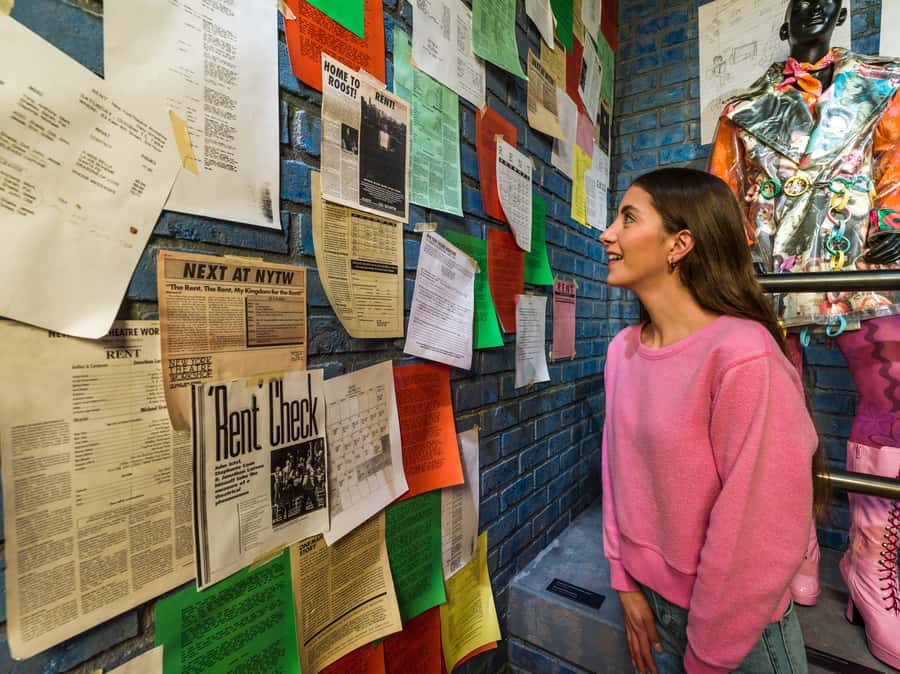
- Three floors tell Broadway’s story: Follow its growth from the early theater district to present-day productions.
- Real stage costumes and props add weight: Displays become more memorable when you can see objects used in major shows.
- The backstage section widens the picture: Learn about the unseen creative and technical work behind a musical.
- Interactive rooms suit more than theater experts: Videos, hands-on stations, and photo spots make the museum approachable for families.
- Plan around two hours: An hour is possible, but it leaves little time for details and interactive displays.
- The Times Square location is convenient: You present your voucher at the museum, with no separate tour transport involved.
Starting the Broadway story in Times Square
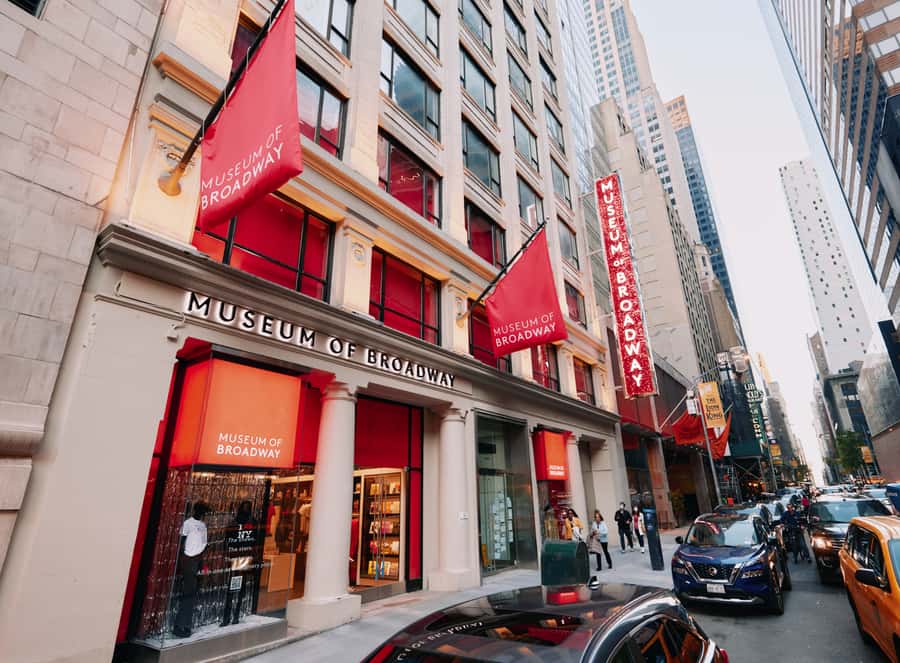
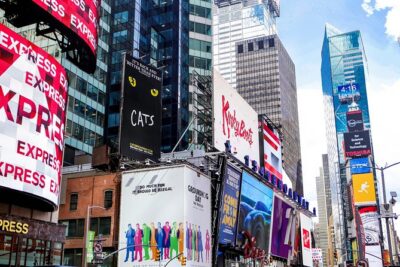
The Museum of Broadway sits in the heart of Times Square, so it is easy to pair with a show, a meal, or a walk through the theater district. You present your voucher at the museum and then make your way through the exhibit areas at your own pace.
This is not a performance with a guide leading a group from room to room. The ticket gives you entry to a designed museum experience, with videos, objects, text, and interactive elements doing the storytelling. That makes the pace flexible, though it also means you should give yourself enough time to read and watch rather than simply walk through.
The museum’s central idea is simple and useful: Broadway is not just a list of musicals. It is a long-running creative system made up of writers, performers, directors, designers, technicians, producers, builders, musicians, and many other workers. The visit keeps bringing that point back into view.
More Broadway seats to book:
- NYC: Aladdin the Musical on Broadway
★ 4.8 · 1,800 reviews - NYC: The Lion King on Broadway
1,609 reviews - NYC: MJ the Musical on Broadway
1,510 reviews
Broadway’s early years and changing theater district
The first part traces Broadway from its birth and early development. You see how the theater district expanded and how the productions associated with it changed over time. The focus is not only on individual hits, but also on the people and turning points that helped shape the form.
Videos play an important role here. They show the history of Broadway’s theaters and help give the displays a sense of movement. If you enjoy visual storytelling, this section does more than present a row of dates and names. If you prefer a quiet museum with long written panels, the screens and busy design may feel more active than expected.
I would take time with the early rooms instead of rushing toward the recognizable show material. The growth of Broadway explains why the district became such a major center for live theater, and it gives later costumes and props more meaning.
The exhibits were created with artists, designers, and theater historians from around the world. That teamwork is apparent in the way the rooms are staged. This is a theatrical museum, not a plain archive. Sets, lighting, video, and display design are part of the experience.
Costumes, props, and the shows you already know
The most immediate appeal for many people will be the costumes and props connected with Broadway productions. They give you a closer look at the materials that help performers create a character and help a production establish its world.
A photograph of a costume can be striking, but seeing its fabric, shape, and construction in person is a different kind of encounter. Props work in much the same way. They connect a familiar show to the physical objects handled by performers and stage crews.
The collection covers a wide range of productions, so you are likely to recognize some titles and encounter others you know less well. That variety keeps the displays from feeling like a tribute to one narrow period or style of musical.
I especially like this part for visitors who have seen Broadway shows but never thought much about their physical design. A costume is not only decoration. It must fit the performer, support movement, suit the character, and work under stage conditions. A prop must look right, function properly, and be ready for repeated performances.
The museum also includes photo spots and playful themed rooms. These give families and younger visitors something to do between the more serious historical sections. They can add a light touch, though anyone hoping for a quiet, object-focused museum may find the photo opportunities a little distracting.
The backstage work behind a Broadway musical
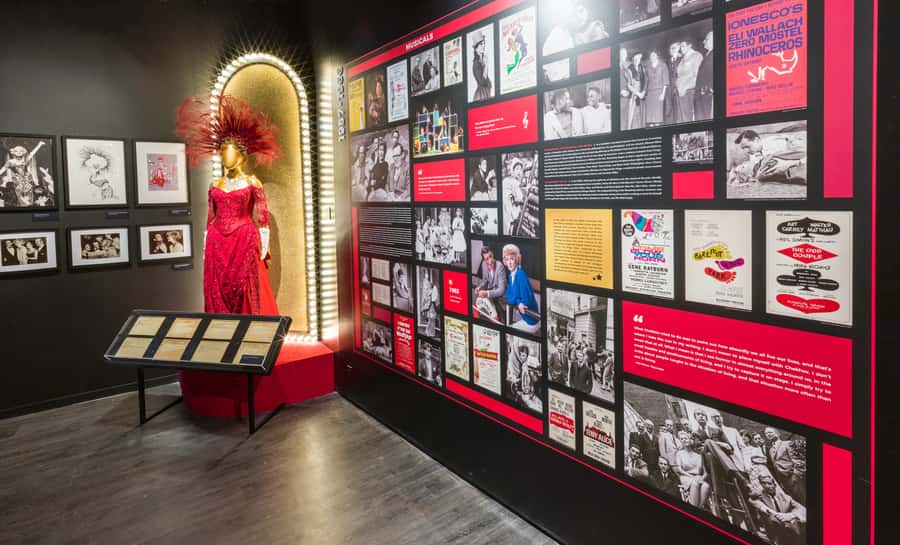
The behind-the-scenes section is one of the museum’s most useful features. It explains what it takes to make a Broadway show, including the many roles that receive little attention once the curtain rises.
You learn to think beyond the actors and director. A production depends on design, construction, wardrobe, lighting, sound, stage management, music, rehearsal work, and production planning. The exact jobs on display are presented as part of the larger process of building a musical.
This section can change the way you watch a show later. When you sit in a theater, you may notice the set moving, the lighting shifting, or a costume change happening in seconds. The museum helps you connect those visible results with the work taking place out of sight.
For children and teenagers, this may be the strongest reason to visit. It shows that a career in theater is not limited to performing. For adults who already know Broadway well, the backstage material adds substance beyond a collection of famous names.
Allow time to stop at the hands-on spots. The interactive features are not just extras for children. They make abstract production work easier to understand, especially if you have never been inside a rehearsal room or backstage area.
More New York City museums to visit:
- NYC: 9/11 Memorial & Museum Timed-Entry Ticket
★ 4.8 · 31,428 reviews - NYC: Empire State Building Tickets – Observatory & Museum
★ 4.7 · 25,757 reviews - New York City: American Museum of Natural History Ticket
★ 4.5 · 15,447 reviews - NYC: Museum of Modern Art (MoMA) Entry Ticket
★ 4.6 · 12,540 reviews
Social change and Broadway’s wider role
Broadway’s story includes more than commercial success. The museum also highlights moments that pushed creative boundaries, challenged social norms, and helped make theater more open to new voices.
This is an important part of the visit because it places productions in a wider cultural setting. Shows can entertain, but they can also question accepted ideas, bring difficult subjects into public view, and change what audiences expect from popular theater.
The museum presents socially progressive moments alongside its production history. That helps you see Broadway as a place where artistic choices and social change often meet. The section should appeal to anyone who wants context rather than only costumes and celebrity memorabilia.
The treatment is still designed for a broad public audience, not for a full academic study of American theater. You will get a guided overview of key developments, but not every production, performer, or debate can appear in a museum visit of this size. I see that as a reason to treat the museum as an introduction and a springboard for further reading, not as the final word on Broadway.
How long should you spend inside?
The official duration is one day, which gives you flexibility around your schedule. In real terms, I would plan for about two hours if you want to watch the videos, read the historical material, examine the costumes and props, and use the interactive displays.
One hour is possible, but it is tight. You will need to move quickly, and you may not have time to linger over the details. The museum’s exhibits are designed to encourage pauses, so a short visit can feel incomplete.
Two hours also gives you room for the museum shop at the end. It carries Museum of Broadway and Broadway show merchandise, which may appeal if you want a small reminder of the visit or a gift for a theater fan.
Crowds can gather in some sections, especially around hands-on displays and photo spots. Lockers are available, which helps if you are carrying bags while spending time in Times Square. Strollers cannot go beyond the lobby and merchandise store, so they must be checked before you enter the exhibit areas.
Is the $41 ticket good value?
At $41 per person, this is not a casual free hour between sightseeing stops. You are paying for a purpose-built museum in one of New York’s most expensive and heavily visited areas. The value depends on how much time and interest you bring to it.
I think the price makes more sense if you are a Broadway fan, planning to see a show, or visiting with someone who wants to understand theater production. The combination of historical material, actual costumes and props, video, design, and interactive displays gives you more than a small collection of framed posters.
It is less convincing for someone with only a passing interest in musicals, especially if you already have a packed Times Square schedule. The museum is indoors and convenient, but you still need to set aside enough time to get your money’s worth.
Families should also consider the cost for the whole group. The hands-on areas and themed rooms make the museum accessible to younger visitors, but the historical sections may hold their attention for less time. Adults who enjoy Broadway will likely get more from the details.
The strong overall rating of 4.6 from 113 reviews matches the main pattern of the experience: people value the presentation, staff friendliness, props, costumes, and the amount of material. The few reservations are practical rather than serious complaints, mainly limited time and the amount of standing and stair use.
Comfort, access, and useful planning tips
You will be on your feet for much of the visit. There are three flights of stairs, so keep that in mind if stairs are difficult for you. The supplied information does not describe an alternate route through the exhibit areas, so contact the provider before booking if you need specific access arrangements.
Children aged 12 and under must be accompanied by an adult aged 18 or older. Service animals are permitted as authorized by applicable law.
Wear comfortable shoes. That sounds basic, but it matters here because the best visit involves stopping often, standing at displays, and moving through several floors.
Because the ticket is non-refundable, choose your timing carefully. Check the available starting times before you commit, and avoid squeezing the museum into a narrow gap before a Broadway performance. Times Square can make even a short transfer take longer than expected, and you do not want to race through the final rooms.
There is no transport component. You make your own way to the museum, present the voucher, and enter. That simplicity works well if you are already in midtown Manhattan.
Who will enjoy this museum most?
I would recommend it first to:
- Broadway and musical theater fans
- Visitors seeing a show who want more context before or after curtain time
- Families with older children interested in costumes, design, and performance
- People curious about backstage work and theater careers
- Visitors who enjoy interactive museums and photo-friendly displays
- Anyone who wants an indoor Times Square activity with a clear cultural focus
You do not need expert knowledge to enjoy the museum. The timeline and visual displays provide an easy entry point, while the production details reward people who already know theater well.
I would be more cautious if you dislike interactive exhibits, have only a few spare minutes, or find three flights of stairs and extended standing uncomfortable. The museum is also not a substitute for seeing a live Broadway show. It explains how theater is made, but it cannot reproduce the energy of a performance in front of an audience.
Should you book the Museum of Broadway?
Book it if Broadway is a major part of your New York plans, or if you want to understand the work behind the curtain rather than simply pose beneath the theater marquees. Give yourself two hours, wear sensible shoes, and take your time with the videos, costumes, props, and backstage displays.
Skip it if your schedule is already crowded and your interest in theater is mild. At $41, the ticket deserves more than a quick walk-through. For the right visitor, though, the museum turns Broadway from a collection of famous names into a story about design, labor, social change, and the craft of putting on a show.
FAQ
Where is the Museum of Broadway located?
It is located in the heart of Times Square in New York City.
How much does admission cost?
The entry ticket costs $41 per person.
How long is the ticket valid?
The activity has a duration of one day. Check availability for the available starting times.
What does the ticket include?
The ticket includes entry to the Museum of Broadway.
How do I enter the museum?
Present your voucher at the Museum of Broadway.
Are children allowed to visit alone?
No. Guests aged 12 and under must be accompanied by an adult aged 18 or older.
Can I bring a stroller into the exhibit areas?
No. Strollers are not allowed beyond the lobby and merchandise store. You must check them before entering the exhibit areas.
Are service animals permitted?
Yes. Service animals are permitted as authorized by applicable law.
Can I cancel my booking for a refund?
No. This activity is non-refundable.
Just listed around New York City
- NYC: Little Shop of Horrors Off-Broadway Ticket5 reviews
- Private NYC Airport Transfer: LGA to Manhattan – Up to 5★ 3.6 · 5 reviews
- New York City Tour in German★ 4.5 · 5 reviews
- New York: Hamilton and Washington Revolutionary Walking Tour★ 5.0 · 5 reviews
- NYC Freedom Tower Private Photo or Video Experience★ 4.0 · 6 reviews
- New York Afternoon Fall Foliage Cruise with Lunch★ 5.0 · 6 reviews
- Brooklyn Walking Tours by Locals: Private & 100% Personalized★ 4.0 · 6 reviews
- Southold Bay Oyster Farm Tour★ 5.0 · 6 reviews
Broadway Shows & Tickets, compared.

Broadway and Times Square Insider Tour with Theater Professional
Read our review →
Browse the lists this tour appears in