
Reviewed · HISTORICAL TOURS
NYC: History of Slavery & Underground Railroad Walking Tour
New York’s financial district was built over stories that are easy to miss. This 150-minute walking tour brings colonial slavery, Black resistance, abolition, and the Underground Railroad into the same streets as Wall Street, Trinity Church, and Fraunces Tavern. You are not just looking at old buildings. You are learning what happened around them, and who helped shape the city.
I like two things especially: the tour gives the African Burial Ground National Memorial the attention it deserves, and it connects large historical forces to real New Yorkers who risked property, freedom, and safety to help people escape slavery. Guides including Maia, Ludie, Sean, and Shaun have been praised for clear explanations, thoughtful questions, and a warm way of handling difficult material.
The main consideration is the subject itself. Slavery and racial violence are not light sightseeing topics, and the tour can be emotionally demanding. You will also spend two and a half hours on city sidewalks, so comfortable shoes and weather-ready clothing matter.
In This Review
- Key points to know before you book
- Why this Lower Manhattan tour matters
- Meeting near the American Indian Museum
- Beginning at the African Burial Ground National Memorial
- Colonial New York and the work of enslaved people
- Fraunces Tavern and the history around famous buildings
- Trinity Church and Wall Street from another angle
- Former Underground Railroad locations
- The guide makes or breaks this experience
- How much walking and time you should expect
- Is $49 a fair price?
- Who should book this walk?
- Should you book the History of Slavery and Underground Railroad Walking Tour?
- FAQ
- Where does the tour meet?
- How long does the tour last?
- What language is the tour conducted in?
- Is a tour guide included?
- Does the tour visit the African Burial Ground National Memorial?
- Which major New York sights are included?
- Does the tour explain how the Underground Railroad worked?
- What should I bring?
- Can I cancel the booking for a refund?
Key points to know before you book
- African Burial Ground first: Begin at an archaeological site and memorial honoring enslaved Africans buried in colonial New York.
- Lower Manhattan landmarks with a different story: See Fraunces Tavern, Trinity Church, Wall Street, and other historic places through the lens of Black history.
- Underground Railroad locations: Learn how secret routes, safe houses, and trusted contacts helped enslaved people reach free states and Canada.
- Strong guide-led interpretation: Guides such as Maia, Ludie, Sean, and Shaun have been praised for answering hard questions and presenting the subject with care.
- A manageable but serious walk: The tour lasts 150 minutes, with one past participant describing the walking as substantial but not excessive.
- Good value for history-minded visitors: At $49, the price covers a licensed English-speaking guide and a focused look at a part of New York many standard tours skip.
Why this Lower Manhattan tour matters
I like this tour because it asks you to reconsider the usual New York story. Lower Manhattan is often presented through money, trade, government, and grand architecture. Those themes matter, but they are only part of the picture. Enslaved Africans and their descendants also helped build the city, worked in its homes and businesses, resisted oppression, and shaped its future.
The walk focuses on African American history from the formation of New Amsterdam through the Underground Railroad and abolition. That long time span gives the tour useful structure. You are not hearing isolated facts. You are following a thread from colonial slavery to organized resistance and later efforts to end the system.
I would not book this simply to collect another set of downtown landmarks. Book it if you want those familiar streets explained in a fuller way. The tour is especially useful for anyone who has already seen the Statue of Liberty, Times Square, or the usual Manhattan highlights and now wants to understand the city’s past with more honesty.
More New York City history walks:
- New York City: American Museum of Natural History Ticket
★ 4.5 · 15,447 reviews - NYC: Starship Landmark 90 Minute Sightseeing Cruise
★ 4.6 · 3,666 reviews - Starship Landmark 90 Minute Sightseeing Cruise
★ 4.5 · 2,073 reviews
Meeting near the American Indian Museum
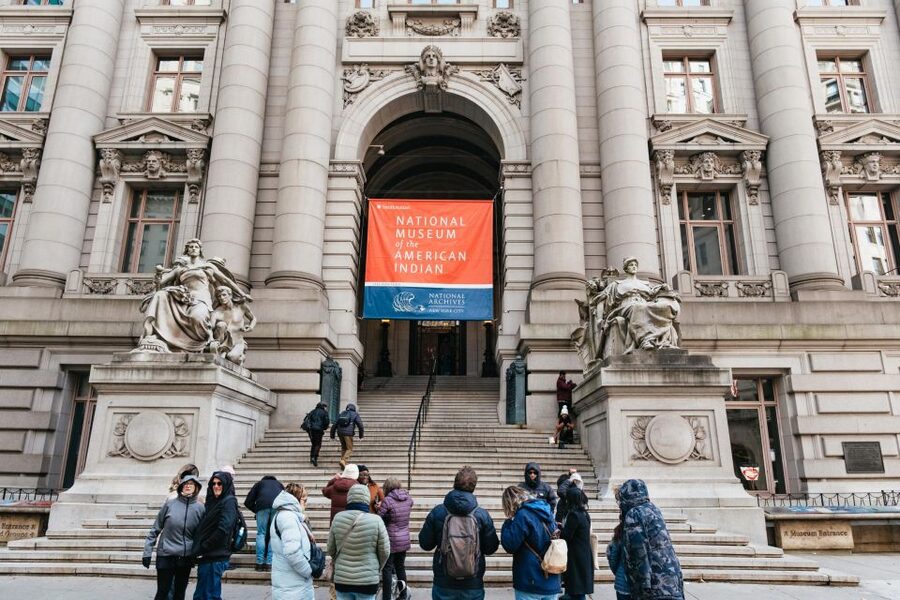
The meeting point is in front of the American Indian Museum. The supplied details do not specify the exact route from your hotel or the precise street address, so check your booking information carefully before setting out. Give yourself time to reach Lower Manhattan without rushing.
The starting location is a sensible one for a history walk. It places you near the historic district while also reminding you that New York’s story includes many communities and many forms of displacement, labor, and survival. From there, the guide leads the group on foot toward sites connected with enslaved Africans and the Underground Railroad.
Because this is a live tour in English, your experience depends in part on the guide’s pace and presentation. The strongest guide comments describe people who were able to explain complex events clearly, answer awkward questions, and keep the group engaged without treating the subject casually.
Beginning at the African Burial Ground National Memorial
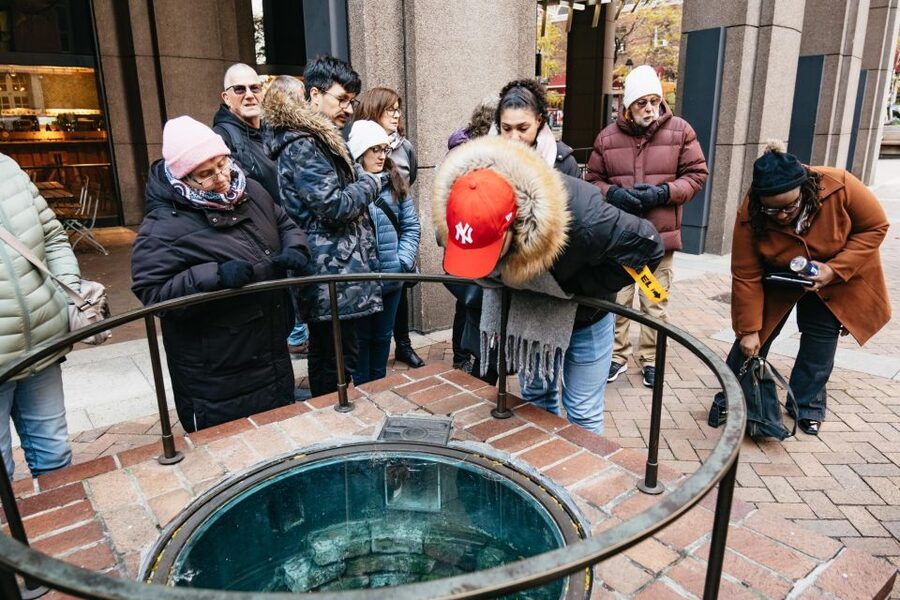
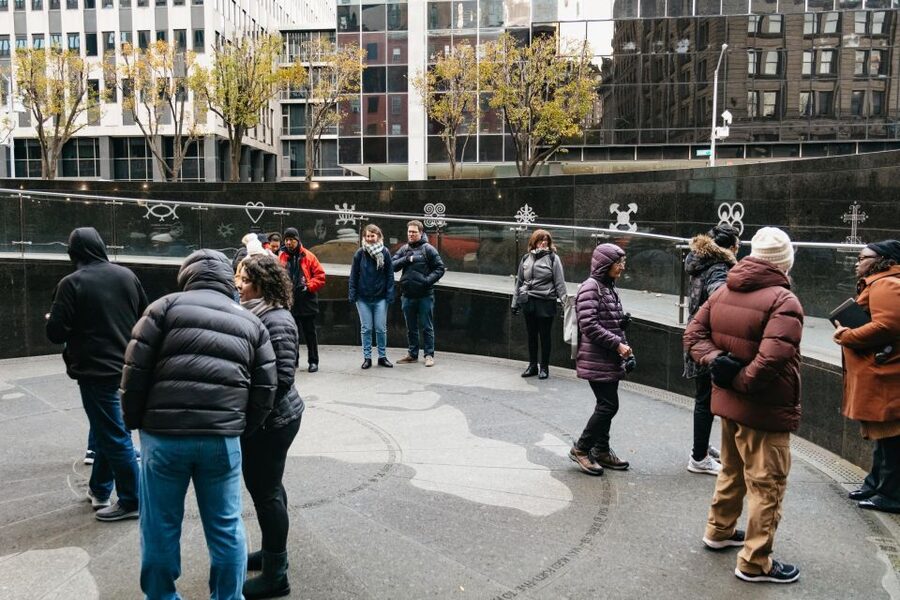
The African Burial Ground is the emotional and historical anchor of the walk. This archaeological site and memorial honors enslaved Africans who died in colonial America. Starting here makes an important point: Black New Yorkers were present from the city’s earliest period, even when later accounts pushed their lives to the side.
Expect the guide to explain why the site matters and how archaeology helped bring attention to people whose stories had not been properly recognized. The memorial is not just another downtown stop. It asks you to pause and honor those who were buried there, many under conditions shaped by slavery and inequality.
I find this opening valuable because it gives the rest of the tour a human focus. The subject is not only legislation, commerce, or famous white abolitionists. It begins with people whose labor supported colonial New York and whose lives deserve to be remembered.
You should allow yourself a quiet, respectful mindset at this stop. It is a place for listening rather than rushing through a checklist of sights. If you are looking for a cheerful sightseeing outing, this may feel heavy. That is also part of its purpose.
Colonial New York and the work of enslaved people
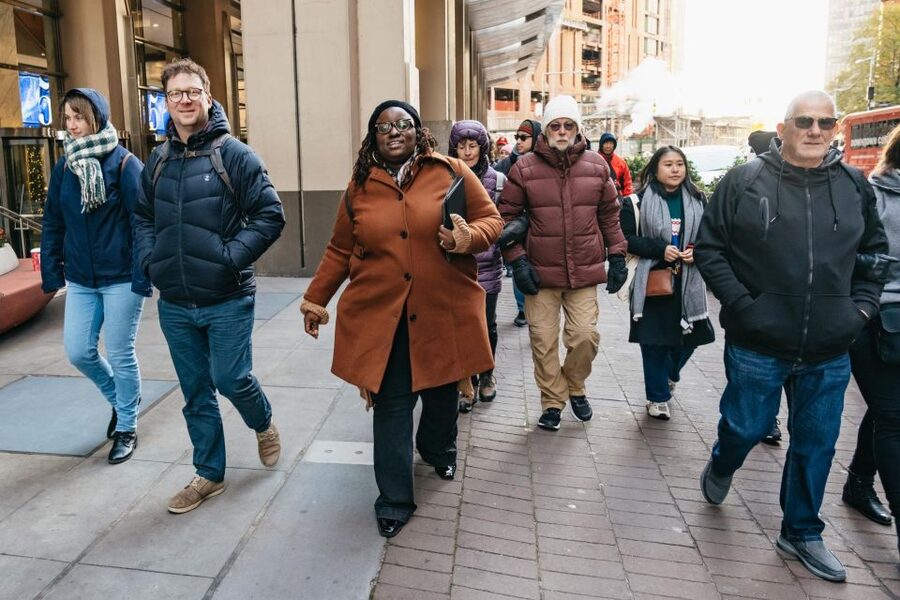
As the walk continues, the guide explains the role of enslaved people in the foundations of New York. You will hear about the period when New Amsterdam developed and about the systems of labor and trade that supported the city.
The value here comes from seeing the subject in place. A classroom discussion can make slavery feel distant. On this tour, you are standing in the district where early New York grew, while the guide links that growth to the people who worked without freedom.
The tour also deals with revolts, kidnappings, and resistance. That broader picture matters. Enslaved people were not passive figures waiting for freedom to arrive. They resisted, organized, escaped, and took enormous risks. Their actions helped force the question of slavery into public life.
The guide’s role is important at this point. The history covers several centuries and includes unfamiliar names, political changes, and shifting ideas about freedom. A good explanation keeps the story moving without flattening it into a simple tale of heroes and villains.
More New York City walking tours:
- SoHo, Little Italy, and Chinatown Walking Tour in New York
★ 5.0 · 3,153 reviews - Secrets of Grand Central Station Walking Tour New York City
★ 5.0 · 1,796 reviews - Greenwich Village Walking and Food Tasting Tour
★ 5.0 · 1,572 reviews - Artistic, Alternative Greenwich Village Walking Tour
★ 5.0 · 971 reviews
Fraunces Tavern and the history around famous buildings
Fraunces Tavern is one of the better-known historic places on the route. Many visitors associate it with the American Revolution and George Washington. This tour adds another layer by examining the Black lives and labor connected with early New York.
You should expect an exterior history stop rather than assume that the tour includes a full museum visit or a meal inside the tavern. The supplied details identify Fraunces Tavern as a significant sight on the walk, but they do not promise admission to the building.
That distinction matters when you compare this tour with a museum ticket or a private architectural tour. Here, the building serves as a setting for interpretation. You are paying for the guide’s historical context, not simply access to an interior.
I like this approach because it shows how a familiar landmark can change when you ask a different question. Who worked here? Who served wealthy patrons? Who was recorded in the official story, and who was left out? Those questions make the stop more useful than a quick photograph.
Trinity Church and Wall Street from another angle
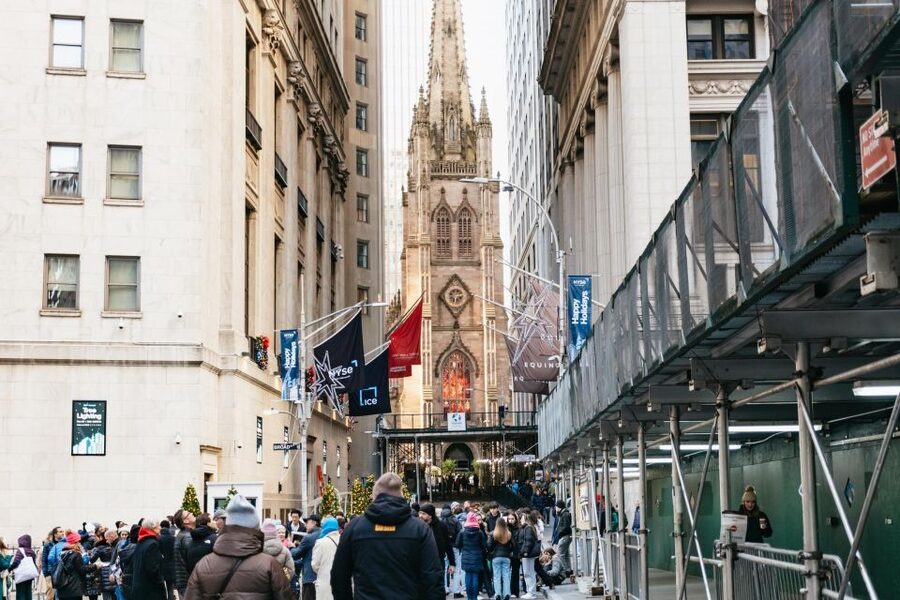
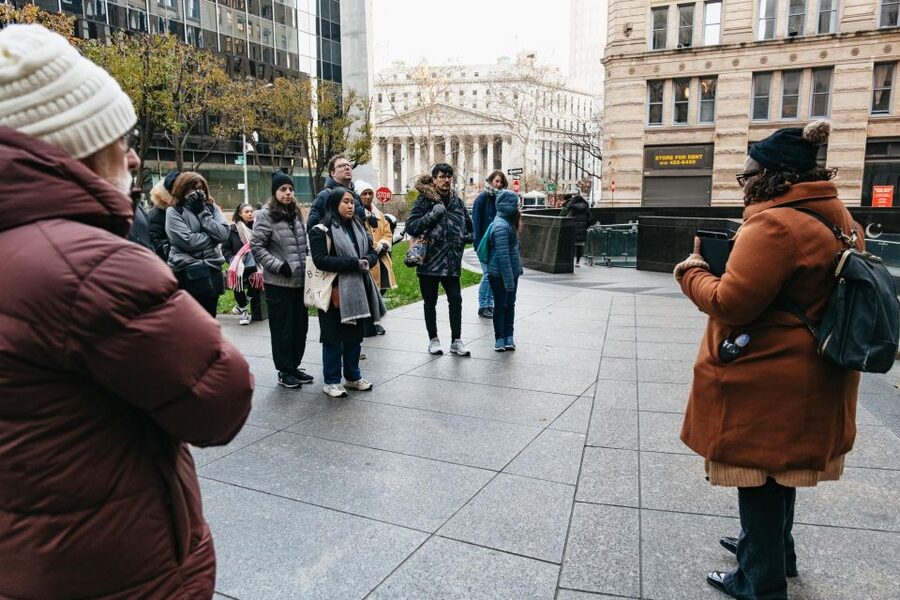
Trinity Church and Wall Street bring the walk into the heart of Lower Manhattan. These places are usually tied to religion, finance, power, and the founding of the United States. On this tour, they help show how Black history intersects with the city’s most celebrated institutions.
The guide explains the significance of the surroundings rather than treating them as isolated monuments. You may already recognize the churchyard or the financial district, but the story changes when you learn how slavery, trade, labor, and freedom shaped the area.
Wall Street is an especially effective setting for this discussion because it represents wealth and commerce. The tour encourages you to consider the human cost behind economic growth, and to remember that New York’s prosperity developed within systems that denied freedom to many people.
Do not expect a long stop at each landmark. A 150-minute walk has to cover several sites, and the focus is historical interpretation rather than architectural inspection. If you want detailed information about church interiors or stock-market history, choose a different tour. If you want those landmarks placed in a wider moral and social context, this route is a strong choice.
Former Underground Railroad locations
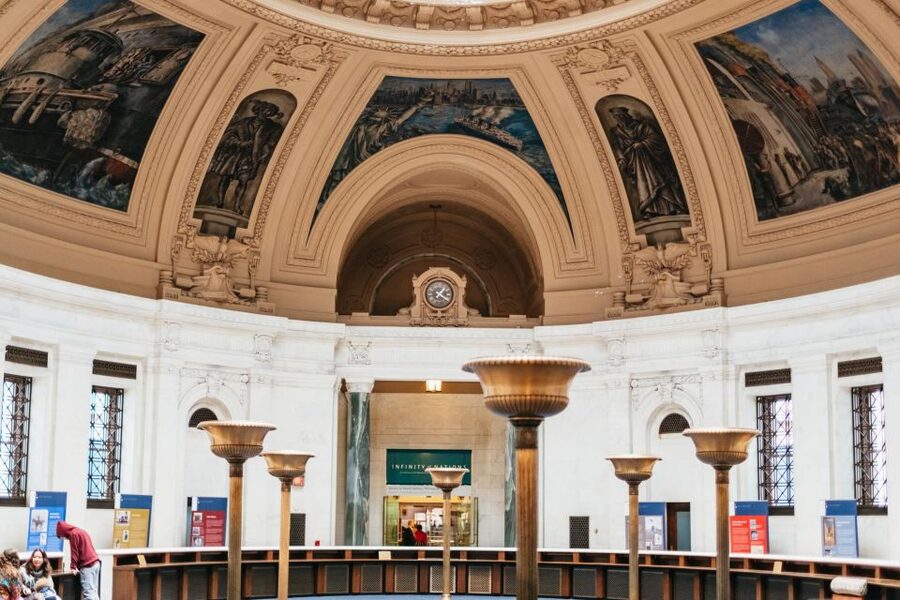
The Underground Railroad was not a literal railway. It was a loose network of secret routes, safe houses, guides, and trusted contacts that helped enslaved African Americans escape toward free states and Canada.
The tour visits former locations connected with that network and explains how it operated. Since the details do not promise access to private interiors, you should think of these as historical locations interpreted from the street. Their power comes from the stories attached to them and from the risks taken by the people involved.
The guide discusses dramatic escapes, kidnappings, and the danger of helping someone flee slavery. People who offered assistance could lose property, face violence, or suffer legal consequences. Those who escaped faced their own dangers, including capture and forced return.
This part of the tour works best when you pay attention to the network itself. Escape was rarely a single brave dash to freedom. It depended on communication, secrecy, directions, shelter, food, and people willing to act at the right moment. The tour helps you see how a city could contain both systems that enforced slavery and people who worked against them.
You will also learn about New Yorkers who risked their own security to help others. Their stories give the Underground Railroad a local face. Instead of treating it as a distant tale from another part of the country, the tour shows how the struggle reached New York City streets.
The guide makes or breaks this experience
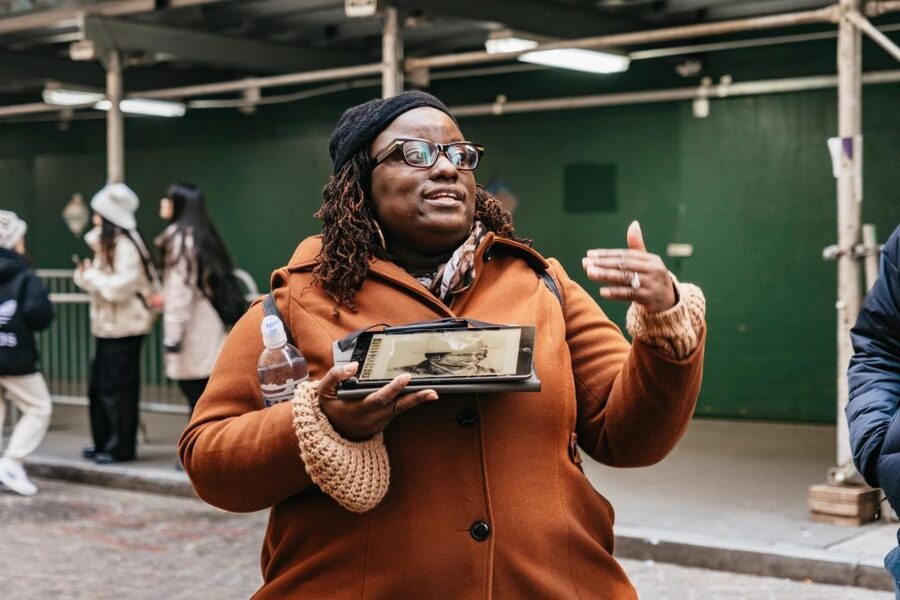
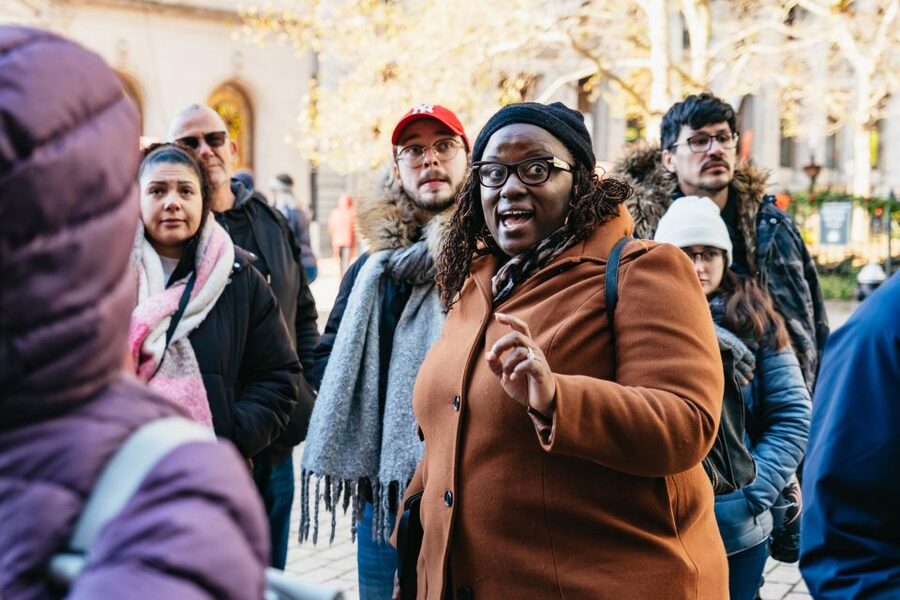
This is a guide-led history tour, and the human voice matters. The strongest experiences have come from guides who can explain difficult material plainly, answer questions, and add stories while the group moves between stops.
Several guide names appear in past bookings, including Maia, Ludie, Maya, Sean, Shaun, and Damaras. Guide assignments can change, so you should not book on the assumption that one particular person will lead your walk. Still, the repeated praise for clear and thoughtful guiding is a good sign for the style of the experience.
I especially value the reports of guides handling uncomfortable questions directly. A tour about slavery should not smooth away the hard parts to keep everyone comfortable. At the same time, the best guide uses care and empathy rather than turning the subject into a lecture or a spectacle.
One past group was very small, just three people, which made for an intimate walk. Group size is not guaranteed, but a small group can make it easier to ask questions and keep the conversation personal. A larger group may feel less flexible, particularly on busy sidewalks.
How much walking and time you should expect
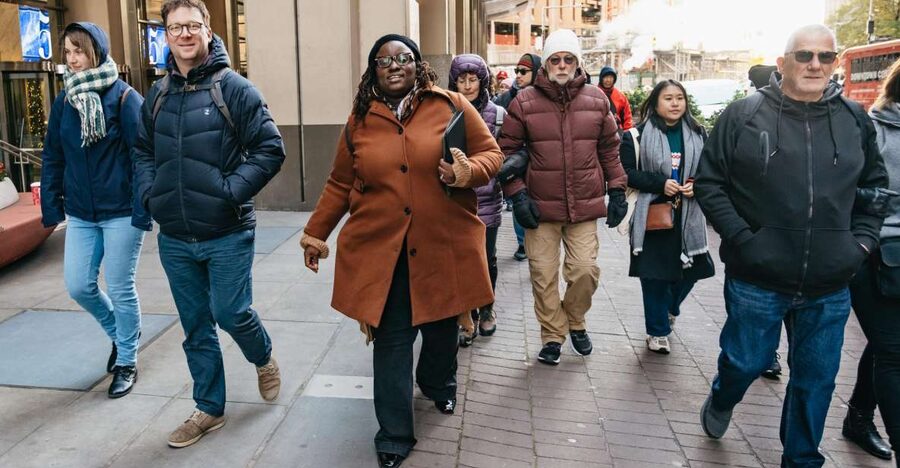
The activity lasts 150 minutes, or two and a half hours. That is long enough to cover a meaningful route without taking up an entire day in New York.
You will be outside and on your feet for most of the experience. One past participant described the walking as not excessive, but you should still wear comfortable shoes. Weather-appropriate clothing is essential because the tour is not designed as an indoor museum program.
There may be moments when the guide speaks from a sheltered spot, and one past experience continued comfortably in rainy weather. Still, do not count on perfect cover. Bring clothing suited to the forecast and plan for city sidewalks, street noise, and the normal interruptions of downtown Manhattan.
The pace is likely to be moderate, with stops for explanation rather than a nonstop march. If you need frequent sitting breaks, have mobility concerns, or prefer an indoor experience, check the route details with the provider before booking. The available information does not give specific accessibility arrangements.
Is $49 a fair price?
At $49 per person, this sits in the reasonable range for a 150-minute guided walk in Manhattan. The price includes the walking tour and a licensed New York tour guide. It does not include hotel pickup and drop-off, so you must arrange your own way to the meeting point and back.
The value depends on what you want from a city tour. If you only want to see landmarks, you can walk past many of these places for free. What you are paying for is the historical connection between them, the guide’s research and storytelling, and the chance to ask questions as the route unfolds.
I consider the price fair for visitors who would otherwise miss the African Burial Ground or see Wall Street and Trinity Church without understanding their connection to Black history. It is less attractive if you want a general introduction to New York, a museum admission, or a private tour with a flexible schedule.
The booking terms also make planning easier. You can reserve now and pay later, and cancellation is free up to 24 hours before the start time for a full refund. Starting times vary, so check availability for your date.
Who should book this walk?
I would recommend it to:
- Visitors who want more than the standard New York sightseeing circuit
- People interested in African American history, abolition, and the Underground Railroad
- Lifelong New Yorkers who want to examine familiar streets in a new way
- Students, educators, and families with older children who can engage with serious history
- Visitors who prefer a live guide to reading plaques or following an app alone
- Anyone willing to ask questions and sit with uncomfortable parts of the past
I would think twice if you want a light, entertaining stroll or a tour focused mainly on architecture. The material includes slavery, violence, kidnapping, escape, and the long impact of racial injustice. It deserves attention and respect.
The tour is also best for people comfortable spending two and a half hours outdoors. You do not need to be a history specialist, but you should arrive ready to listen.
Should you book the History of Slavery and Underground Railroad Walking Tour?
Book it if you want a serious, place-based history lesson that connects the African Burial Ground, Fraunces Tavern, Trinity Church, Wall Street, and Underground Railroad sites. The best reason to go is not simply that the route visits famous buildings. It is that the guide explains the Black lives and struggles that official New York stories often leave out.
The 4.7 out of 5 rating from 87 bookings reflects a consistently strong response, especially to the guides’ clarity, empathy, and ability to answer difficult questions. I would schedule it early in your New York visit if you want its context to shape the way you see Lower Manhattan afterward.
At $49, this is a good buy for an informed, focused walk. Wear good shoes, check the weather, meet at the American Indian Museum, and bring the patience required for a subject that deserves more than a quick sightseeing sound bite.
FAQ
Where does the tour meet?
The meeting point is in front of the American Indian Museum in New York City.
How long does the tour last?
The tour lasts 150 minutes, or two and a half hours.
What language is the tour conducted in?
The live tour is conducted in English.
Is a tour guide included?
Yes. The activity includes a licensed New York tour guide.
Does the tour visit the African Burial Ground National Memorial?
Yes. The route includes the African Burial Ground National Memorial, an archaeological site and memorial dedicated to enslaved Africans in colonial America.
Which major New York sights are included?
The tour includes stops at Fraunces Tavern, Trinity Church, Wall Street, and other significant locations connected with African American history.
Does the tour explain how the Underground Railroad worked?
Yes. The guide explains its network of clandestine routes, safe houses, and contacts used by enslaved African Americans traveling toward free states and Canada.
What should I bring?
Bring comfortable shoes and clothing suited to the weather.
Can I cancel the booking for a refund?
Yes. You can cancel up to 24 hours in advance for a full refund. You can also reserve now and pay later.
Just listed around New York City
- NYC: Little Shop of Horrors Off-Broadway Ticket5 reviews
- Private NYC Airport Transfer: LGA to Manhattan – Up to 5★ 3.6 · 5 reviews
- New York City Tour in German★ 4.5 · 5 reviews
- New York: Hamilton and Washington Revolutionary Walking Tour★ 5.0 · 5 reviews
- NYC Freedom Tower Private Photo or Video Experience★ 4.0 · 6 reviews
- New York Afternoon Fall Foliage Cruise with Lunch★ 5.0 · 6 reviews
- Brooklyn Walking Tours by Locals: Private & 100% Personalized★ 4.0 · 6 reviews
- Southold Bay Oyster Farm Tour★ 5.0 · 6 reviews
Historical Tours, compared.


Starship Landmark 90 Minute Sightseeing Cruise
Read our review →
Starship Landmark 90 Minute Sightseeing Cruise
Read our review →
American Museum of Natural History Admission Ticket
Read our review →
Top Rated Brooklyn Half-Day Food, History & Culture Tour via bus
Read our review →
The Original Greenwich Village Food & Cultural Tour Since 1999
Read our review →
The Speakeasy Adventure: A Tipsy Trip Through History
Read our review →Browse the lists this tour appears in