Reviewed · TICKETS
NYC: The Frick Collection Entry Ticket
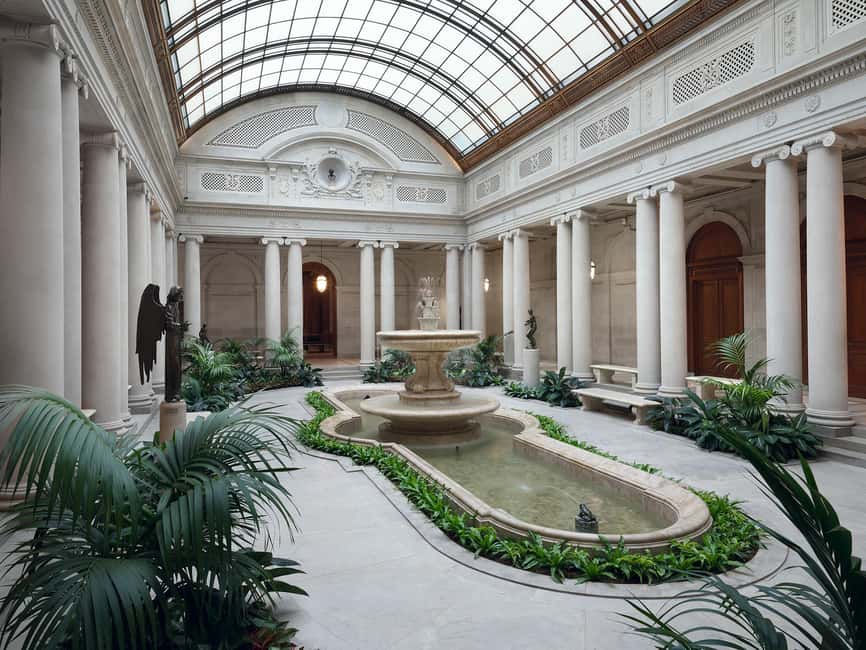
The Frick Collection gives you something most New York museums cannot: great European art in a real historic mansion, not a giant white box. The first-floor rooms bring back the house’s grand character, while the new second floor adds more paintings, sculpture, and decorative arts without turning the visit into an endurance test.
I like the intimate scale and the chance to see major names such as Bellini, Rembrandt, Vermeer, Fragonard, Titian, Turner, and Constable in rooms that feel personal. I also like the restored colors, fabrics, rugs, fountains, and small garden, which make the building part of the collection. The main catch is practical: timed entry does not always mean a quick entrance, and the museum can feel crowded at popular times.
In This Review
- Key points to know before you go
- Why the Frick feels different from a giant museum
- Entering the restored first-floor rooms
- Bellini, Rembrandt, Vermeer, and the collection’s major names
- The new second floor and a slower look at smaller works
- The Frick’s story, and what the museum explains well
- The garden, cafe, and other useful pauses
- Timing, crowds, and the best way to plan your visit
- Bags, bottles, photography, and age limits
- Is $30 a fair price?
- Who should book the Frick Collection?
- FAQ
- How much does entry to The Frick Collection cost?
- How long is the ticket valid?
- How do I enter the museum?
- Can I cancel my booking?
- Can I reserve now and pay later?
- Are children allowed inside The Frick Collection?
- Can I take photographs inside?
- Can I bring a water bottle or large bag?
- Is the museum wheelchair accessible?
Key points to know before you go
- Renaissance to 19th-century masterpieces: See major works by Bellini, Rembrandt, Vermeer, Fragonard, Titian, Turner, Constable, Renoir, Monet, Degas, and others.
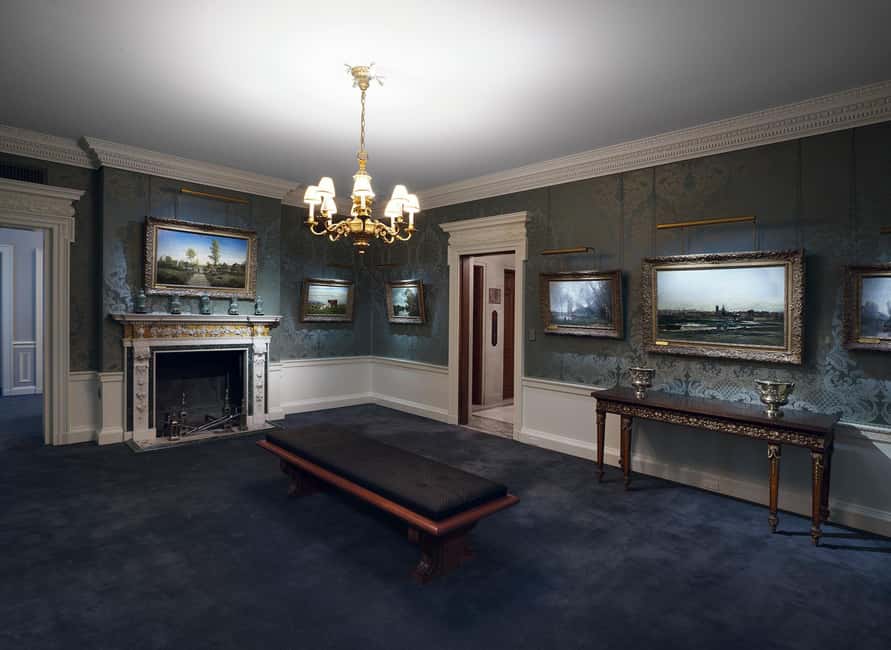
- A restored Fifth Avenue mansion: The art is displayed in elegant historic rooms, with restored surfaces, fabrics, rugs, fountains, and architectural details.
- New second-floor galleries: Smaller paintings, sculptures, and decorative objects now occupy rooms that were not previously open to the public.
- A compact museum visit: You can see the main rooms in about an hour if you move briskly, or stay much longer if you study the art and building.
- Photography is tightly restricted: You may take pictures in the lobby and outdoor garden, but not inside the galleries.
- Children under 10 are not admitted: This is an adult-focused museum visit, and large bags, luggage, liquids, and bottles are not allowed in the galleries.
Why the Frick feels different from a giant museum
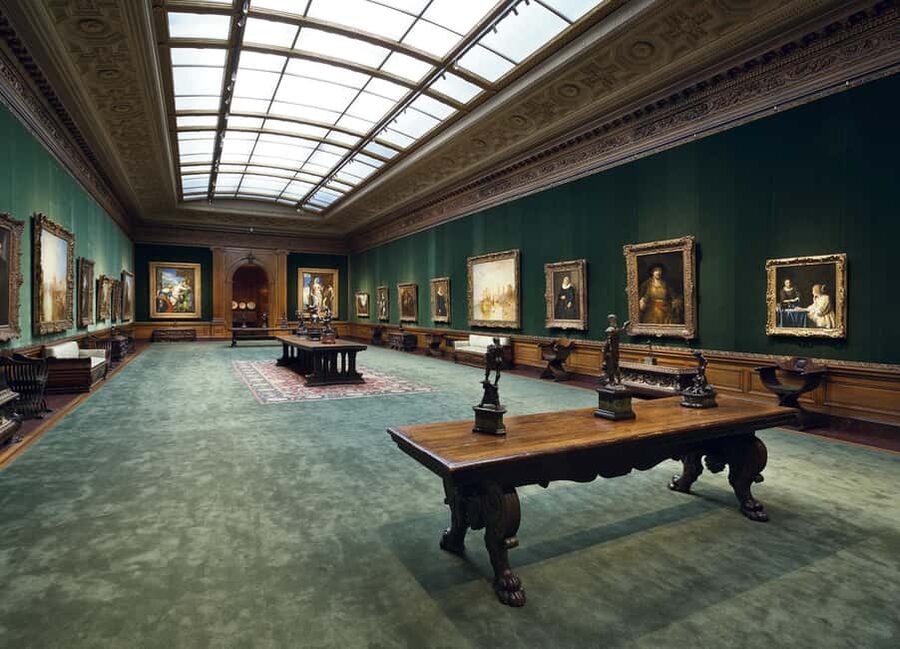
The Frick Collection is valuable partly because it does not try to show everything. You are not facing miles of galleries and a long list of civilizations. Instead, the museum gives you a relatively small number of European paintings, sculptures, furniture pieces, and decorative objects in rooms designed to complement them.
That scale changes how you look. At a huge museum, you may spend ten minutes with a masterpiece before realizing you still have several floors ahead. At the Frick, you can slow down. The collection is concentrated, and the rooms encourage you to notice the relationship between a painting, its frame, the furniture nearby, and the architecture around it.
This is especially useful if you are tired of crowded museum halls. The Frick can still be busy, particularly on a Saturday around midday, but it generally offers a more manageable visit than a large public museum. You can cover the building in roughly an hour if you do not linger, though I would allow two hours for a more satisfying visit.
The museum reopened on April 17, 2025, after a multi-year renovation and enhancement of its historic Fifth Avenue home. The reopening brings a fresh arrangement of familiar masterpieces and opens the second floor to the public. If you visited before the renovation, the museum may feel noticeably different. Some people will welcome the additional space and art. Others may miss parts of the older residential charm or particular works that are not currently on view.
A few more New York City picks to weigh up
- NYC: SUMMIT One Vanderbilt Tickets
★ 4.7 · 51,195 reviews - NYC: 9/11 Memorial & Museum Timed-Entry Ticket
★ 4.8 · 31,428 reviews - NYC: Empire State Building Tickets – Observatory & Museum
★ 4.7 · 25,757 reviews
Entering the restored first-floor rooms
Your visit begins with the mobile ticket and entry into the renovated museum. The first floor contains many of the Frick’s best-known works, now placed in restored rooms that bring back the visual character of the house.
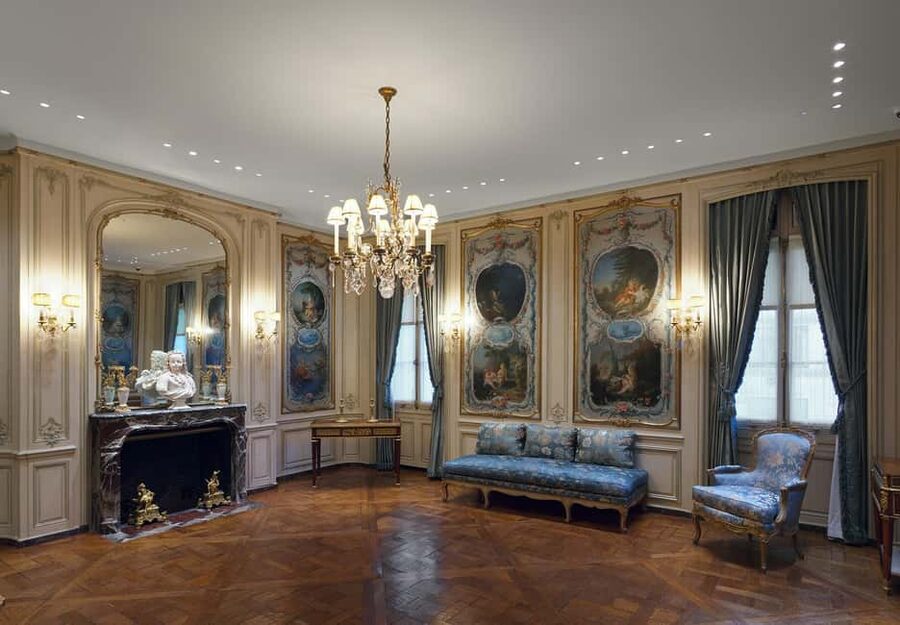
The restoration is not limited to repainting walls. The colors, fabrics, rugs, fountains, and other surfaces have been renewed, and they matter because this collection was always meant to be seen in a domestic setting. A polished room can frame a painting in a way that a plain gallery cannot. The setting is not a distraction from the art. It is part of the Frick’s idea.
The mansion itself can be as memorable as the pictures. You might pause over a doorway, a fountain, or the way a room opens toward another room. The result is an experience that feels closer to visiting a collector’s home than walking through a standard exhibition hall.
The first-floor arrangement is also the best place to begin if you have limited time. Start with the major rooms, then continue upstairs if the crowd and your schedule allow. Staff members and room attendants are present throughout the building, and they can help with directions and questions.
Bellini, Rembrandt, Vermeer, and the collection’s major names
The Frick is small, but the names attached to its works are not. Its European collection reaches from the Renaissance through the late nineteenth century, with paintings and objects by artists who usually anchor major museum collections.
Bellini gives you a taste of the Italian Renaissance. Rembrandt brings the emotional force and strong light associated with his work. Vermeer is a major reason many art lovers make the visit, and the museum’s Vermeer rooms received particular praise for their presentation.
You will also find work associated with Fragonard, Titian, El Greco, van Dyck, Constable, Turner, Renoir, Monet, and Degas. The number of works by Constable and Turner can be a pleasant surprise, especially if you are visiting with British painting in mind.
The collection’s strengths are not limited to paintings. Sculpture and decorative arts appear throughout the building, and the furniture and room design help explain how Henry Clay Frick wanted his collection experienced. This is not simply a checklist of famous artists. It is an exploration of taste, wealth, display, and the way art can shape a home.
If your main interest is Impressionism, set your expectations carefully. The current presentation gives greater weight to Renaissance painting, and the Impressionist room has fewer paintings than some returning visitors remember. Works that were familiar from earlier visits may not all be on view. The museum’s current display is particularly strong for visitors who enjoy older European art, historic interiors, and decorative arts.
The new second floor and a slower look at smaller works
The newly opened second floor changes the rhythm of the visit. Instead of only seeing the grand first-floor rooms, you can move into a more varied set of galleries containing smaller paintings, sculptures, and decorative objects.
These rooms give the collection more breathing room. A smaller work can be easy to miss in a formal room dominated by a major painting, but upstairs it can receive your full attention. The second floor is also useful if you want to understand the breadth of Frick’s interests rather than seeing only the most famous pictures.
Expect the transition areas to feel tighter when the museum is busy. One visitor described some upper rooms and connecting areas as crowded, and that is worth keeping in mind if you dislike slow movement or close quarters. Timed admission helps manage numbers, but it does not guarantee an empty building.
I would plan the second floor after the main first-floor rooms, then return to any work that caught your eye. The compact layout makes this possible. You do not need to race through the whole museum in a straight line.
Another side of New York City for the same day:
- New York City: Statue of Liberty & Ellis Island with Ferry
★ 4.6 · 18,683 reviews - New York City: American Museum of Natural History Ticket
★ 4.5 · 15,447 reviews - Statue of Liberty and Ellis Island Tour: All Options
★ 5.0 · 13,571 reviews - New York in One Day Guided Sightseeing Tour
★ 5.0 · 13,166 reviews
The Frick’s story, and what the museum explains well
Henry Clay Frick formed the collection, and the museum occupies his former Fifth Avenue home. That background gives the visit a useful question: why these works, and why so many pictures by certain artists?
The museum provides room attendants and audio material, and the free audio option can add useful context. However, the amount of visible information beside individual paintings may feel limited if you prefer to read detailed labels rather than use a phone. The mobile guide has also been described as cumbersome to use, so it may take patience to get comfortable with it.
I would bring a little preparation of your own. Read about Henry Clay Frick before arriving, or buy a book at the museum shop if you want a fuller account of his collecting habits. A stronger explanation of his motives inside the galleries would help connect the paintings and the man who acquired them.
This is not a criticism of the art itself. It is a practical point about how you like to learn. If you prefer looking quietly, the limited wall text may be fine. If you want the story behind every acquisition, plan to use the audio guide or do some reading before or after the visit.
The garden, cafe, and other useful pauses

The museum includes a small garden where you can sit and take a break. It is a special part of the visit, particularly after several rooms of concentrated looking. Photography is allowed in the outdoor garden, making it one of the few places where you can record the setting.
The restored garden can be especially appealing in good weather. In winter, snow or cold may limit how much time you spend outside, but the garden still adds a welcome change of pace.
There is also a cafe. It can be a pleasant place to extend your visit, with food and attentive service, but it is not a budget stop. At busy times, the wait for a table may be long, and one reported wait reached two hours. Put your name down early if you want lunch there, then visit the galleries while you wait.
Bathrooms are available, and the gift shop sells books and items connected to the museum. These are small conveniences, but they matter during a half-day outing in New York.
Timing, crowds, and the best way to plan your visit
The ticket is valid for one day, with entry based on available starting times. You present the mobile ticket at the museum, and the ticket is designed to let you skip the regular ticket line. In practice, you should still arrive prepared for an entrance queue, especially during a busy period.
The best strategy is to book ahead and choose an early time if you want the calmest visit. Tuesday morning was suggested as a good target, and arriving at the beginning of the day should give you more room in the rooms. Staying until near closing can also help if your schedule allows.
Do not assume that a timed ticket means you can walk straight inside. One account described timed-ticket holders waiting while people without advance tickets were admitted first, along with an unpleasant outdoor wait. Conditions can vary, but the lesson is simple: arrive with a little extra time and be ready for the entrance process.
Once inside, the staff are generally helpful. Room attendants can answer questions, and security staff are stationed throughout the museum. If you have a question about a room or need help finding your way, ask.
Bags, bottles, photography, and age limits
The Frick’s rules are stricter than those at many major museums. Luggage and large bags are not permitted in the galleries, and oversized items must go to the coat check. Garment bags and camera extension poles are specifically included in the oversized category.
Small purses and backpack-style bags may receive close attention from room staff. To avoid repeated reminders, check anything that looks bulky, including a hoodie or larger personal bag, before entering the galleries.
Leave your water bottle behind or place it in the coat check. Liquids and bottles are not allowed in the galleries unless medically necessary. This can be inconvenient, particularly on a warm day, but it protects the collection and keeps the rooms clear.
Photography is permitted only in the lobby and outdoor garden. You cannot photograph the paintings or interiors inside the galleries, even without flash. If taking pictures is important to you, this rule may be a real drawback. If you prefer to look without phones raised around you, you may appreciate the quieter rooms.
Children under 10 are not admitted, so this is not a suitable family outing for younger children. The museum is wheelchair accessible.
Is $30 a fair price?
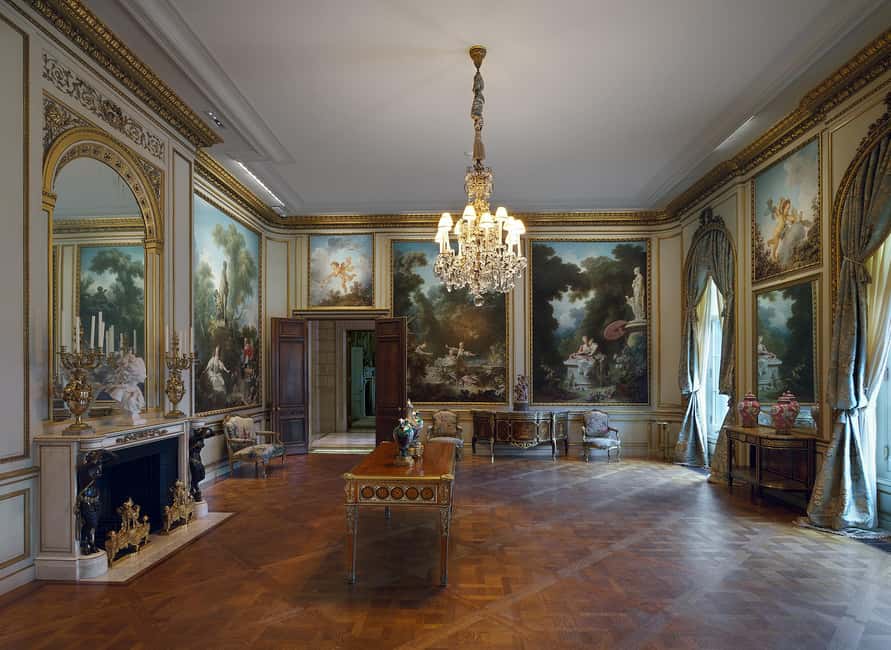
At $30 per person, the Frick is not a cheap museum stop, but the price can be fair if you value quality over quantity. You are paying for access to a major European collection, a restored historic house, and a visit that can be completed in an hour or stretched into a relaxed half-day.
The value is strongest for people who want to see important paintings without spending an entire day in a huge museum. You may see fewer total works than at a large institution, but the collection is tightly focused and the setting adds real substance.
The cost is harder to justify if you want a broad survey of modern art, extensive Impressionism, or a museum where photography is allowed. The cafe can also add noticeably to the expense. Still, the free audio option, helpful staff, accessible building, and manageable size make the admission more useful than a simple walk through a small gallery.
Free cancellation up to 24 hours before the visit and the reserve-now, pay-later option add flexibility. Check the available starting times before making firm plans.
Who should book the Frick Collection?
I would book this experience if you enjoy Renaissance, Baroque, and nineteenth-century European art, or if historic interiors are nearly as important to you as the paintings. It is also a smart choice for a New York afternoon when you want something focused rather than exhausting.
You may especially enjoy it if you have already visited the city’s largest museums and want a different kind of art experience. The Frick lets you spend meaningful time with individual works, then rest in a garden or continue to the cafe.
I would think twice if you are traveling with children under 10, need to photograph every room, or mainly want Impressionist painting. Also consider visiting at a quiet time if crowds frustrate you. For most art lovers, though, the restored mansion and first-rate collection make the $30 ticket worthwhile.
FAQ
How much does entry to The Frick Collection cost?
Entry costs $30 per person.
How long is the ticket valid?
The ticket is valid for one day. Available starting times depend on the date you choose.
How do I enter the museum?
Present your mobile ticket for admission.
Can I cancel my booking?
Yes. You can cancel up to 24 hours in advance for a full refund.
Can I reserve now and pay later?
Yes. The booking option allows you to reserve your place and pay nothing at the time of booking.
Are children allowed inside The Frick Collection?
Children 10 and under are not permitted. The museum is not suitable for children under 10.
Can I take photographs inside?
No. Photography is allowed only in the lobby and outdoor garden.
Can I bring a water bottle or large bag?
Liquids and bottles are not allowed in the galleries unless medically necessary. Luggage and large bags are not allowed, and oversized items must be left at the coat check.
Is the museum wheelchair accessible?
Yes. The Frick Collection is wheelchair accessible.
Just listed around New York City
- NYC: Little Shop of Horrors Off-Broadway Ticket5 reviews
- Private NYC Airport Transfer: LGA to Manhattan – Up to 5★ 3.6 · 5 reviews
- New York City Tour in German★ 4.5 · 5 reviews
- New York Afternoon Fall Foliage Cruise with Lunch★ 5.0 · 6 reviews
- New York: Hamilton and Washington Revolutionary Walking Tour★ 5.0 · 5 reviews
- NYC Freedom Tower Private Photo or Video Experience★ 4.0 · 6 reviews
- Brooklyn Walking Tours by Locals: Private & 100% Personalized★ 4.0 · 6 reviews
- Southold Bay Oyster Farm Tour★ 5.0 · 6 reviews
Tickets, compared.


Empire State Building Tickets – Observatory & Museum
Read our review →



NYC Empire State Building Observation Deck Ticket
Read our review →