
Reviewed · WALKING TOURS
Recreate the Most Requested Walking Tour of 1840s New York
New York’s past is easiest to grasp when you read it from the pavement. This small-group walk follows the city from the elite homes of Colonnade Row to the poverty of Five Points, using buildings, street lines, and old images to explain how Lower Manhattan changed. I like the way the route connects architecture with social history, rather than treating either as a collection of dates.
I also like the small size, capped at seven people, and the chance to ask questions as you go. Guides Rob and Robert are praised for their detailed research, easy company, and ability to point out features you would likely pass without noticing. The main consideration is focus: this is more an architectural and urban-history walk than a full tour of the gangs and folklore associated with Five Points.
In This Review
- Key points to know before booking
- Why this Lower Manhattan walk feels different
- Beginning at Colonnade Row and the Public Theater
- Broadway, NoHo, and the buildings that changed jobs
- The Bayard-Condict Building and the rise of the skyscraper
- Houston Street and the old edge of the grid
- Broadway to Canal Street: retail, work, and street life
- Foley Square, the vanished lake, and the African Burial Ground
- Columbus Park and the former Five Points
- What the guide adds to the experience
- Is $59 a fair price?
- Who should book this walk?
- Booking, weather, and timing advice
- Should you book the 1840s New York walking tour?
- FAQ
- Where does the tour start?
- Where does the tour end?
- How long is the walking tour?
- How much does the tour cost?
- What language is the tour offered in?
- How many people can join the tour?
- What level of fitness is needed?
- Are service animals allowed?
- Can I cancel for a full refund?
Key points to know before booking
- Start with New York’s elite: The walk begins at the remains of Colonnade Row, once an early 1830s address for the city’s wealthy.
- Read the streets as historical evidence: Broadway, Houston Street, and SoHo reveal changes in land use, building styles, and neighborhood status.
- See Louis Sullivan’s only New York building: The Bayard-Condict Building gets a short but worthwhile stop.
- End at Five Points: Foley Square and Columbus Park mark a dramatic shift from upper-class homes to some of the city’s worst living conditions.
- Expect a small, thoughtful group: A maximum of seven people makes conversation with the guide easier.
- Allow two to three hours: The route covers ground at a measured pace, with frequent stops to listen and look closely.
Why this Lower Manhattan walk feels different
Many New York sightseeing walks take you from one famous building to the next. This one asks a more useful question: What was this place before it became what you see today?
That approach gives the tour its purpose. You are not simply shown NoHo, SoHo, or Chinatown. You are shown how those areas gained and lost status, how buildings found new uses, and how streets preserve traces of earlier city plans. The guide uses explanations, descriptions, and images to make the changes easier to picture.
The time period is centered on 1840s New York, but the story reaches backward and forward. You encounter colonial geography, early nineteenth-century mansions, commercial Broadway, industrial and retail change, tenements, and the modern Civic Center. The route makes clear that New York was never a finished city. It kept rebuilding itself around old streets and old problems.
I would choose this tour if you have already seen the obvious Lower Manhattan sights and want a closer look at how the city grew. It also suits anyone interested in architecture, city planning, immigration, social history, or the everyday lives hidden behind grand facades.
More New York City walking tours:
- SoHo, Little Italy, and Chinatown Walking Tour in New York
★ 5.0 · 3,153 reviews - Secrets of Grand Central Station Walking Tour New York City
★ 5.0 · 1,796 reviews - Greenwich Village Walking and Food Tasting Tour
★ 5.0 · 1,572 reviews
Beginning at Colonnade Row and the Public Theater
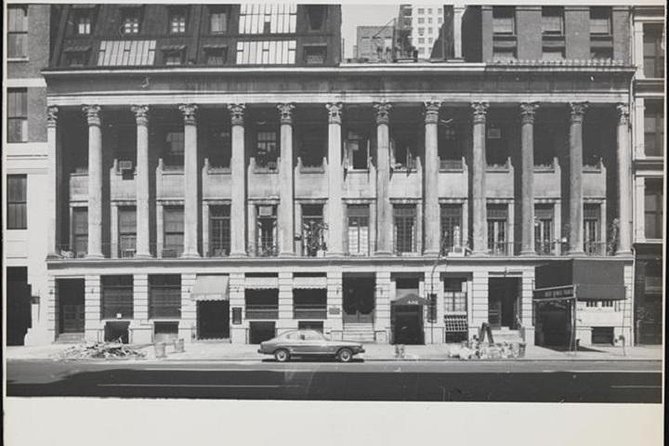
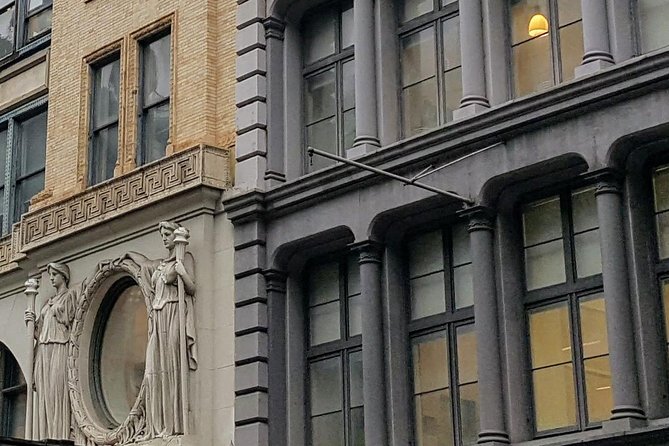
Meet at The Public Theater, 425 Lafayette Street. The opening stop is the remains of Colonnade Row, an early 1830s residential address associated with the country’s elite.
The setting matters. The tour begins on high ground that was once a pleasure garden when the main city was still farther downtown. That gives you an immediate sense of how quickly New York expanded northward. What later became ordinary city blocks once marked the edge of fashionable life and leisure.
The guide uses this first stop to set up the larger story. Wealth, land, transportation, commerce, and population growth all pushed the city outward. The Astors, Roosevelts, and Delanos are part of the world you are following, not as isolated family names but as figures connected to the changing shape of Manhattan.
The stop lasts about 15 minutes and admission is free. There is no interior visit described here, so the value comes from the setting and the explanation. Look closely at what remains, then let the guide supply the missing pieces.
Broadway, NoHo, and the buildings that changed jobs
From Colonnade Row, the walk heads down Broadway through NoHo. This part of the route is especially good for readers who like architecture but do not always know how to interpret it.
You will look at building size, materials, style, and adaptation. The key idea is that structures often outlive the businesses and residents who first used them. A building may have been altered, reused, and altered again as the neighborhood around it changed.
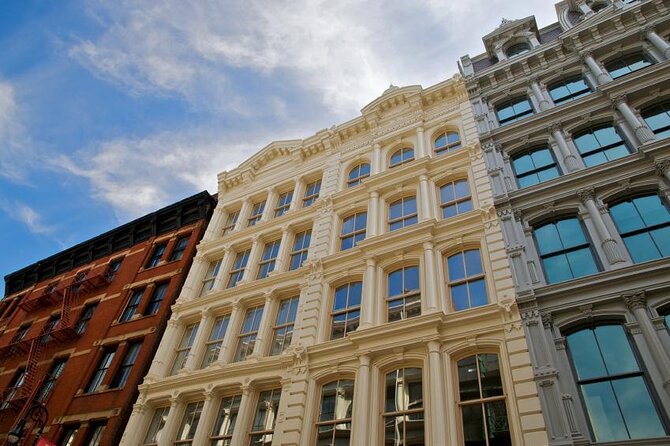
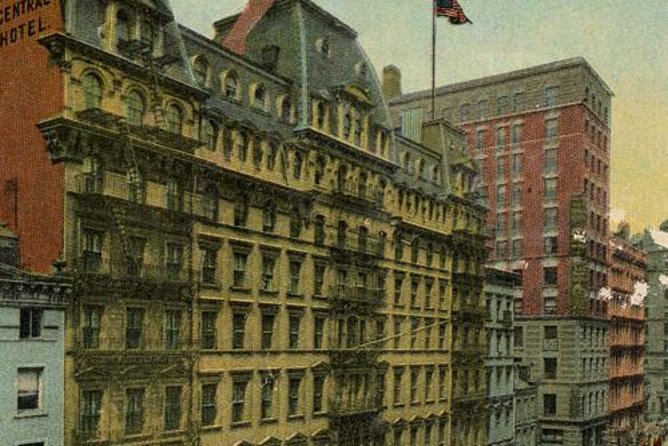
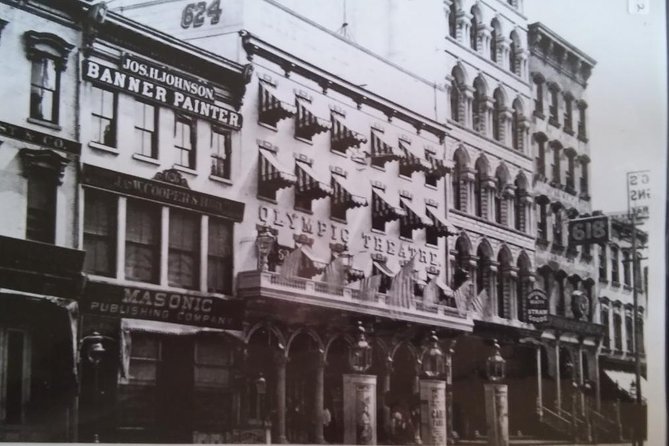
The guide also uses older images to show how Broadway and the section now called SoHo evolved. The name SoHo dates only from the 1950s, which makes it a useful prompt: what did people call this area before that label existed? The question helps you avoid seeing the neighborhood only through its present-day shops and galleries.
This is one of the tour’s strongest features. Instead of accepting the current streetscape as permanent, you learn to ask who walked here before the fashionable stores, who worked in the buildings, and what kinds of trade shaped the sidewalks.
A short 15-minute stop is listed for NoHo, but the route continues with frequent explanations along Broadway. If you prefer a fast walk with only brief commentary, this may feel slow. If you like stopping to study facades and compare past and present, the pace works in your favor.
The Bayard-Condict Building and the rise of the skyscraper
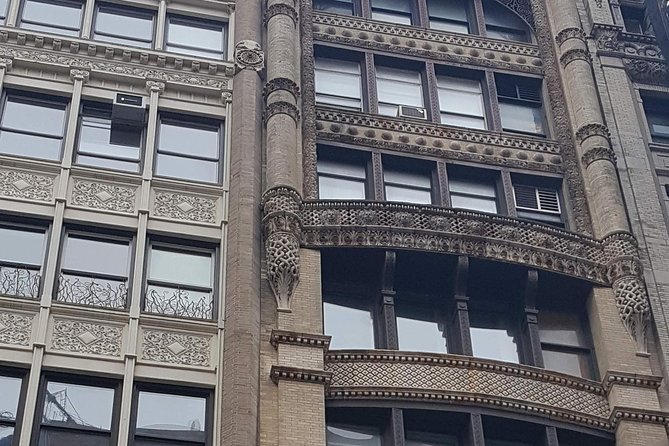
The Bayard-Condict Building receives only about five minutes, but it is an important architectural pause. Designed by Louis Sullivan, it is his only building in New York City.
The guide explains the building’s role in the development of skyscraper style. That makes the stop more useful than a simple identification of the architect. You are encouraged to consider how New York buildings began to respond to height, structure, decoration, and changing commercial needs.
Because the visit is brief and outdoors, the stop will not satisfy someone looking for a full architectural lecture on Sullivan. It works better as one piece of a larger story about how New York moved from low-rise residential blocks toward a city of taller commercial buildings.
Bring your attention upward. The tour’s value often lies in details you may have ignored on previous visits, and this is the kind of stop where the guide’s eye matters.
Another side of New York City for the same day:
- NYC: SUMMIT One Vanderbilt Tickets
★ 4.7 · 51,195 reviews - NYC: 9/11 Memorial & Museum Timed-Entry Ticket
★ 4.8 · 31,428 reviews - NYC: Empire State Building Tickets – Observatory & Museum
★ 4.7 · 25,757 reviews - New York City: Statue of Liberty & Ellis Island with Ferry
★ 4.6 · 18,683 reviews
Houston Street and the old edge of the grid
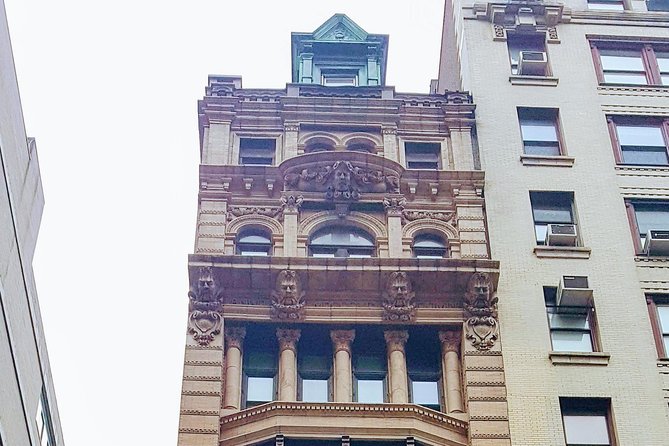
At Houston Street and Broadway, the route turns to ancient geography and the logic of Manhattan’s street plan. The asphalt itself helps show why the grid began here.
That is a practical way to understand city planning. Rather than presenting the street system as an abstract map, the guide connects it to the land beneath your feet. This area was also an early site of St. Thomas Episcopal Church and an upper-class residential neighborhood, another reminder that present-day commercial streets once carried a very different social identity.
The walk through SoHo continues from this point. You hear how the area was described at different times and how its buildings were adapted as the city changed. The guide’s use of historic images is especially useful here, since modern visitors can otherwise assume that the current retail and gallery district has always looked this way.
I appreciate that the tour does not treat architecture as decoration alone. A building’s size and form become clues about money, work, status, and changing demand. That is a more lasting lesson than memorizing a list of famous facades.
Broadway to Canal Street: retail, work, and street life
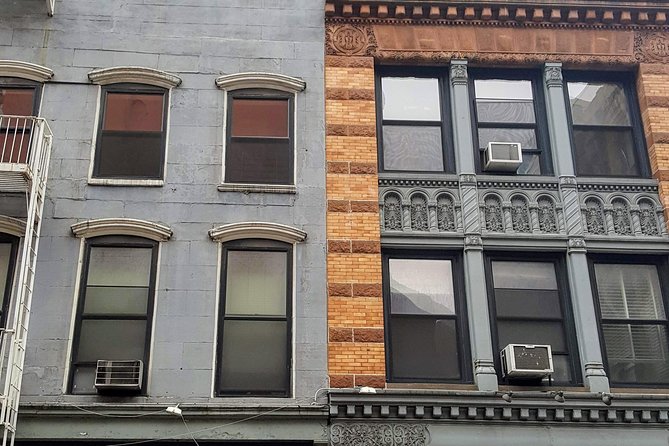
The walk down Broadway toward Canal Street becomes a record of social and retail change. You encounter stories and characters from earlier periods, with the street itself acting as the thread that holds the account together.
This portion should appeal to anyone who wants everyday history rather than only grand events. The emphasis is on people who used the street, the businesses that shaped it, and the way the district’s identity shifted over time.
The route also shows why Lower Manhattan rewards walking. A subway ride would get you from one end to the other much faster, but it would hide the gradual change in building scale, street width, and neighborhood character. On foot, the transitions are easier to notice.
The group covers a fair amount of ground, though the pace is not described as fast. One detailed account specifically notes plenty of chances to stop and rest while listening. Still, you should be comfortable walking for two to three hours and should bring sensible shoes.
Foley Square, the vanished lake, and the African Burial Ground
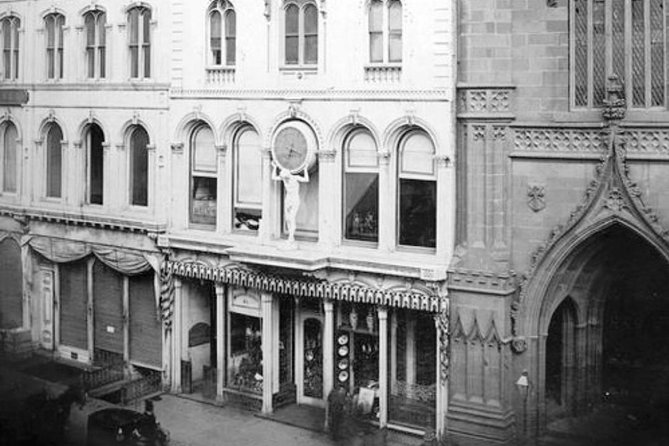
At Foley Square, the story takes a darker turn. Today’s Civic Center occupies an area that was once a lake. Along its shore was the African Burial Ground during much of the British colonial period.
The guide then explains how the lake was filled and how the old shoreline became associated with Five Points, remembered as New York City’s most notorious slum. This section gives the tour a wider frame. The city did not simply expand by building streets and houses. It also filled natural features, displaced communities, and created new social pressures.
The stop lasts about five minutes, but the subject deserves attention. This is a place where geography, colonial history, race, poverty, and urban development meet. The short timing means the guide must keep the explanation focused, but it also keeps the walk moving toward its final location.
If you are booking mainly to hear colorful stories about Five Points gangs, you should adjust your expectations. The tour does address Five Points, but its larger concern is how the neighborhood emerged from older geography and how its social conditions fit into the city’s wider growth.
Columbus Park and the former Five Points
The walk ends around Columbus Park and 500 Pearl Street, near the border of the Court District and Chinatown. This is the location associated with Five Points, the tour’s final and most socially dramatic chapter.
The opening stop at Colonnade Row represented high social standing and carefully planned residential life. The ending points to the Irish communities, Five Points, and the tenements of Mulberry Bend, where living conditions were desperate and severely overcrowded.
That contrast is the route’s central design. You begin with elite New Yorkers living on high ground and finish in a district shaped by poverty and migration. The tour does not let you see New York’s growth as a simple success story. It asks you to consider who benefited from development and who lived with its harshest costs.
The published end point is 169 Worth Street, New York, 10013, while the final discussion is given at the Columbus Park and 500 Pearl Street area. Confirm the exact finish point when booking so you know where you will be after the last stop. The area is near public transportation, which is useful for continuing into Chinatown or reaching another part of Manhattan.
What the guide adds to the experience
The strongest part of this walk is the guide’s ability to connect small physical details to large changes in New York. Rob, also referred to as Robert, is described as patient, research-focused, and happy to answer questions. The guiding style appears conversational rather than scripted.
That matters on a small tour. With no more than seven people, you can ask why a building looks the way it does, how a neighborhood got its name, or what happened before the current businesses moved in. You are less likely to be lost in a large crowd or left trying to hear a distant microphone.
The guide’s role is also important because much of the experience takes place outdoors, without admission to a major museum or landmark. You are paying for interpretation, context, and trained observation. The buildings and streets are free, but understanding them is the product.
The strongest praise focuses on facts that are easy to miss, fascinating architecture, and a guide who makes the material enjoyable without rushing. One useful point is that the walk is not fast-paced. You cover distance, but there are regular pauses for explanation and rest.
Is $59 a fair price?
The price is $59 per person. That is not the cheapest way to walk around Lower Manhattan, especially since the stops themselves have no admission charge. The value depends on how much you want the guide’s interpretation.
I think the price is reasonable for a maximum group of seven and a two to three-hour walk led by a specialist in New York history and architecture. A larger tour might cost less, but it would not offer the same chance for questions or close discussion.
You are also getting a carefully connected route rather than a casual stroll. The tour links Colonnade Row, NoHo, SoHo, the Bayard-Condict Building, Houston Street, Canal Street, Foley Square, and Five Points. That sequence gives the city’s changes a clear shape.
I would not pay $59 if you only want quick photos or a general introduction to famous sights. I would consider it good value if you enjoy learning why a neighborhood looks the way it does and want details that are difficult to reconstruct on your own.
Who should book this walk?
This experience fits you best if you:
- Enjoy architecture, city planning, and social history
- Have visited New York before and want a less familiar angle
- Like asking questions during a small-group tour
- Can walk for two to three hours at a moderate pace
- Want context for NoHo, SoHo, Broadway, Foley Square, and Five Points
- Prefer careful explanation over a fast list of famous landmarks
It may be less suitable if you want an interior-focused tour, a food tour, or a detailed account centered mainly on gangs and crime in Five Points. The route covers difficult subjects, but the main emphasis is the relationship between buildings, streets, status, and social change.
The experience is offered in English. Mobile tickets are used, service animals are allowed, and the route is near public transportation. You should have a moderate level of physical fitness.
Booking, weather, and timing advice
This walk is often booked about 26 days ahead, so reserve early if your dates are fixed. Confirmation arrives at booking, and free cancellation is available until 24 hours before the start time.
The tour requires good weather. If poor conditions cancel it, you can choose another date or receive a full refund. A minimum number of participants is also required, and a cancellation for that reason comes with the choice of another date or experience, or a full refund.
Plan around the full two to three hours rather than the listed stop times. The short stops are only the formal points. Much of the learning happens while walking between them, especially along Broadway and through SoHo.
Should you book the 1840s New York walking tour?
Book it if you want to understand Lower Manhattan as a changing city rather than a row of attractions. The route’s best feature is its range: elite residences, commercial streets, architectural innovation, colonial geography, the African Burial Ground, and Five Points all fit into one coherent walk.
The main caution is the tour’s emphasis. You are getting a detailed architectural and urban-history experience, not a theatrical retelling of Gangs of New York. If that distinction suits your interests, the small group, strong guide commentary, and unusual route make $59 a fair investment.
FAQ
Where does the tour start?
The tour starts at The Public Theater, 425 Lafayette Street, New York, NY 10003.
Where does the tour end?
The stated end point is 169 Worth Street, New York, NY 10013. The final discussion takes place around Columbus Park and 500 Pearl Street.
How long is the walking tour?
The experience lasts approximately two to three hours.
How much does the tour cost?
The price is $59 per person.
What language is the tour offered in?
The tour is offered in English.
How many people can join the tour?
The maximum group size is seven people.
What level of fitness is needed?
You should have a moderate level of physical fitness because the experience is a walking tour covering several areas of Lower Manhattan.
Are service animals allowed?
Yes. Service animals are allowed.
Can I cancel for a full refund?
Yes. You can cancel up to 24 hours before the experience start time for a full refund. Cancellations or changes made less than 24 hours before the start time are not refunded or accepted.
Just listed around New York City
- Brooklyn Nets Basketball Game Ticket at Barclays Center★ 5.0 · 12 reviews
- Explore NYC- Tour of Manhattan, The Bronx, Queens & Brooklyn★ 4.5 · 12 reviews
- Edge at Hudson Yards General Admission Tickets★ 4.0 · 13 reviews
- Charging Bull, Wall Street, 911 Memorial + One World Tickets★ 5.0 · 13 reviews
- Oppenheimer in New York: Upper West Side Walking Tour★ 5.0 · 13 reviews
- NYC Statue Liberty 90-Minute Sightseeing Cruise★ 4.0 · 13 reviews
- NYC: Thanksgiving Gourmet Lunch or Dinner Harbor Cruise★ 5.0 · 13 reviews
- Great Jones Distilling Co. NYC Craft Whiskey Tour and Tasting★ 5.0 · 13 reviews
Walking Tours, compared.
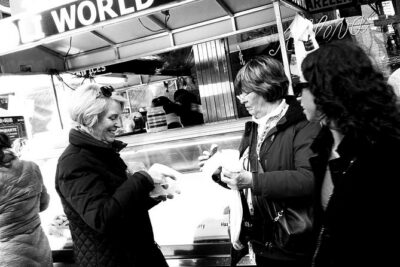
SoHo, Little Italy, and Chinatown Walking Tour in New York
Read our review →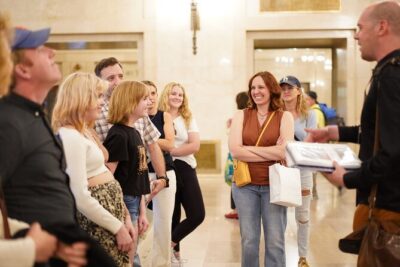
Secrets of Grand Central Station Walking Tour New York City
Read our review →
Greenwich Village Walking and Food Tasting Tour
Read our review →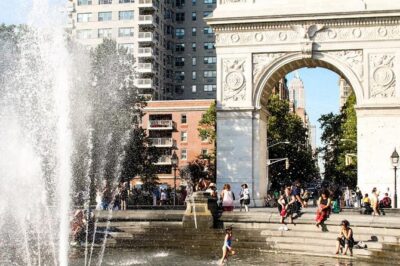
Artistic, Alternative Greenwich Village Walking Tour
Read our review →
True Crime NYC: Mafia Walk w/Ret. NYPD Detective and Local Food
Read our review →

Browse the lists this tour appears in