
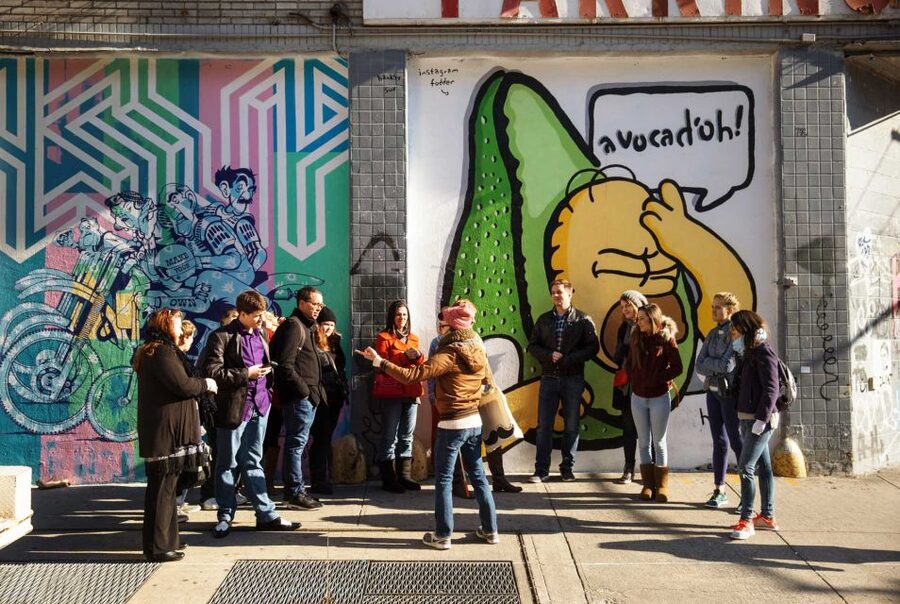
Reviewed · SOHO, LITTLE ITALY & CHINATOWN TOURS
SoHo, Little Italy, and Chinatown 2-Hour Guided Walk
SoHo’s elegant cast-iron fronts, Little Italy’s old food shops, and Chinatown’s Bloody Angle sit close together, but each tells a very different New York story. In two hours, you move from luxury apartments and fashion boutiques to Mafia lore, immigrant struggles, and the old Chinese underworld.
I like the tight route, which gives you three neighborhoods without burning half a day. I also like the mix of architecture, true crime, local food, and pop culture. Guides such as Angela, Steve, George, Felipe, and Ari have been singled out for their humor, energy, and strong local knowledge.
The main drawback is the pace. Forty minutes per neighborhood is enough for a useful introduction, not a slow, detailed examination. You will also be on your feet for the full walk, and food costs are not included.
In This Review
- Key points to know before you book
- Why this downtown walk works so well
- SoHo: cast iron, murder, and modern New York
- Little Italy: immigrant life behind the restaurant signs
- Chinatown: the Bloody Angle and changing identities
- What the guides add to the experience
- Is $39 a fair price?
- How demanding is the walk?
- Who should book this walk?
- Practical verdict: book it for the stories, not the checklist
- FAQ
- How long is the SoHo, Little Italy, and Chinatown walking tour?
- Where does the tour start?
- Where does the tour finish?
- What language is the tour conducted in?
- Is food included in the price?
- What places are covered in SoHo?
- What places are covered in Little Italy?
- What places are covered in Chinatown?
- What should I bring?
Key points to know before you book
- Three major neighborhoods in two hours: The route links SoHo, Little Italy, and Chinatown in a compact downtown walk.
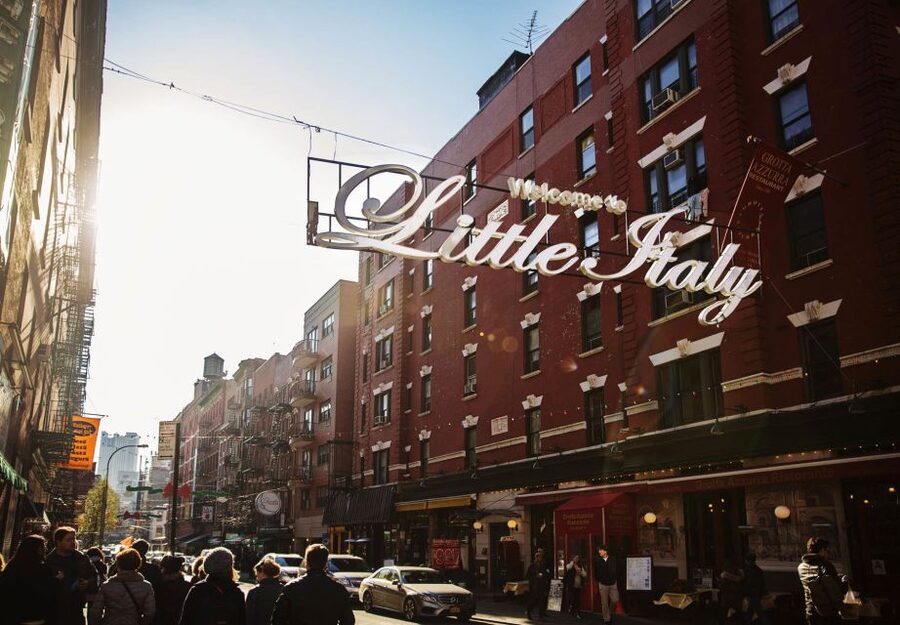
- SoHo’s cast-iron architecture: See the E.V. Haughwout Building, home to New York’s first safety elevator, and look out for celebrity residences and fashion-world sightings.
- True crime and organized crime stories: Hear about the Manhattan Well Murder, John Gotti’s Ravenite Club, Joe Gallo’s mob hit, and Chinatown’s Bloody Angle.
- Food advice, not a paid food tour: You may have time for an ethnic snack or a break in Little Italy, but food purchases are your responsibility.
- Guides make the difference: Angela, Steve, George, Felipe, Ari, and others are praised for clear storytelling, humor, personal stories, and practical recommendations.
- A good orientation walk: The tour finishes near Columbus Park, leaving you well placed to continue exploring Chinatown on your own.
Why this downtown walk works so well
This is a useful choice if you want New York stories attached to actual streets and buildings, rather than a broad lecture about the city. The route is compact, but the subject matter keeps changing.
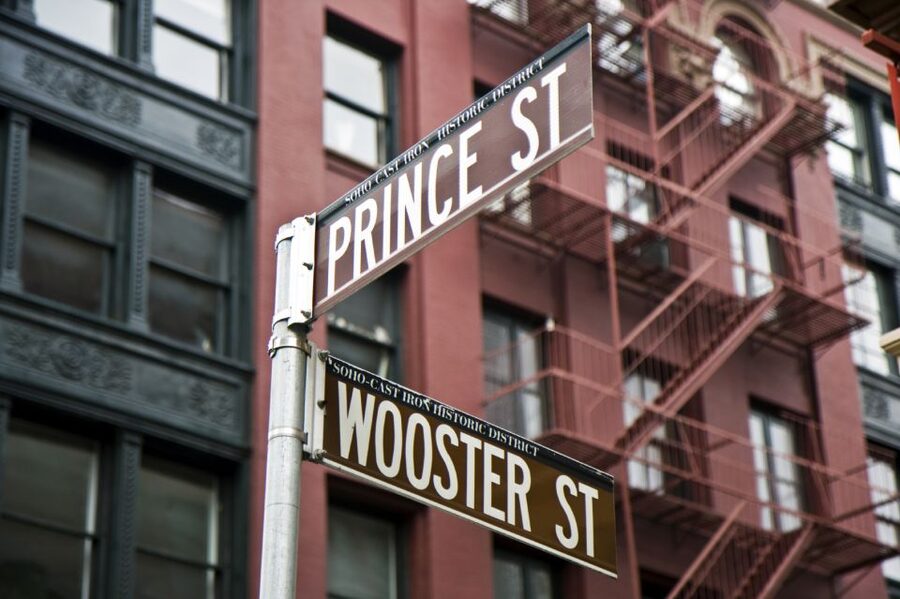
You begin at Spring Street Park and make your way through SoHo. From there, the walk continues into Little Italy, then Chinatown, ending at Columbus Park. Each section receives about 40 minutes, so you get a clear sense of how the neighborhoods developed without committing to a long walking day.
The best guides give the tour a personal feel. Steve has drawn praise for using his experience as a longtime local to connect old New York with the streets you see today. Angela is known for lively delivery and keeping a group together in busy conditions. Felipe brings food suggestions and small details into the storytelling, while George and Ari are especially good choices if you enjoy questions, humor, and conversation.
You cannot choose your guide in advance based on the information provided, but the repeated strength of the guide team matters. On a short city walk, a good storyteller can turn an ordinary block into a place you remember.
More SoHo, Little Italy and Chinatown walks:
- SoHo, Little Italy, and Chinatown Walking Tour in New York
★ 5.0 · 3,153 reviews - NYC: Chinatown & Little Italy Food Tour with 7 Flavorful Tastings
★ 5.0 · 2,733 reviews - Original NYC Guided Food Tour of Chinatown and Little Italy
★ 5.0 · 2,194 reviews
SoHo: cast iron, murder, and modern New York
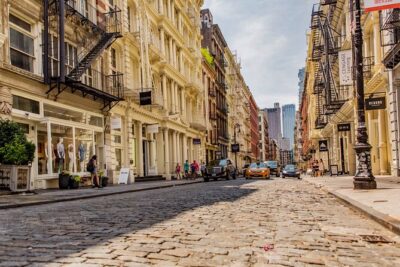
SoHo is often presented as a shopping district, but its most important feature is above street level. The neighborhood contains one of New York’s best collections of historic cast-iron buildings, with decorative facades that look almost too delicate for a working city.
Your guide introduces Spring Street and the blocks around Greene and Spring streets. This is where you hear about the Manhattan Well Murder, described as New York City’s first recorded murder case. It is a sharp change of tone from the polished boutiques and expensive apartments nearby.
That contrast is the point. SoHo now attracts fashion labels, celebrities, and high-end residents, but its buildings belong to an older commercial city. The walk helps you notice the architecture instead of simply passing through on the way to a store.
The E.V. Haughwout Building is one of the key stops. It was home to the first safety elevator, an invention that helped make taller buildings practical and changed how cities could grow. You do not need an architecture background to appreciate the stop. The guide explains why a building feature that seems ordinary today once mattered so much.
There are also pop-culture details. The route includes 421 Broome Street, associated with Heath Ledger’s death in Mary-Kate Olsen’s apartment. This kind of stop will appeal to you if you like connecting places with familiar names, though it may feel less important if you prefer architecture and social history.
SoHo is the easiest section for photo stops, but the streets can be crowded and the sidewalks uneven. Keep your group in sight and wear shoes that can handle two hours of city pavement.
Little Italy: immigrant life behind the restaurant signs
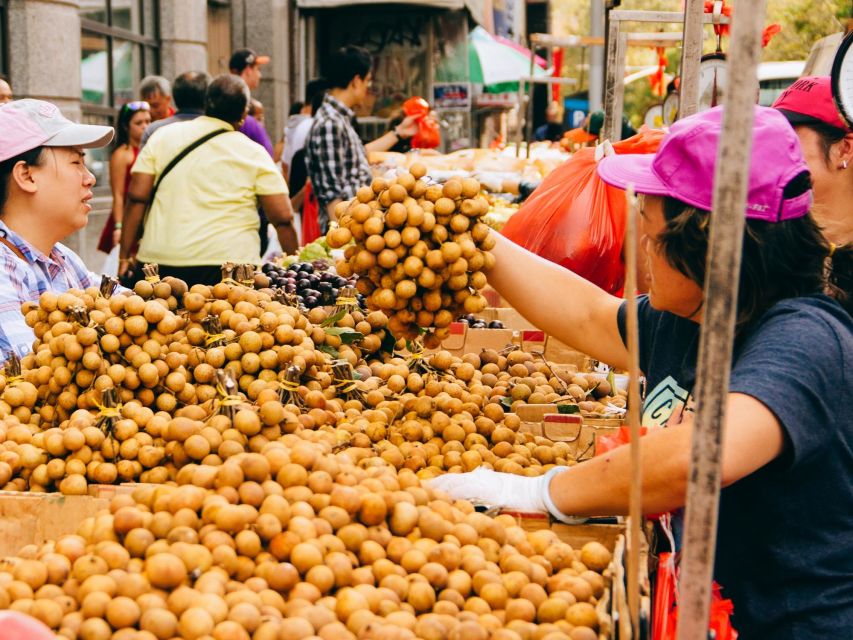
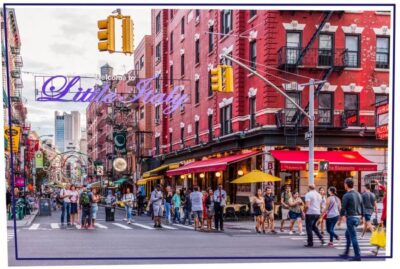
Little Italy is now smaller than the name suggests. That makes the guide’s context especially useful. Instead of treating Mulberry Street as a set of restaurant facades, the tour explains the Italian immigrant experience, including the hard work and pressure faced by families building new lives in New York.
Mulberry Street remains the center of the neighborhood’s public identity. You pass the old police station, a 1909 Beaux-Arts building that is now a residence, and Old Saint Patrick’s. These places show how the district changed from a crowded immigrant quarter into one of the city’s most visited food areas.
Alleva Dairy is another memorable stop. Cheese has been made there for a hundred years, making it a practical link between the area’s Italian food traditions and its modern visitor economy. Food is part of the story here, but this is not a meal-inclusive food tour.
The schedule may allow a short break to buy a snack or look around Little Italy. Several guides offer suggestions for pizza, cannoli, and other local food. Bring some extra money if tasting the neighborhood matters to you, because food is not included in the $39 price.
The Italian American Museum is connected with the site of the Triangle Shirtwaist Factory fire. That stop broadens the story beyond restaurants and mob tales. It points toward the dangerous working conditions and immigrant labor that shaped New York’s growth.
The tour also visits Umberto’s, linked with the mob hit on Joe Gallo. Nearby, the National Shrine Church of San Gennaro brings in a very different tradition, including the famous story of the liquefaction of the saint’s blood. These stops give Little Italy a varied character: work, faith, food, crime, and family identity all occupy the same few blocks.
You should expect some stories to be grim. The tour deals openly with gang violence and murder, so it is not simply a light neighborhood stroll. That edge is part of its appeal, but families with young children may want to consider how comfortable they are with true-crime material.
Chinatown: the Bloody Angle and changing identities
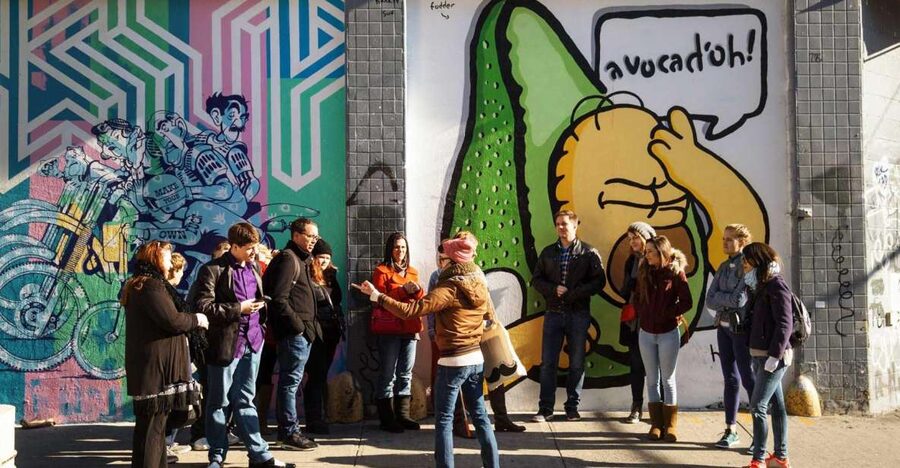
The final section reaches Chinatown, where the tour shifts toward Chinese immigration, gang conflict, and the narrow streets that shaped the neighborhood’s past.
Doyers Street is known as the Bloody Angle. Its sharp bend made it difficult for people to see what was ahead, and the guide uses the location to explain the violence associated with Chinese gangs. The stop is more effective than hearing the same story in a museum because the street itself helps you understand the setting.
The route also includes an old opium den and Columbus Park. The opium den connects to the neighborhood’s darker legends and historic associations, while Columbus Park provides a larger public space at the end of the walk. The park is also known from Gangs of New York, adding another film connection to the day.
Chinatown is a good place to continue on your own after the tour. Since the walk ends at Columbus Park, you can pause there, explore nearby streets, or use the guide’s food suggestions. The supplied information does not promise a meal or tasting, so plan to buy anything you want separately.
This section may feel like the quickest introduction because Chinatown has a large subject to cover in only 40 minutes. You will hear the main stories and gain a sense of place, but you will not explore every part of the neighborhood. I see this as an orientation rather than a final Chinatown visit.
More New York City walking tours:
- Secrets of Grand Central Station Walking Tour New York City
★ 5.0 · 1,796 reviews - Greenwich Village Walking and Food Tasting Tour
★ 5.0 · 1,572 reviews - Artistic, Alternative Greenwich Village Walking Tour
★ 5.0 · 971 reviews - True Crime NYC: Mafia Walk w/Ret. NYPD Detective and Local Food
★ 5.0 · 848 reviews
What the guides add to the experience
A short walking tour succeeds or fails on delivery. Here, the guide team’s range is a real advantage.
Angela is repeatedly described as funny, energetic, and well prepared. She is also praised for managing a busy morning and making room for questions and food advice. If your group includes different ages, her ability to keep the material lively should help.
Steve brings a personal connection to the area. His local stories give the walk a less scripted feel, especially if you enjoy hearing how New York neighborhoods changed over time. Ari is noted for combining humor with detailed information and practical recommendations.
Felipe is a strong fit if food and storytelling matter equally to you. His approach links immigrant origins with pizza, cannoli, and other eating ideas, while still covering true crime and architecture. George is praised for being friendly, approachable, and willing to answer questions.
Other guides named in connection with the tour include Arun, Filip, Jacob, Alex, Peter, Joseph, Laura, Mindy, Isa, Johnny, David, Verena, Amy, and Bliss. The common thread is an English-language walk led by a live person rather than an audio track. That means the experience can feel different depending on who leads it, but it also gives you a chance to ask about places that catch your eye.
Is $39 a fair price?
At $39 per person, I consider this good value if you want a guided introduction to downtown Manhattan. You are paying for two hours of live narration, route planning, local context, and the chance to connect several neighborhoods that can otherwise blur together.
The value is strongest for a first visit to New York. A guide points out details you might miss, such as the Haughwout elevator, the Manhattan Well site, the Ravenite Club, or the history behind Doyers Street. You also finish with recommendations for food and further exploring.
It is less good value if you already know SoHo, Little Italy, and Chinatown well. You can walk these streets independently, and the tour does not include food, museum admission, or a longer visit inside major attractions.
Think of the price as paying for interpretation. The buildings and streets are free, but understanding why they matter is what you are buying.
How demanding is the walk?
You need comfortable shoes and clothing suited to the weather. The activity is a continuous two-hour walk through city streets, and it is specifically not suitable for people with mobility impairments.
The pace is described as easy and comfortable by one family group, but conditions can still be tiring on a hot day. A guide may seek shade and adjust the group’s position, as Filip did during a very warm walk, but you should still bring water and plan for sun or rain.
There are no details about group size, restroom stops, or indoor seating, so do not count on those features. Meeting points can vary by booking option, so check your confirmation carefully before setting out.
The route starts at Spring Street Park and ends at Columbus Park. This one-way arrangement is convenient because you do not have to retrace your steps, but it also means you should plan your next stop from Chinatown rather than SoHo.
Who should book this walk?
I would recommend it to first-time New York visitors, curious walkers, and anyone who likes stories attached to real places. It works particularly well during the first days of a city break, when you want a map in your head and a few ideas for where to eat afterward.
It also suits people who enjoy several subjects at once. You get cast-iron design, immigrant history, organized crime, celebrity connections, religious tradition, film locations, and food culture in a single outing.
Families can enjoy it if children are comfortable with stories about murder and gang violence. The walk has enough pop culture and food detail to keep a mixed group interested, but the material is not sanitized.
You may want something else if you prefer a slow architecture tour, a dedicated food crawl, or a full museum visit. This experience moves quickly and stays outdoors. Its strength is range, not depth at every stop.
Practical verdict: book it for the stories, not the checklist
Book this tour if you want three very different neighborhoods explained by a lively local guide in a short block of time. The cast-iron buildings, old food businesses, Mafia sites, Doyers Street, and Columbus Park give the route plenty of memorable stops.
Skip it if you already know the area or want included tastings. At $39, the walk earns its price through strong guiding and useful context, not through admissions or meals.
For the best experience, wear supportive shoes, dress for the forecast, bring money for any food you want to sample, and arrive ready to ask questions. If you are assigned Angela, Steve, George, Felipe, or Ari, expect a guide who can add humor and personal detail to the route. The tour will not tell you everything about downtown Manhattan, but it can help you see these streets with sharper eyes.
FAQ
How long is the SoHo, Little Italy, and Chinatown walking tour?
The tour lasts two hours. The planned route gives about 40 minutes to each of SoHo, Little Italy, and Chinatown.
Where does the tour start?
The listed starting location is Spring Street Park in SoHo. The meeting point may vary depending on the option you book, so check your booking details.
Where does the tour finish?
The walk finishes at Columbus Park in Chinatown.
What language is the tour conducted in?
The tour is conducted in English with a live English-speaking guide.
Is food included in the price?
No. Food costs are not included. You may have opportunities to buy ethnic food or snacks during the walk, but you pay for those separately.
What places are covered in SoHo?
The SoHo section can include Spring Street, Greene and Spring streets, the Manhattan Well Murder site, the Cast Iron district, the E.V. Haughwout Building, 421 Broome Street, and the old police station.
What places are covered in Little Italy?
The route can include the Ravenite Club, Old Saint Patrick’s, Mulberry Street, Alleva Dairy, the Italian American Museum, Umberto’s, and the National Shrine Church of San Gennaro.
What places are covered in Chinatown?
The Chinatown section can include an old opium den, Doyers Street’s Bloody Angle, and Columbus Park.
What should I bring?
Bring comfortable shoes and clothing suitable for the weather. The activity is not suitable for people with mobility impairments.
More 2-Hour Experiences in New York City
- NYC: Circle Line 2h Harbor Lights Cruise Skip-The-Box-Office
★ 4.6 · 8,222 reviews - New York City: Gangsters and Ghosts 2-Hour Walking Tour
★ 4.7 · 615 reviews - 2-hour Metropolitan Museum Guided Tour
★ 5.0 · 515 reviews - From Manhattan: 2-Hour Brooklyn Bridge Bike Tour
★ 4.4 · 230 reviews
Just listed around New York City
- NYC: Little Shop of Horrors Off-Broadway Ticket5 reviews
- Private NYC Airport Transfer: LGA to Manhattan – Up to 5★ 3.6 · 5 reviews
- New York City Tour in German★ 4.5 · 5 reviews
- New York: Hamilton and Washington Revolutionary Walking Tour★ 5.0 · 5 reviews
- NYC Freedom Tower Private Photo or Video Experience★ 4.0 · 6 reviews
- New York Afternoon Fall Foliage Cruise with Lunch★ 5.0 · 6 reviews
- Brooklyn Walking Tours by Locals: Private & 100% Personalized★ 4.0 · 6 reviews
- Southold Bay Oyster Farm Tour★ 5.0 · 6 reviews
SoHo, Little Italy & Chinatown Tours, compared.
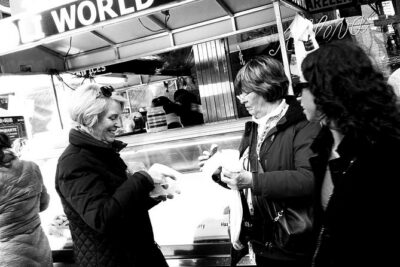
SoHo, Little Italy, and Chinatown Walking Tour in New York
Read our review →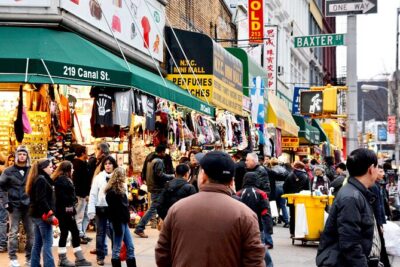
Chinatown & Little Italy Food Tour with 7 Flavorful Tastings
Read our review →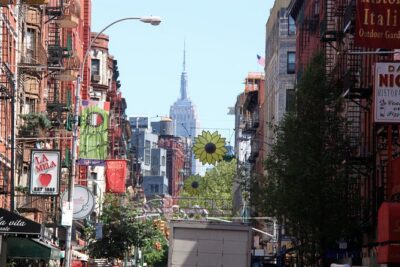
Original NYC Guided Food Tour of Chinatown and Little Italy
Read our review →
SoHo, Little Italy, and Chinatown NYC Guided Walking Tour
Read our review →
3 Neighborhoods Tour: Soho, Chinatown & Little Italy
Read our review →Browse the lists this tour appears in