
Reviewed · HARLEM & GOSPEL TOURS
Soul of Harlem: Striver’s Row, Apollo Theatre & Gospel Heritage
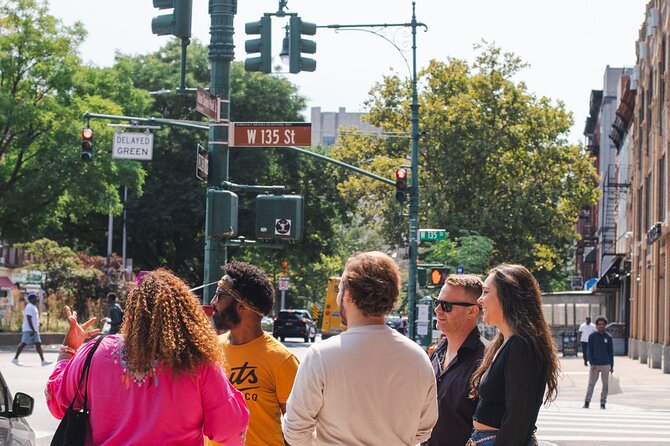
Harlem’s story comes alive through its music, churches, row houses, and civil rights landmarks on this two-hour walk. You move from the Schomburg Center and Abyssinian Baptist Church to Striver’s Row, Bill’s Place, and the Apollo Theater, with local guides connecting the sights to the people who shaped Black New York.
I like the way this tour links art, politics, literature, jazz, and gospel instead of treating Harlem as a collection of famous addresses. I also like the small group limit of 18, which gives guides such as Ron, Lady Altovise, and Meredith room to talk with you. The main caution is pacing: one guide received criticism for spending too long with a folder of photographs, and an incorrect meeting-point notice caused confusion for one group.
In This Review
- Key points to know before you book
- Why Harlem works best as a walking story
- Starting at the Schomburg Center
- Abyssinian Baptist Church and Harlem’s faith tradition
- Striver’s Row and the people behind the façades
- Bill’s Place on the original Swing Street
- Finishing at the Apollo Theater
- The guides can make or break the pace
- How much value do you get for $39?
- Timing, comfort, and practical planning
- Who should take this Harlem walk?
- Should you book Soul of Harlem?
- FAQ
- How long does the Soul of Harlem tour last?
- How much does the tour cost?
- What language is the tour offered in?
- What places does the tour visit?
- Is gospel included on every departure?
- How large is the tour group?
- Are the stops included in the ticket price?
- Is the tour accessible by public transportation?
- Can I cancel for a full refund?
Key points to know before you book
- The Schomburg Center sets the tone: Begin with one of the country’s major institutions for African American research and culture.
- Striver’s Row offers more than pretty façades: The 1890s row houses connect architecture with figures such as Adam Clayton Powell Jr. and Bill Bojangles Robinson.
- Sunday adds gospel: Sunday departures include skip-the-line access to a gospel experience at a local church.
- The Apollo is the grand finale: The famous theater gives the walk a strong finish tied to jazz, soul, comedy, and popular music.
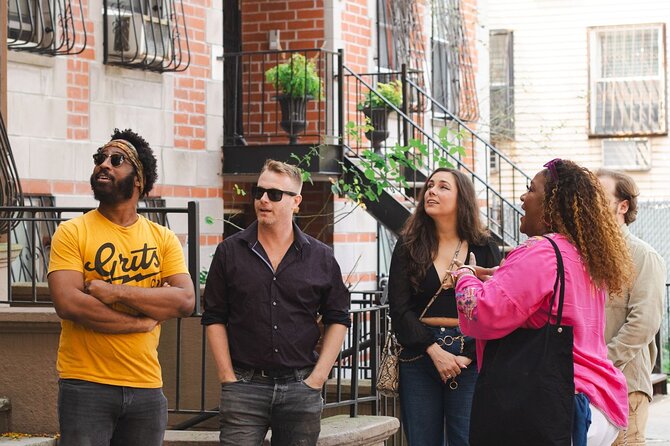
- Guides shape the experience: Ron, Lady Altovise, and Meredith each bring different energy, so expect a personal, story-led walk rather than a fixed museum tour.
- The price is fair for a compact introduction: At $39, you pay for two hours of guiding across several major Harlem landmarks, with gospel access on Sundays.
Why Harlem works best as a walking story
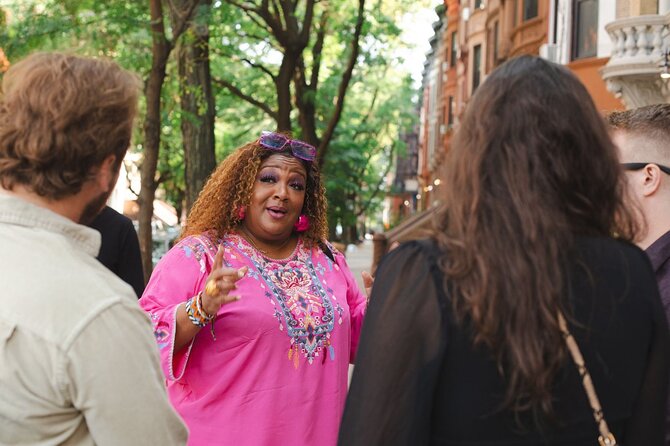
Harlem is not just a neighborhood of famous venues. It is a place where migration, faith, political action, music, theater, and housing all meet within a relatively short walk.
That is the real value of this experience. Instead of seeing the Apollo Theater in isolation, you learn how it fits into a wider community. The church matters because Harlem’s religious institutions have long served as places of worship, leadership, and public life. The row houses matter because they show where prominent Black New Yorkers lived and worked. The Schomburg Center matters because it preserves the records and ideas behind those stories.
You should expect an interpretive walk, not a series of long interior visits. The listed stops are free to enter, but the tour’s value comes from the guide’s explanation and the links between each location. That makes the quality and pace of the guide important.
The maximum group size is 18. That is still large enough to feel social, but small enough for a guide to answer questions and keep the group together on city streets.
More Harlem visits and gospel mornings:
- NYC Highlights Tour: Bronx, Brooklyn, Harlem, Queens & Coney
★ 4.5 · 2,846 reviews - NYC: Contrasts Tour of Harlem, The Bronx, Queens & Brooklyn
★ 4.5 · 2,167 reviews - NYC: Harlem Hallelujah! Gospel Wednesday Concert
★ 4.7 · 1,638 reviews
Starting at the Schomburg Center
The Schomburg Center for Research in Black Culture is a fitting starting point. It is part of the New York Public Library system and focuses on preserving and presenting the African American experience.
Your visit here is listed at about 20 minutes. That is enough time to get oriented and understand why Harlem’s cultural story has been recorded so carefully. Exhibitions may cover subjects such as the Harlem Renaissance, the Civil Rights Era, and the Black Lives Matter movement.
I like this opening because it gives the tour a serious foundation. You are not simply being shown where musicians performed. You are being introduced to the people, movements, and ideas that made Harlem important far beyond New York.
Do not expect a full museum visit during this stop. With only about 20 minutes, the guide will likely use the center as a starting point rather than lead you through every exhibition. If you want a longer look at its displays, you may need to return on your own.
Abyssinian Baptist Church and Harlem’s faith tradition
The next major stop is Abyssinian Baptist Church, one of the oldest Baptist churches in the United States. The congregation was founded more than 220 years ago and has been based in Harlem since 1902.
The planned visit lasts about 30 minutes, making this one of the longer stops. That gives the guide time to explain the church’s place in Harlem life and the lasting role of Black churches in community leadership.
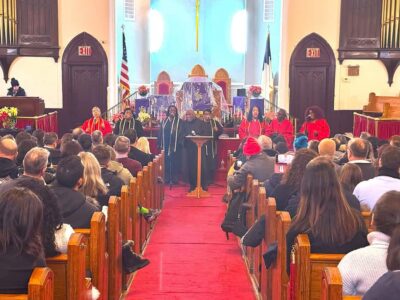
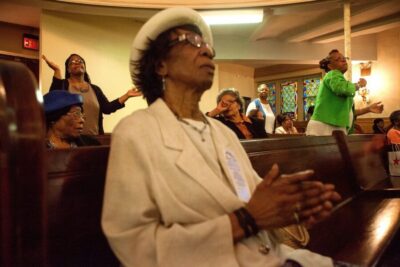
The church is also central to the Sunday option. Sunday tours include skip-the-line access to a gospel experience at a local church. The supplied details do not identify the church for the gospel service, so you should treat it as a separate local church experience rather than assume it takes place at Abyssinian Baptist Church.
This part of the tour may be especially appealing if you want more than architecture. The church connects faith with public life, social justice, and the long struggle for equality. One of the strongest elements of the walk is this link between spiritual practice and political action.
If gospel singing is a priority, choose a Sunday departure and confirm the meeting details before setting out. The gospel portion is a special Sunday feature, not a daily part of the tour.
Striver’s Row and the people behind the façades
Striver’s Row gives the tour one of its most visual stops. The district contains attractive row houses, alleyways, shared rear spaces, and courtyards dating from the 1890s.
The architecture is worth seeing, but the names connected to the area make it more meaningful. The tour points to figures including tap dancer and actor Bill Bojangles Robinson, heavyweight boxer Harry Black Panther Willis, Congressman Adam Clayton Powell Jr., and William Marion Cook, described as the first Black Broadway musical composer.
This is where Harlem’s housing story becomes personal. You are looking at buildings that housed artists, public figures, and performers, not just an attractive block of old New York homes.
The stop lasts about 20 minutes. That is enough for a good introduction, though not enough for an extended architectural study. I would pay attention to the shared courtyards and alleyways, since those details help you see how the blocks were planned and used.
Striver’s Row also adds a useful counterpoint to the Apollo. The theater represents public performance and celebrity. These houses suggest the everyday side of achievement, where influential residents lived between appearances, campaigns, and performances.
More New York City history walks:
- New York City: American Museum of Natural History Ticket
★ 4.5 · 15,447 reviews - NYC: Starship Landmark 90 Minute Sightseeing Cruise
★ 4.6 · 3,666 reviews - Starship Landmark 90 Minute Sightseeing Cruise
★ 4.5 · 2,073 reviews - American Museum of Natural History Admission Ticket
★ 4.0 · 1,931 reviews
Bill’s Place on the original Swing Street
Bill’s Place is the music-focused stop between Striver’s Row and the Apollo. It is located on Harlem’s original Swing Street, and owner Bill Saxton is identified as a Harlem jazz figure who performs with leading musicians.
The stop is scheduled for about 20 minutes. That makes it a compact introduction to Harlem’s jazz tradition rather than a full concert visit. The experience is tied to the neighborhood’s history of jazz and swing, with Billie Holiday included among the major names associated with the venue’s story.
This is one of the more distinctive parts of the route because it moves beyond the best-known landmarks. The Apollo is famous worldwide, but a smaller jazz setting helps explain the working music culture that supported Harlem’s reputation.
You should keep your expectations practical. The information provided does not promise a complete live performance during every tour, so book this walk for the history and setting rather than as a substitute for an evening jazz show.
Finishing at the Apollo Theater
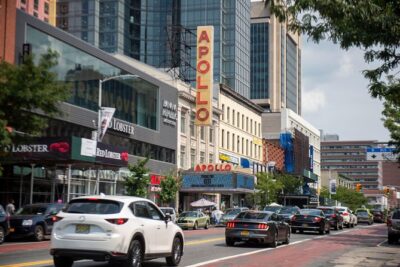
The Apollo Theater is the natural closing point. Its slogan describes it as a place where stars are born and legends are made, and its nine-decade story includes major concerts and performances.
The tour allows about 30 minutes here. That gives you time to understand the theater’s place in American entertainment and to connect it with the artists, musicians, and performers discussed earlier.
The Apollo is a powerful final stop because it gathers the tour’s main themes in one place. Music, Black performance, theater, popular culture, and community identity all meet here. Even if you have already seen photographs of the Apollo, hearing its story after visiting the church, row houses, and jazz setting gives the building more weight.
The tour does not list a backstage visit or a full interior theater tour. Plan on viewing and discussing this landmark as part of the walk. If you want a formal theater program or concert, that would be a separate plan.
The guides can make or break the pace

The company uses local Harlem residents and award-winning guides. Names associated with this experience include Ron, Lady Altovise, and Meredith.
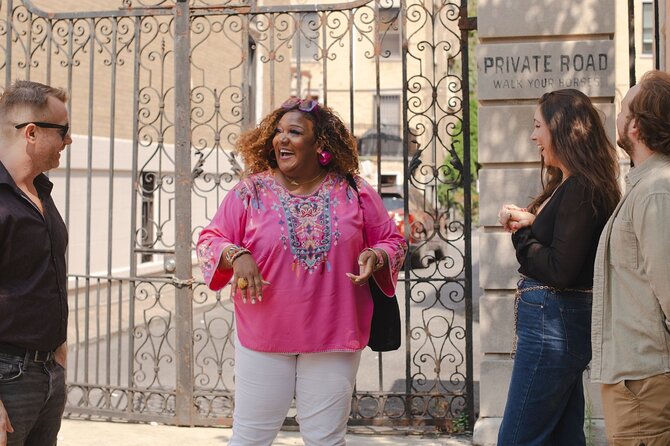
Lady Altovise is known for an energetic, welcoming approach and for keeping the group involved. She also handled a meeting-point problem directly by contacting a participant who had received incorrect instructions. If you are running late, contact your guide as soon as possible, since the published meeting information may not always be consistent.
Ron is described as personable and passionate about Harlem. His approach may include photographs and background material from a folder. That can add useful context, but one cold-weather outing felt too slow because too much time was spent looking at pictures outdoors. The lesson is simple: ask questions and speak up if you need the group to keep moving.
Meredith has been praised for connecting music, literature, art, social movements, and the Harlem Renaissance. One outing felt too limited in ground covered and information delivered, so expectations should stay realistic. The tour is a two-hour introduction, not a complete course in Harlem history.
The guides clearly bring their own personalities and emphasis. That is part of the charm of a local walking tour, but it also means the experience can vary. You are booking a human-led tour, not an audio track with identical timing every day.
How much value do you get for $39?
At $39 per person, this is reasonably priced for a two-hour guided walk covering five important Harlem stops. The listed admission for the stops is free, so you are paying mainly for the guide’s time, local interpretation, route planning, and the Sunday gospel arrangement when applicable.
The value is strongest if you are new to Harlem and want a clear introduction in a short block of time. You receive a connected story rather than having to plan separate visits to the Schomburg Center, Abyssinian Baptist Church, Striver’s Row, Bill’s Place, and the Apollo.
The price is less compelling if you already know Harlem well or prefer to explore at your own pace. Several stops are viewed from the outside or used as short teaching points, and the tour cannot cover every era or neighborhood in two hours.
Sunday can improve the value for some people because the gospel experience adds music and a local church setting. If you are mainly interested in architecture or literary history, a weekday walk may be enough.
The tour is often booked about 18 days ahead. That suggests planning early, especially if you want a Sunday departure or a particular guide.
Timing, comfort, and practical planning
The walk lasts approximately two hours. Wear shoes suited to city walking and check the weather before you go. One outing took place in cold conditions, and another continued through rain, so weather can affect how comfortable and fast the experience feels.
The route is near public transportation. That makes it easy to reach from other parts of Manhattan, though you should rely on the confirmed meeting instructions rather than an old message or third-party map pin.
A mobile ticket is provided, and the tour is offered in English. Service animals are allowed, and most people can participate. The group maximum is 18, which helps keep the walk manageable.
Free cancellation is available up to 24 hours before the start time. Cancellations or changes inside that window are not accepted for a refund. The cut-off uses New York local time, so check the timing carefully if you are booking from another time zone.
Who should take this Harlem walk?
I would recommend it to first-time Harlem visitors who want context as well as landmarks. It suits people interested in jazz, gospel, the Harlem Renaissance, Black political history, civil rights, literature, and theater.
Families can enjoy it if children are comfortable walking and listening for two hours. The mix of buildings, performers, churches, and famous names gives the guide several ways to hold attention.
It also works well for solo visitors and couples who want a social introduction without committing to a full-day tour. The small group size is useful if you like asking questions.
You may want another option if you need a highly structured timeline, extensive indoor access, or a broad survey of every period in Harlem’s development. The quality depends partly on the guide’s pacing, and the route is compact by design.
Should you book Soul of Harlem?
Book this tour if you want a focused introduction to Harlem’s cultural life and prefer stories told on the street rather than a museum-only visit. The combination of the Schomburg Center, Abyssinian Baptist Church, Striver’s Row, Bill’s Place, and the Apollo gives you a strong first look at the neighborhood.
Choose Sunday if gospel is central to your plans, and allow extra care with meeting instructions. If you are sensitive to cold or rain, dress for the weather and remember that some guides may use printed photographs during the walk.
At $39, this is a good-value orientation for newcomers, especially with a lively guide such as Lady Altovise or a passionate storyteller such as Ron or Meredith. It is not a complete history of Harlem, but it gives you enough landmarks and ideas to continue exploring on your own.
FAQ
How long does the Soul of Harlem tour last?
The guided walk lasts approximately two hours.
How much does the tour cost?
The listed price is $39 per person.
What language is the tour offered in?
The tour is offered in English.
What places does the tour visit?
The route includes the Schomburg Center for Research in Black Culture, Abyssinian Baptist Church, Striver’s Row, Bill’s Place, and the Apollo Theater.
Is gospel included on every departure?
No. The gospel experience is available on Sundays only and includes skip-the-line access to a local church.
How large is the tour group?
The activity has a maximum of 18 participants.
Are the stops included in the ticket price?
The listed admission for the Schomburg Center, Abyssinian Baptist Church, Striver’s Row, Bill’s Place, and the Apollo Theater is free. The tour price covers the guided experience, and Sunday departures include the gospel experience described above.
Is the tour accessible by public transportation?
Yes. The tour is near public transportation.
Can I cancel for a full refund?
Yes, if you cancel at least 24 hours before the experience start time. Cancellations or changes made less than 24 hours before the start time are not accepted for a refund.
Just listed around New York City
- NYC: Little Shop of Horrors Off-Broadway Ticket5 reviews
- Private NYC Airport Transfer: LGA to Manhattan – Up to 5★ 3.6 · 5 reviews
- New York City Tour in German★ 4.5 · 5 reviews
- New York: Hamilton and Washington Revolutionary Walking Tour★ 5.0 · 5 reviews
- NYC Freedom Tower Private Photo or Video Experience★ 4.0 · 6 reviews
- New York Afternoon Fall Foliage Cruise with Lunch★ 5.0 · 6 reviews
- Brooklyn Walking Tours by Locals: Private & 100% Personalized★ 4.0 · 6 reviews
- Southold Bay Oyster Farm Tour★ 5.0 · 6 reviews
Harlem & Gospel Tours, compared.

NYC Highlights Tour: Bronx, Brooklyn, Harlem, Queens & Coney
Read our review →
Contrasts Tour of Harlem, The Bronx, Queens & Brooklyn
Read our review →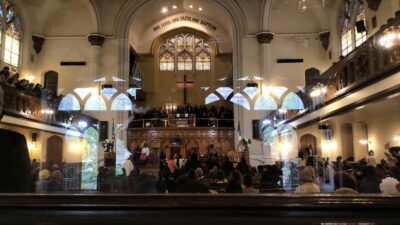


Browse the lists this tour appears in