
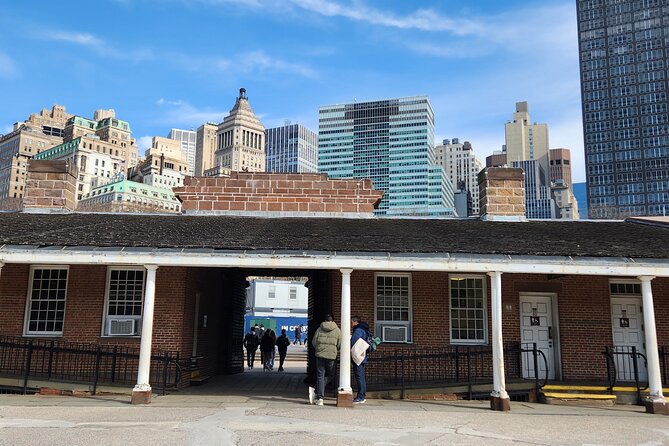
Reviewed · WALL STREET & FINANCIAL DISTRICT TOURS
Unexpected Wall Street Walking Tour
Lower Manhattan is where New York’s biggest stories hide in plain sight. On this walking tour, Suzanne Reisman leads you from South Ferry through Battery Park, Bowling Green, Wall Street, and Stone Street, linking subway archaeology, landfill, fires, colonial life, finance, and famous New Yorkers along the way.
I like the small group limit of 15, which gives the guide room to answer questions instead of delivering a speech to a crowd. I also like the tour’s local focus: it goes beyond stock-market clichés and looks at the people, buildings, old shorelines, and buried clues that shaped the city. The main drawback is that the tour spends more than two hours outdoors, so poor weather can affect the experience.
In This Review
- Key points at a glance
- Why this Wall Street tour is different
- Starting underground at South Ferry
- Battery Park and the edge of the island
- Bowling Green and the oldest public spaces
- Wall Street without the usual shortcuts
- Stone Street, cobblestones, and fire
- Finishing at Fraunces Tavern
- What the $45 price really covers
- Who should book this walk
- Booking and cancellation details
- Should you book the Unexpected Wall Street Walking Tour?
- FAQ
- How long does the Unexpected Wall Street Walking Tour last?
- Where does the tour begin?
- Where does the tour end?
- Is Fraunces Tavern Museum admission included?
- What is included in the $45 price?
- How large is the tour group?
- What happens if the weather is poor?
Key points at a glance
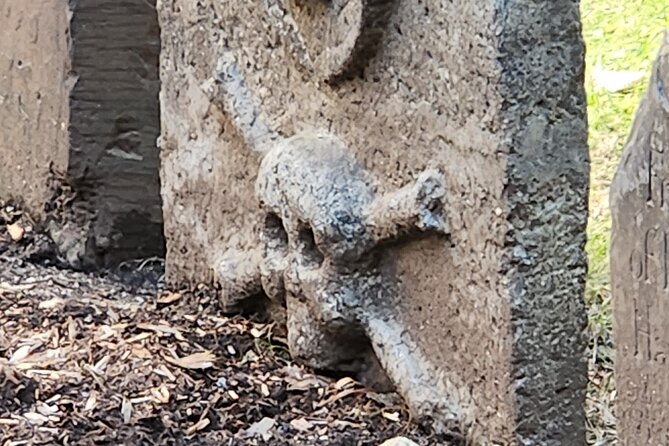
- South Ferry archaeology: Begin underground, with attention to the subway station’s art and the area’s buried past.
- Battery Park and landfill: See the edge of Manhattan and learn how the island grew beyond its original shoreline.
- Bowling Green stories: Explore one of New York’s oldest public spaces and visit another historic subway station.
- Wall Street beyond finance: Connect famous streets and events with the city’s Dutch and early American beginnings.
- Stone Street and old fires: Learn why cobblestones matter and how fire changed Lower Manhattan.
- Personal scale: Suzanne Reisman guides a maximum of 15 people in English, with plenty of room for questions.
Why this Wall Street tour is different
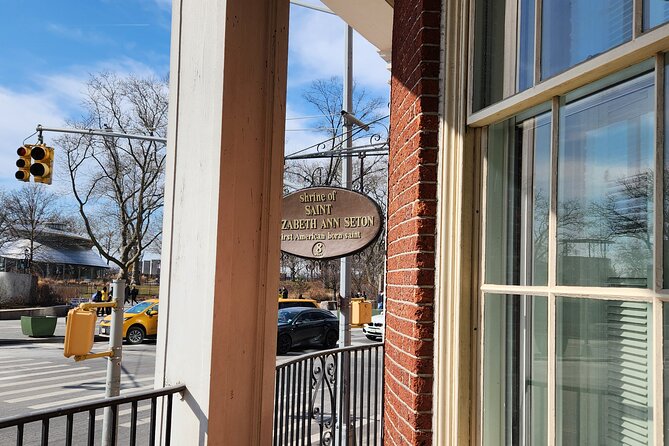
Many people come to Wall Street expecting the New York Stock Exchange, charging bulls, and a few quick photographs. Those sights have their place, but they tell only the newest chapter of Lower Manhattan.
This tour takes a longer view. You move through the southern tip of the island, where Dutch settlement, colonial government, trade, war, fire, landfill, immigration, and modern finance all overlap. The focus is not just on what a building looks like. Suzanne connects places to the people and events that made them matter.
That approach is especially useful if you have already walked through the Financial District on your own and felt that you were seeing important places without understanding them. The tour supplies the links. A narrow street becomes evidence of an older city. A subway station becomes a clue to archaeology and public art. A broad park helps explain how Manhattan changed shape.
The experience has earned 15 five-star ratings, with every published rating recommending it. That is a small sample, but the praise is consistent: people value the unusual facts, Suzanne’s humor, and the way she makes early New York understandable. One retired New York history teacher even found unfamiliar stories in a city she had known all her life.
More Wall Street walks:
- NYC City Tour: Statue of Liberty, 9/11 Memorial, Wall Street
★ 4.5 · 2,059 reviews - Wall Street Insider Tour with a Finance Professional
★ 4.5 · 660 reviews - Wall Street Insider Tour with a Finance Professional
★ 4.5 · 571 reviews
Starting underground at South Ferry
The meeting point is South Ferry Terminal at 11 a.m. This is a practical starting place because it puts you at the southern end of Manhattan, close to the water and the remains of the city’s earliest shoreline.
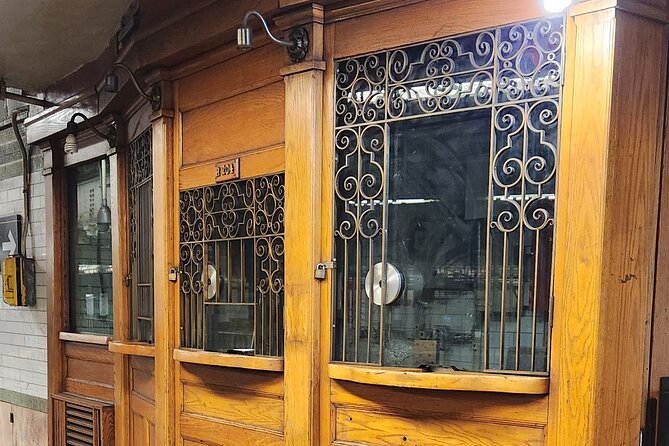
The first stop includes the South Ferry subway station, where Suzanne discusses archaeology and art. That is a smart opening. You are not simply standing at a famous street corner and hearing dates. You begin with the layers beneath the modern city.
The southern tip of Manhattan has changed considerably over time. As the tour unfolds, you learn how land was added and how the shoreline shifted. Starting near the ferry and subway helps you picture Lower Manhattan as a place that was built, rebuilt, and extended.
Allow about 10 minutes here. The stop is short, but it sets up the tour’s main idea: New York’s past is often below your feet or hidden behind familiar modern uses.
Battery Park and the edge of the island
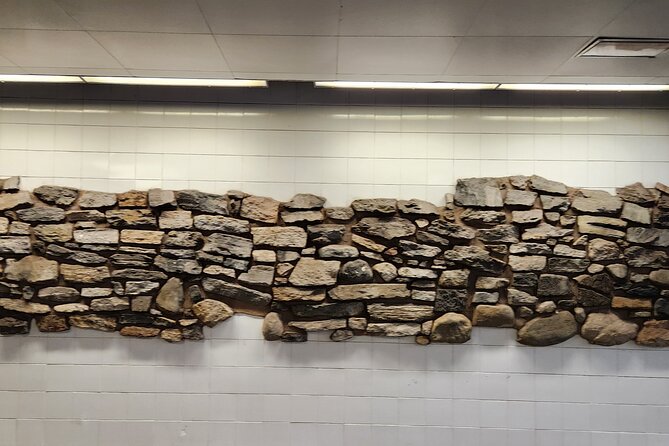
From South Ferry, the walk continues toward Battery Park, with several stops along the way and additional pauses inside the park. Plan on about 30 minutes in this section.
Battery Park is more than a pleasant patch of open space at the island’s southern tip. It gives you a useful sense of Manhattan’s position beside the water and helps explain the city’s original limits. Suzanne uses the area to discuss events and changes that are easy to miss if you hurry toward Wall Street.
One especially useful theme is landfill. Parts of Lower Manhattan were extended beyond their earlier shorelines, and the route helps you notice where the modern city rests on added ground. That detail can change how you read the streets around you. The city is not one fixed, natural form. It has been repeatedly altered to serve trade, transportation, defense, and growth.
Battery Park also works well as a break from the tall buildings of the Financial District. You get open views and a little breathing room before the route turns into tighter streets and denser urban spaces.
The drawback is simple: this portion is fully outdoors and may involve standing while the guide explains several nearby sites. Wear comfortable shoes and bring water, since bottled water is not provided.
Bowling Green and the oldest public spaces
The next major stop is Bowling Green, with about 20 minutes devoted to the park and its subway station. This area helps bridge the gap between the city’s colonial beginnings and the modern business district.
Bowling Green is important because it has long served as a public gathering place. Here, Suzanne discusses events that took place in and around the park, giving you a better sense of how Lower Manhattan functioned before it became known mainly for offices and finance.
The subway station adds another layer. Like South Ferry, it brings modern transportation into contact with older ground and older stories. The tour’s strength is this kind of connection. You are not asked to memorize a list of dates. Instead, you see how a single location can carry several periods of New York’s past.
This is also a good section for families with older children. A published account describes children aged 10 and 14 enjoying the tour, which suggests that Suzanne’s amusing anecdotes help keep the information moving. Still, this is a history walk, not an activity built around games or special entertainment. Children who enjoy stories about cities, old buildings, and unusual facts are the best match.
More New York City walking tours:
- SoHo, Little Italy, and Chinatown Walking Tour in New York
★ 5.0 · 3,153 reviews - Secrets of Grand Central Station Walking Tour New York City
★ 5.0 · 1,796 reviews - Greenwich Village Walking and Food Tasting Tour
★ 5.0 · 1,572 reviews - Artistic, Alternative Greenwich Village Walking Tour
★ 5.0 · 971 reviews
Wall Street without the usual shortcuts
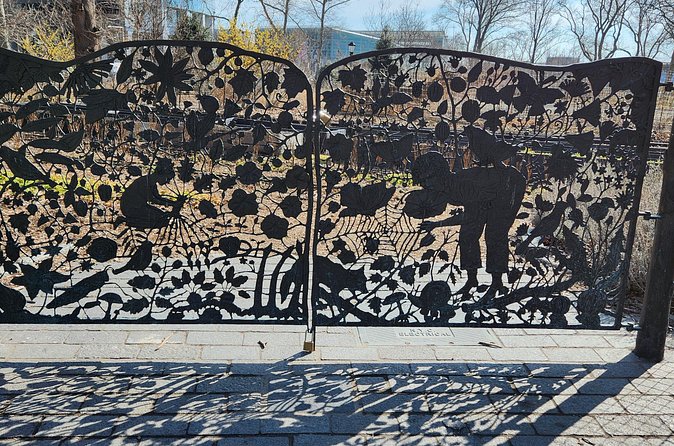
Between Bowling Green and Wall Street, the tour makes several stops over roughly 30 minutes. This is the part many people expect to dominate the experience, but it is not treated as a quick photo stop.
You hear about sites, people, events, and the forces that shaped the street. The story reaches from Dutch colonial times through later American history and into the modern Financial District. That wider frame matters. Wall Street did not appear fully formed as a center of money. Its importance grew from Lower Manhattan’s position, its trade, its government, and its changing population.
I appreciate that the tour does not reduce the district to finance. If you only want current market facts or a tour of corporate landmarks, this may not be the best choice. If you want to understand why this part of the city became so influential, the wider approach gives you more value.
The guide’s humor is another asset. Suzanne’s style, as described by several participants, mixes factual material with colorful anecdotes and unexpected connections. That makes a difference during a long walking tour. You are more likely to remember a place when the explanation has a clear human story attached to it.
Stone Street, cobblestones, and fire
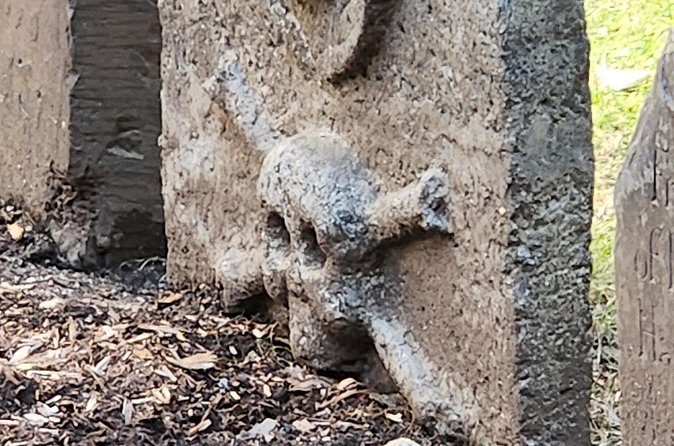
Stone Street receives about 15 minutes, but it is one of the route’s most distinctive sections. The street’s cobbles provide a direct visual link to an older Lower Manhattan, and Suzanne explains their role along with the fires that affected the area.
This stop shows why the tour works best when you pay attention to small details. A cobbled surface may look decorative today, yet it raises practical questions about transport, construction, drainage, and city growth. Fires, in turn, reveal how building materials and crowded streets shaped public policy and rebuilding.
The tour also moves toward an important archaeological site after discussing Stone Street. The supplied details do not identify the site by name, so you should expect the guide to explain its importance on location rather than plan around a specific attraction.
Stone Street is a good place to slow down. Narrow streets can make the old city feel more tangible than broad avenues do, even when modern buildings surround them. The tour’s focus on cobblestones and fire turns an attractive street into evidence of how New York developed.
Finishing at Fraunces Tavern
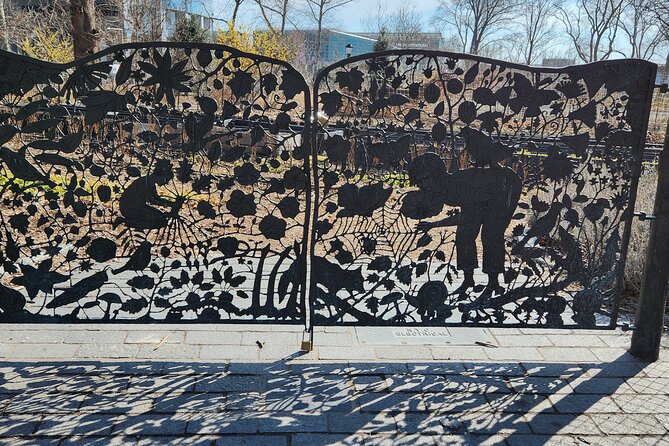
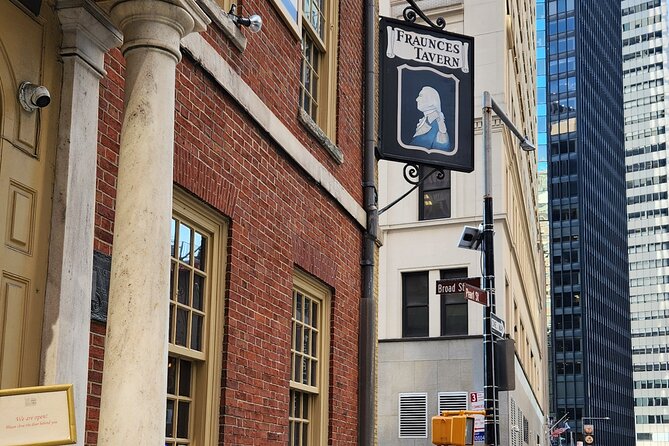
The walk ends outside the Fraunces Tavern Museum at 54 Pearl Street, after about 10 minutes devoted to the final stop. This is a useful ending because you have the option to continue your afternoon with food or more history.
Admission to the museum is not included. You can choose to pay separately and visit after the walk, or stay at the tavern for a meal. Suzanne can provide directions to the nearest subway station and other requested information when the tour ends.
Fraunces Tavern gives the route a fitting final note. The tour has moved through early settlement, public spaces, trade, streets, archaeology, and Wall Street. Ending at a historic tavern keeps the focus on the human side of Lower Manhattan rather than finishing at a generic office tower.
If you plan to visit the museum, allow extra time and budget for the separate admission. If you are ready to move on, the end point is still practical because you can get directions for the subway.
What the $45 price really covers
The price is $45 per person. That fee covers the walking tour and Suzanne’s guiding, but not food, bottled water, transportation, or admission to Fraunces Tavern Museum.
For two hours and 15 minutes, the cost is reasonable if you value interpretation. You are paying for the connections between places, not for entry into a major attraction. The stops themselves are free, so the tour’s value depends on how much you want a guide to explain what you are seeing.
I would compare it with the cost of spending an unstructured morning in Lower Manhattan. You can certainly walk these streets on your own, but you may pass the subway stations, landfill boundaries, archaeological clues, and old street patterns without knowing their significance. If those details interest you, the fee buys context and saves research time.
The maximum group size of 15 improves that value. A smaller group makes it easier to hear in city streets and ask about a particular building or event. It also keeps the walk more personal than a large coach-style outing.
Who should book this walk
This tour is a strong fit for you if you enjoy early American history, New York archaeology, urban development, and stories that connect ordinary streets to major events. It also suits people who have lived in New York or worked in the Financial District but still feel they have missed parts of its past.
Families can consider it for children aged 10 and up, especially if they enjoy unusual facts and funny stories. The walk is in English, and most people can participate. Service animals are allowed, and the route is near public transportation.
You should think twice if you want a fast tour focused only on modern finance, landmark photographs, or indoor attractions. You should also plan carefully around weather. The experience requires good weather, and a cancellation caused by poor conditions results in a different date or a full refund.
Wear walking shoes, bring water, and leave room in your schedule after 1:15 p.m. The stated duration is approximate, and the end at Fraunces Tavern gives you several sensible next steps.
Booking and cancellation details
Confirmation is provided when you book. You can cancel up to 24 hours before the 11 a.m. start time for a full refund. Changes or cancellations made less than 24 hours before the start are not accepted for a refund, and the cut-off follows New York local time.
The tour is generally accessible to most people, though the supplied details do not describe the exact walking distance, seating, or step-free conditions at every stop. If you need specific accessibility information, contact the provider before booking.
Should you book the Unexpected Wall Street Walking Tour?
Book it if you want Lower Manhattan explained as a living historical record rather than a collection of financial landmarks. Suzanne Reisman’s route is especially useful for first-time visitors who want more than the standard Wall Street circuit, and for longtime New Yorkers who suspect the city still has stories they have missed.
The best reasons to choose it are the personal group size, the attention to archaeology and landfill, and the strong mix of facts and humor. Skip it if you dislike outdoor walking, need a museum-based activity, or want a tour devoted strictly to the stock market.
At $45, the tour offers good value for a focused morning, provided you care about the story behind the streets. Add Fraunces Tavern Museum afterward if you want more history, or use Suzanne’s subway directions to continue exploring Lower Manhattan on your own.
FAQ
How long does the Unexpected Wall Street Walking Tour last?
The tour lasts approximately 2 hours and 15 minutes. It begins at 11 a.m. and ends outside the Fraunces Tavern Museum.
Where does the tour begin?
The meeting point is South Ferry Terminal in New York, New York 10004.
Where does the tour end?
The tour ends outside Fraunces Tavern Museum at 54 Pearl Street, New York, New York 10004.
Is Fraunces Tavern Museum admission included?
No. The walking tour ends outside the museum, and you may visit afterward by paying the separate admission.
What is included in the $45 price?
The price includes the walking tour and guide. Bottled water and museum admission are not included.
How large is the tour group?
The group has a maximum of 15 people, allowing for a more personal walking experience.
What happens if the weather is poor?
The experience requires good weather. If poor weather causes a cancellation, you will be offered another date or a full refund.
Just listed around New York City
- Flavors of Flushing: Exploring New York’s Biggest Chinatown★ 5.0 · 14 reviews
- NYC Central Park Night Time Photography Tour★ 5.0 · 14 reviews
- NYC Private Walking Tour with Professional Guide★ 4.9 · 14 reviews
- New York: THE BEST OF BROOKLYN★ 5.0 · 14 reviews
- Edge Observation Deck Times Square & Hudson Yard Tour★ 3.5 · 14 reviews
- 45 Minute VIP Central Park Carriage Ride★ 5.0 · 14 reviews
- NYC Bustronome Gourmet Sightseeing Lunch Panoramic Bus★ 5.0 · 14 reviews
- Tour from New York to Washington in 1 Day★ 3.5 · 15 reviews
Wall Street & Financial District Tours, compared.

NYC City Tour: Statue of Liberty, 9/11 Memorial, Wall Street
Read our review →
Wall Street Insider Tour with a Finance Professional
Read our review →Wall Street Insider Tour with a Finance Professional
Read our review →
Manhattan Group Tour Including Wall Street and 911 Memorial
Read our review →
Wall Street Tour with 9/11 Memorial and Statue Ferry
Read our review →
Wall Street and Financial District Walking Tour
Read our review →

Wall Street and Financial District Walking Tour
Read our review →Browse the lists this tour appears in