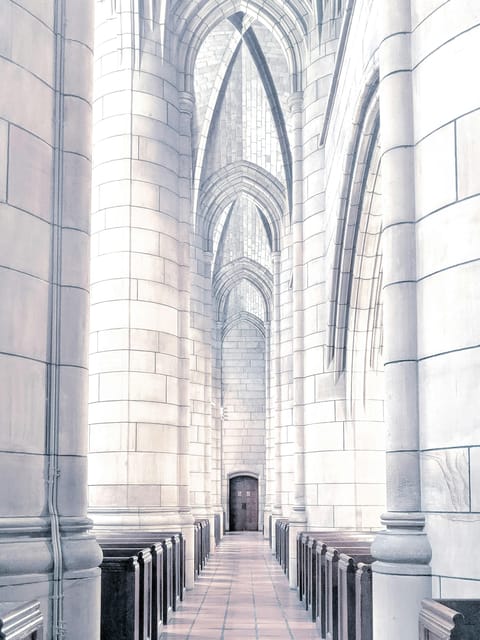
Reviewed · CITY TOURS
Unveiling New York City’s Most Breathtaking Lobbies
New York hides some of its finest architecture behind ordinary street doors. This two-hour walk takes you into grand hotel entrances, historic buildings, and modern lobbies where marble, glass, art, and old New York stories do the talking. You see a side of Manhattan that most people hurry past.
I like the small groups of six or fewer, which make it easier to hear the guide and ask about details. I also like the flexible spirit of the tour. One guide tailored the route to a guest’s interests, leading them to beautiful buildings they would not have found alone.
The main caution is practical: one booking received a one-star report because the guide did not show up. Send your booking voucher by WhatsApp or email as requested, and confirm the meeting before setting out.
In This Review
- Key points at a glance
- Why New York’s lobbies are worth two hours
- Starting at the Ford Foundation entrance
- Grand hotels, marble floors, and old New York glamour
- Historic landmarks and details carved into stone
- Art Deco interiors and the Roaring Twenties
- Contemporary spaces in skyscrapers and cultural buildings
- A route that can respond to your interests
- What the small group changes
- Language, timing, and practical planning
- Who should book this lobby walk?
- Should you book it?
- FAQ
- How long does the lobby tour last?
- Where does the tour begin and end?
- What languages are available?
- How large is the group?
- Are food, drinks, or transportation included?
- Can I cancel or pay later?
Key points at a glance
- Meet at the Ford Foundation entrance: The tour begins and ends at the same location, keeping the logistics simple.
- See interiors most people miss: The focus is on hotel, office, cultural, and landmark lobbies rather than only exterior views.
- Expect several design eras: The route can include ornate historic spaces, Art Deco interiors, and newer work by artists and designers.
- Small groups matter: With no more than six people, you can ask questions without shouting over a crowd.
- Choose among three guide languages: Tours are offered in English, Spanish, and Hindi.
- Bring your camera: Architectural details, lighting, stonework, and decorative ceilings provide the strongest photo opportunities.
Why New York’s lobbies are worth two hours
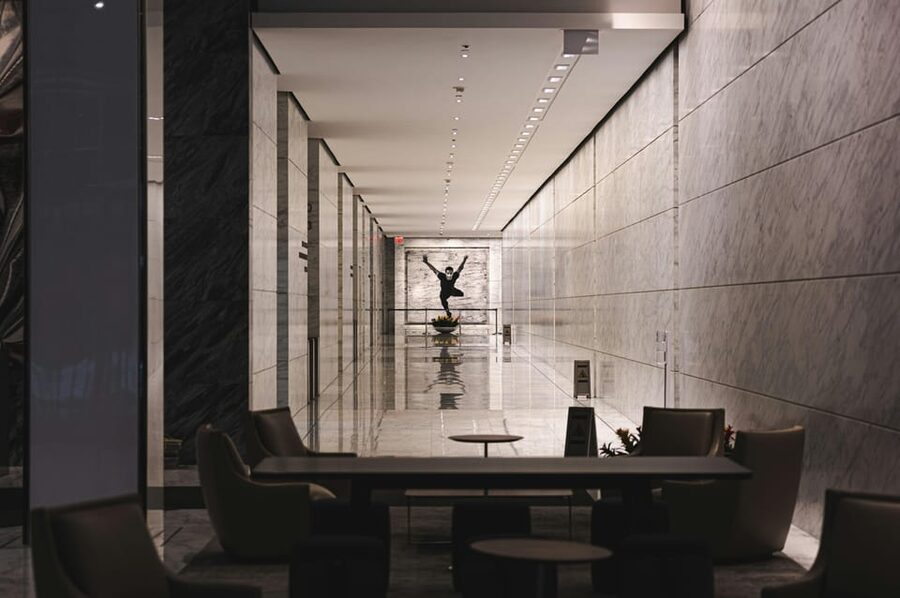
New York’s famous buildings often reveal their best work after you cross the threshold. From the sidewalk, you may see only a tower, a hotel sign, or a polished entrance. Inside, the lobby can tell you who built the place, who used it, and what kind of city New York hoped to become.
That is the appeal of this tour. You are not simply checking off landmarks. You are learning to look at thresholds, ceilings, floors, lighting, and decorative details as part of the city’s story.
A lobby is also a practical meeting place between public and private space. Hotels welcome anyone who walks through the door. Office buildings may feel more restricted. Cultural institutions often use their entrance halls as a preview of what lies beyond. This experience brings those different settings together.
The route is not presented as a fixed list of named buildings, so you should expect the exact stops to depend on the day, access, and your interests. That flexibility can work in your favor. If you care about Art Deco, historic preservation, famous personalities, or contemporary design, tell the guide early.
A few more New York City picks to weigh up
- New York City: Statue of Liberty & Ellis Island with Ferry
★ 4.6 · 18,683 reviews - New York City: American Museum of Natural History Ticket
★ 4.5 · 15,447 reviews - New York City: Manhattan Helicopter Tour
★ 4.7 · 7,076 reviews
Starting at the Ford Foundation entrance
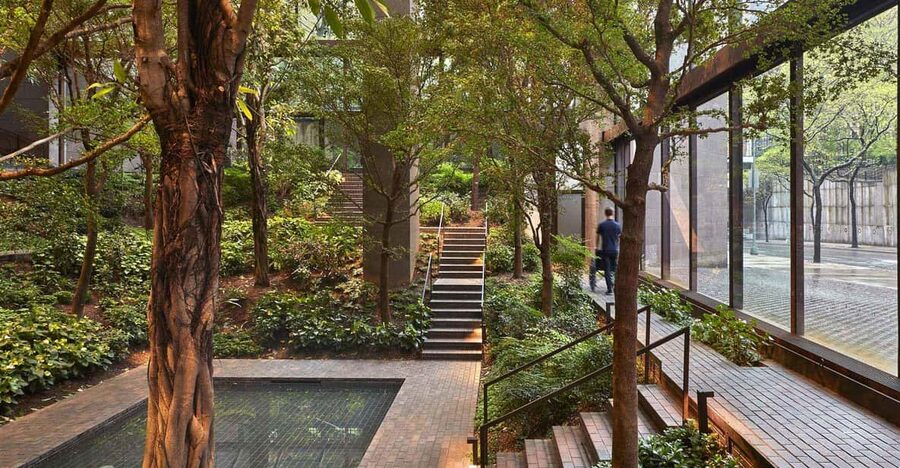
You meet at the entrance of the Ford Foundation, and the activity finishes back at the same point. That makes the tour easy to fit into a day of sightseeing, especially if you prefer not to deal with a separate drop-off location.
The Ford Foundation is a fitting starting place for a walk about interior design and public architecture. From here, the guide sets the tone: look beyond the street facade and notice the details that shape a building’s welcome.
Plan to arrive with enough time to find the entrance. The supplied information does not give a street address, exact route, or starting time, so check the available departure options when booking. You also need to send your booking voucher by WhatsApp or email to confirm the reservation. That step is easy to overlook, but it matters here.
Grand hotels, marble floors, and old New York glamour
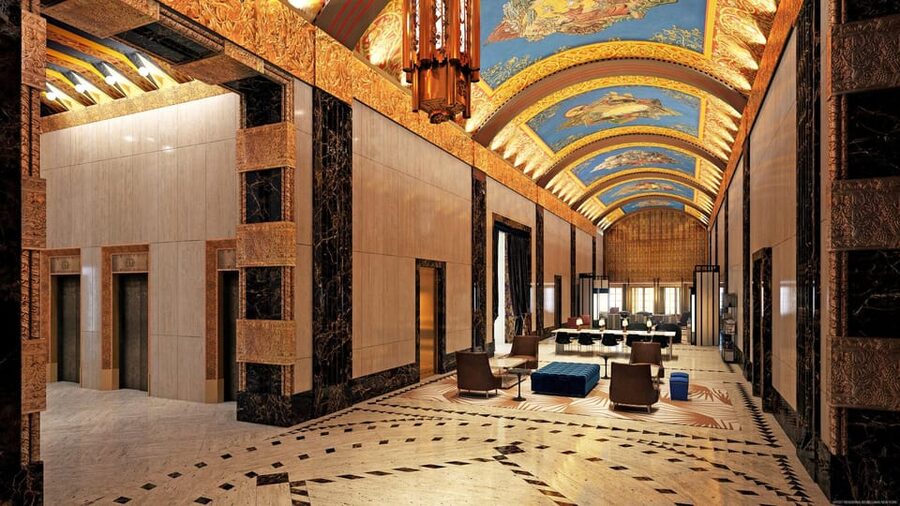
The hotel portion of the route centers on the visual language of luxury. Expect the guide to point out features such as marble floors, crystal chandeliers, polished surfaces, and formal entry spaces. These are not just decorative extras. They were designed to create an instant impression of wealth, order, and confidence.
The best way to enjoy this part is to slow down. Look up at the ceiling before moving toward the reception desk. Notice how light reflects off stone and metal. Check how a doorway frames the room beyond. A good explanation can turn a beautiful lobby into a readable piece of design.
Hotel lobbies also carry personal stories. The tour promises local anecdotes and stories connected to famous personalities, so you may hear how well-known figures used, visited, or became associated with particular buildings. The supplied details do not name those personalities in advance, which is another reason to ask the guide questions as you go.
There is a small etiquette point here. A hotel lobby is still a working space, not a museum. Keep your voice low, avoid blocking doors or reception areas, and follow any photography rules. The guide can help you enjoy the design without treating the building like a private photo studio.
Historic landmarks and details carved into stone
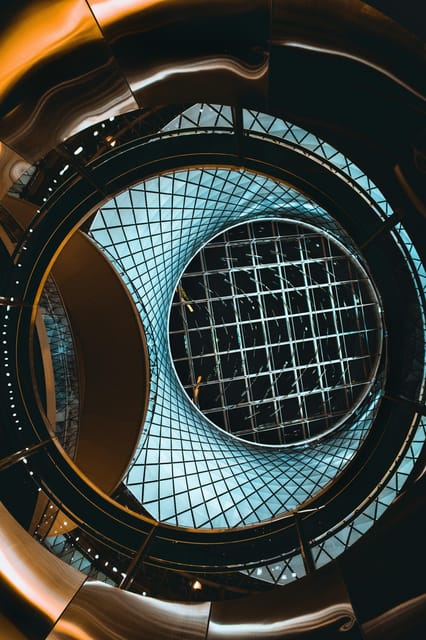
The tour also visits preserved historic landmarks. These locations offer a different pleasure from the hotels. Instead of showing only luxury, they can reveal how New York’s architecture changed over time and how older buildings were kept in use.
Pay attention to the materials. Stone, glass, metal, wood, and decorative tile can each reveal the period and purpose of a building. A guide may point out details you would otherwise miss, such as repeated motifs, symbolic decoration, carefully framed sightlines, or the way an entrance manages the flow of people.
This is where the tour’s small size has real value. With six or fewer participants, you can stop to ask why a particular detail matters. You can also tell the guide if you want more attention on architecture and less on general sightseeing.
The tradeoff is that access to historic interiors can vary. The experience promises access to distinctive locations that you usually cannot enter, but it does not guarantee every building will be open in the same way on every departure. Treat the route as a guided introduction to important interiors, not as a promise of a fixed set of rooms.
Another side of New York City for the same day:
- NYC: SUMMIT One Vanderbilt Tickets
★ 4.7 · 51,195 reviews - NYC: 9/11 Memorial & Museum Timed-Entry Ticket
★ 4.8 · 31,428 reviews - NYC: Empire State Building Tickets – Observatory & Museum
★ 4.7 · 25,757 reviews - Statue of Liberty and Ellis Island Tour: All Options
★ 5.0 · 13,571 reviews
Art Deco interiors and the Roaring Twenties
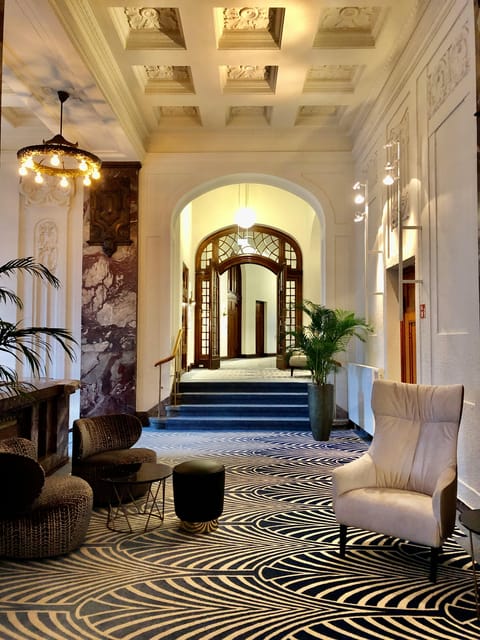
Art Deco is one of the clearest themes in the experience. The style is easy to recognize once you know what to look for: strong geometry, repeated patterns, polished materials, rich ornament, and a sense of motion. In New York, Art Deco often reflects the city’s ambition during the 1920s and 1930s.
The guide can help you connect the style to the mood of the period. These interiors were built to suggest speed, modern life, industry, and success. Their decoration was not shy. It wanted you to feel that you had entered a new age.
You may find that an Art Deco lobby rewards a second look more than a quick photograph. Stand back and take in the overall pattern, then examine one small feature. A metal grille, light fitting, elevator surround, or wall panel may carry as much design intent as the main ceiling.
Photography is included as an opportunity, not as a promise of unlimited shooting. Bring a camera or phone, but be ready to put it away when the guide is explaining a detail or when a building’s rules require it. The point is to notice the room first and collect images second.
Contemporary spaces in skyscrapers and cultural buildings
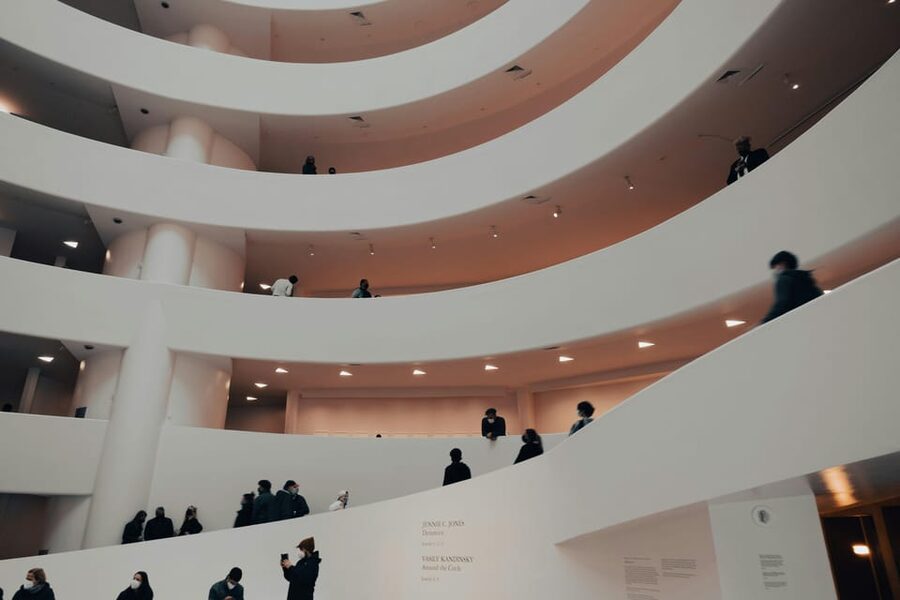
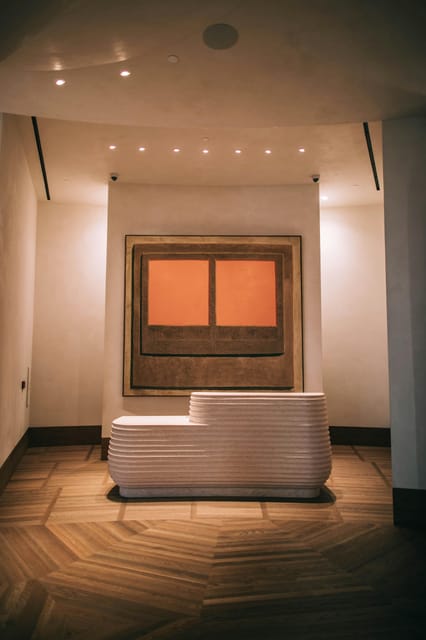
The modern side of the tour shifts the mood. Newer lobbies may use clean lines, unusual materials, large-scale art, or bold lighting instead of the dense ornament found in older buildings. They show how New York continues to experiment with the public face of architecture.
The experience describes these spaces as canvases for contemporary artists and designers. That can make the modern stops especially useful if you enjoy current design but do not want a traditional architecture lecture. You can compare how older buildings create drama through stone and decoration with how newer ones use scale, glass, light, and open space.
Contemporary lobbies can also be harder to read on your own. A large artwork or spare entrance may seem simple until someone explains its purpose, placement, or connection to the building. The guide’s role is to give you a way into those choices.
Again, access is the variable. Some skyscraper or cultural-building entrances may have security procedures or visitor rules. The tour information does not specify which buildings you will enter, so do not plan the rest of your day around one particular interior.
A route that can respond to your interests

One of the strongest features is the possibility of a tailored route. A previous booking was adjusted around the guest’s preferences, with the guide showing buildings they would not have known about on their own. That is exactly the kind of advantage a small walking tour should provide.
Tell the guide what catches your eye. You might prefer hotel interiors, Art Deco, landmark preservation, contemporary art, or stories about notable people. You may also want more time for photographs or a faster pace with more stops.
The information does not provide the guides’ names, so you cannot choose a particular guide in advance. It does confirm English, Spanish, and Hindi service. If language is important to your booking, make that clear when you confirm by WhatsApp or email.
The tour is only two hours, which is long enough for a focused introduction but not enough to see every major lobby in Manhattan. That limit is sensible. Interior architecture rewards attention, and a shorter route lets you actually look rather than rush through a long list of doors.
What the small group changes
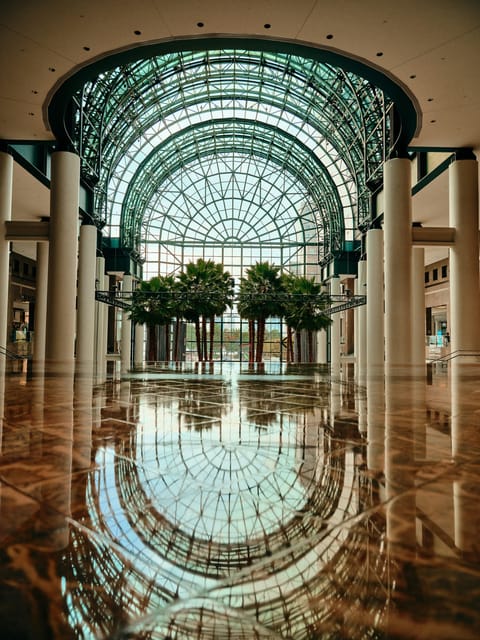
A limit of six people gives this experience a personal feel without making it a private tour. You should be able to hear explanations clearly, ask questions, and stay close to the guide while moving through busy parts of the city.
That format also supports the flexible routing. A guide can spend a few extra minutes on a ceiling or a story if the group is interested. In a large group, those pauses are harder to manage.
The price is $50 per person. I see that as fair if you care about architecture, design, or lesser-known New York interiors. You are paying for access, interpretation, and a route that would be difficult to plan alone, not for food, drinks, or transportation.
The value is weaker if you mainly want famous exterior sights or a broad city orientation. This is a focused experience. It works best as a supplement to the standard Manhattan sightseeing list, not as a replacement for it.
Language, timing, and practical planning
The activity lasts two hours, with starting times shown during the availability check. Food, drinks, and transportation are not included, so plan to eat before or after and arrange your own way to the Ford Foundation.
Wear comfortable shoes. The tour is built around visiting several interiors and moving through New York on foot, although the supplied information does not give a precise walking distance. Keep your belongings manageable, since crowded sidewalks and security checks can make a large bag awkward.
The activity offers free cancellation up to 24 hours before the start for a full refund. You can also reserve now and pay later, which helps if your schedule is still shifting. Even with that flexibility, confirm the booking as requested by sending the voucher through WhatsApp or email.
The one major warning comes from the reported no-show. Two other bookings praised the tour highly, especially the guide’s friendly approach, strong subject knowledge, ability to adjust the route, and talent for revealing places that were easy to miss. Still, the no-show means I would confirm the appointment shortly before departure and keep the provider’s contact details handy.
Who should book this lobby walk?
I would choose this experience if you have already seen the main skyline sights and want to understand the city through its interiors. It is particularly well suited to architecture students, design fans, photographers, hotel enthusiasts, and curious visitors who enjoy stories attached to places.
It is also a good choice for a short New York visit. In two hours, you can gain a new way to read the city without giving up half a day. The small group and three language options make it easier to ask questions and follow the discussion.
I would think twice if you need a guaranteed list of named landmarks, a fully private experience, or transportation between stops. The exact route is not laid out in advance, and the focus is on discovery rather than a fixed checklist.
Should you book it?
Book this tour if the idea of seeing New York through its interiors, materials, and personal stories sounds more appealing than another standard sightseeing loop. The $50 cost is reasonable for a two-hour, small-group experience with a route that can respond to your interests.
Before you go, confirm the booking by WhatsApp or email, check the meeting details at the Ford Foundation, and accept that the stops may vary. If you do that, you are likely to get the best part of this experience: a closer look at beautiful buildings you might otherwise walk straight past.
FAQ
How long does the lobby tour last?
The tour lasts two hours. Starting times are available when you check the booking calendar.
Where does the tour begin and end?
You meet at the entrance of the Ford Foundation, and the activity ends back at the same meeting point.
What languages are available?
The live guide service is available in English, Spanish, and Hindi.
How large is the group?
This is a small-group activity limited to six participants.
Are food, drinks, or transportation included?
No. Food, drinks, and transportation are not included in the $50 price.
Can I cancel or pay later?
You can cancel up to 24 hours in advance for a full refund. The reserve-now, pay-later option lets you book without paying at the time of reservation.
Just listed around New York City
- NYC: Private Ghostbusters Sites Tour★ 5.0 · 3 reviews
- Tour by Night in Italian★ 5.0 · 3 reviews
- NYC: Private Central Park Pedicab Tours / PICKUP FROM MUSEUM★ 5.0 · 3 reviews
- Tour of Brooklyn Bridge at Sunset★ 3.5 · 3 reviews
- New York City: Manhattan ‘Complete Playground’ Entry Ticket★ 5.0 · 3 reviews
- New York Upper East Side Art and Architecture Tour★ 5.0 · 3 reviews
- PRIVATE Rockefeller Center Artified Walking Tour★ 5.0 · 3 reviews
- Macy’s Thanksgiving Day Parade Premium Viewing Brunch 2025★ 4.5 · 3 reviews
City Tours, compared.



Top of the Rock Observation Deck New York City Ticket
Read our review →

Circle Line: 2hr – New York City Harbor Lights Cruise
Read our review →