
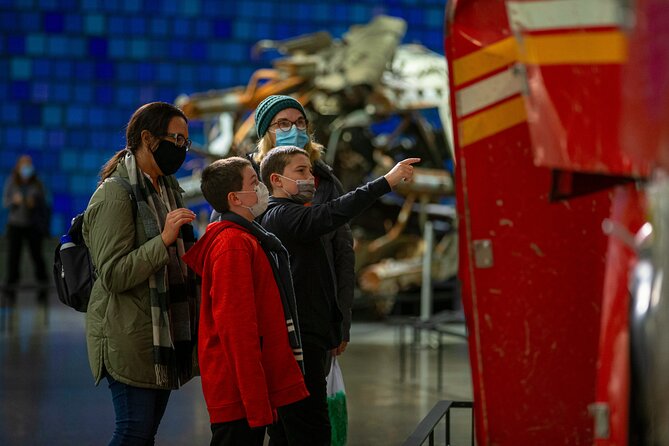
Reviewed · 9/11 MEMORIAL & GROUND ZERO TOURS
9/11 Memorial Museum Admission Ticket
The most powerful part of this experience is its setting. The museum sits below the two reflecting pools, built into the footprints of the Twin Towers. You move from the quiet outdoor memorial into a place filled with recordings, artifacts, photographs, and personal stories from September 11, 2001, and the 1993 World Trade Center bombing.
I like the timed mobile entry, which gives you a firm plan for one of New York’s most visited museums. I also like the freedom of a self-guided visit. You are not pushed from room to room, so you can spend extra time with a story that matters to you, or pause when the material becomes difficult.
The main drawback is emotional, and practical: this is not a quick sightseeing stop. The material includes death, grief, emergency calls, and the remains of a destroyed site. Some people spend three hours or more, while others may find the presentation too focused on artifacts and artistic treatment of the remains.
In This Review
- Key details before you reserve
- Arriving beneath the Memorial pools
- The opening displays set the tone
- In Memoriam remembers the people, not just the event
- September 11, 2001 follows the day and its aftermath
- Artifacts and first-person accounts make the history immediate
- How long should you allow?
- Price, access, and what the $36 ticket delivers
- Practical rules that affect your visit
- Who will get the most from this museum?
- Should you book the 9/11 Memorial Museum ticket?
- FAQ
- How much does admission to the 9/11 Memorial Museum cost?
- How long does the museum visit take?
- Is the ticket timed entry?
- Can I visit the museum more than once after entering?
- Are children admitted free?
- Is the museum wheelchair and stroller accessible?
- Can I bring a service animal?
- Are bags screened?
- Can I take photographs inside?
- What is included with the ticket?
- Can I cancel for a refund?
Key details before you reserve

- The museum is below the Memorial pools: Your visit connects the physical site with the history told inside.
- Two major exhibitions shape the experience: In Memoriam honors those who died, while September 11, 2001 examines the attacks, their causes, and their effects.
- Plan on at least two hours: You can stay as long as you like after entering, and a slower visit can take three hours or more.
- Your mobile ticket saves a step: Timed admission gives you guaranteed entry, subject to availability, without needing to buy a ticket at the door.
- Airport-style security is required: Large bags, backpacks, and large umbrellas may need to go into the coat room.
- The museum is accessible: Wheelchair and stroller access is available, service animals are allowed, and children ages six and under enter free.
Arriving beneath the Memorial pools
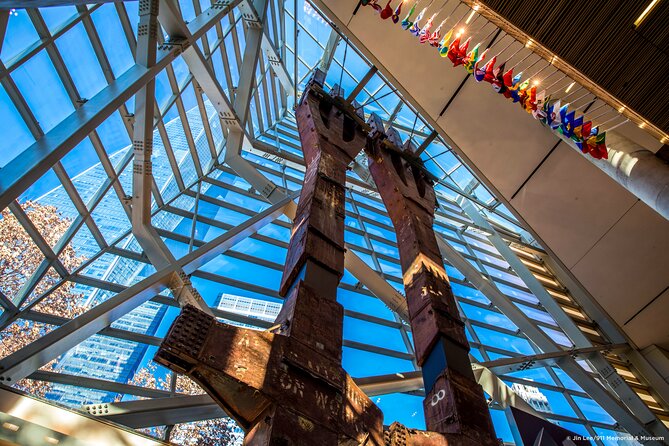
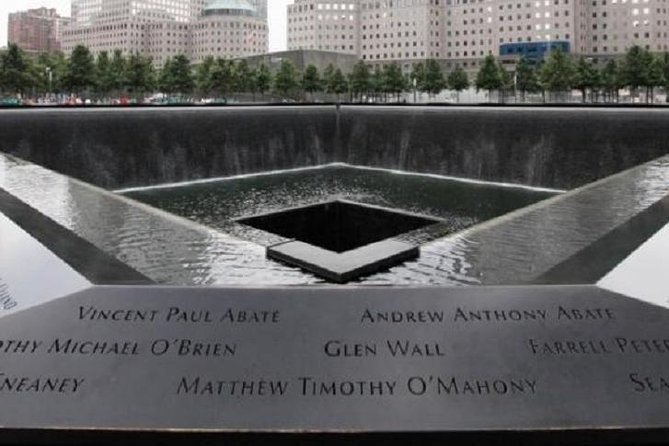
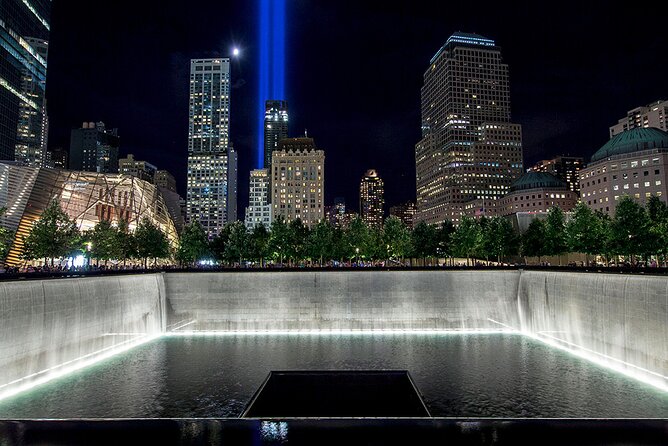
Your visit begins at the National September 11 Memorial & Museum in Lower Manhattan. The outdoor Memorial comes first, with two large reflecting pools occupying the former Twin Towers footprints. The names of the 2,983 people killed in the 2001 and 1993 attacks are remembered here, along with the people who risked their lives to help others.
The pools are open and quiet. That contrast matters. Outside, you have space, air, and the sound of falling water. Inside, the museum brings you close to the events through sound, images, objects, and testimony. I recommend allowing a few minutes at the Memorial before entering, rather than treating it as a doorway you rush through.
Your ticket is for timed admission. Book ahead if your New York schedule is tight, since this experience is often reserved about 23 days before the visit. Confirmation is sent within 48 hours of booking, subject to availability, so do not leave the reservation until the last minute if the museum is central to your plans.
All visitors pass through airport-style security. Large backpacks and other oversized items may require storage in the coat room. You cannot re-enter after leaving, so use the restroom and collect anything you need before beginning the museum route.
More 9/11 Memorial and Ground Zero visits:
- NYC: 9/11 Memorial & Museum Timed-Entry Ticket
★ 4.8 · 31,428 reviews - 9/11 Memorial, Ground Zero Tour with Optional 9/11 Museum Ticket
★ 5.0 · 6,381 reviews - All-Access 9/11: Ground Zero Tour, Memorial and Museum, One World Observatory
★ 5.0 · 4,886 reviews
The opening displays set the tone
The museum is self-guided, which gives you control but also asks you to make your own choices. Multimedia displays, photographs, physical objects, and first-person accounts build a record of the day. You may already know the broad outline of what happened, but the museum focuses on the human scale: where people were, what they heard, how rescuers responded, and how families experienced the loss.
This is not a light introduction to Lower Manhattan. You will hear stories of fear, compassion, confusion, and recovery. Some recordings are especially hard for people who remember September 11 firsthand. If you were very young or born later, the museum can supply context that documentaries and school lessons often leave out.
I suggest moving slowly at the start. Read the labels. Listen when an account catches your attention. You do not need to absorb every panel for the visit to matter, and you should not feel obliged to stand in front of material that becomes too upsetting.
Photography is allowed for private, non-commercial use. Cell phone conversations are prohibited in exhibition spaces and theaters, a sensible rule in a place where many people are listening closely.
In Memoriam remembers the people, not just the event
The In Memoriam exhibition is the most personal section. It honors the people killed on September 11, 2001, as well as those killed in the World Trade Center bombing on February 26, 1993. The scale of the loss is enormous, but the purpose of this section is to bring individual lives into view.
You may encounter photographs, names, biographical details, and accounts connected to the people who died. The experience can feel unavoidably heavy. Give yourself time here, especially if you are visiting with children or family members who have a personal connection to the events.
This section also helps correct a common problem with large historical displays. A disaster can become a list of dates and numbers. In Memoriam keeps the focus on people, their families, and the lives that existed before the attacks.
The material is not presented as entertainment, and that is part of its value. I would not schedule this immediately before a carefree dinner reservation or another major attraction if you know you need time to process what you have seen.
September 11, 2001 follows the day and its aftermath
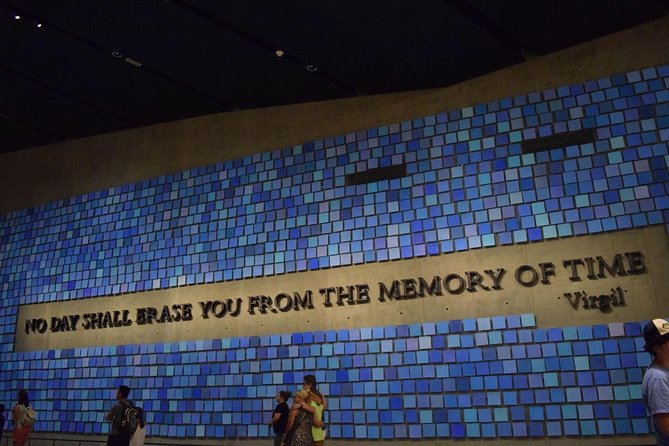
The second main exhibition, September 11, 2001, is arranged in three parts. It examines the attacks themselves, the motives behind them, and the effects that followed in New York and around the world.
The first portion helps establish the story of the day. Audio, video, photographs, and objects show how quickly ordinary morning routines turned into an international crisis. The displays connect the attacks to the World Trade Center’s earlier history and to the 1993 bombing, giving the site a longer timeline than a single date.
The next part looks at the motives for the attacks. This is useful if you know what happened but have never studied the political and historical background. The museum does not ask you to accept a simple explanation. It places the events in context and lets the evidence build the story.
The final portion considers the aftermath. The attacks changed New York, the United States, and international affairs. The museum looks at loss and recovery, but also at the wider effects of September 11. I find this section valuable because it moves beyond the impact site and asks what changed afterward.
Expect a lot of information. One visitor can reasonably spend a full day here, although the suggested minimum is two hours. If you have only a short window, focus first on In Memoriam and the central September 11 exhibition. If you have more time, return to displays you passed earlier instead of trying to read every word in one push.
More New York City museums to visit:
- NYC: Empire State Building Tickets – Observatory & Museum
★ 4.7 · 25,757 reviews - New York City: American Museum of Natural History Ticket
★ 4.5 · 15,447 reviews - NYC: Museum of Modern Art (MoMA) Entry Ticket
★ 4.6 · 12,540 reviews - NYC: Intrepid Museum Entry Ticket
★ 4.7 · 4,687 reviews
Artifacts and first-person accounts make the history immediate
The objects here do much of the emotional work. A photograph can explain the scale of destruction, but a physical artifact makes the event feel closer and less abstract. First-person accounts add another layer, since you hear from people who lived through the attacks, lost someone, or took part in rescue and recovery.
You should expect some material to be difficult. The museum includes artifacts from the site and accounts from family members of those who died. It also includes material connected with recovery work, including treatment of remains. That approach may be moving for you, but it can also feel more like an examination of objects and artistic responses than a collection of personal stories.
The museum’s films and multimedia displays help vary the pace. A presentation before or within the museum can give useful structure to the visit, especially if you are unfamiliar with the events. Some visitors want more personal video footage, so your expectations matter. If you are looking mainly for long documentaries, the museum may feel different from what you imagined.
I recommend treating the museum as a place for listening and reflection rather than a checklist of famous objects. The most memorable details may be a voice, a photograph, or a small item connected to one person.
How long should you allow?

Two hours is the sensible minimum. That gives you time to see the main sections without racing, but it will not allow close reading of every display.
Three hours is better if you want to listen to many recordings and examine the artifacts carefully. A full-day visit can also make sense if the subject is important to you or you want to take regular breaks and return to sections you passed quickly.
The museum permits you to stay as long as you want after entry. That flexibility is one of the strongest reasons to choose a timed admission ticket instead of trying to fit the museum into a rigid group tour.
Your selected time matters for entry, so build in enough time to reach Lower Manhattan, pass through security, and arrive without rushing. The museum is near public transportation, and the Memorial itself is easy to combine with other Lower Manhattan sights. Still, do not place another fixed appointment too close to the end of this visit. The content can take longer than expected, and you may want quiet time afterward.
Price, access, and what the $36 ticket delivers
At $36 per person, this is not a cheap museum stop. I think the price is reasonable if you value guaranteed entry, a large collection, and the chance to explore without a guide setting the pace. It is less convincing if you plan to stay for only 45 minutes or mainly want to see the outdoor Memorial, which can be visited separately.
The ticket includes timed admission to the museum only. Food and drinks are not included. Optional audio equipment may cost extra, so check the price before adding anything at the venue. The self-guided format keeps the basic ticket straightforward, but it means you must decide where to spend your time.
Wheelchair and stroller access make the museum workable for many families and visitors with mobility needs. Service animals are permitted, and most people can take part. Children six and under enter free, but parents should think carefully about the emotional content before bringing young children. Children around nine or ten may have many questions, and you will need to prepare them for difficult images and stories.
The museum is near public transportation, but the ticket does not include transportation, meals, or any separate tour. You are paying for entry and the ability to explore the institution independently.
Practical rules that affect your visit

Keep your phone on silent and do not use it for calls inside exhibition spaces or theaters. Private photography is permitted, but commercial photography is not.
Large bags, backpacks, large umbrellas, and similar items may need to be stored. Pack light if you can. A small bag makes security and the museum route easier.
There is no re-entry. Once you leave, you cannot come back in on the same ticket, so plan your route before exiting.
The experience provider is the National September 11 Memorial & Museum. Free cancellation is available if you cancel at least 24 hours before the experience start time. Cancellations made within 24 hours are not refunded, and late changes are not accepted.
Who will get the most from this museum?
I recommend this experience to anyone who wants to understand September 11 through evidence and individual stories rather than a short summary. It is especially useful if you are visiting Lower Manhattan for the first time, teaching older children about the event, or returning to New York with a desire to understand what happened at this site.
It suits people who can move at their own pace. You can pause, skip a display, or spend extra time with a recording. That control is helpful because the emotional effect varies from person to person.
I would be cautious about booking it as a casual stop between bright, noisy attractions. The museum is serious, and you may need time afterward. It may also disappoint you if you expect a guided tour with a named expert leading every room, or if you want only dramatic video footage. This ticket provides access to the museum, not a personal guide.
The outside Memorial and the indoor museum serve different purposes. The Memorial offers quiet remembrance. The museum supplies context, objects, testimony, and a record of the attacks and their consequences. If you have time, do both.
Should you book the 9/11 Memorial Museum ticket?
Yes, if you want a careful, self-guided account of September 11 and the 1993 bombing, and you can give the visit at least two hours. The timed mobile ticket is a practical choice for a busy New York itinerary, while the open-ended visit lets you spend three hours or more if the material holds your attention.
Book it with the right expectations. This is not entertainment, a quick photo stop, or a cheerful history museum. It is an emotional place filled with loss, bravery, personal accounts, and reminders of how one day changed New York and the wider world. For many people, that seriousness is precisely why the museum belongs on a Lower Manhattan visit.
FAQ
How much does admission to the 9/11 Memorial Museum cost?
The ticket costs $36 per person.
How long does the museum visit take?
The suggested visit is about two hours, but you can stay as long as you like after entering. Some people spend three hours or more, and a full-day visit is possible.
Is the ticket timed entry?
Yes. The ticket provides timed admission to the 9/11 Memorial Museum and can be used from your mobile device.
Can I visit the museum more than once after entering?
No. Re-entry is not allowed after you leave the building.
Are children admitted free?
Children ages six and under are free.
Is the museum wheelchair and stroller accessible?
Yes. The museum is wheelchair and stroller accessible.
Can I bring a service animal?
Yes. Service animals are allowed.
Are bags screened?
Yes. All visitors pass through airport-style security. Large bags, backpacks, large umbrellas, and other oversized items may need to be stored in the coat room.
Can I take photographs inside?
Yes. Photography is allowed for private, non-commercial use. Cell phone conversations are not permitted in exhibition spaces or theaters.
What is included with the ticket?
The ticket includes timed admission to the 9/11 Memorial Museum. Food and drinks are not included.
Can I cancel for a refund?
Yes, if you cancel at least 24 hours before the experience start time. Cancellations or changes made less than 24 hours in advance are not accepted, and the payment is not refunded.
Just listed around New York City
- NYC: Little Shop of Horrors Off-Broadway Ticket5 reviews
- Private NYC Airport Transfer: LGA to Manhattan – Up to 5★ 3.6 · 5 reviews
- New York City Tour in German★ 4.5 · 5 reviews
- New York: Hamilton and Washington Revolutionary Walking Tour★ 5.0 · 5 reviews
- NYC Freedom Tower Private Photo or Video Experience★ 4.0 · 6 reviews
- New York Afternoon Fall Foliage Cruise with Lunch★ 5.0 · 6 reviews
- Brooklyn Walking Tours by Locals: Private & 100% Personalized★ 4.0 · 6 reviews
- Southold Bay Oyster Farm Tour★ 5.0 · 6 reviews
9/11 Memorial & Ground Zero Tours, compared.

9/11 Memorial, Ground Zero Tour with Optional 9/11 Museum Ticket
Read our review →
All-Access 9/11: Ground Zero Tour, Memorial and Museum, One World Observatory
Read our review →
NYC City Tour: Statue of Liberty, 9/11 Memorial, Wall Street
Read our review →
Ground Zero 9/11 Memorial Tour & Optional 9/11 Museum Ticket
Read our review →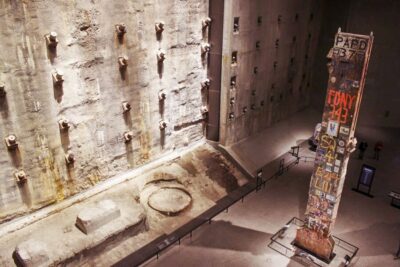

9/11 Memorial Tour and Optional Observatory Ticket
Read our review →
New York 9/11 Memorial Tour with Optional One World Observatory
Read our review →Browse the lists this tour appears in