Reviewed · TOURS
Financial Crisis Tour
The 2008 financial crisis can feel like a pile of jargon until someone places it on the streets where the decisions happened. This two-hour walk uses Lower Manhattan as a classroom, with a Wall Street insider explaining the collapse of Lehman Brothers, the fortunes made before the crash, and the chain reaction that shook the world economy.
I like the way the tour joins financial history with actual buildings, rather than treating the crash as an abstract story. I also like the mix of major sights and smaller details, from the New York Stock Exchange and Federal Hall to Stone Street and the site of lower Manhattan’s first terrorist attack. The main drawback is that the tour is entirely outdoors, and some of the financial material can become technical, especially for younger guests or anyone new to markets.
In This Review
- Key points to know before you book
- Why this financial crash walk works
- Meeting at 22 Broad Street
- New York Stock Exchange: the symbolic starting point
- Wall Street and Federal Hall
- Stone Street and the older Financial District
- The major players behind the 2008 crisis
- The House of Morgan and architectural clues
- Charging Bull and Trinity Church
- The Federal Reserve Bank finish
- What the $59 price really covers
- Who will enjoy this tour most
- Practical tips for a better walk
- Should you book the Financial Crisis Tour?
- FAQ
- How long does the Financial Crisis Tour last?
- Where does the tour meet?
- Is the New York Stock Exchange open during the tour?
- What language is the tour conducted in?
- Is transportation included?
- What happens if the weather is bad?
Key points to know before you book
- The 2008 crash is the main story: Your guide explains its causes, major players, collapse, and aftermath while you walk through the Financial District.
- The New York Stock Exchange is viewed from outside: The building is a photo stop, not an indoor visit, since the exchange is closed to visitors.
- Wall Street history adds depth: Federal Hall, Trinity Church, Stone Street, the House of Morgan, and other landmarks put modern finance in an older setting.
- Guides shape the experience: Past guides have included Jared, James, Emily, Peter, Tom, and Mr. Van Buren, with strong praise for storytelling and clear explanations.
- Expect two hours on foot: Bring weather-appropriate clothing, especially in cold or windy conditions around Downtown Manhattan.
- The $59 price buys interpretation, not transportation: You are paying for the live guide and the connections between the places you see.
Why this financial crash walk works
Many New York tours point out Wall Street’s famous buildings and stop there. This experience has a clearer purpose. It asks how money, institutions, and government decisions came together in the 2008 crisis, then uses the Financial District to make that story easier to follow.
That matters because the key events did not happen in one neat museum room. They unfolded across companies, banks, trading floors, government offices, and boardrooms. A guide who has Wall Street experience can help connect those pieces as you move from one location to the next.
You also get a wider view of Lower Manhattan. The district is not only a financial center. It contains early American political history, old commercial streets, churches, memorials, grand office buildings, and reminders of earlier financial panics. The tour works best when you treat it as two walks in one: a focused explanation of the 2008 crisis and a guided introduction to the oldest part of Manhattan.
The experience has a rating of 4.7 from 68 ratings, and the most consistent praise centers on the guides. Jared helped one group make sense of gaps in its understanding of the 2008 crisis. James was praised for humor, storytelling, and the ability to relate complicated ideas to the people on the walk. Tom has also been singled out for making the subject lively, including during a very cold December tour.
Those details point to the most important factor here: your guide. The subject can be dry in the wrong hands. With a good storyteller, the same material becomes a human drama about risk, ambition, panic, and consequences.
Big New York City bookings that pair well with this one:
- NYC: SUMMIT One Vanderbilt Tickets
★ 4.7 · 51,195 reviews - NYC: 9/11 Memorial & Museum Timed-Entry Ticket
★ 4.8 · 31,428 reviews - NYC: Empire State Building Tickets – Observatory & Museum
★ 4.7 · 25,757 reviews
Meeting at 22 Broad Street
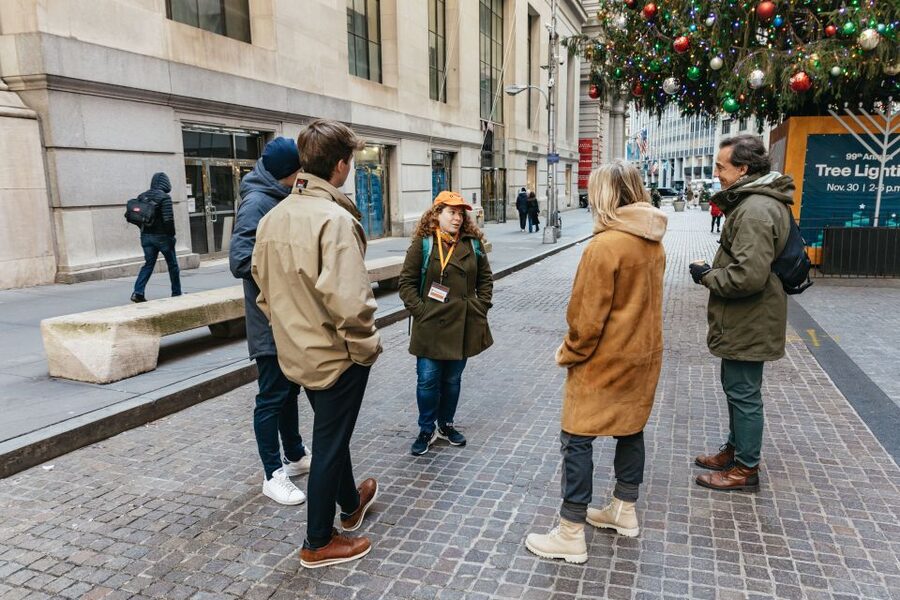
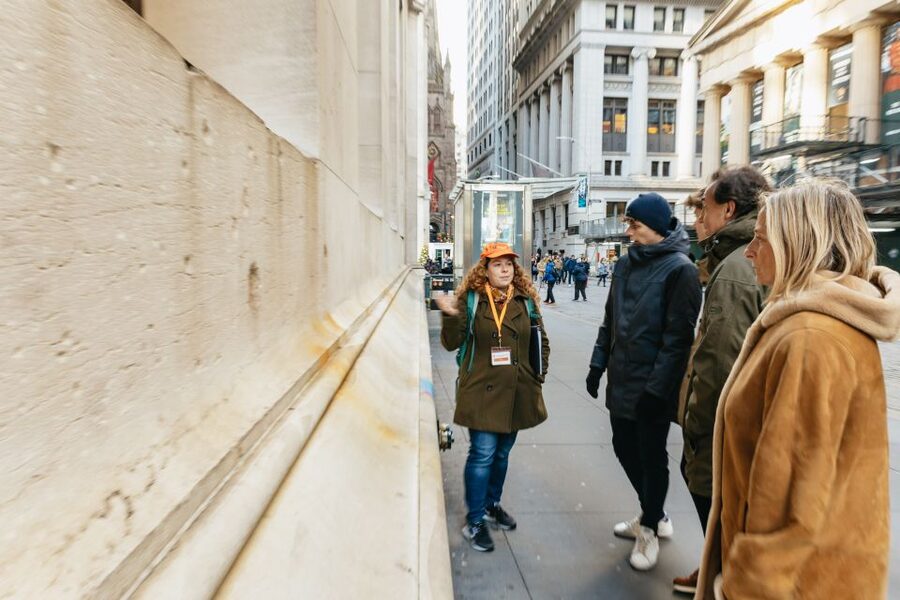
You meet at 22 Broad Street, in front of Blue Bottle Coffee and across from 15 Broad Street. Do not enter a building. The guide waits outside wearing an orange hat, and you should arrive about 10 minutes early.
This is a sensible starting point because you are already in the core of the Financial District. Broad Street leads directly into the cluster of institutions connected with American finance. It also gives the guide a useful place to set the scene before the walk begins.
There is no transportation included. You move between stops on foot, and the tour runs in all weather. Downtown Manhattan can be especially windy, so a warm layer, comfortable shoes, and protection from rain or sun will make a real difference. The walking is not presented as strenuous, but standing outside for two hours is more tiring than simply strolling between indoor attractions.
Past groups have sometimes been small, with examples of eight to ten people or about ten participants. The standard group size is not specified, so do not assume every departure will be that intimate. A smaller group can make it easier to ask questions, but the guide’s microphone and speaking style matter just as much when more people are present.
New York Stock Exchange: the symbolic starting point
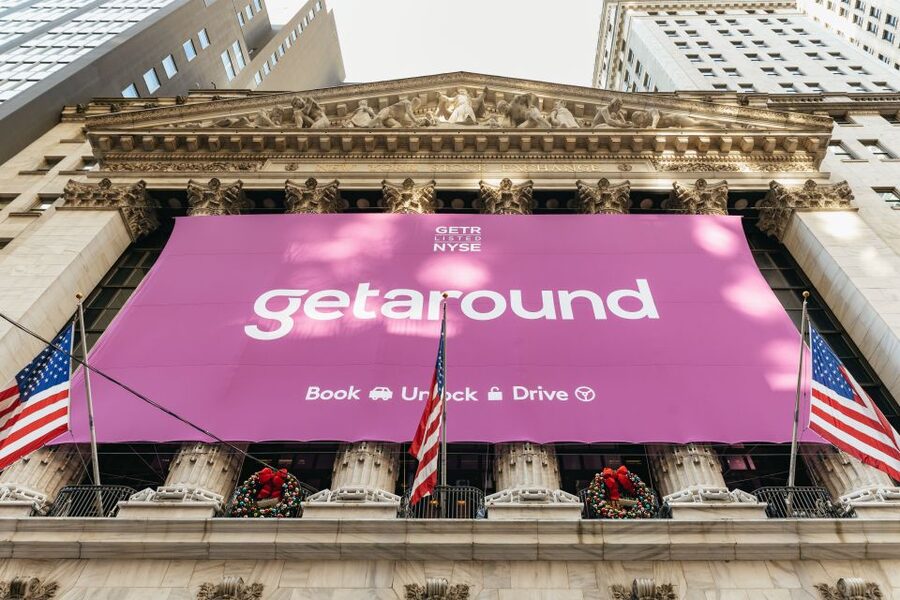
The New York Stock Exchange is one of the tour’s major photo stops. You see the famous exterior and hear how the exchange fits into the machinery of global finance.
The important practical point is simple: you cannot go inside the exchange. The building is closed to visitors, so this is an exterior viewing rather than a tour of the trading floor. If you arrive expecting an indoor look at stock trading, you will be disappointed.
Still, the stop has value. The facade gives the guide a natural place to explain what an exchange does, how shares are traded, and why public confidence matters so much when markets turn sharply. You can also appreciate the scale of the institution before the discussion moves to the companies and banks caught in the 2008 collapse.
The exchange is best understood as a stage for the story, not the whole story. The crisis involved mortgages, investment products, banks, insurers, regulators, and investors. The guide’s job is to show how those parts related to one another.
Wall Street and Federal Hall
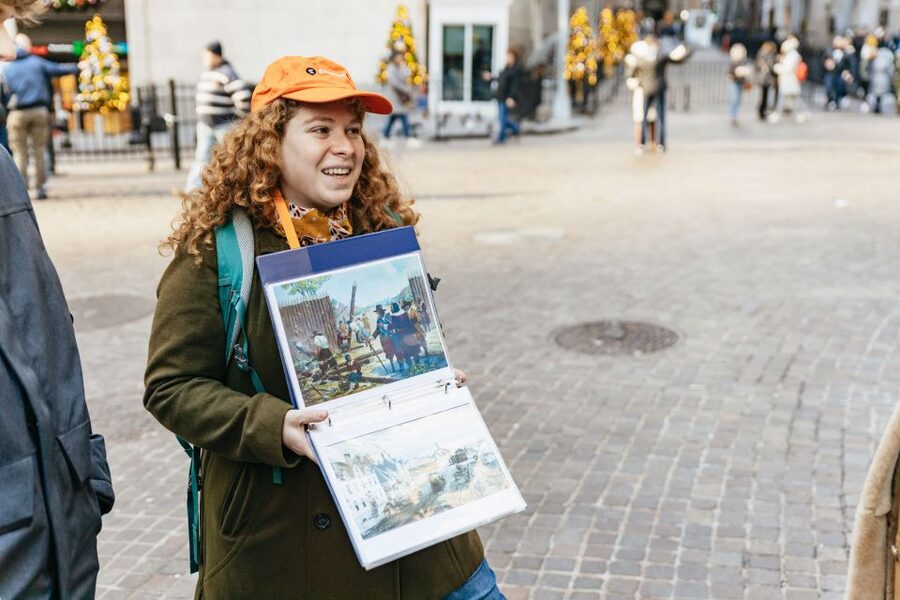
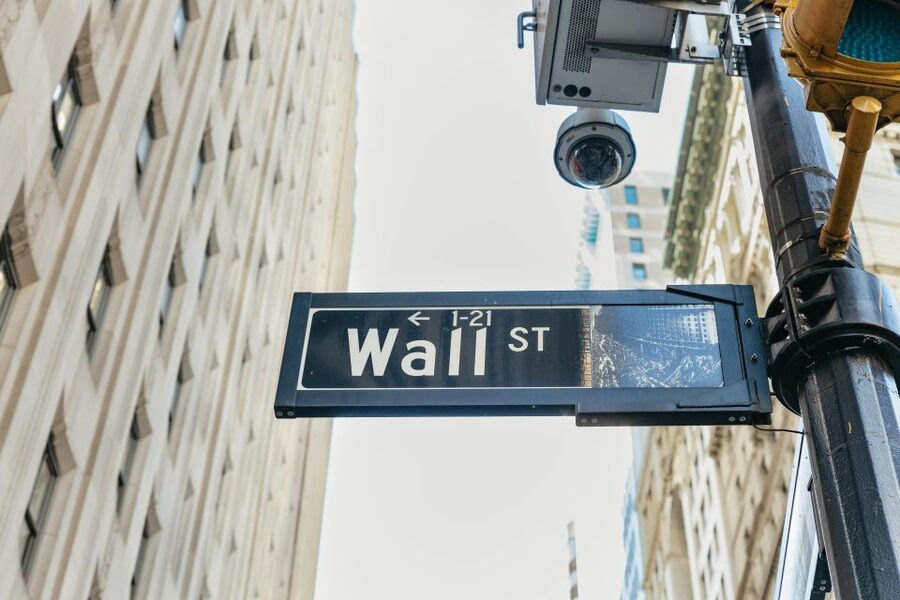
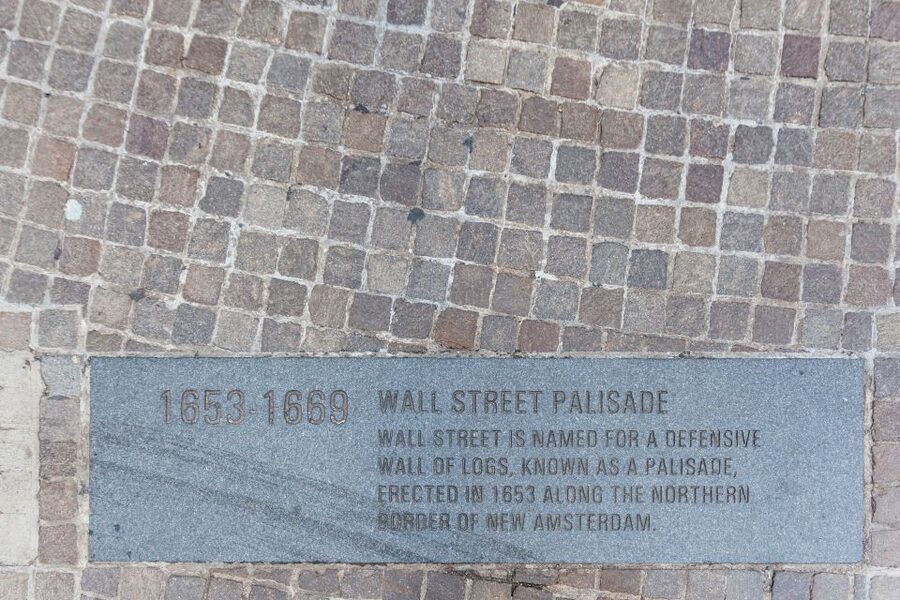
At Wall Street, the tour shifts between the street itself and the older political history around it. The name carries huge financial weight, but the street is also a physical place that has changed over time.
Federal Hall adds an American government connection. It helps show that finance and national power have long been linked in Lower Manhattan. From here, the guide can place modern Wall Street within a much older story of public decisions, private money, and national economic policy.
I like this part of the walk because it keeps the 2008 crisis from floating free of history. You are not just hearing about a recent collapse. You are standing among buildings that represent earlier stages of the country’s political and commercial development.
Federal Hall is listed as a photo and sightseeing stop rather than a dedicated interior visit. The amount of time spent there can depend on the guide and the group’s questions. If you want to explore the building itself at length, plan a separate visit.
Another side of New York City for the same day:
- New York City: Statue of Liberty & Ellis Island with Ferry
★ 4.6 · 18,683 reviews - New York City: American Museum of Natural History Ticket
★ 4.5 · 15,447 reviews - Statue of Liberty and Ellis Island Tour: All Options
★ 5.0 · 13,571 reviews - New York in One Day Guided Sightseeing Tour
★ 5.0 · 13,166 reviews
Stone Street and the older Financial District
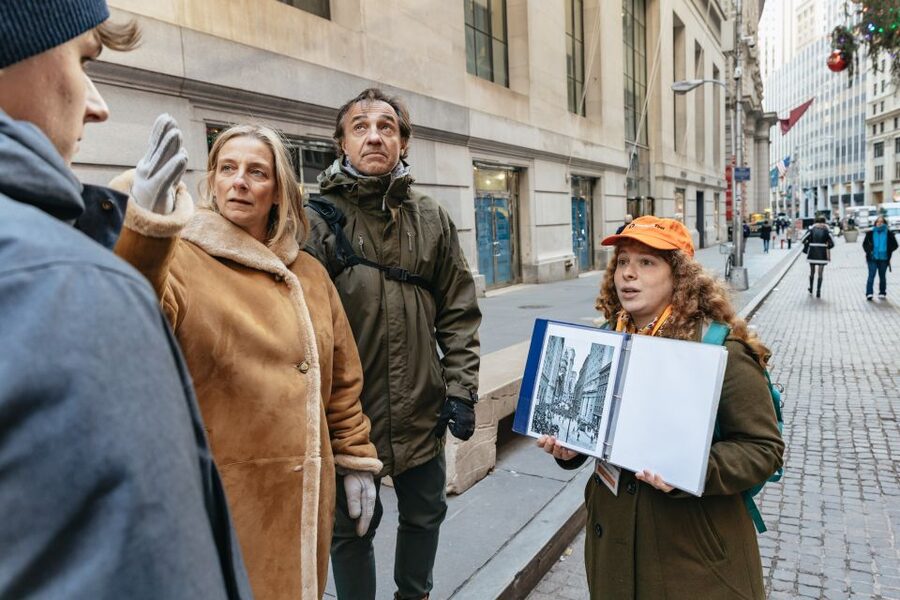
Stone Street changes the feel of the walk. Its historic character offers a break from the formal facades of Wall Street and the New York Stock Exchange. The guide uses it as both a sightseeing stop and a place to explain more about Lower Manhattan’s past.
This is where the tour’s wider subject becomes clear. The Financial District is not simply a collection of banks and office towers. It has layers of trade, settlement, political power, architecture, and public memory. Walking through Stone Street gives you a more human scale and helps you see the district as a neighborhood, not just a financial label.
The stop also gives you a chance to reset if the financial explanation has become dense. One criticism of this type of tour is that the technical language can pile up. Stone Street, along with the other walking sections, gives the guide opportunities to tell stories and use specific places instead of relying only on economic terms.
The major players behind the 2008 crisis
A central promise of the experience is a visit to the grounds connected with major players in the crisis, including Lehman Brothers. This is one of the strongest reasons to choose the tour over a standard sightseeing walk.
The guide explains how traders and financial firms operated before the collapse, how some people made enormous fortunes, and how confidence then broke down. The story is not reduced to one villain or one bad decision. You hear about the larger chain of events and the way failures spread through the financial system.
That human element makes the subject easier to grasp. The crisis involved products and strategies that can be hard to picture. Standing near the institutions involved gives the discussion a physical anchor. You can connect a company name to a building, a street, and a sequence of decisions.
The exact stops and amount of time devoted to each company are not fully specified. The tour does promise the grounds of major players, with Lehman Brothers specifically named. I would book it for the context rather than for access to a particular office or a guaranteed interior visit.
The House of Morgan and architectural clues
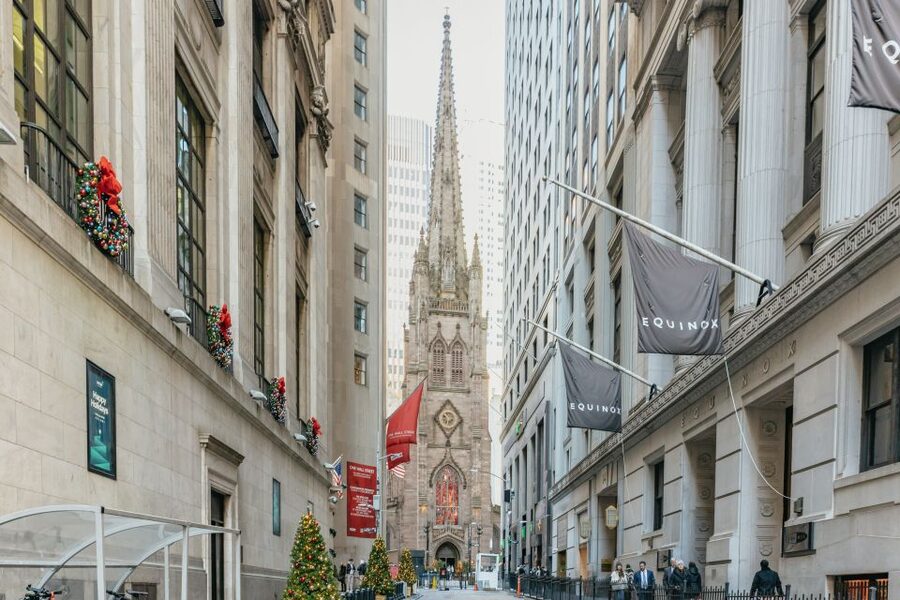
The House of Morgan is another landmark mentioned during the walk. The name opens a door to the older traditions of American banking and the concentration of financial influence in Lower Manhattan.
The architecture matters here. Grand stone buildings, narrow streets, churches, government sites, and modern commercial facades show how the district developed over different periods. Your guide points out these features while explaining how the institutions inside them helped shape the city and the economy.
This is a useful contrast with the 2008 material. The crisis was modern, driven by complex finance and global connections, but it took place in a district built over centuries. The tour uses that contrast well. You get the setting first, then the guide fills it with people, decisions, and consequences.
Charging Bull and Trinity Church
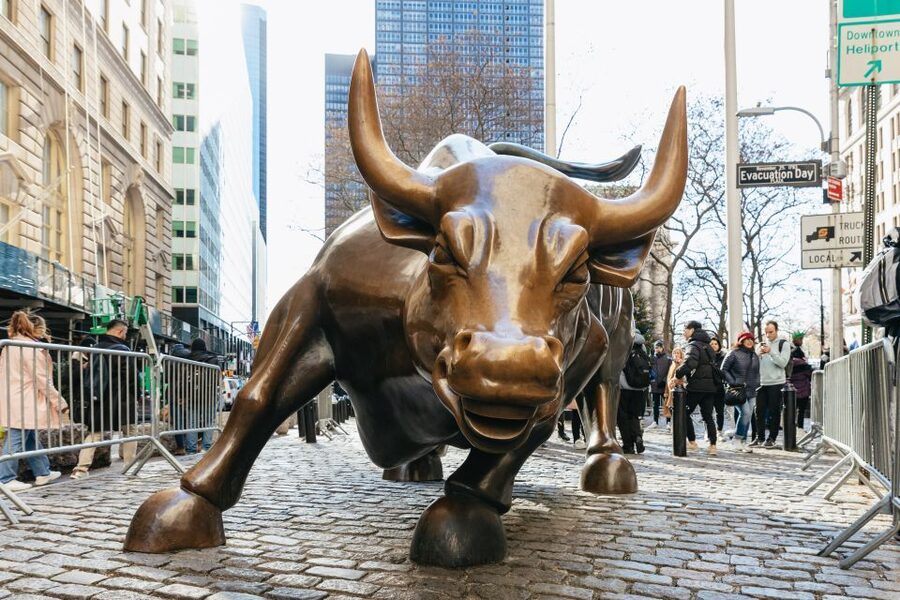
The Charging Bull is a familiar New York photo stop, and the tour gives it more meaning than a quick picture. It represents market confidence and optimism, which makes it a fitting object to discuss during a walk about speculation, fear, and financial loss.
Expect crowds around the bull, especially if you want a clear photograph. One useful tip is to visit after an early breakfast if you plan to return for a less crowded picture. The tour itself cannot guarantee a quiet moment, since the bull is a popular public sight.
Trinity Church provides a different kind of setting. Its presence near the financial center shows how old religious and civic landmarks share space with powerful commercial institutions. The stop is listed for photos and sightseeing, and the guide can use it to broaden the story beyond banks and markets.
These stops help the tour avoid becoming a procession of corporate names. You see public symbols, historic buildings, and places that give the Financial District its character.
The Federal Reserve Bank finish
The walk ends with drop-off options at the Federal Reserve Bank of New York, at 36 Liberty Street, or at Federal Hall. This is a useful ending because the Federal Reserve belongs to the public side of the financial system.
After hearing about private firms and market risk, you finish near an institution connected with monetary policy and financial stability. That makes the final location feel tied to the larger question of what governments and central banks do when markets fail.
The end point also works well for planning the rest of your day. You remain in Lower Manhattan, close to other major sights and subway connections, though the tour itself does not provide transportation. Since the activity lasts two hours, it can fit into a morning or afternoon plan if you leave enough time to walk to your next destination.
What the $59 price really covers
At $59 per person, this is not the cheapest way to see the Charging Bull or take photos of the stock exchange. Those sights are public. You could walk past them on your own for free.
The value comes from the guide’s explanation. You are paying for two hours of structure, local context, and a coherent account of the financial crisis. If you already know the 2008 story well, the tour may feel less essential unless you want the Wall Street setting and insider perspective.
For most visitors, the price is easier to justify if you are curious about finance, enjoy history told through places, or want more than a quick photo tour. The guide can answer questions, adjust explanations, and connect several landmarks that might otherwise seem unrelated.
The experience also offers free cancellation up to 24 hours before departure and a reserve-now, pay-later option. Check the available start times before booking, since the exact schedule is not fixed in the information provided.
Who will enjoy this tour most
I would recommend it to adults, students, business-minded visitors, and anyone who wants to understand the 2008 crisis without reading a book before arriving. It can also work for families with older children who are already interested in markets or current events.
One parent brought a tween who was keen on financial markets. The child learned new things and enjoyed walking around, but the two-hour format and technical sections were a little long. That is useful guidance. For younger children with no interest in money or history, the subject may not hold attention.
The tour also suits repeat visitors to New York. You may have seen Wall Street before, but the insider explanation can change how you read the buildings. First-time visitors get the bonus of seeing several major Lower Manhattan landmarks in one walk.
It is less suitable if you want indoor shelter, a relaxed cafe-style experience, or access to the New York Stock Exchange. It is also not the right choice if you prefer a general city walk with little specialized detail.
Practical tips for a better walk
Arrive 10 minutes early and look for the orange hat outside 22 Broad Street. Do not go inside the nearby buildings looking for a check-in desk.
Wear shoes suited to two hours of walking and standing. Downtown Manhattan can be windy, especially in colder weather, and the tour runs even when conditions are unpleasant. Bring a coat, rain protection, or sun protection as needed.
Keep your camera ready for the exchange, Wall Street, Federal Hall, Stone Street, the Charging Bull, and Trinity Church. The photography is easy to combine with the history, but crowds may limit the best bull photographs.
If the financial terms get technical, ask questions. The strongest guides, including Jared, James, Emily, Peter, Tom, and Mr. Van Buren on earlier departures, have been praised for explaining the subject clearly, remembering names, using humor, and adapting to the group. The experience improves when you take part rather than simply trying to absorb a long lecture.
Should you book the Financial Crisis Tour?
Book it if you want a focused Wall Street experience with a real economic story at its center. The tour gives you more than landmark photos, and its best guides make the 2008 crash understandable without stripping away its complexity.
Skip it if you need indoor attractions, dislike financial subjects, or mainly want to enter the New York Stock Exchange. The exchange is closed to visitors, and the entire walk takes place outside.
For curious adults, students, and older children, $59 is a fair price for two hours of guided context in one of New York’s most important districts. Go prepared for wind, walking, and some technical detail, and you should come away seeing Lower Manhattan with sharper eyes.
FAQ
How long does the Financial Crisis Tour last?
The tour lasts two hours. Check availability for the specific starting times offered on your chosen date.
Where does the tour meet?
Meet at 22 Broad Street, in front of Blue Bottle Coffee and across from 15 Broad Street. Do not enter a building. Your guide will be outside wearing an orange hat.
Is the New York Stock Exchange open during the tour?
No. The New York Stock Exchange is closed to visitors, so the tour includes an exterior photo stop and sightseeing rather than an indoor visit.
What language is the tour conducted in?
The tour is conducted in English with a live guide.
Is transportation included?
No. This is an outdoor walking tour, and transportation is not included. The tour ends with drop-off options at the Federal Reserve Bank of New York, 36 Liberty Street, or Federal Hall.
What happens if the weather is bad?
The tour runs in all weather and takes place outdoors. Arrive dressed for the conditions, keeping in mind that Downtown Manhattan can be particularly windy.
Just listed around New York City
- NYC: Little Shop of Horrors Off-Broadway Ticket5 reviews
- Private NYC Airport Transfer: LGA to Manhattan – Up to 5★ 3.6 · 5 reviews
- New York City Tour in German★ 4.5 · 5 reviews
- NYC Freedom Tower Private Photo or Video Experience★ 4.0 · 6 reviews
- New York Afternoon Fall Foliage Cruise with Lunch★ 5.0 · 6 reviews
- New York: Hamilton and Washington Revolutionary Walking Tour★ 5.0 · 5 reviews
- Brooklyn Walking Tours by Locals: Private & 100% Personalized★ 4.0 · 6 reviews
- Southold Bay Oyster Farm Tour★ 5.0 · 6 reviews
Tours, compared.
Statue of Liberty and Ellis Island Tour: All Options
Read our review →



9/11 Memorial, Ground Zero Tour with Optional 9/11 Museum Ticket
Read our review →
Hop-on Hop-off Sightseeing Tour by Open-top Bus
Read our review →