

Reviewed · HISTORICAL TOURS
The Psychiatric History of New York: Upper East Side Tour
New York’s Upper East Side has more links to psychiatry and medical care than most visitors realize. This two-hour walk ties those stories to real addresses, from the East River view at John Finley Walk to former clinics, child-study centers, and private homes connected with the city’s medical past.
I like the small group, limited to 12 people, and the route’s mix of serious history with classic Upper East Side sights. I also like the price: $40 is fair for a focused walking tour with a guide who brings research, personal energy, and unusual stories to streets you might otherwise pass without a glance.
The main consideration is subject matter. This is not a light sightseeing stroll, and one uneven guide experience has been reported, including heavy reading from a book and fewer stories than expected. Your enjoyment will depend on how much you want medical and psychological history rather than broad New York trivia.
In This Review
- Key points to know before you book
- Why this Upper East Side walk is different
- Starting beside the East River at John Finley Walk
- Yorkville’s Glockenspiel and the neighborhood’s German past
- The New York Psychoanalytic Society and Institute at 247 East 82nd Street
- East 80th Street houses and the role of private buildings
- Hunter College Baker Theatre Building and its medical past
- Park Avenue Armory at 643 Park Avenue
- Tillinghast House at 26 East 64th Street
- 15 to 17 East 62nd Street and the finish near Madison Avenue
- What the $40 price really buys you
- The guide makes or breaks the afternoon
- Who will enjoy this tour most
- Practical details that affect the walk
- Should you book The Psychiatric History of New York?
- FAQ
- Where does the tour start?
- Where does the tour end?
- What time does the tour begin?
- How long does the tour last?
- How large is the group?
- Is cancellation free?
Key points to know before you book

- Eight stops connect psychiatry with everyday New York streets, including former medical institutions, private houses, and a German-themed Yorkville mural.
- John Finley Walk opens the tour with East River views toward Roosevelt Island and Wards Island.
- The group is capped at 12 people, giving you a better chance to hear the guide and ask questions.
- The walk starts at 3:00 p.m. near East 87th Street and East End Avenue and finishes near Madison Avenue and East 62nd Street.
- The $40 fee covers a two-hour, English-language walking experience, with no separate admission costs at the listed stops.
- The subject is unusual and sometimes serious, best suited to curious minds who want medical history, social context, and overlooked city addresses.
Why this Upper East Side walk is different
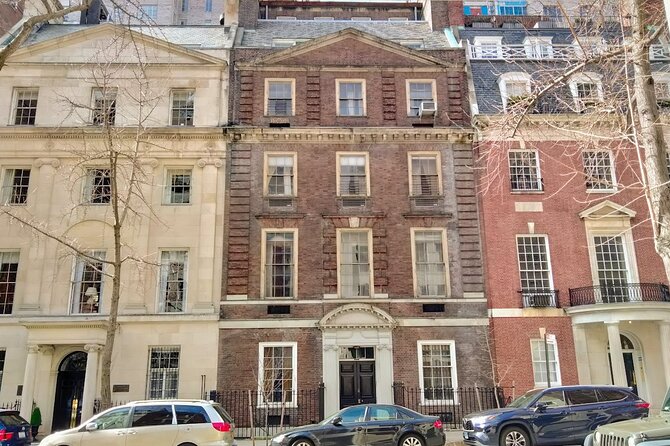
Most Upper East Side tours lean toward grand apartment buildings, museum streets, famous residents, and polished avenues. This one follows a less obvious thread: how New York treated mental illness, neurological conditions, child development, and psychological distress over time.
That focus gives the route a useful purpose. Instead of seeing eight unrelated addresses, you get a story about institutions and ideas that shaped the city. The stops point to places associated with psychoanalysis, neurology, dispensary care, and child study, while the surrounding streets provide the setting.
I especially like the fact that the tour does not stay inside one museum or depend on a single famous building. The history is spread across the neighborhood, so you see how medical work existed alongside homes, shops, parks, avenues, and ordinary city life.
The format is also personal. With a maximum of 12 participants, you are not likely to be buried in a crowd. That matters on a walking tour built around spoken stories. A quiet voice or a small detail can easily get lost in a large group, while a small party gives you a better chance to follow the guide’s explanations.
More New York City history walks:
- New York City: American Museum of Natural History Ticket
★ 4.5 · 15,447 reviews - NYC: Starship Landmark 90 Minute Sightseeing Cruise
★ 4.6 · 3,666 reviews - Starship Landmark 90 Minute Sightseeing Cruise
★ 4.5 · 2,073 reviews
Starting beside the East River at John Finley Walk
The meeting point is at East 87th Street and East End Avenue, on the eastern edge of Manhattan. The first stop, John Finley Walk, gives you a free outdoor view across the river toward Roosevelt Island and Wards Island.
This is a smart opening. Before the tour turns toward institutions and individual addresses, you get a sense of the city’s geography. The river, islands, and Upper East Side shoreline offer a visual pause and help place the neighborhood within New York’s wider network of hospitals, clinics, and residential districts.
You should arrive ready to walk outdoors from the start. The tour begins at 3:00 p.m., and the opening view is not a ticketed attraction. It is simply part of the street experience, which keeps the tour grounded in the city rather than in a formal museum setting.
The listed time is about 12 minutes. That is enough for orientation and explanation, but not enough for a long riverside stop. Think of it as a scenic introduction, not a full waterfront visit.
Yorkville’s Glockenspiel and the neighborhood’s German past
The second stop is the Yorkville Glockenspiel at the southwest corner of East 83rd Street and York Avenue. The mural nods to Yorkville’s German neighborhood past, adding a local cultural note to a tour otherwise centered on medicine and psychiatry.
This stop helps broaden the route. The Upper East Side was not simply a setting for wealthy homes and medical buildings. It was also a lived-in neighborhood shaped by immigrant communities and local traditions. The mural gives the guide a visible way to discuss that older Yorkville identity.
At around 12 minutes, this is another compact stop. You will not spend a long time studying a large museum collection or entering an attraction. The value is in the explanation of what you are looking at and how it fits the neighborhood.
I would pay attention to the guide’s storytelling here. A mural can be easy to overlook when you are hurrying down York Avenue. With context, it becomes part of the route’s larger message: psychiatric history did not happen in isolation. It developed within a real neighborhood with its own languages, communities, and daily life.
The New York Psychoanalytic Society and Institute at 247 East 82nd Street
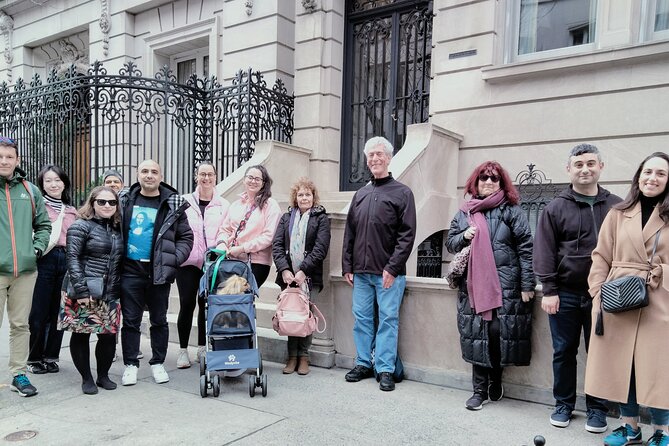
At 247 East 82nd Street, the route reaches the New York Psychoanalytic Society and Institute. For anyone interested in Freud, psychoanalysis, or the development of modern ideas about the mind, this is likely to be one of the most meaningful stops.
The address gives the subject a physical anchor. Rather than hearing only general information about psychoanalysis, you are looking at a place connected to the field in New York. The guide can use the building and its location to explain how psychological theory moved into professional practice and public discussion.
Since the stop is listed as a free street visit, you should expect to view the site from the outside rather than receive a separate institutional admission. That is not a flaw, but it is worth knowing. This tour depends on interpretation, not access to private rooms or displays.
The 12-minute timing works well for a focused explanation. If you already have an interest in psychoanalysis, you may want to read a little beforehand so you can ask sharper questions. If you know little about the subject, the guide’s job is to give you enough background to understand why this address matters.
Another side of New York City for the same day:
- NYC: SUMMIT One Vanderbilt Tickets
★ 4.7 · 51,195 reviews - NYC: 9/11 Memorial & Museum Timed-Entry Ticket
★ 4.8 · 31,428 reviews - NYC: Empire State Building Tickets – Observatory & Museum
★ 4.7 · 25,757 reviews - New York City: Statue of Liberty & Ellis Island with Ferry
★ 4.6 · 18,683 reviews
East 80th Street houses and the role of private buildings
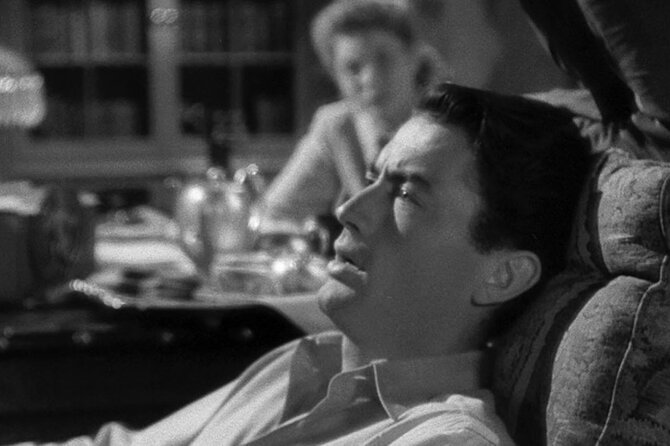
The East 80th Street Houses stop shifts attention from formal institutions to residential architecture. The details provided for this stop are brief, so the guide’s explanation will be especially important here.
That change of setting is useful. Psychiatric and psychological history is not always marked by a hospital sign. Private houses can point to people, practices, patients, families, or professional networks that shaped the city’s story. The stop also lets you see the Upper East Side as a neighborhood of homes, not just a row of medical sites.
The route’s appeal comes partly from these small clues. You may walk past a house and see only an attractive facade. A guide can show you why the address belongs in a psychiatric history tour and connect it to the larger sequence.
This is another exterior-focused stop with no listed admission fee. Keep your expectations centered on interpretation and observation. If you prefer grand interiors and long museum visits, this portion may feel understated. If you enjoy finding meaning in ordinary streets, it should work well.
Hunter College Baker Theatre Building and its medical past
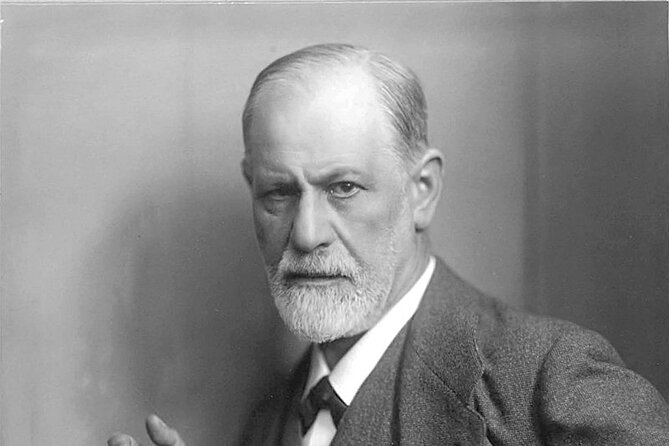
At 149 to 151 East 67th Street, the Hunter College Baker Theatre Building carries several earlier identities. It was formerly the Mount Sinai Dispensary, the Neurological Institute, and the Kennedy Child Study Center.
This is one of the route’s strongest addresses because several strands of medical history meet in one place. A dispensary suggests direct local care. A neurological institute points toward the study and treatment of disorders of the nervous system. The Kennedy Child Study Center brings in children and developmental work.
The building’s current name can hide those older uses. That is exactly why a guided stop helps. You are not merely admiring a building; you are learning how its purpose changed and how medical institutions occupied the city over time.
The subject also widens beyond adult psychiatry. Children’s development and neurological care are part of the story, giving the tour more range than a simple walk about psychoanalysis. The 12-minute stop should allow the guide to explain the connections without turning the visit into a lecture.
For me, this is the kind of detail that makes the $40 fee easier to justify. You could find the address yourself, but without the historical thread, the former names would be easy to miss.
Park Avenue Armory at 643 Park Avenue
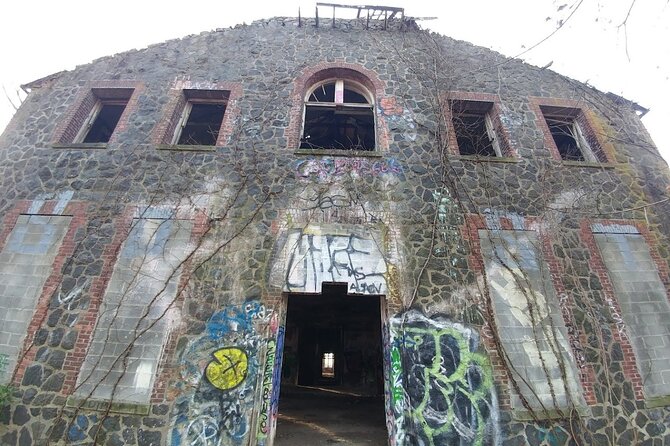
The Park Avenue Armory at 643 Park Avenue brings a major architectural landmark into the route. Its connection to psychiatric history may not be obvious when you see the building, which makes the guide’s explanation central.
The Armory is also a welcome change in scale. After smaller addresses and residential buildings, this stop gives the walk a more imposing city setting. It reminds you that New York’s institutions often occupied buildings with many lives and purposes.
The tour allows about 12 minutes here. That is enough to look, listen, and take in the exterior, but not enough for a full building tour. No admission ticket is included or required for the listed stop, so do not book this walk expecting a long interior visit to the Armory.
The route’s mix of places is one of its strengths. You get a river view, a mural, professional institutions, houses, a former dispensary, and a famous avenue building. The variety keeps the walk from feeling like a repeated series of plaques.
Tillinghast House at 26 East 64th Street
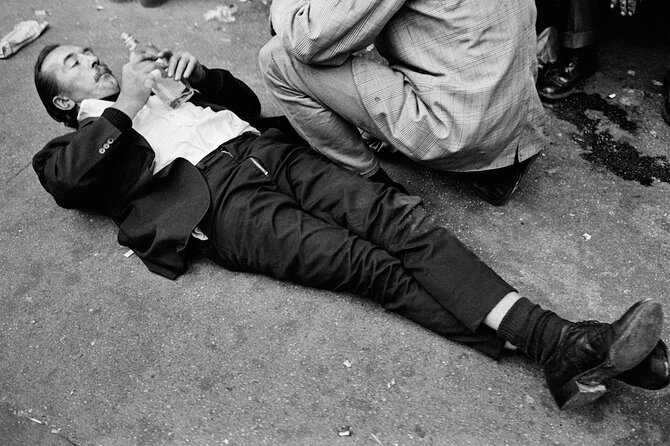
At 26 East 64th Street, off Madison Avenue, the Tillinghast House adds another residential address to the story. The stop is scheduled for about 12 minutes and is free to view.
This is the sort of place that rewards patience. A private house rarely announces its connection to medical or psychological history. You need the guide to explain the person, practice, or event tied to the address, then you need a moment to look at the building as part of the neighborhood.
I like how the route uses these houses to slow the pace. New York sightseeing can become a march from one famous attraction to the next. Here, the focus is narrower. You stop, listen, examine the setting, and move on with a better sense of how the Upper East Side functioned as a professional and residential district.
Again, the provided details do not promise interior access. Plan on a street-level explanation. Wear comfortable shoes and stay prepared for a continuous city walk rather than a set of indoor visits.
15 to 17 East 62nd Street and the finish near Madison Avenue
The final stop is at 15 to 17 East 62nd Street, off Madison Avenue. The tour allows 18 minutes here, making it the longest stop on the route.
That extra time suggests a fuller explanation or a more involved final story, though the exact content is not specified. You should treat it as the closing address where the guide draws the route together, rather than assume a particular person or event not provided in the tour details.
The walk ends at East 62nd Street and Madison Avenue, a few blocks from the southeast corner of Central Park. This is a useful finish for your day. You can continue toward Central Park, explore Madison Avenue, or use nearby public transportation.
The ending location also makes the tour easy to pair with other Upper East Side plans. Because the walk starts in the far eastern part of the neighborhood and ends farther west, it gives you a sense of movement through the district instead of leaving you at the same point where you began.
What the $40 price really buys you
At $40 per person, this is not the cheapest way to stroll through the Upper East Side. You could walk past every address on your own without paying an admission fee.
But the listed stops are not the whole product. You are paying for the research, order, and explanation that connect them. The route turns a set of buildings into a subject, and the small group gives the guide room to speak directly to you.
The value is strongest if you would not normally seek out psychiatric history on your own. A local resident has already said the walk revealed facts about places passed every day. That is a useful test: if you like learning the story behind familiar streets, the price is sensible.
The value is weaker if you want famous attractions, grand interiors, or a broad survey of New York. This is a specialist tour. It is also only offered in English, so you should be comfortable following detailed spoken explanations for two hours.
The experience is generally well regarded, with a 4.9 rating from 31 ratings and recommendation from 97 percent of participants. Still, the feedback is not perfect. One account describes a pleasant guide who relied too much on reading and did not provide enough stories. That criticism matters because the guide’s delivery is a large part of what you are buying.
The guide makes or breaks the afternoon
Several comments point to the guide’s energy, humor, and passion as major strengths. Krombe is named in one account, while another spells the name Krumbie, so the exact guide assigned to your date may vary.
The positive descriptions suggest a guide who can make a serious topic lively without losing its substance. That balance is important here. Psychiatric history can become dry if presented as dates and institutions alone, but it can also become careless if treated as entertainment.
You should expect a story-led walk, not a purely academic seminar. The strongest version of this tour will connect each address to a person, idea, or change in medical practice, then bring the discussion back to the street in front of you.
One participant described the tour as inspiring further reading about bipolar disorder and the changes between earlier medical care and the 21st century. That is a good sign for curious visitors who want a starting point for more study. It also signals that the material may touch personal or difficult subjects.
Who will enjoy this tour most
I would recommend this walk to you if you have an interest in any of the following:
- New York medical history
- Psychiatry, psychoanalysis, or neurology
- Child development and institutional care
- Architecture with a story behind it
- Upper East Side history beyond the usual highlights
- Small-group walks with room for questions
It also suits people who live in New York or have visited often. Familiar streets become more interesting when you learn what happened there before the current businesses and residences took over.
You do not need to be a specialist. The tour is designed to explain the subject as you walk, and the 4.9 rating suggests that the material works for a wide audience. Still, curiosity helps. If you have no interest in mental health, medical institutions, or social history, the route may feel too narrow.
I would not choose it as your only New York sightseeing tour. It does not replace a first visit to the major museums, Central Park, or the city’s best-known historic sites. I would choose it as a second or third outing, especially if you have already seen the standard sights.
Practical details that affect the walk
The tour lasts about two hours and starts at 3:00 p.m. at East 87th Street and East End Avenue. It finishes at East 62nd Street and Madison Avenue, close to the southeast corner of Central Park.
The route is offered in English and uses mobile tickets. It is near public transportation, and service animals are allowed. Most people can participate, though the details do not specify the exact walking distance, pace, seating, or restroom access.
The listed timing gives most stops about 12 minutes, with 18 minutes at the final address. That schedule keeps the walk moving. You should expect frequent pauses rather than long periods at one site.
Free cancellation is available if you cancel at least 24 hours before the 3:00 p.m. start time. Changes or cancellations made inside that window are not accepted for a refund.
Should you book The Psychiatric History of New York?
Book it if you want an unusual, thoughtful walk through the Upper East Side and enjoy hearing how buildings connect to medical ideas and city life. The small group, strong overall rating, free outdoor stops, and unusual subject give it a clear identity.
I would be more cautious if you want a polished performance every time. The guide matters greatly, and one account describes a delivery that felt too dependent on a book. Even so, the tour offers something most standard New York walks do not: a way to see familiar streets through the history of psychiatry, neurology, and child study.
At $40, it is a fair choice for curious visitors who value stories over entry tickets. Bring comfortable shoes, arrive ready for an outdoor walk, and book it as a focused Upper East Side experience rather than a general introduction to New York.
FAQ
Where does the tour start?
The tour starts at East 87th Street and East End Avenue in New York City.
Where does the tour end?
It ends at East 62nd Street and Madison Avenue, a few blocks from the southeast corner of Central Park.
What time does the tour begin?
The start time is 3:00 p.m.
How long does the tour last?
The tour lasts approximately two hours.
How large is the group?
The maximum group size is 12 participants.
Is cancellation free?
Yes. You can cancel at least 24 hours before the experience start time for a full refund. Cancellations or changes made less than 24 hours before the start are not refunded or accepted.
Just listed around New York City
- NYC: Little Shop of Horrors Off-Broadway Ticket5 reviews
- Private NYC Airport Transfer: LGA to Manhattan – Up to 5★ 3.6 · 5 reviews
- New York City Tour in German★ 4.5 · 5 reviews
- New York: Hamilton and Washington Revolutionary Walking Tour★ 5.0 · 5 reviews
- NYC Freedom Tower Private Photo or Video Experience★ 4.0 · 6 reviews
- New York Afternoon Fall Foliage Cruise with Lunch★ 5.0 · 6 reviews
- Brooklyn Walking Tours by Locals: Private & 100% Personalized★ 4.0 · 6 reviews
- Southold Bay Oyster Farm Tour★ 5.0 · 6 reviews
Historical Tours, compared.


Starship Landmark 90 Minute Sightseeing Cruise
Read our review →
Starship Landmark 90 Minute Sightseeing Cruise
Read our review →
American Museum of Natural History Admission Ticket
Read our review →
Top Rated Brooklyn Half-Day Food, History & Culture Tour via bus
Read our review →

The Original Greenwich Village Food & Cultural Tour Since 1999
Read our review →
The Speakeasy Adventure: A Tipsy Trip Through History
Read our review →Browse the lists this tour appears in