
Reviewed · WALL STREET & FINANCIAL DISTRICT TOURS
The Spies of Wall Street
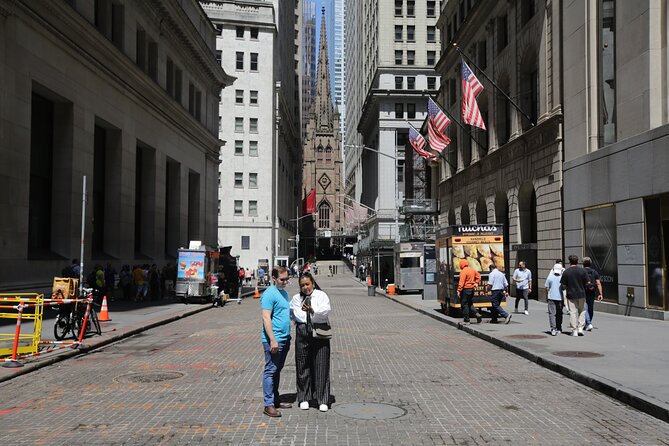
Lower Manhattan has always been good at hiding its secrets in plain sight. On this 90-minute spy walk, you’ll connect familiar places with Washington’s intelligence network, Soviet agents, coded messages, and the people who operated around New York’s powerful social circles.
I like the unusual subject and the way it reaches from the Revolutionary War to the modern era. I also like the small-group limit of 25, which should make it easier to hear Jerry, the guide known as SpyGuideNYC, and ask questions along the way.
The main drawback is the price: $175 per person is a serious charge for a short walking tour. You’ll get the most value if you enjoy political history, espionage stories, and detailed local trivia more than landmark sightseeing.
In This Review
- Key points to know before you book
- Why Lower Manhattan makes a fine spy classroom
- James Rivington and the power of printed words
- Sugar House Prison beneath the Federal Reserve
- From Revolutionary agents to Soviet sleepers
- Fraunces Tavern and Washington’s final stop
- Is $175 a fair price for 90 minutes?
- Who will enjoy this tour most?
- What to know about booking and cancellation
- My recommendation: book it for the stories
- FAQ
- Where does The Spies of Wall Street tour begin?
- Where does the tour end?
- How long does the tour last?
- How much does the tour cost?
- How many people can join the tour?
- Can I cancel for a refund?
Key points to know before you book
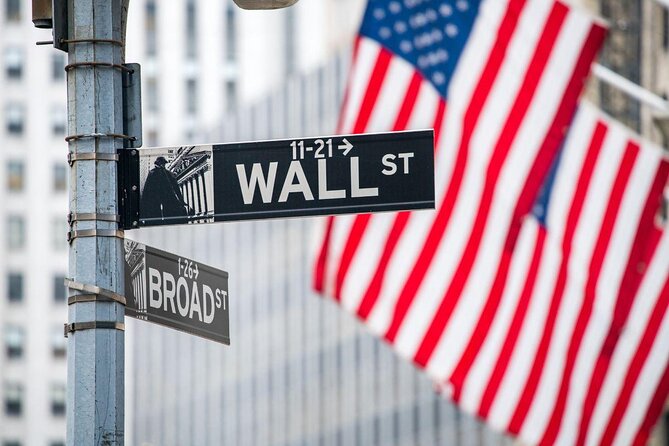
- James Rivington’s printing house: Learn how a publisher could spread British propaganda while secretly passing coded information to George Washington’s spies.
- Sugar House Prison and the Federal Reserve: See how a former British prison site became associated with one of the world’s largest gold reserves.
- A 300-year view of New York: The stories move from the Revolutionary War through Soviet espionage and the modern era.
- A hands-on spy element: The tour includes a dead drop activity, so you are not only listening to stories.
- Fraunces Tavern finish: End at the historic tavern where Washington met with his officers after the war.
- Small-group format: The maximum group size is 25, with a local guide leading the walk.
Why Lower Manhattan makes a fine spy classroom
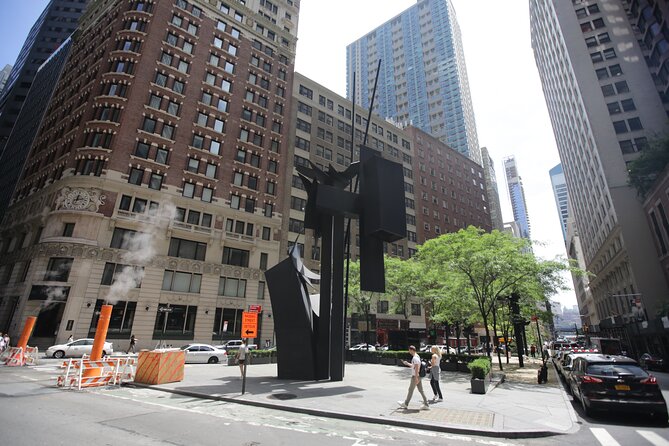
This tour works because Lower Manhattan is already a place of power, money, government, trade, and old stone buildings. The spy stories do not require you to leave the usual sightseeing zone. Instead, they change the way you read places you may otherwise pass without a second thought.
You begin at Louise Nevelson Plaza, at New York, NY 10038. From there, the walk heads through the Wall Street area and finishes at Fraunces Tavern, 54 Pearl Street. The route is compact enough to fit into a morning or afternoon, and the ending puts you near major Lower Manhattan sights and public transportation.
The subject is broader than one war or one famous agent. You’ll hear about intelligence work during the American Revolution, the people and institutions around it, and Soviet sleeper agents among New York’s elite. That range gives the tour a useful sense of time. You are not getting one isolated spy tale. You are seeing how secrecy kept returning as New York changed.
I especially like the promise of background details, photos, and trip recommendations. Those extras matter on a walking tour because they can help you understand more than the story being told at that exact corner. The guide can point out something you might miss and give you a better sense of how Lower Manhattan fits together.
More Wall Street walks:
- NYC City Tour: Statue of Liberty, 9/11 Memorial, Wall Street
★ 4.5 · 2,059 reviews - Wall Street Insider Tour with a Finance Professional
★ 4.5 · 660 reviews - Wall Street Insider Tour with a Finance Professional
★ 4.5 · 571 reviews
James Rivington and the power of printed words
One of the strongest stops is the former site of James Rivington’s publishing house. Rivington is presented as a man who printed British propaganda while secretly sending coded messages to Patriot spies working for George Washington.
That story gives you a useful reminder: espionage did not always involve disguises, locked rooms, or dramatic escapes. A printing house could be a public business and a quiet communication channel at the same time. News, rumor, political persuasion, and coded intelligence could all move through the same building.
This is the kind of stop that rewards attention to place. You are not entering a preserved spy headquarters. You are standing at a location connected to a complicated wartime role, with the modern city continuing around you. The value comes from the explanation, not from a large museum display.
If you like the mechanics of intelligence work, this part should be a highlight. You’ll hear how information could be hidden in ordinary activity and how a person with access to the public conversation could also support secret operations. It also gives the tour an early anchor before the stories move into later periods.
The possible limitation is that the location itself may not look like a dramatic movie set. You need to listen closely and use your imagination. That is normal for a city walking tour focused on lost or changed places, but it may disappoint anyone expecting theatrical sets or visible spy equipment.
Sugar House Prison beneath the Federal Reserve
The next major story involves Sugar House Prison, a British prison during the Revolutionary War. The site is now associated with the Federal Reserve Bank of New York, whose underground vault safeguards one of the world’s largest gold reserves.
That contrast is the point. The same area carries two very different kinds of secrecy and power. During the war, the place had a grim reputation as a prison. Today, the Federal Reserve connection brings thoughts of money, national finance, and gold held below the city.
You’ll hear about Ethan Allen, the Patriot associated with the Green Mountain Boys, who was held at the prison. A personal name helps make the prison story more than a vague account of old suffering. It puts a recognizable figure into the setting and shows how political conflict reached individuals as well as armies.
I like this stop because it links military intelligence to the financial authority of modern New York. The tour is not only about agents passing messages. It also asks you to notice how a city can place different forms of power on top of one another across time.
Do not expect a Federal Reserve interior visit or access to the gold vault. The supplied details describe the site and its underground gold reserve, not an entry to the building. Plan on hearing the story from the street and seeing the location as part of the walking route.
From Revolutionary agents to Soviet sleepers
The tour then widens its focus to Soviet sleeper agents among New York’s elites, along with stories involving the city’s glitterati. The exact cases are not listed in advance, so you should think of this as a story-led experience rather than a fixed checklist of famous names.
That format can work well if you enjoy surprise and follow-up questions. It also means the guide’s delivery matters a great deal. Jerry is identified as SpyGuideNYC, and the information available about his tours presents him as enthusiastic, engaged, and eager to involve the group. One activity lets you act as a spy with a dead drop, adding a playful break to the historical material.
The dead drop is a particularly useful touch for families, younger visitors, or anyone who learns best by doing. It turns a spy technique into something memorable without requiring the tour to become a full role-playing show. You are still walking through real Lower Manhattan, but you get a small taste of how covert communication might work.
The Soviet material also gives the tour a modern edge. Revolutionary War stories can feel safely distant. Cold War espionage among influential New Yorkers suggests that secrecy, ideology, and access to information remained part of city life long after the founding era.
I would not book this expecting a scholarly seminar with every source laid out. The appeal is the combination of strong storytelling, unusual facts, and the guide’s personal energy. If you want a formal academic lecture, another type of history program may suit you better.
Another side of New York City for the same day:
- NYC: SUMMIT One Vanderbilt Tickets
★ 4.7 · 51,195 reviews - NYC: 9/11 Memorial & Museum Timed-Entry Ticket
★ 4.8 · 31,428 reviews - NYC: Empire State Building Tickets – Observatory & Museum
★ 4.7 · 25,757 reviews - New York City: Statue of Liberty & Ellis Island with Ferry
★ 4.6 · 18,683 reviews
Fraunces Tavern and Washington’s final stop
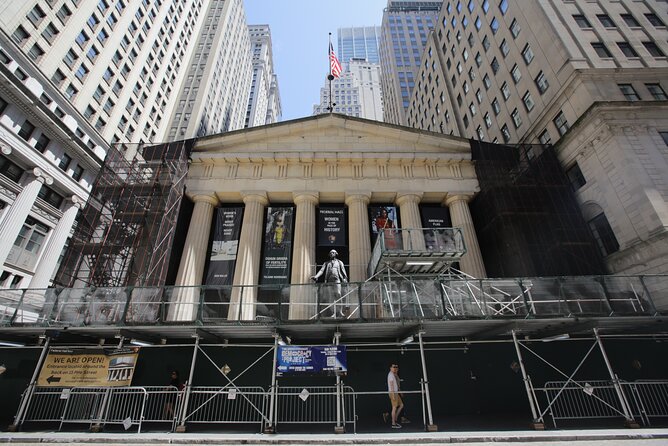
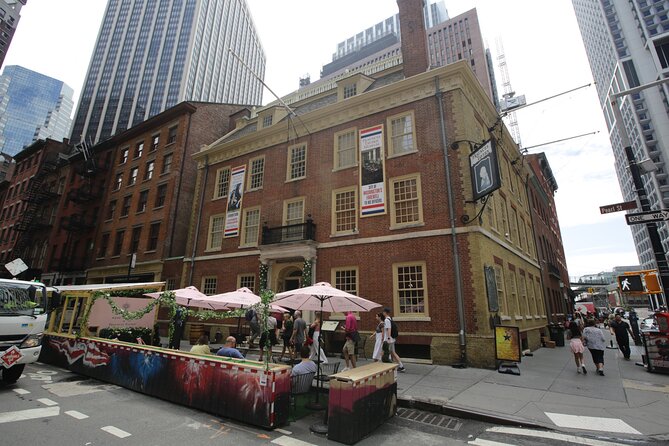
The walk ends in front of Fraunces Tavern at 54 Pearl Street. The tavern is a national historic landmark, museum, and restaurant, so the finish gives you a chance to continue exploring after the guide says goodbye.
The location carries a direct Revolutionary War connection. George Washington met with his officers there after the war, making it a fitting endpoint for a tour that begins with Patriot intelligence and follows secret work through later periods.
I like an ending that gives you a clear next step. You can consider visiting the tavern’s museum or stopping for food, though the tour information does not include admission to the museum or a meal. At minimum, you finish near a place with a strong connection to the period discussed during the walk.
The route also makes practical sense for sightseeing. Fraunces Tavern is in the heart of Lower Manhattan, close to the Financial District and other historic sites. You can use the tour as a focused introduction, then continue on your own with the broader area.
Because the tour ends at the tavern rather than returning to Louise Nevelson Plaza, remember that this is a point-to-point walk. That is helpful if you are building a day around Lower Manhattan, but less convenient if you need to return to your starting point immediately.
Is $175 a fair price for 90 minutes?
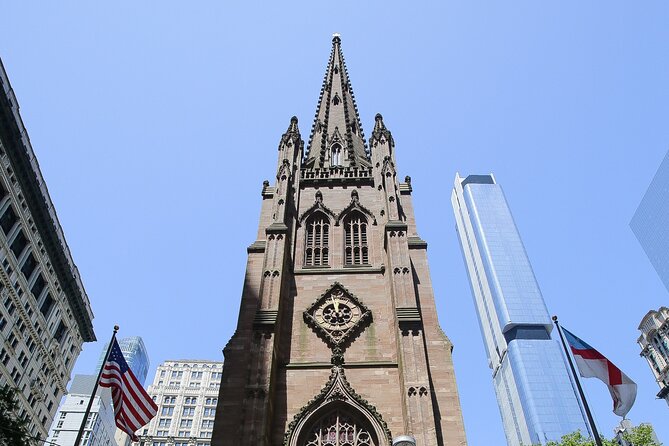
At $175 per person, this tour costs more than a basic city walking tour. The price makes sense only if the subject and the guide-led storytelling are central to what you want from your New York day.
You are paying for a niche topic, a local guide, a small group capped at 25, and an experience that combines history with interactive elements. You also get photos, trivia, and recommendations intended to help you see more of the city after the walk. Those details give the tour more value than a simple march between landmarks.
Still, the duration is about one hour and 30 minutes. There is no stated museum admission, meal, or Federal Reserve interior access included. If you measure value by the number of formal attractions entered, the price may feel high.
I would compare it with the cost of your other planned activities rather than judging it alone. If you already have a full schedule of standard tours, this could provide a fresh subject and a different way to understand places you will see anyway. If your budget is tight, you may prefer a longer tour or one that includes admission to a major site.
The high rating and positive responses support the idea that the tour’s main strength is personal delivery. Jerry’s enthusiasm and the unusual material are likely to matter more than the physical route. You should book for the stories, not for grand views or extensive interiors.
Who will enjoy this tour most?
I would recommend it most strongly to:
- New Yorkers who are tired of repeating the usual sightseeing circuit and want surprising facts about familiar streets.
- History fans interested in the Revolutionary War, Cold War espionage, and the people behind political events.
- Visitors who like small-group walks and prefer a local guide to lead them through a focused subject.
- Families with older children or teenagers who may respond well to the dead drop activity and spy theme.
- Repeat visitors to New York who have already seen major landmarks and want a fresh angle on Lower Manhattan.
It may be less suitable for someone who wants a relaxed sightseeing stroll with lots of photo stops. The content is the main attraction, and you’ll get more from it if you enjoy listening, asking questions, and connecting details across several centuries.
The tour requires a moderate level of physical fitness. You should also plan around the weather, since poor conditions can lead to a new date or a full refund. Service animals are allowed, and the meeting area is near public transportation.
What to know about booking and cancellation
Your mobile ticket and booking confirmation should make the basic arrival process simple. The tour is often booked about seven days in advance, so I would not leave it until the last minute if the schedule matters to you.
You can cancel for a full refund up to 24 hours before the start time. Changes or cancellations inside that 24-hour window are not accepted for a refund. Cutoff times use New York local time, so check the exact start time carefully.
Since the route depends on good weather, keep a little flexibility in your schedule. If the provider cancels because of weather, you’ll be offered another date or a full refund.
My recommendation: book it for the stories
You should book The Spies of Wall Street if you want a sharply focused Lower Manhattan walk that turns ordinary addresses into scenes of coded messages, wartime prisons, financial secrecy, and Soviet espionage.
I would skip it if you want a low-cost overview, extensive building access, or a long tour with many formal attractions included. At $175 for 90 minutes, the experience needs to match your interests closely.
For a New Yorker, a repeat visitor, or anyone who has already seen the standard Financial District sights, the unusual subject can justify the cost. Jerry’s lively approach, the dead drop activity, and the finish at Fraunces Tavern give the walk a personal shape. You leave with a different way to read Lower Manhattan, which is exactly what a good themed walking tour should do.
FAQ
Where does The Spies of Wall Street tour begin?
The tour begins at Louise Nevelson Plaza, New York, NY 10038, USA.
Where does the tour end?
The tour ends in front of Fraunces Tavern at 54 Pearl Street, New York, NY 10004.
How long does the tour last?
The tour lasts approximately one hour and 30 minutes.
How much does the tour cost?
The listed price is $175 per person.
How many people can join the tour?
The activity has a maximum group size of 25 people.
Can I cancel for a refund?
Yes. You can cancel at least 24 hours before the experience start time for a full refund. Cancellations or changes made less than 24 hours before the start time are not accepted for a refund.
Just listed around New York City
- Exploring Eastern European Food in Little Odessa★ 5.0 · 3 reviews
- New York City: West Village Food Tour★ 5.0 · 3 reviews
- Williamsburg Walking Tour: History, Hipsters, Hasids & Hops★ 5.0 · 3 reviews
- The Best of Midtown Manhattan Self-Guided Walking Tour★ 3.5 · 3 reviews
- Private Tour of High Line, Chelsea, Hudson Yards and Edge★ 5.0 · 3 reviews
- Cabaret at the Kit Kat Club on Broadway Ticket★ 5.0 · 3 reviews
- Bike Rental-Easy GO NYC★ 3.5 · 3 reviews
- Little Italy Official Walking Tour – Manhattan NYC★ 4.2 · 3 reviews
Wall Street & Financial District Tours, compared.

NYC City Tour: Statue of Liberty, 9/11 Memorial, Wall Street
Read our review →
Wall Street Insider Tour with a Finance Professional
Read our review →Wall Street Insider Tour with a Finance Professional
Read our review →
Manhattan Group Tour Including Wall Street and 911 Memorial
Read our review →
Wall Street Tour with 9/11 Memorial and Statue Ferry
Read our review →
Wall Street and Financial District Walking Tour
Read our review →

Wall Street and Financial District Walking Tour
Read our review →Browse the lists this tour appears in