
Reviewed · GREENWICH VILLAGE TOURS
Village Nights: Greenwich Village Food & History Walk
Greenwich Village is best understood at street level, one snack and one story at a time. This three-hour evening walk links old taverns, immigrant food, music history, labor history, and LGBTQ history from Astor Place to Christopher Park. The route is flexible, so your guide can shape the night around the group rather than march everyone through a fixed script.
I like the small group of no more than eight, which makes conversation easy and lets the outing feel more like a night out with a well-informed local friend. I also like the mix of food and serious history: you may move from a beer at McSorley’s to the Triangle Shirtwaist Factory Memorial, then from falafel and pizza to the Stonewall area.
The main consideration is that the food stops are casual, and the exact lineup can change. You are paying $99 for a guided neighborhood experience with four or five tastings, not a formal restaurant meal or a parade of famous attractions. Come ready to walk, share the pace with a small group, and let the evening unfold.
In This Review
- Key points at a glance
- Why this Village walk feels different
- Starting at Astor Place
- McSorley’s, beer, cheese, and old New York
- St. Mark’s Place and the city in motion
- Doughnuts and the Triangle Shirtwaist Factory Memorial
- Washington Square Park and the Village’s public heart
- MacDougal Street and New York’s creative streak
- Mamoun’s Falafel and the taste of immigrant New York
- Two Boots Pizza and a changing West Village
- Bleecker Street and Taco Mahal
- Marie’s Crisis and the final stretch
- Janie’s cookies and Stonewall
- What $99 buys you
- Who should book this evening walk
- Should you book Village Nights?
- FAQ
- How long does Village Nights last?
- What time does the tour start?
- Where does the tour begin?
- Where does the tour end?
- How many people can join?
- Is food included?
- Are drinks included?
- Is the route fixed?
- Is the tour offered in English?
- Can I cancel for a full refund?
Key points at a glance
- Four or five food stops: Expect a satisfying spread that may include beer and cheese, falafel, pizza, fusion tacos, fries, doughnuts, or cookies.
- A route with real historical weight: Astor Place, the Triangle Shirtwaist Factory site, Washington Square Park, and Stonewall all carry important stories.
- A flexible evening plan: Your guide asks what interests you and chooses from a broad set of food and drink options.
- Guides who shape the mood: Morgan, David, and Dan are among the guides connected with this experience, with a style that is casual, interactive, and story-driven.
- An intimate group: The outing is capped at eight people, with no headsets, uniforms, or visible tour branding.
- A useful end point: The walk usually finishes near Christopher Park, close to bars and a subway stop.
Why this Village walk feels different
Many New York food walks treat history as a short introduction between bites. This one gives the neighborhood equal billing. You might hear about the Lenape presence at Astor Place, the fire that killed 146 garment workers in 1911, the artists and performers of MacDougal Street, and the 1969 uprising at Stonewall.
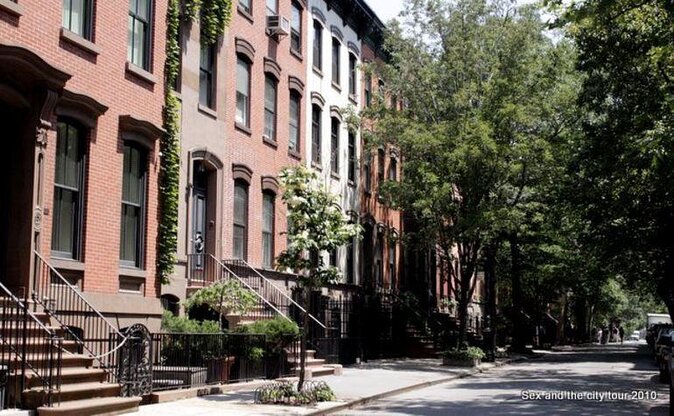
That range matters. Greenwich Village is not just a collection of pretty streets and expensive restaurants. Its identity was shaped by immigrants, workers, musicians, comedians, activists, students, and people who challenged the social rules of their time. Food becomes a useful way into those stories because the stops are local, informal, and tied to the everyday life of the neighborhood.
The tone also appears intentionally relaxed. There are no headsets, matching shirts, or large signs announcing a tour. With eight people or fewer, you can ask questions without shouting over a crowd, and your guide can adjust the pace if one stop catches the group’s interest.
Guides such as Morgan have been praised for making the walk feel conversational rather than stiff. David and Dan are also associated with the experience. The important point is that the guide’s personality will shape your night, so expect a lively local host more than a scripted lecturer.
More Greenwich Village walks:
- NYC: Greenwich Village Food Tour with 6 Locals Favorites Dishes
★ 5.0 · 1,812 reviews - Greenwich Village Walking and Food Tasting Tour
★ 5.0 · 1,572 reviews - Artistic, Alternative Greenwich Village Walking Tour
★ 5.0 · 971 reviews
Starting at Astor Place
The meeting point is Astor Place at 6 p.m. This is a practical starting point because it sits at the edge of several Village neighborhoods and is easy to reach by public transportation.
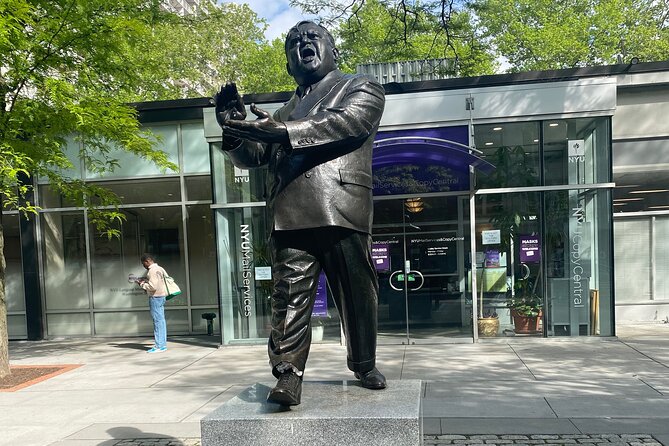
The opening discussion connects the area to the Lenape, who gathered here for hundreds of years before European arrival. That brief stop helps place the modern streets in a much older setting. It is not a major sightseeing stop with an admission line, but it gives the evening a useful sense of place.
From here, you begin walking through a part of Manhattan where major cultural shifts often happened in ordinary-looking buildings. Keep your eyes up and pay attention to side streets. The appeal is less about checking off monuments and more about learning why these blocks matter.
McSorley’s, beer, cheese, and old New York
McSorley’s Old Ale House is one of the most atmospheric stops. It has operated continuously since 1854 and is famous for its old interior, with artifacts and curios still covering the walls. The tour includes a beer and cheese plate here, making this both a food stop and a chance to experience an old New York institution.
The setting may be more memorable than the snack itself. Abraham Lincoln is said to have visited, and the bar’s long history gives your guide plenty to discuss. This is a good example of what the tour does well: it places food inside a real neighborhood story.
The practical catch is that an old ale house is not a quiet museum. It is a working bar. If you want a calm, polished tasting room, this will feel rough around the edges. If you like places with age, character, and a little clutter, it should be a highlight.
St. Mark’s Place and the city in motion
A walk down St. Mark’s Place adds a change of pace. The street is lined with restaurants, shops, and constant pedestrian activity, and it has long carried a strong connection to youth culture and downtown life.
You may spend about 20 minutes walking and hearing how this part of the East Village developed. The tour does not treat the street as a single historic site. Instead, it uses the surroundings to show how New York’s food, nightlife, and street culture overlap.
This section can feel less focused than the major history stops, but that is part of the point. You are seeing a lived-in neighborhood rather than a preserved exhibit.
More New York City food tours:
- NYC Bus Tour of Brooklyn, Bronx, Queens: Art, Food & Sports
★ 5.0 · 3,805 reviews - NYC: Chinatown & Little Italy Food Tour with 7 Flavorful Tastings
★ 5.0 · 2,733 reviews - Original NYC Guided Food Tour of Chinatown and Little Italy
★ 5.0 · 2,194 reviews - New York City Mafia and Local Food Tour led by NYPD Guides
★ 5.0 · 1,197 reviews
Doughnuts and the Triangle Shirtwaist Factory Memorial
The Donut Pub offers a simple, cheerful food break. The business has served doughnuts around the clock since 1964, and the stop brings a touch of classic New York snack culture to the route.
The doughnut itself is a useful counterpoint to the heavier history nearby. Soon after, the walk reaches the Triangle Shirtwaist Factory Memorial, marking the site of the 1911 fire in which 146 garment workers died. The tragedy helped change labor practices in the United States.
This is a short stop, but do not expect it to be treated as a casual photo opportunity. The story is painful and important. The shift from doughnuts to labor history may feel abrupt, yet it reflects the Village’s character: pleasure and tragedy often exist within a few blocks of each other.
Washington Square Park and the Village’s public heart
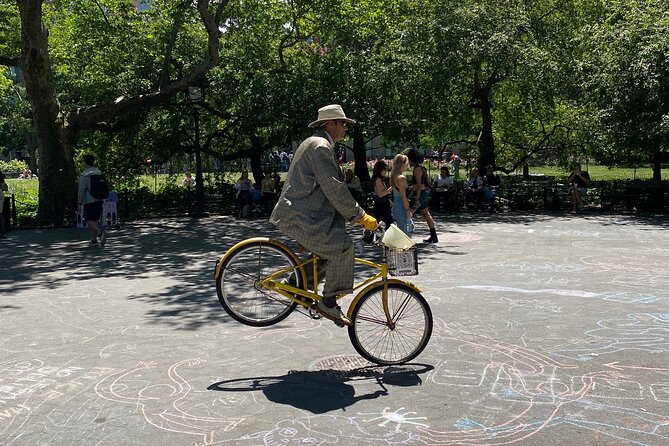
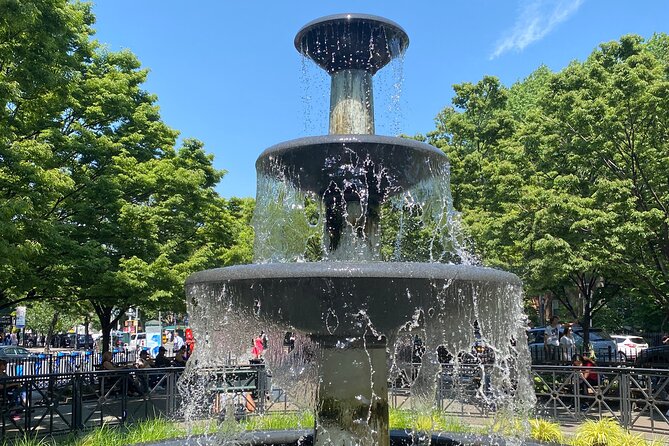
Washington Square Park is one of the best places to slow down. You may spend around 25 minutes here, learning about the park and spending time in a setting that has long been central to public life in New York.
The park works well on this tour because it gives your feet a break while widening the story beyond restaurants. Your guide may connect the park to the people, movements, and performances that helped define the Village. It is also a chance to watch the neighborhood rather than simply pass through it.
Do not expect a full historical lecture on every corner. The schedule covers a lot of ground, so the depth of each stop depends on the group and the guide. Still, this pause helps the evening feel more balanced.
MacDougal Street and New York’s creative streak
MacDougal Street brings stories of songs, comedy, and stand-up into the walk. It is one of the places where the Village’s artistic reputation becomes easier to understand. Depending on the evening’s choices, you might stop for food at Mamoun’s, Pommes Frites, or another nearby option.
This is where the tour’s flexible format matters. If your group wants more food, more history, or a slower look at the street, the guide can adjust the plan. You are not locked into every listed stop.
That flexibility is useful, but it also means you should not assume every sample stop will happen. The tour draws from a large group of options, and the final route reflects the guide, the group’s preferences, operating conditions, and the evening’s flow.
Mamoun’s Falafel and the taste of immigrant New York
Mamoun’s is a strong food stop because it carries a clear New York story. The first location opened in 1971, founded by a Syrian man named Mamoun. His sons now run the business, and the small shop continues to serve falafel to students, musicians, comedians, and people out late.
The food is casual and portable. That makes it easy to keep moving, and it fits the walk’s larger theme: New York food is often built on migration, adaptation, and family businesses.
If you prefer a seated meal with several courses, this is not that kind of experience. The reward is flavor, speed, and a direct link between a modest storefront and the city’s wider food culture.
Two Boots Pizza and a changing West Village
Two Boots Pizza provides a different take on the standard New York slice. The shop is colorful and friendly, and the pizza is described as more distinctive than a typical slice shop offering.
The space also has a story. It once housed a lesbian bar that refused to serve men, while the current business welcomes everyone. That detail lets your guide talk about changing social attitudes and the many communities that have shaped the Village.
The stop lasts around 20 minutes, so you should have time to eat and hear the background without turning it into a long restaurant visit. As with the other food stops, the setting is casual. You are eating as part of a moving neighborhood walk, not attending a private tasting.
Bleecker Street and Taco Mahal
Bleecker Street adds boutiques, bars, and the chance to see the West Village at its most social. The area is also known for attracting famous faces, though the pleasure here is simply walking through a street where many different parts of New York meet.
Taco Mahal is one of the most unusual possible food stops. It combines Latin and Indian influences, reflecting the owner’s Puerto Rican and Indian family background, with a largely Nepali staff. The food is colorful and inventive, and the stop shows how New York cuisine keeps changing without abandoning older traditions.
I especially like this kind of choice because it avoids presenting New York food as only pizza, bagels, and cheesecake. The familiar foods have their place, but a fusion restaurant can say just as much about the city today.
Marie’s Crisis and the final stretch
Marie’s Crisis Cafe is a small underground bar where a live piano player leads singalongs to show tunes. It is a fitting final stop for a neighborhood associated with theater, music, and performance.
You do not need to be a devoted Broadway fan to enjoy the atmosphere, but you should know that this is a participatory stop. The appeal comes from joining the room’s mood, not sitting quietly while someone performs for you.
The visit also gives the tour a social finish. After several hours of walking, eating, and listening, a communal song can feel like a natural closing note. If the group is tired or prefers a quieter ending, this may be less appealing than a simple dessert stop.
Janie’s cookies and Stonewall
Janie’s Life Changing Baked Goods offers a short dessert stop centered on pie-crust cookies. The business has a personal story about overcoming obstacles, and the small shop has a friendly feel.
This is likely a quick taste rather than a long visit. It works best as a final sweet bite, especially after savory stops such as falafel, pizza, or tacos.
The walk ends around Christopher Park and Stonewall National Monument. Your guide may stop at the monument, spend time in the park, or include a drink at the Stonewall Inn. The 1969 uprising here helped galvanize the modern gay rights movement, making this one of the most important cultural locations in the West Village.
Stonewall deserves attention, not just a passing photograph. The tour places it at the end so the final part of the evening carries a clear sense of the people and movements that shaped the neighborhood.
What $99 buys you
At $99 per person, this is not the cheapest way to find a slice or falafel sandwich. You can eat individual items elsewhere for far less. The value comes from having a licensed guide connect four or five food stops with stories, local recommendations, and a route through several parts of Greenwich Village.
The included food is meant to fill you up, and a bottle of water is included for comfort. Drinks beyond that are optional and paid for separately, which is useful if you want a beer at McSorley’s or another drink along the way.
I would compare the price with what you might spend on a casual dinner, a small-group walking tour, and several snacks during an evening in Manhattan. For a group that wants all three in one organized outing, the cost is reasonable. For someone focused only on eating the most food for the least money, it is not the best deal.
Who should book this evening walk
I would choose this tour if you want context with your food. It suits first-time visitors who want an introduction to the Village, but it also has enough less-obvious stops and stories to work for longtime New Yorkers. Several local participants joined expecting a tourist-style outing and found the route introduced them to places they had previously passed without noticing.
It is also a good choice for couples, friends, families with older children, and small work groups. Morgan’s style, in particular, is described as informal and interactive, with attention to the group’s comfort, interests, and pace.
You should be comfortable walking for about three hours and standing in casual food and bar settings. A moderate level of physical fitness is required. Service animals are allowed, and the route is near public transportation.
The tour starts at 6 p.m. at Astor Place and usually ends near Christopher Park, where you will find bars and a convenient subway connection. The exact end point can vary, so do not plan a tightly timed reservation immediately afterward.
Free cancellation is available up to 24 hours before the start time. Poor weather or failure to reach the minimum number of participants can lead to a rescheduled experience or a full refund.
Should you book Village Nights?
Book it if you want Greenwich Village explained through food, local stories, and a relaxed small-group format. The strongest parts are the guide-led history, the unusual food mix, and the chance to move from McSorley’s and Washington Square Park to Mamoun’s, Taco Mahal, Marie’s Crisis, and Stonewall in one evening.
Skip it if you want a fixed menu, long seated meals, or a tightly predictable route. The plan changes, some stops may be swapped, and the evening works best when you are open to your guide’s choices.
For most people, the combination of four or five tastings, a licensed guide, and a maximum of eight people makes $99 a fair price. It is a good introduction to the Village, and an especially good option if you think you already know New York food.
FAQ
How long does Village Nights last?
The experience lasts approximately three hours.
What time does the tour start?
The tour starts at 6 p.m.
Where does the tour begin?
The meeting point is Astor Place, New York, NY 10003.
Where does the tour end?
The stated end point is Christopher Park at 38 to 64 Christopher Street. The exact end point can vary, but it is usually near bars and a subway stop.
How many people can join?
The group is capped at eight participants.
Is food included?
Yes. Delicious food from four or five quality food spots is included, and the tour is intended to leave you full.
Are drinks included?
A bottle of water is included. Other drinks are available during the tour at your own expense.
Is the route fixed?
No. The listed route is a sample, and the guide takes input from the group before choosing from a broad range of food and sightseeing options.
Is the tour offered in English?
Yes. The tour is offered in English.
Can I cancel for a full refund?
Yes. You can cancel at least 24 hours before the start time for a full refund. Changes or cancellations made less than 24 hours before the start time are not accepted for a refund. If poor weather or an insufficient number of participants causes the tour to be canceled, you will be offered another date or experience, or a full refund.
More New York City walking tours
- SoHo, Little Italy, and Chinatown Walking Tour in New York
★ 5.0 · 3,153 reviews - Secrets of Grand Central Station Walking Tour New York City
★ 5.0 · 1,796 reviews - True Crime NYC: Mafia Walk w/Ret. NYPD Detective and Local Food
★ 5.0 · 848 reviews - Central Park Guided Walking Tour
★ 5.0 · 774 reviews
More New York City history walks
- New York City: American Museum of Natural History Ticket
★ 4.5 · 15,447 reviews - NYC: Starship Landmark 90 Minute Sightseeing Cruise
★ 4.6 · 3,666 reviews - Starship Landmark 90 Minute Sightseeing Cruise
★ 4.5 · 2,073 reviews - American Museum of Natural History Admission Ticket
★ 4.0 · 1,931 reviews
Just listed around New York City
- NYC: Little Shop of Horrors Off-Broadway Ticket5 reviews
- Private NYC Airport Transfer: LGA to Manhattan – Up to 5★ 3.6 · 5 reviews
- New York City Tour in German★ 4.5 · 5 reviews
- New York: Hamilton and Washington Revolutionary Walking Tour★ 5.0 · 5 reviews
- NYC Freedom Tower Private Photo or Video Experience★ 4.0 · 6 reviews
- New York Afternoon Fall Foliage Cruise with Lunch★ 5.0 · 6 reviews
- Brooklyn Walking Tours by Locals: Private & 100% Personalized★ 4.0 · 6 reviews
- Southold Bay Oyster Farm Tour★ 5.0 · 6 reviews
Greenwich Village Tours, compared.

Greenwich Village Food Tour with 6 Locals Favorites Dishes
Read our review →
Greenwich Village Walking and Food Tasting Tour
Read our review →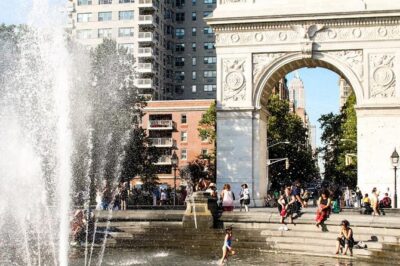
Artistic, Alternative Greenwich Village Walking Tour
Read our review →
NYC Greenwich Village Italian Food Guided Walking Tour
Read our review →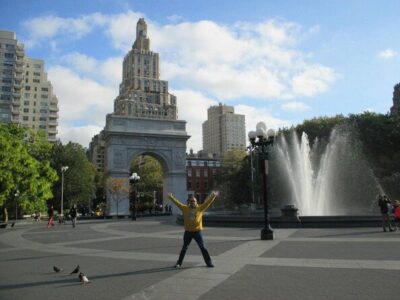

High Line Park and Greenwich Village Food Tour
Read our review →
Browse the lists this tour appears in