
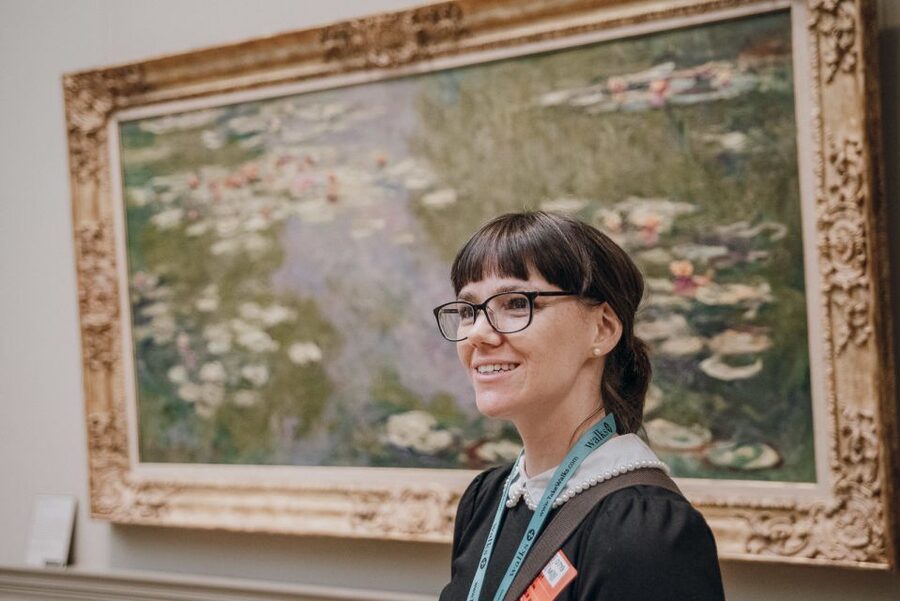
Reviewed · METROPOLITAN MUSEUM & ART TOURS
NYC: Express Highlights Tour of the MET Museum
The most useful thing about this two-hour Met tour is its clear mission: get you to the museum’s major works without leaving you stranded in a maze of galleries. You’ll move from Egyptian tombs and the Temple of Dendur to Greek sculpture and European paintings, with an expert guide explaining what matters and why.
I like the small group size, capped at 15, and the way guides such as Ryan, Katie, Charlie, Jett, and Kevin bring their own personality to the art. I also like the priority access, which gives you more time inside and less time waiting. The tradeoff is simple: two hours can only provide an introduction to a museum this large, so you’ll need extra time afterward if you want the American, Asian, musical-instrument, or other collections.
In This Review
- Key points to know before you book
- Why two hours makes sense at the Met
- Entering the Met with less waiting
- The Egyptian galleries and the Temple of Dendur
- Greek sculpture and the art of looking
- Van Gogh, Monet, Rodin, and the European masters
- Storytelling makes the short stops count
- What the fast pace feels like
- Is $69 a fair price?
- Who should book this Met tour?
- Practical tips for a better visit
- Should you book the Express Highlights Tour?
- FAQ
- How long is the NYC Express Highlights Tour of the Met?
- How much does the tour cost?
- What does the ticket include?
- Is priority access included?
- What language is the tour conducted in?
- Is the tour private or shared?
- Where does the tour begin and end?
- Is the tour wheelchair accessible?
- What happens if a gallery or artwork is closed?
Key points to know before you book
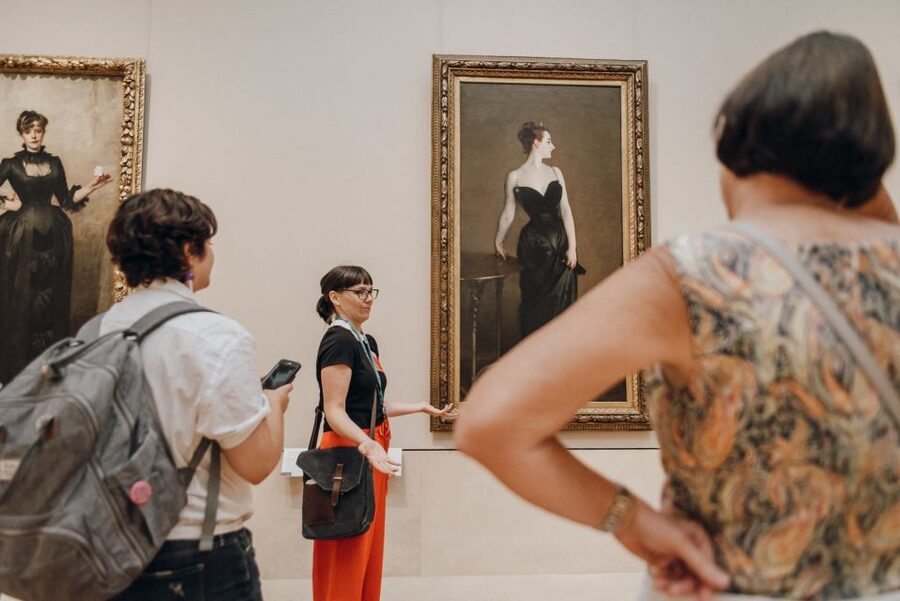
- The Temple of Dendur is a major stop: This ancient Egyptian temple, displayed inside the Met, gives the tour an immediate sense of scale and drama.
- You see famous names without wandering: Van Gogh, Monet, Rodin, and other major artists are included among the planned highlights.
- Guides shape the experience: Ryan, Katie, Charlie, Jett, Kevin, and others are praised for clear explanations, humor, and personal attention.
- The pace is brisk but manageable: You walk at a moderate pace and cover a lot of ground in two hours.
- You can book shared or private: The shared option keeps the price at $69 per person, while a private format offers a more personal setting.
- Plan to stay longer if you can: The tour gives you a starting map, not a complete visit to the Met.
Why two hours makes sense at the Met

The Metropolitan Museum of Art is not the kind of place you casually cover from one end to the other. Its collection spans about 5,000 years, and the building can make first-time visitors feel as if every corridor leads to another major department.
That is where this tour earns its keep. Instead of spending your first hour studying a floor plan, you follow a guide who picks the route and explains the stops along the way. I find that especially useful at a museum where famous works are mixed among thousands of less familiar objects.
The pace is fast enough to keep the visit focused, but the guide is not simply marching you past paintings. The aim is to explain how to look. You may hear about an artist’s working method, the meaning of an object, or the dispute and folklore connected to a piece.
The tour is in English, and you should be comfortable walking at a moderate pace. It is not a sit-down lecture. You will pause in galleries, listen, look closely, and then move on to the next section.
More Met and art museum visits:
- NYC: Museum of Modern Art (MoMA) Entry Ticket
★ 4.6 · 12,540 reviews - NYC: Guggenheim Museum Entry Ticket
★ 4.4 · 2,201 reviews - Metropolitan Museum Guided Group Tour
★ 5.0 · 1,013 reviews
Entering the Met with less waiting
A pre-arranged museum ticket with the required donation included is part of the experience. Priority access means you do not have to spend as much of your limited New York time waiting in the ticket line.
That does not mean the entrance process disappears. You still need to meet the guide at the designated location, and the meeting point can vary with the option you book. Check your booking details carefully before heading to the museum.
The tour starts and ends at the Metropolitan Museum of Art. There is no hotel pickup or drop-off, and food and drinks are not included. That is not a problem for most people, but you should allow time to arrive on the Upper East Side before the stated start time.
If you use a wheelchair, the museum has a ground-level entrance to the left of the main entrance when you face the building. Tell museum staff that you are meeting a tour group in the main lobby. The activity is listed as wheelchair accessible, but the moderate walking pace and two-hour format still matter when deciding if it suits you.
The Egyptian galleries and the Temple of Dendur
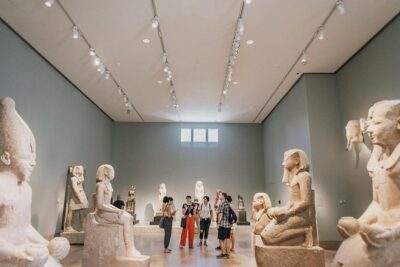
The Egyptian section is one of the strongest reasons to choose this tour. Ancient tombs, mummies, sculptures, and architectural pieces can be hard to understand when you encounter them without context. A guide helps connect the objects to their purpose, age, and place in Egyptian life.
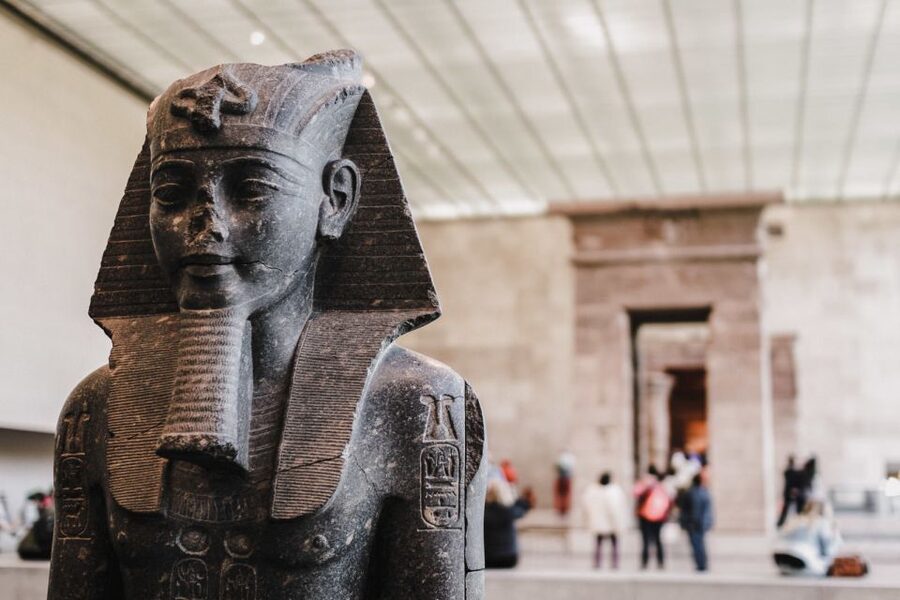
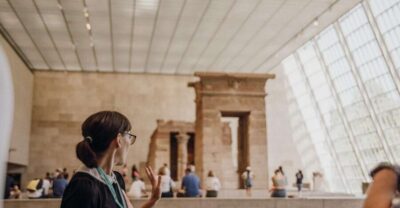
The Temple of Dendur is the visual centerpiece. It is not merely a small artifact behind glass. You see an entire ancient temple presented in a large gallery, where the scale and setting make it easier to grasp how remarkable the relocation was.
A good guide can also address the question many visitors have: why is an Egyptian temple in New York at all? That question opens the door to the politics and practical choices behind the museum’s Egyptian collection. The explanation adds meaning to the room instead of leaving you with a grand object and a short label.
This stop can be especially effective for families. The temple is easy to appreciate at a glance, while the stories about its movement and survival give children and adults something specific to remember.
Greek sculpture and the art of looking
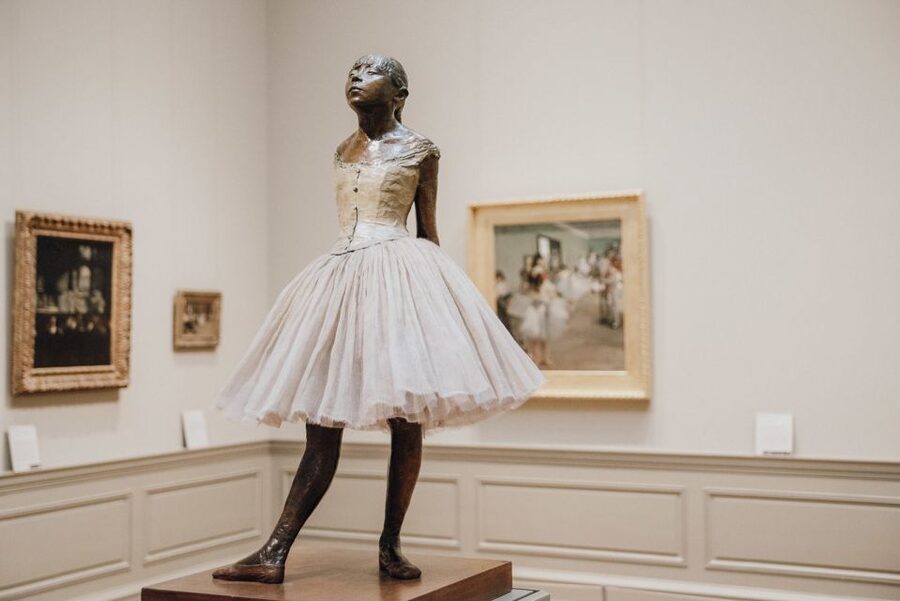
The Greek galleries provide a change of mood after the Egyptian rooms. Here, your attention shifts toward the human figure, proportion, pose, material, and the ways later artists borrowed from ancient models.
The guide’s role is important because sculpture can seem self-explanatory at first. You see the object, admire the craftsmanship, and move on. With a good explanation, you begin to notice how a stance, missing feature, surface treatment, or change in expression affects the entire work.
The tour does not promise a full survey of Greek art. Instead, you’ll stop at selected pieces that help explain the collection. This is useful if you are new to art museums, and it can still work for repeat visitors who want a fresh way to approach familiar galleries.
Because the group is limited to 15 people, it should be easier to hear the guide and ask a question than it would be in a large crowd. Still, the museum can be busy, and there are no personal audio headsets listed. One person specifically noted that headsets would have helped, even though the guide remained audible. If hearing a guide in a busy gallery is a concern, a private tour may be worth considering.
More New York City museums to visit:
- NYC: 9/11 Memorial & Museum Timed-Entry Ticket
★ 4.8 · 31,428 reviews - NYC: Empire State Building Tickets – Observatory & Museum
★ 4.7 · 25,757 reviews - New York City: American Museum of Natural History Ticket
★ 4.5 · 15,447 reviews - 9/11 Memorial, Ground Zero Tour with Optional 9/11 Museum Ticket
★ 5.0 · 6,381 reviews
Van Gogh, Monet, Rodin, and the European masters
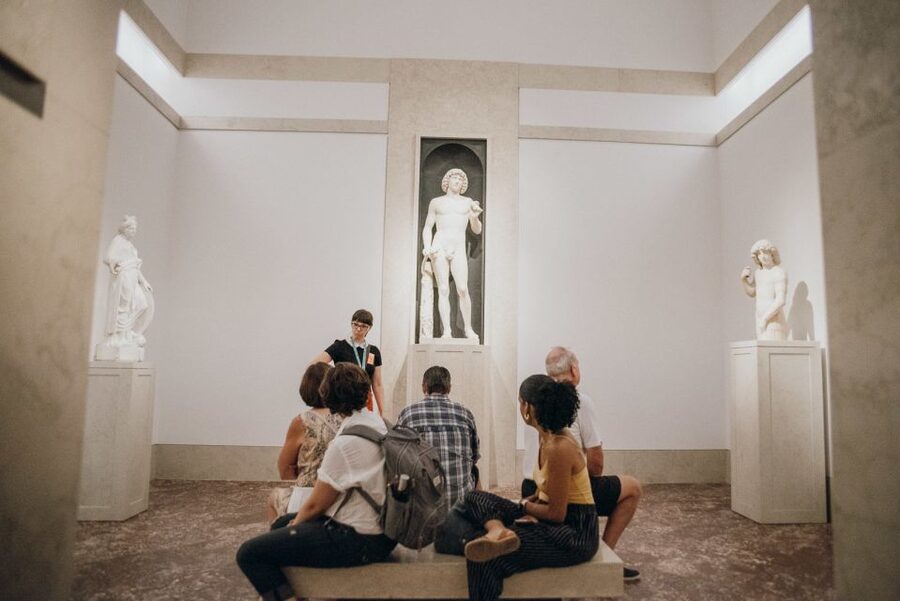
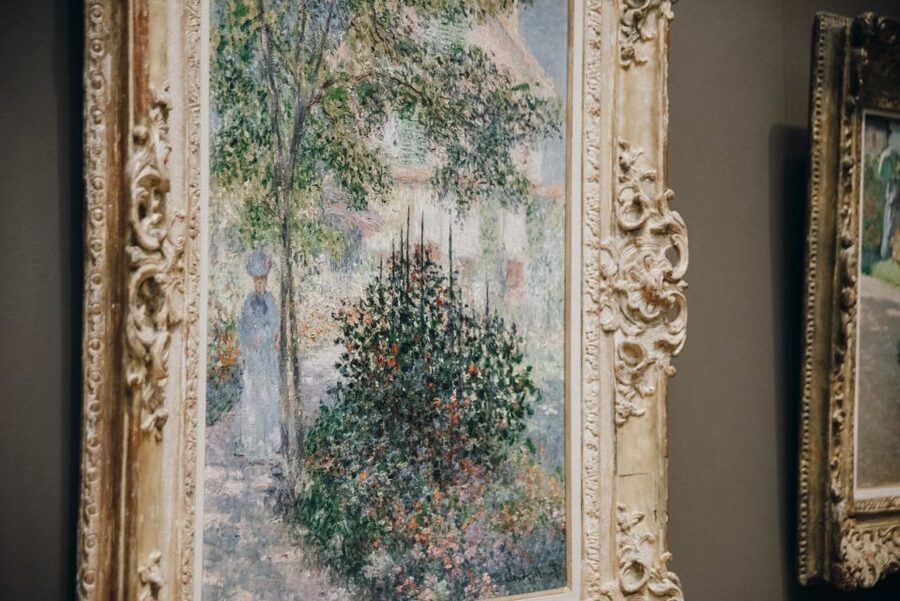
The European painting section supplies the familiar names many people hope to see: Van Gogh and Monet, along with other major artists. The value here is not just checking famous works off a list. You get a short lesson in what to notice before you look at the painting yourself.
For Van Gogh, the guide may discuss brushwork and how the surface of the painting affects your sense of movement and emotion. The tour description also points to what brushstrokes can suggest about an artist’s state of mind. That makes the stop more active than a quick biography followed by a photograph.
Monet offers another useful comparison. His paintings invite questions about light, color, atmosphere, and the act of seeing. A guide can help you slow down for those details even during a fast museum visit.
Rodin gives the route a sculptural counterpoint. His work lets you think about gesture, texture, and the unfinished or dramatic quality of a figure. These stops work well together because you are not looking at one period or one medium for the entire morning.
Do not expect to study every major European gallery. The tour focuses on well-known works and selected surprises. Its success depends on your willingness to look closely for a few minutes rather than trying to see everything.
Storytelling makes the short stops count
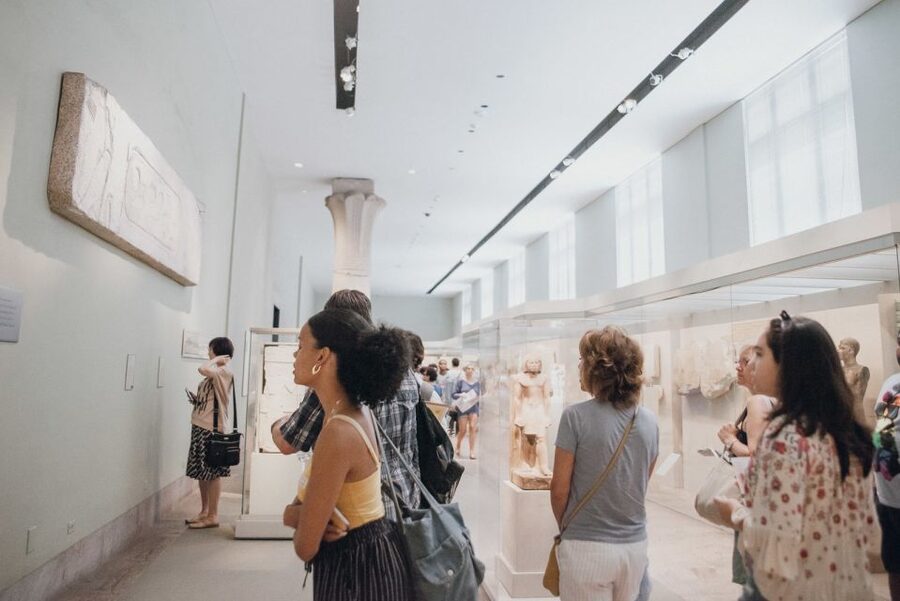
The strongest feature of this experience is the guide. The best guides do more than recite dates. They connect an artwork to a person, a decision, a technique, a legend, or a question that you can carry into the next room.
Charlie is repeatedly praised for a clear voice, energy, kindness, and the ability to make the art personal. One family appreciated that he took photographs for people in the group and helped them find a restaurant afterward. Those gestures are not the main reason to book, but they show the practical value of a guide who pays attention.
Katie is described as funny, thoughtful, and especially good at getting people to think instead of memorizing facts. She has also adjusted the route for personal interests. When a visitor mentioned a daughter who played music, Katie made a short detour to see the oldest surviving piano in the world.
Ryan is another guide who receives strong praise for balancing facts and humor. He has been noted for making sure each person in the group was included and for pointing out what to see after the tour. Jett is praised for keeping children engaged, while Kevin is valued for his art-history background and passion.
Of course, you cannot choose the guide with certainty unless the booking option specifically allows it. That is worth remembering. The experience appears to rely heavily on the individual leading it, and the quality of the tour may vary with personality and presentation style.
What the fast pace feels like
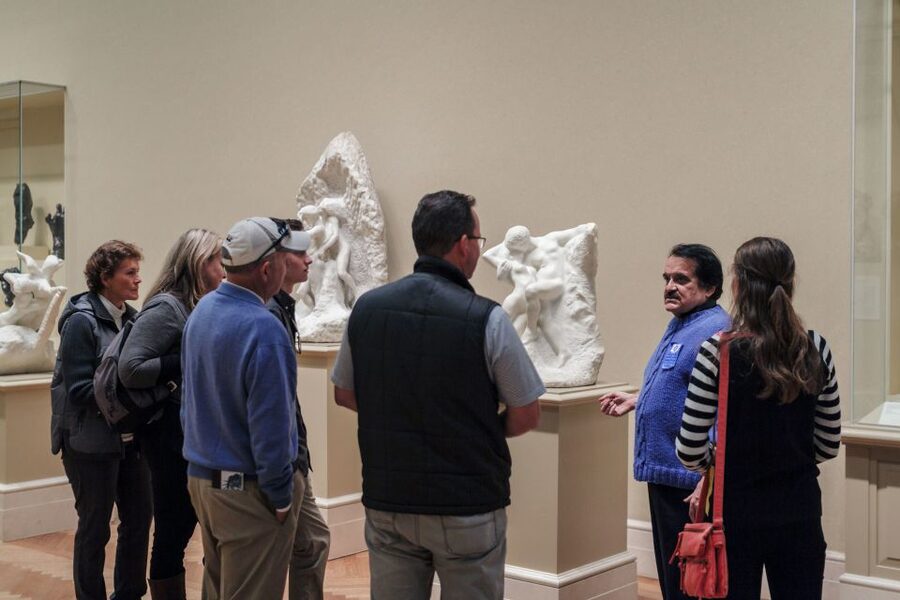
Two hours sounds generous until you remember the size of the Met. You will cover multiple departments, stop at major pieces, listen to explanations, and make your way through a large public building.
I would describe the pace as brisk rather than frantic. Several people found the two hours flew by, and some wished they had booked a longer tour. That is a good sign if you want an efficient introduction, but it also confirms that this is not a slow art seminar.
Wear comfortable shoes and arrive ready to walk. The guide may pause for questions, but the group must keep moving to fit several parts of the museum into the schedule. If you need frequent rest breaks or prefer to spend 20 minutes with one painting, this format may feel too compressed.
The upside is that you leave with a useful plan. Your guide can point out sections to revisit, such as the Japanese galleries or musical-instrument collection. Several guides have helped people find their way after the formal tour, which is valuable in a building where orientation takes time.
Is $69 a fair price?
At $69 per person, this is not the cheapest way to enter the Met. The price includes the pre-arranged admission, the museum donation, and a two-hour shared walking tour. The real question is how much you value direction and interpretation.
If you are visiting the Met for the first time, I think the price can make sense. You avoid the initial ticket-line wait, see the signature works, and gain a route through a collection that can otherwise feel overwhelming. You also get explanations that a wall label cannot provide.
The value is less clear if you already know the museum well or plan to spend a full day there independently. In that case, you may prefer to enter on your own and use your time for departments that match your interests.
The private option changes the calculation. It gives you a more personal setting, which may help if your group has particular interests or needs a slower conversation. The shared group is the better deal for most visitors, especially if you want a lively introduction without paying for a private guide.
The flexible booking terms also help. You can reserve now and pay later, and cancellation is allowed up to 24 hours before the tour for a full refund. Those terms are practical for a New York schedule that may change.
Who should book this Met tour?
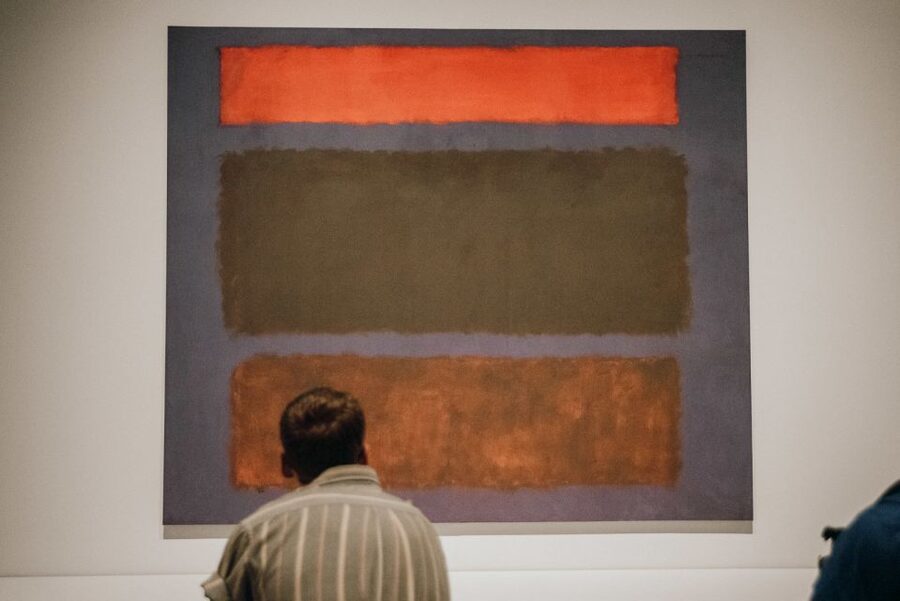
I would recommend it most strongly to first-time visitors, families with older children or teens, and anyone who wants the major works without planning a museum strategy in advance.
It also suits repeat visitors who want a fresh interpretation. One person took a Met tour for the third time in five years and still learned something new. That is possible because the experience depends not only on the objects but also on the guide’s way of explaining them.
The tour can work for older adults, provided you are comfortable walking at a moderate pace. A clear, strong-speaking guide matters in a museum, and several guides have been praised for making explanations easy to hear and follow.
I would hesitate if you want to focus on one department, avoid English-language tours, or spend long stretches in quiet contemplation. The tour is designed around the Met’s headline works and a broad route, not a specialist study.
Practical tips for a better visit
Arrive with a short list of what you want to see beyond the standard highlights. Tell the guide early if you have a strong interest in music, Asian art, a particular artist, or another department. The guides have shown a willingness to make small adjustments when time allows.
Plan lunch or a break after the tour rather than trying to fit it into the two-hour route. The museum is large, and you may want to continue exploring once the guide leaves you.
If you have already visited the Met, use the tour as a compass. Pay attention to the route and ask where you should return afterward. You can then spend the rest of your visit in the rooms that received only a quick introduction.
Finally, keep your expectations in proportion. You will not see the whole museum. You will see a thoughtful selection that includes the Egyptian temple, ancient objects, Greek sculpture, European painting, and major artists, then leave with a much better idea of what deserves your own time.
Should you book the Express Highlights Tour?
Book it if you want the Met to feel manageable, personal, and purposeful from the moment you enter. The $69 price is reasonable when you value priority access, a small group, and a guide who can turn famous objects into memorable stories.
Skip it if you already have a detailed museum plan or want an unhurried visit to a narrow collection. For most first visits, though, this is a smart way to get oriented. Give yourself extra time afterward, and the two-hour tour becomes a useful beginning rather than the entire Met experience.
FAQ
How long is the NYC Express Highlights Tour of the Met?
The tour lasts two hours, including the guided walk through the Metropolitan Museum of Art.
How much does the tour cost?
The listed price is $69 per person.
What does the ticket include?
The experience includes a pre-arranged Metropolitan Museum ticket with the required donation included, plus a guide and a shared or private walking tour, depending on the option selected.
Is priority access included?
Yes. The activity includes skip-the-ticket-line access.
What language is the tour conducted in?
The live tour guide speaks English, and English is the listed tour language.
Is the tour private or shared?
You can choose between a shared small-group tour and a private option, depending on availability and the option you book. Shared groups are limited to 15 people.
Where does the tour begin and end?
The tour begins and ends at the Metropolitan Museum of Art. The exact meeting point may vary depending on the booking option.
Is the tour wheelchair accessible?
Yes, the activity is listed as wheelchair accessible. Visitors who need wheelchair access should use the ground-level entrance to the left of the main entrance when facing the building and tell museum staff they are meeting a tour group in the main lobby.
What happens if a gallery or artwork is closed?
Galleries and artworks can be closed or absent without notice. If that happens, the guide may change the route and visit other parts of the museum.
Just listed around New York City
- NYC: Little Shop of Horrors Off-Broadway Ticket5 reviews
- Private NYC Airport Transfer: LGA to Manhattan – Up to 5★ 3.6 · 5 reviews
- New York City Tour in German★ 4.5 · 5 reviews
- New York: Hamilton and Washington Revolutionary Walking Tour★ 5.0 · 5 reviews
- NYC Freedom Tower Private Photo or Video Experience★ 4.0 · 6 reviews
- New York Afternoon Fall Foliage Cruise with Lunch★ 5.0 · 6 reviews
- Brooklyn Walking Tours by Locals: Private & 100% Personalized★ 4.0 · 6 reviews
- Southold Bay Oyster Farm Tour★ 5.0 · 6 reviews
Metropolitan Museum & Art Tours, compared.


“The Met” Metropolitan Museum of Art Exclusive Guided Tour
Read our review →

Browse the lists this tour appears in