
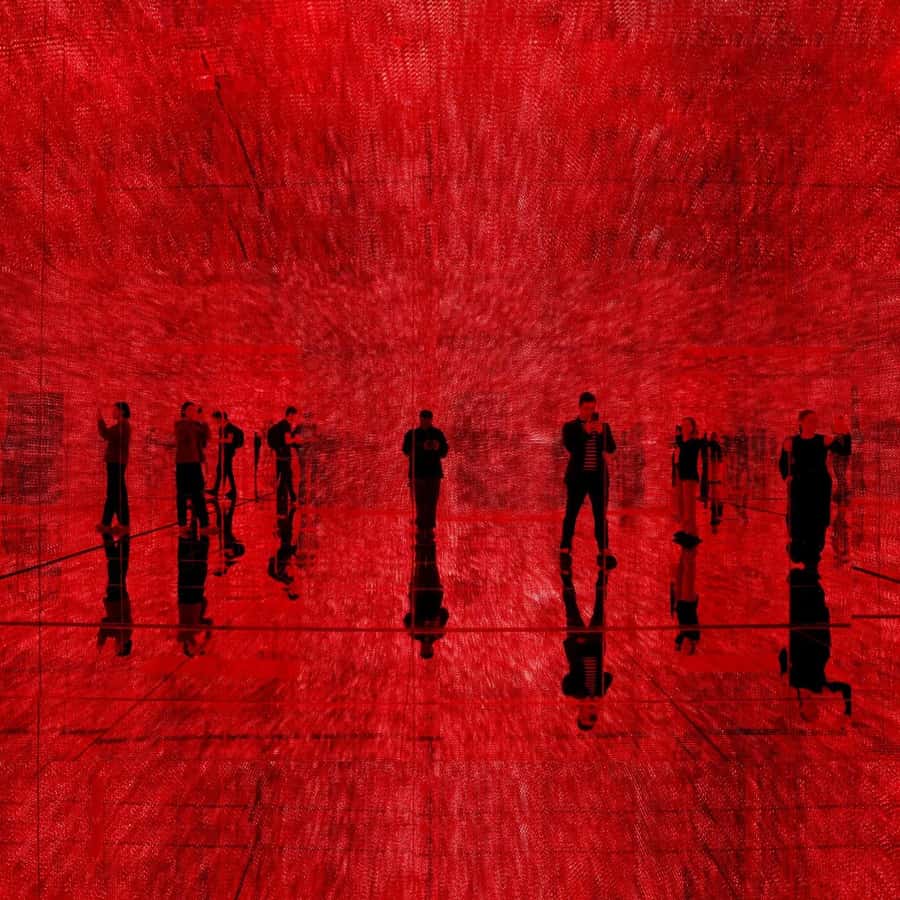
Reviewed · MUSEUMS
NYC: Mercer Labs Museum of Art and Technology
Mercer Labs turns art into something you hear, touch, and feel, not simply something you look at. Its 15 rooms use light, sound, video, drawing, mirrors, and motion to create a fast-moving tour through modern technology. The 507,000-LED infinity room and the world’s most unique 4D Sound gallery are the big draws, but the variety between rooms is what keeps the visit moving.
I like the way the experience works for both adults and children, and I like that you can take part rather than stand behind a rope. Drawing an animal and watching it appear in a 3D video gives the visit a playful edge. The main drawbacks are the $56 price and occasional crowding, especially when children fill the smaller sensory rooms. The artwork can also feel under-explained if you want more background.
In This Review
- Key points
- Mercer Labs turns lower Manhattan into a sensory playground
- The 4D Sound gallery gives your ears the main role
- The animal drawing room makes the visit personal
- Roy Nachum connects technology with design
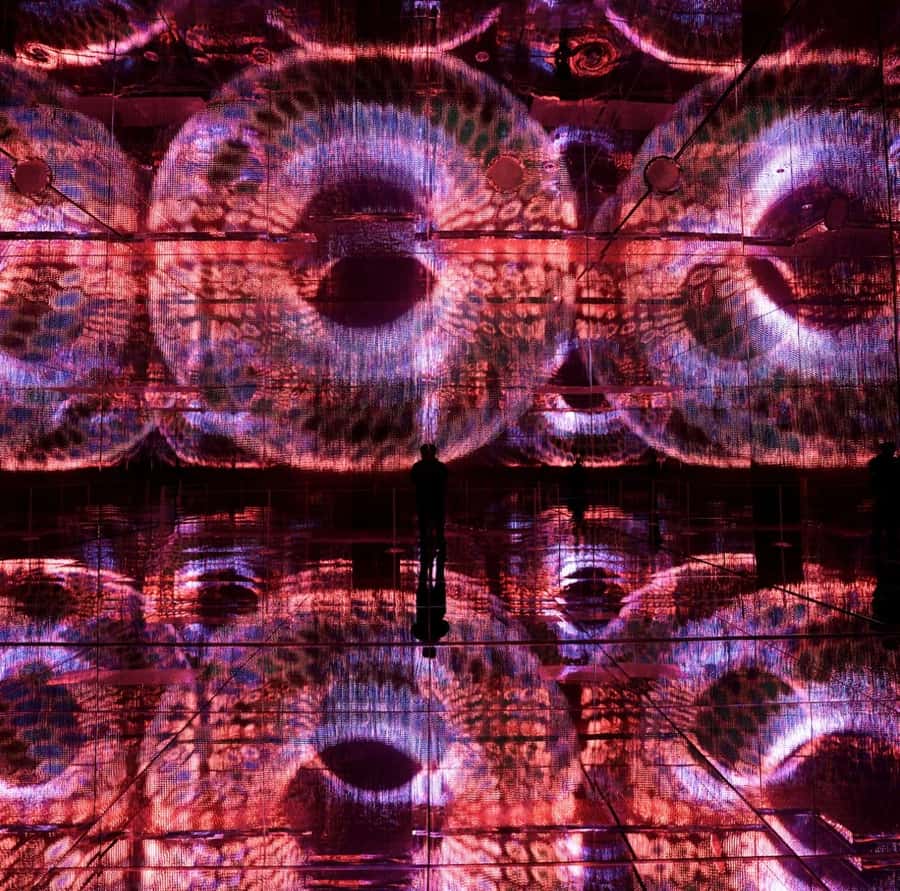
- The 507,000-LED infinity room is the visual centerpiece
- Fifteen rooms keep the 60 to 75 minutes moving
- What the $56 ticket really buys you
- When to visit and how to prepare
- Who will enjoy Mercer Labs most
- Should you book Mercer Labs?
- FAQ
- Where is Mercer Labs located?
- What is the closest subway station?
- How long does the Mercer Labs visit last?
- What is included in the ticket?
- Is food included?
- Is Mercer Labs wheelchair accessible?
- Are strollers allowed?
- Is there a coat check?
- Do students need identification?
- When is the latest entry?
Key points
- Fifteen interactive rooms: A multi-level route takes you through sound, video, light, drawing, mirrors, and sensory installations.
- 507,000-LED infinity room: A huge mirrored display creates the most striking visual stop in the museum.
- 4D Sound gallery: Omni-directional audio makes sound feel like part of the room, not just a soundtrack.
- Make your own animal: Draw a creature and watch it appear in an interactive 3D video.
- Roy Nachum’s work: See pieces by the artist and designer known for Rihanna’s Anti album.
- Plan for 60 to 75 minutes: The visit is compact, making it easy to fit into a day in lower Manhattan.
Mercer Labs turns lower Manhattan into a sensory playground
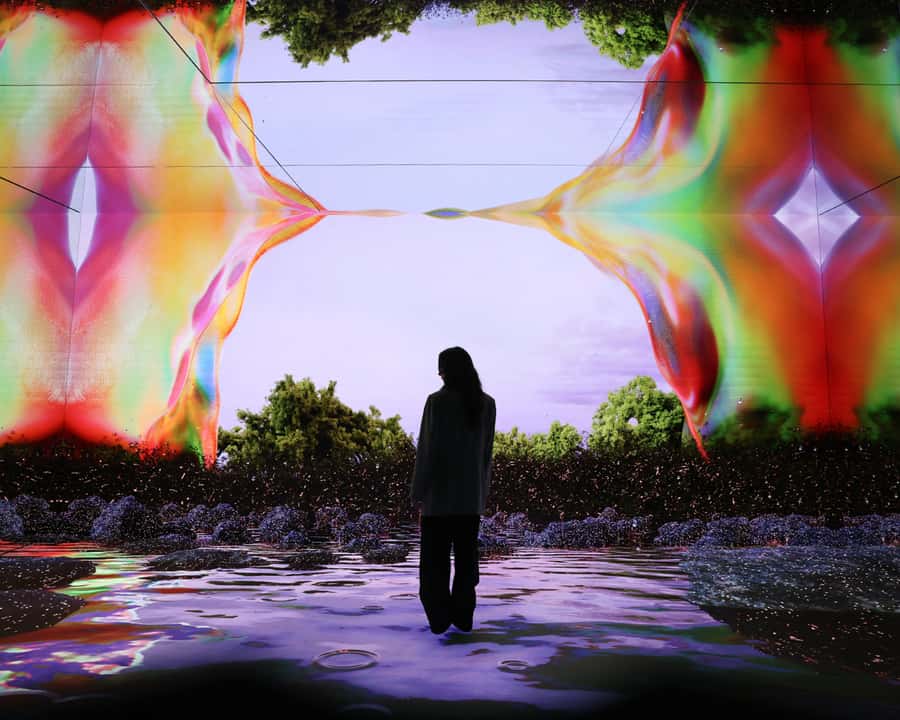
Mercer Labs, Museum of Art and Technology, sits in downtown New York at the corner of Church Street and Dey Street. The closest subway stop is Cortlandt Street Station, so reaching the entrance is fairly simple if you are already visiting the Financial District or the 9/11 Memorial area.
Inside, the museum spreads across several levels and 15 fully interactive rooms. The order of the rooms matters less than the change in mood from one space to the next. You might move from a loud, physical sound installation to a quiet video piece, then into a room where light and reflections take over.
I would not treat this as a traditional art museum. There are no long galleries filled with paintings and wall labels. Instead, Mercer Labs asks you to become part of the work. You look around, listen closely, move through changing light, and in at least one room create something yourself.
That makes the experience easy to share with children, but it also gives adults a reason to pay attention. The strongest moments are not only pretty images. They come when the technology changes how you understand space, sound, or your own movement.
More New York City museums to visit:
- NYC: 9/11 Memorial & Museum Timed-Entry Ticket
★ 4.8 · 31,428 reviews - NYC: Empire State Building Tickets – Observatory & Museum
★ 4.7 · 25,757 reviews - New York City: American Museum of Natural History Ticket
★ 4.5 · 15,447 reviews
The 4D Sound gallery gives your ears the main role
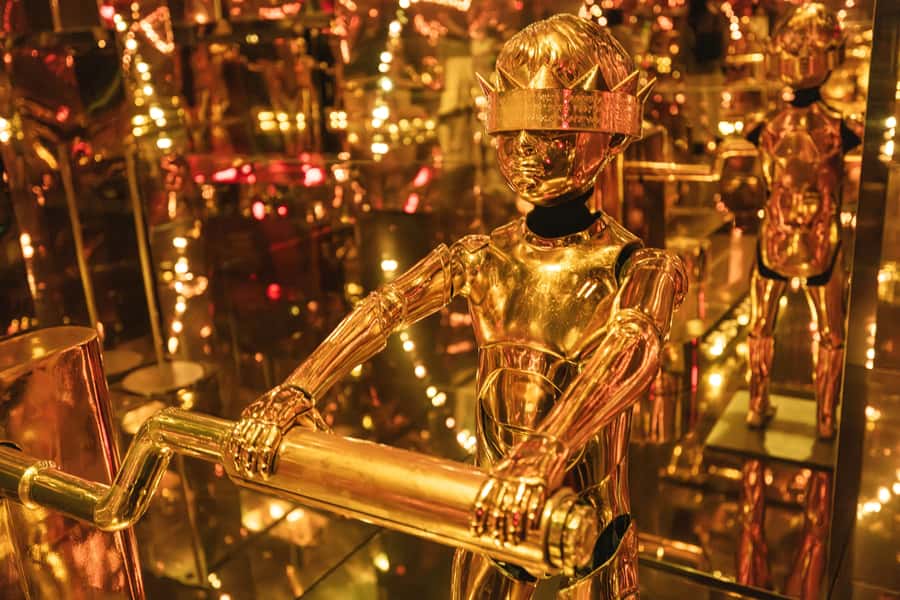
The 4D Sound gallery is one of Mercer Labs’ most distinctive features. Its omni-directional audio is designed to come from around you, rather than from a single obvious speaker. That changes the visit from watching a video with music into listening to a room that seems to have its own physical presence.
I would give this room a little time before rushing on. Listen for changes in direction and volume. The value is in noticing how your ears place sound in space, especially when there is no clear visual source for it.
This room may not suit everyone equally. The sensory effect can be powerful, and a noisy crowd can break the spell. One family-oriented visit also found that loud children made the vibration room and an artist video harder to enjoy. If you want the calmest possible experience, an especially busy period may work against you.
Still, the 4D Sound gallery is more than a short novelty. It helps explain Mercer Labs’ larger idea: technology can make an artwork physical without requiring you to touch a sculpture.
The animal drawing room makes the visit personal
One of the most approachable stops lets you draw your own animal. The drawing is then turned into an interactive 3D video, so your creation appears to come alive on screen.
This is a clever change of pace. Many digital art exhibits ask you to take a photo and move along. Here, you contribute a small piece of the content. Children get an obvious thrill from seeing their drawing transformed, while adults can enjoy the odd charm of watching a simple sketch enter a larger digital world.
The activity also helps explain why Mercer Labs works well for mixed-age groups. A 10-year-old and a 7-year-old can enjoy the creative part without needing a lecture about contemporary art. Adults still have plenty to see in the presentation, lighting, and technology behind it.
The tradeoff is time. If several families are using the room, you may need patience. The museum is made of many short encounters, and some rooms will feel less private when the building is busy.
Roy Nachum connects technology with design
Mercer Labs features work by Roy Nachum, known for designing the cover art for Rihanna’s Anti album. That detail gives the museum a useful bridge between high-tech display and familiar popular culture.
Nachum’s work is not simply placed in a conventional gallery setting. It appears within an environment built around sound, projection, and changing viewpoints. You can therefore consider the artwork on its own, then think about how it behaves when technology alters its scale or setting.
A video in one of the rooms explains the artist’s paintings. I like having that kind of context, because it gives you a way into work that might otherwise seem purely visual. Still, the experience does not provide extensive information in every room. If you want detailed explanations of the artist’s methods or the technical process behind each installation, you may find the museum light on text.
That is an important point when deciding if the ticket suits you. Mercer Labs is strongest when you want to feel an artwork and react to it. It is less satisfying if your ideal museum visit involves careful reading, dates, and a long art-historical argument.
Another side of New York City for the same day:
- NYC: SUMMIT One Vanderbilt Tickets
★ 4.7 · 51,195 reviews - New York City: Statue of Liberty & Ellis Island with Ferry
★ 4.6 · 18,683 reviews - Statue of Liberty and Ellis Island Tour: All Options
★ 5.0 · 13,571 reviews - New York in One Day Guided Sightseeing Tour
★ 5.0 · 13,166 reviews
The 507,000-LED infinity room is the visual centerpiece
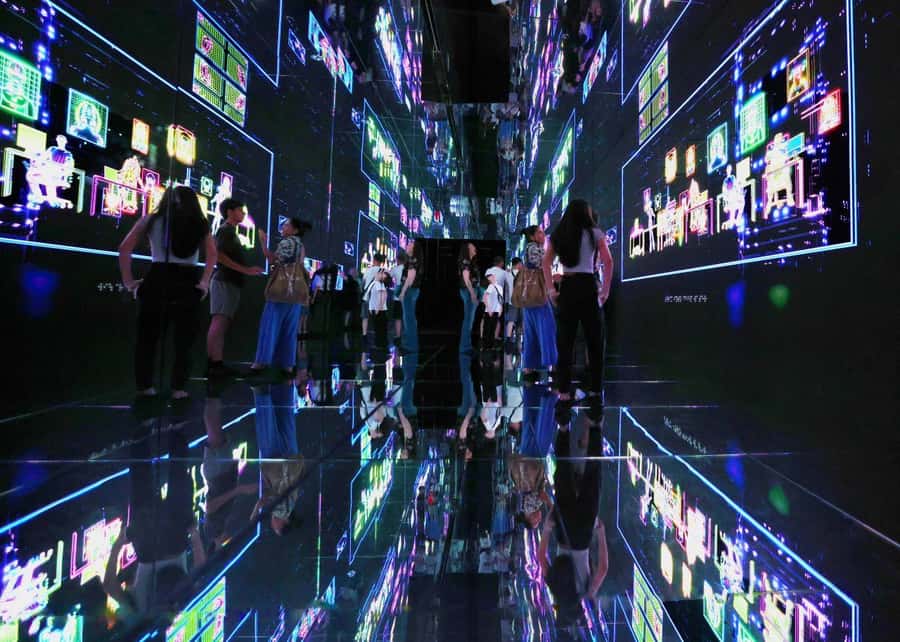
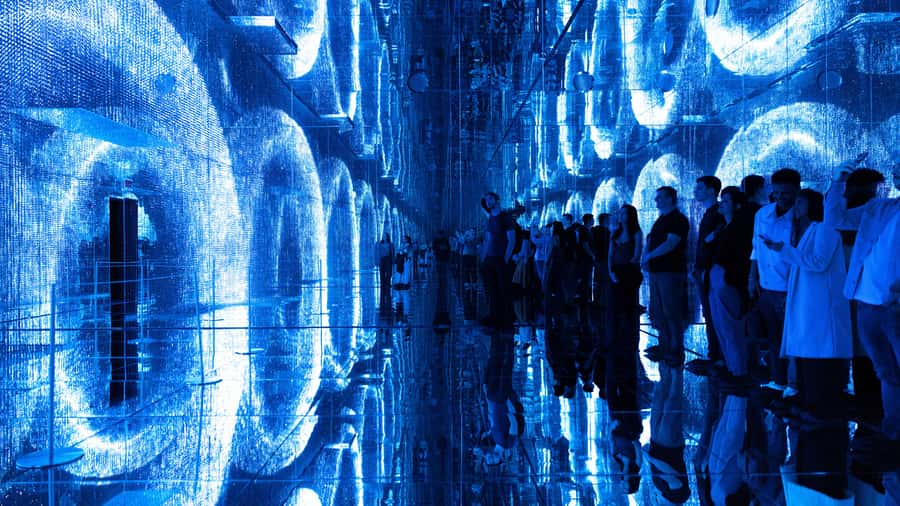
The infinity room uses 507,000 LEDs and mirrors to create a huge field of changing light. It is the sort of room that makes you stop talking for a moment and look around, because the edges of the space become hard to read.
This is the installation most likely to dominate your memory of Mercer Labs. The mirrored surfaces multiply the lights, while the sheer number of LEDs gives the room scale. It is also the best place to understand the museum’s interest in perception. You are not only looking at lights. You are trying to work out where the room ends.
Plan your time here rather than treating it as a quick photo stop. The visual effect changes as you stand still and let your eyes adjust. At the same time, crowded conditions can make photographs difficult, particularly when children and larger groups gather in the room.
The infinity room is a good example of Mercer Labs’ appeal and its limitation. It delivers an immediate visual impact, but the experience depends partly on how much space you have around you. A less crowded visit will give you more room to look and take pictures.
Fifteen rooms keep the 60 to 75 minutes moving
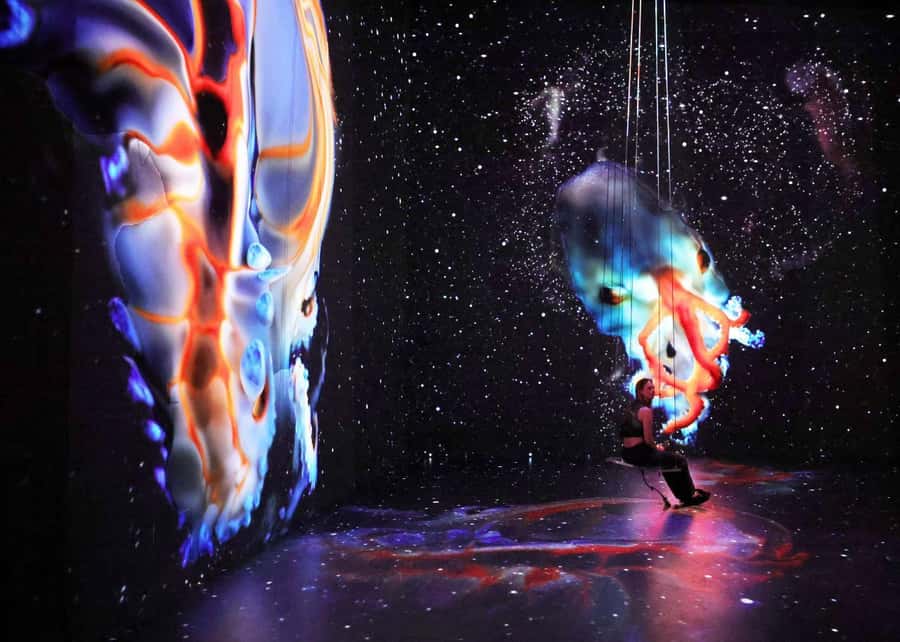
Mercer Labs describes the exhibition as Maestros and the Machines, with 15 ultra-sensory, 360-degree experiences. The rooms are spread across multiple levels, so you are not simply walking one straight corridor of similar displays.
The route includes hypnotic sound experiences, video installations, the animal drawing activity, Roy Nachum’s work, the infinity room, and other interactive displays. A vibration room adds a physical element, while the artist video provides a more explanatory pause. One particular chess room was closed during one visit, so I would not assume every installation will be operating on every date.
That possible closure matters. At $56, you are paying for the whole collection rather than one headline room. If a particular installation is the reason you are booking, check its current status before you commit. The museum may still be worth your time, but expectations should match what is open on the day.
Most people should allow the full 60 to 75 minutes. You can move faster if you only want the major visual stops, but that would miss some of the contrast between rooms. The experience is better when you pause to listen, watch a sequence finish, or see how a room changes around you.
The compact length is also useful in New York. You can visit Mercer Labs before lunch, after a downtown attraction, or between other plans without giving up half a day. It is a focused stop, not an all-day museum.
What the $56 ticket really buys you
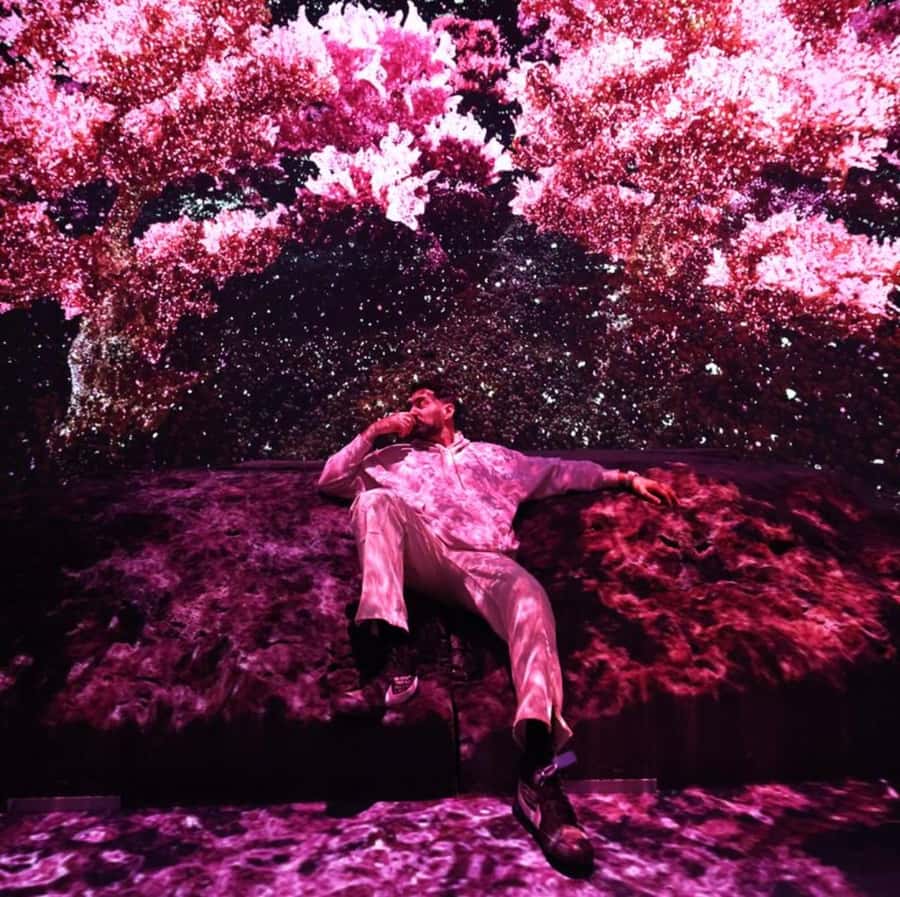
At $56 per person, Mercer Labs is not a casual bargain. A family of four will spend a substantial amount, and that cost becomes harder to justify if you finish in less than an hour or if several rooms are closed.
I think the price makes the most sense for people who actively enjoy design, digital art, sound installations, and photography. The technology is the attraction, and the museum gives you a concentrated set of different effects rather than one projection show repeated across a large room.
The value is weaker if you prefer traditional collections or want extensive artist information. One useful criticism of the experience is that visitors may want more explanation in each room. You will see plenty, but you may not always understand who made an installation, how it works, or what idea it is meant to express.
The museum’s rating of 4.6 from 656 reviews indicates a strong overall response, but the pattern is more useful than the number alone. The most praised features are the visual and sound effects, the variety of rooms, the quality of the execution, and the way children and adults can enjoy it together. The common reservations are price, crowding, and the possibility that it feels like a one-time experience rather than somewhere you will revisit often.
That sounds fair to me. Mercer Labs is built around surprise. Once you know the rooms, some of that surprise naturally fades.
When to visit and how to prepare
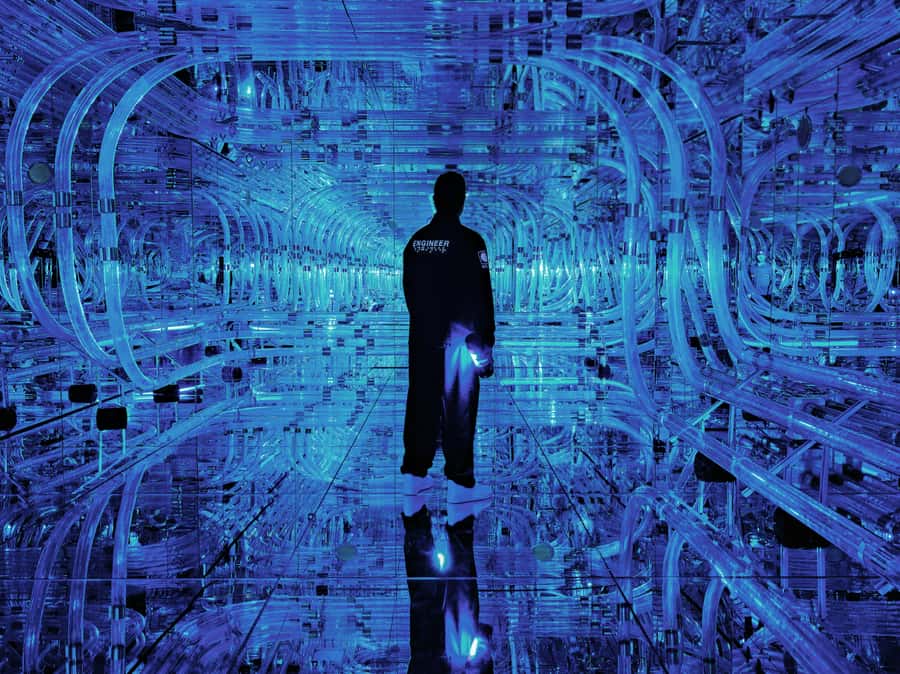
The main entrance is on Church and Dey Streets. Cortlandt Street Station is the closest subway stop, which makes public transport the practical choice for most visits.
Entry times vary, so check availability when booking. The supplied admission information says the last entry ticket available is 75 minutes before the museum closes. Do not arrive near closing and assume you can still enter.
Food and drinks are not allowed inside. Weapons, sharp objects, and glass objects are also prohibited. There is no coat check, so avoid arriving with bulky outerwear or bags that you do not want to carry through the exhibition.
Strollers are not permitted in the exhibition. That is especially important for families with very young children. The museum is wheelchair accessible, fully ADA-accessible, and service animals are welcome. Students need to show a valid student ID.
Because some rooms use sound, vibration, and intense visual effects, think about the needs of everyone in your group. The experience can be relaxing in one space and forceful in the next. If a child or adult in your party is sensitive to noise or crowded rooms, keep expectations flexible.
Who will enjoy Mercer Labs most
I would recommend Mercer Labs to:
- Families looking for an art stop that does not depend on reading long labels.
- Couples who want a visually striking downtown activity.
- People interested in digital design, experimental sound, and interactive video.
- Visitors who enjoy taking photographs in unusual spaces.
- Anyone with a free hour near lower Manhattan.
I would be more cautious if you want a quiet museum, a large historic collection, or detailed information about every work. Mercer Labs offers a sensory show first and an academic art visit second.
It is also worth considering the group you bring. Children can enjoy the drawing activity and the colorful rooms as much as adults, but their noise may affect other parts of your own visit. A smaller group can make it easier to take in the sound and vibration installations without distraction.
Should you book Mercer Labs?
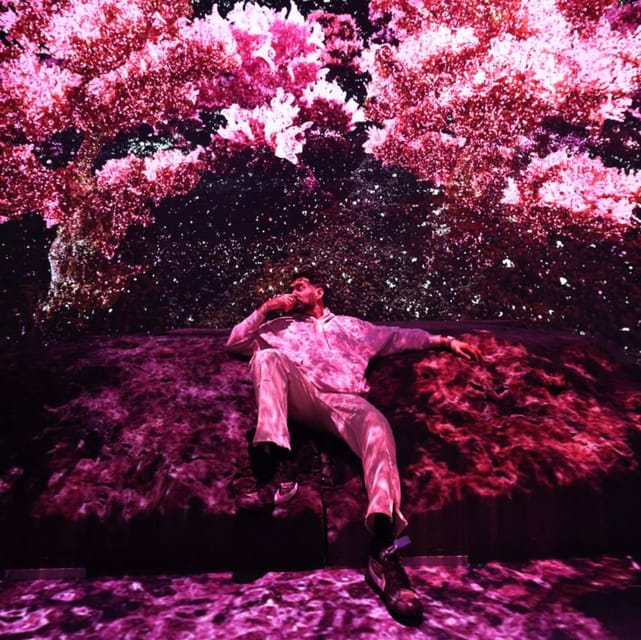
Book it if you want a compact, high-impact New York experience built around light, sound, video, and participation. The 4D Sound gallery, animal animation, Roy Nachum material, and 507,000-LED infinity room provide enough variety to fill 60 to 75 minutes.
At $56, I would not book it blindly. Check that the installations you most want to see are open, and decide if digital art is worth a premium ticket for your group. If you want a playful, modern museum that children and adults can share, Mercer Labs is a strong choice. If you want deep explanations or a visit that rewards repeated returns, spend your money elsewhere.
FAQ
Where is Mercer Labs located?
The museum entrance is at the corner of Church Street and Dey Street in downtown New York.
What is the closest subway station?
The closest subway station is Cortlandt Street Station.
How long does the Mercer Labs visit last?
You should allow 60 to 75 minutes to experience the museum fully.
What is included in the ticket?
The ticket includes entry to Mercer Labs, Museum of Art and Technology.
Is food included?
No. Food and beverages are not included, and food and drinks are not allowed inside the exhibition.
Is Mercer Labs wheelchair accessible?
Yes. The activity is fully ADA-accessible, and service animals are welcome.
Are strollers allowed?
No. Strollers are not permitted inside the exhibition.
Is there a coat check?
No. Coat check services are not available.
Do students need identification?
Yes. Students must show a valid student ID.
When is the latest entry?
The last entry ticket available is 75 minutes before the museum closes. Check the current starting times and closing information when booking.
Just listed around New York City
- NYC: Little Shop of Horrors Off-Broadway Ticket5 reviews
- Private NYC Airport Transfer: LGA to Manhattan – Up to 5★ 3.6 · 5 reviews
- New York City Tour in German★ 4.5 · 5 reviews
- New York: Hamilton and Washington Revolutionary Walking Tour★ 5.0 · 5 reviews
- NYC Freedom Tower Private Photo or Video Experience★ 4.0 · 6 reviews
- New York Afternoon Fall Foliage Cruise with Lunch★ 5.0 · 6 reviews
- Brooklyn Walking Tours by Locals: Private & 100% Personalized★ 4.0 · 6 reviews
- Southold Bay Oyster Farm Tour★ 5.0 · 6 reviews
Museums, compared.

Empire State Building Tickets – Observatory & Museum
Read our review →


9/11 Memorial, Ground Zero Tour with Optional 9/11 Museum Ticket
Read our review →

All-Access 9/11: Ground Zero Tour, Memorial and Museum, One World Observatory
Read our review →
Browse the lists this tour appears in