
Reviewed · MUSEUMS
NYC: Museum of Arts and Design
The most interesting thing about the Museum of Arts and Design is its focus on how things are made. You are not looking only at finished paintings or sculptures. You are seeing handmade objects, wearable art, furniture, jewelry, and design that can question how we live. I like the chance to watch artists work in the on-site studios, and I like the museum’s location at Columbus Circle, with Central Park and Times Square close by.
The main drawback is that the museum’s smaller exhibitions may not all have the same impact. One visitor found the building more impressive than the four small exhibitions on view, while another found a Barbie exhibition informative but hard to follow because the display lacked a clear flow. Check the current shows before you commit your $20.
In This Review
- Key points to know before visiting
- What the Museum of Arts and Design does differently
- Jonathan Adler brings a playful eye to the permanent collection
- Douriean Fletcher’s jewelry connects craft, identity, and film
- Designing Motherhood asks how objects shape family life
- MAD Artist Studios make the creative process visible
- A sensible route for your one-day visit
- The building and location are part of the appeal
- Robert and The Store at MAD
- Who will get the most from MAD
- Practical details that affect your visit
- Is the $20 ticket worth it?
- Should you book the Museum of Arts and Design?
- FAQ
- Where is the Museum of Arts and Design located?
- How much does admission cost?
- How long is the ticket valid?
- What does the ticket include?
- Is the museum wheelchair accessible?
- Is this a large group tour?
- What exhibitions can I see at MAD?
- When are the MAD Artist Studios open?
- What can I not bring into the museum?
Key points to know before visiting

- Jonathan Adler’s personal view: More than 60 objects from MAD’s permanent collection are paired with designs by the celebrated potter and designer.
- Douriean Fletcher’s film connection: Seventy-five handmade jewelry pieces trace the designer’s path from self-taught metalsmith to work seen in Marvel’s Black Panther films.
- Designing Motherhood covers 150 years: More than 250 objects look at fertility, pregnancy, birth, postpartum care, and parenthood.
- Artists work inside the museum: MAD Artist Studios lets you see works in progress and ask artists questions during posted studio hours.
- The MAD Mobile Guide adds context: Use it to learn more about the works as you move through the galleries.
- The location makes this easy to pair: You are at Columbus Circle, a short walk from Central Park and Times Square.
What the Museum of Arts and Design does differently
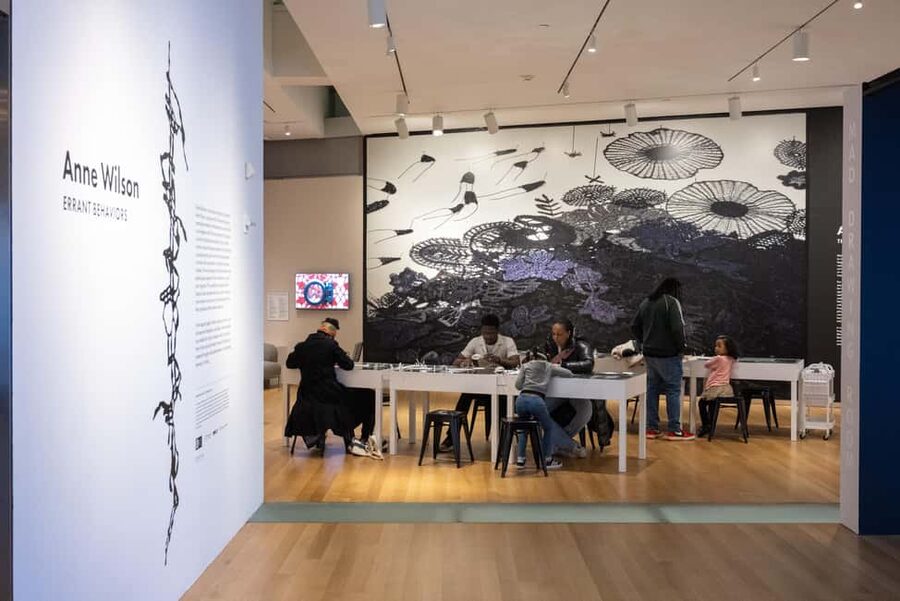
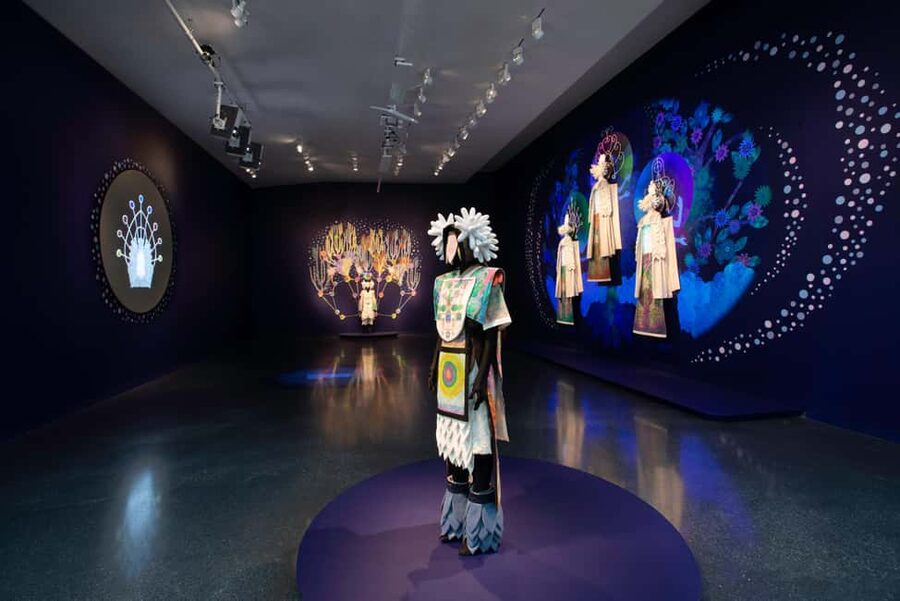
MAD is a good choice when you want art with a practical or physical connection. The museum centers craft, materials, and design, so the pleasure often comes from noticing construction: the way a piece is shaped, joined, worn, or built by hand.
That focus gives the museum a different feel from a large painting museum. You may find jewelry beside sculpture, furniture beside fashion, and domestic objects beside pieces that comment on society and culture. The point is not always beauty. Some works are meant to be witty, provocative, strange, or uncomfortable.
I like this approach because it makes the creative process easier to see. You can ask yourself how an object was made, why it was made in that form, and what it says about the people who use it. If you prefer a tightly organized collection of famous paintings, MAD may feel less familiar. If you enjoy design and objects with a human touch, it can be a rewarding change of pace.
The ticket is listed at $20 per person for one day. That is a reasonable price for a museum visit in central Manhattan, especially if you spend several hours with the exhibitions, artist studios, and permanent collection. The value depends heavily on the shows open during your visit, so the current program matters more here than at a museum built around one permanent collection.
More New York City museums to visit:
- NYC: 9/11 Memorial & Museum Timed-Entry Ticket
★ 4.8 · 31,428 reviews - NYC: Empire State Building Tickets – Observatory & Museum
★ 4.7 · 25,757 reviews - New York City: American Museum of Natural History Ticket
★ 4.5 · 15,447 reviews
Jonathan Adler brings a playful eye to the permanent collection
The Mad MAD World of Jonathan Adler gives the permanent collection a personal frame. Jonathan Adler, a well-known potter and designer, selected more than 60 works and placed them alongside examples of his own designs.
That format can help you see familiar museum objects in a new way. Instead of moving through a neutral display, you are following one designer’s taste and sense of humor. The result should feel more like an invitation into Adler’s creative world than a standard chronological presentation.
The title signals the mood: glamorous, witty, and a little over the top. I would give this exhibition time if you enjoy interiors, ceramics, decorative objects, or design that does not take itself too seriously.
The tradeoff is that a personality-driven display will not appeal to everyone. You may agree with Adler’s choices, or you may find the presentation too selective. That is part of the point. The show gives you a strong point of view instead of pretending that art and design can be judged without personal taste.
Use the MAD Mobile Guide as you go. It can provide extra information about the works, which is useful when an object’s purpose or material is not immediately clear. You do not need to race through this section. Look closely at the relationship between the museum pieces and Adler’s own work.
Douriean Fletcher’s jewelry connects craft, identity, and film

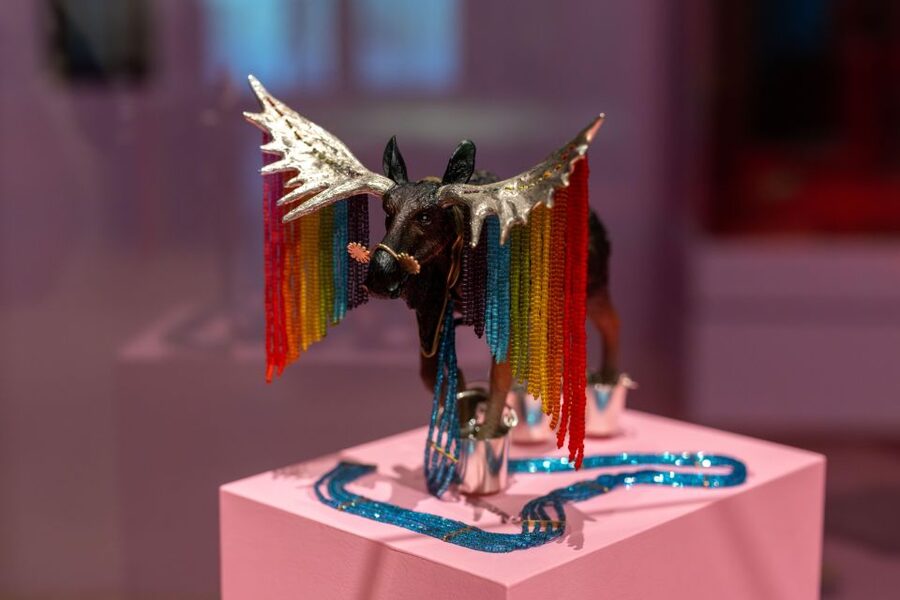
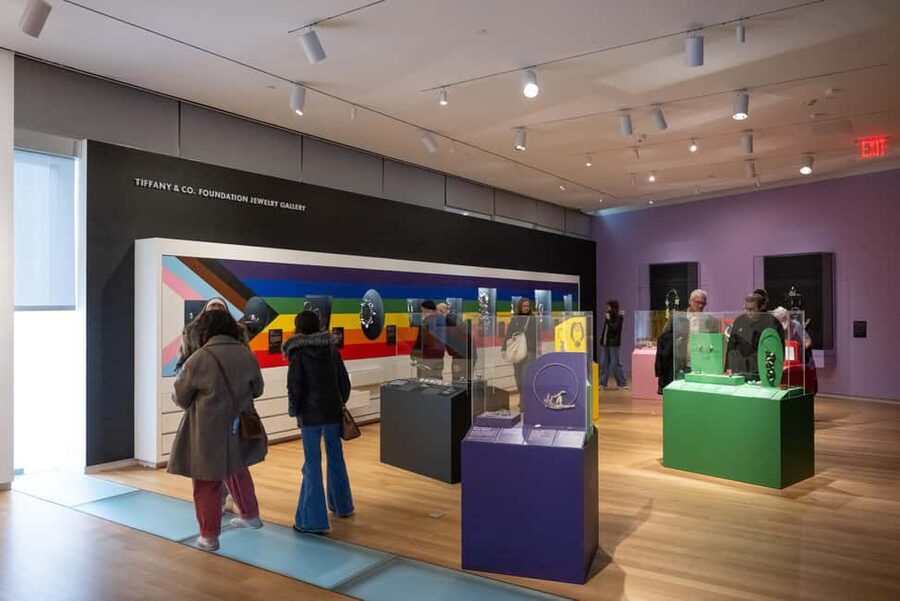
Douriean Fletcher: Jewelry of the Afrofuture presents 75 works from Fletcher’s collection. The exhibition follows her development from self-taught metalsmith to an influential designer whose handmade adornments appeared on screen, including in Marvel Studios’ Black Panther movies.
The film connection may bring you into the gallery, but the handmade work is the real reason to stay. Jewelry can be small, so displays often reward careful looking. Notice the shapes, surfaces, and sense of character in each piece rather than treating the objects as simple accessories.
Fletcher’s story also gives the exhibition a human path. You are not just seeing finished pieces. You are following a maker’s growth and the way personal craft can reach a huge audience through film and popular culture.
This section should suit visitors who enjoy fashion, costume, metalsmithing, cinema, and questions about representation. It also works for anyone who likes seeing how a specialized skill develops over time. The exhibition’s Afrofuture theme adds a cultural and imaginative layer, though the supplied information does not spell out every gallery theme or display order. Let the objects guide your pace and use the mobile guide when you want more background.
Designing Motherhood asks how objects shape family life
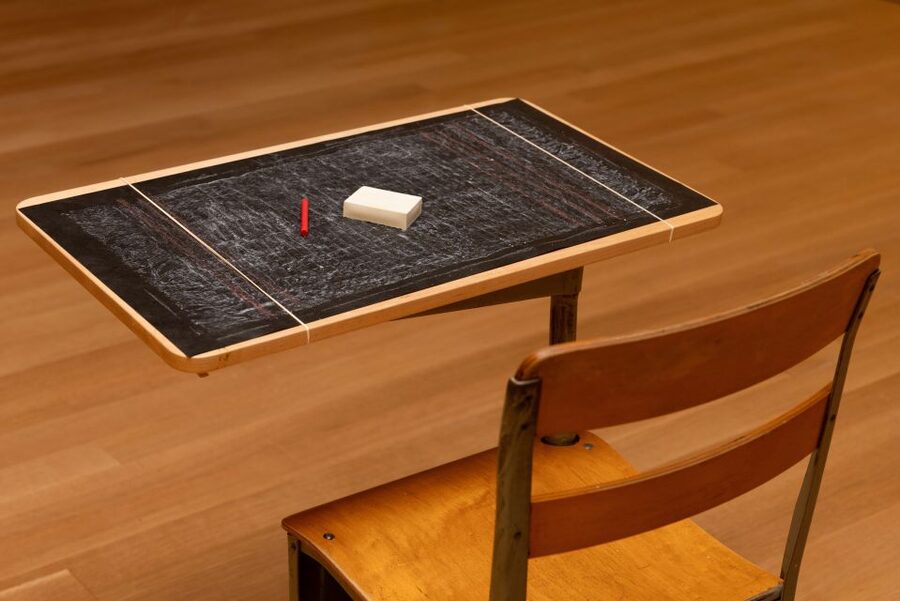
Designing Motherhood: Things that Make and Break Our Births takes a broad look at design for reproductive health and well-being. The New York presentation covers 150 years and includes more than 250 objects connected with fertility, pregnancy, postpartum care, and parenthood.
This is likely the most socially focused exhibition in the group. It asks you to think about items that are often treated as ordinary or private. By placing them in a museum, the exhibition shows how design can affect health, comfort, safety, identity, and the experience of becoming a parent.
The subject gives the show a practical edge. You are not looking at objects only for their appearance. You are considering how an object helps, limits, reflects, or changes a person’s experience. That makes the exhibition useful for visitors interested in medicine, family life, social design, and the history of everyday objects.
The size of the display can be both its strength and its weakness. More than 250 objects offer a lot to see, but you may need to choose your level of attention. A quick pass will give you the broad idea. A slower visit, supported by the MAD Mobile Guide, will help you understand the connections between design and reproductive care.
Because the subject can be personal, this is not simply a light design show. Go in expecting serious questions about birth and parenthood. If that subject is central to your interests, it may be the strongest part of your visit.
Another side of New York City for the same day:
- NYC: SUMMIT One Vanderbilt Tickets
★ 4.7 · 51,195 reviews - New York City: Statue of Liberty & Ellis Island with Ferry
★ 4.6 · 18,683 reviews - Statue of Liberty and Ellis Island Tour: All Options
★ 5.0 · 13,571 reviews - New York in One Day Guided Sightseeing Tour
★ 5.0 · 13,166 reviews
MAD Artist Studios make the creative process visible

The museum’s Artist Studios are one of its most distinctive features. These are working spaces inside the museum where artists create, answer questions, and let you see works in progress.
That changes the usual museum experience. Behind-the-scenes work is often hidden, but here you may get a direct look at how an idea becomes an object. A finished piece can seem mysterious when displayed behind glass. Seeing an artist at work helps connect the object with time, skill, trial, and error.
The studios are open from 10:30 a.m. to 5:30 p.m. on Wednesday, Friday, and Saturday. On Thursday, the hours are noon to 7 p.m. Plan around those times if the studios are a priority. The supplied information does not list studio hours for every day, so do not assume they are open whenever the museum is.
I would especially recommend the studios to families, students, design fans, and anyone who wants more than a quiet gallery walk. You can ask questions, but keep in mind that the artist may be concentrating on work. A short, respectful conversation can add more to your visit than another hurried look at a display case.
A sensible route for your one-day visit
The ticket is valid for one day, not for a guided tour with a fixed sequence. Since the museum presents changing exhibitions, your route can depend on what interests you most.
Start by checking the current exhibition list and the Artist Studios hours. If you have a strong interest in a particular show, visit it early while you have the most attention. The Barbie exhibition, which drew praise for showing Barbie through different eras, professions, and forms of diversity, is not included in the current exhibition list supplied here. Do not book expecting it to be on view unless you confirm it separately.
After your first exhibition, use the MAD Mobile Guide for extra information. Then move through the remaining displays at a slower pace. The museum can reward close looking, but four smaller shows may not all feel equally substantial.
If you are visiting on a Thursday, the later Artist Studios hours may help you build a longer afternoon. On Wednesday, Friday, or Saturday, you can visit the studios during the daytime. The museum is also easy to combine with Central Park or Times Square because of its Columbus Circle location.
Give yourself enough time to pause. The best way to see this museum is not to treat it as a checklist of rooms. Pick a few objects in each exhibition and ask what they do, how they were made, and why MAD placed them together.
The building and location are part of the appeal
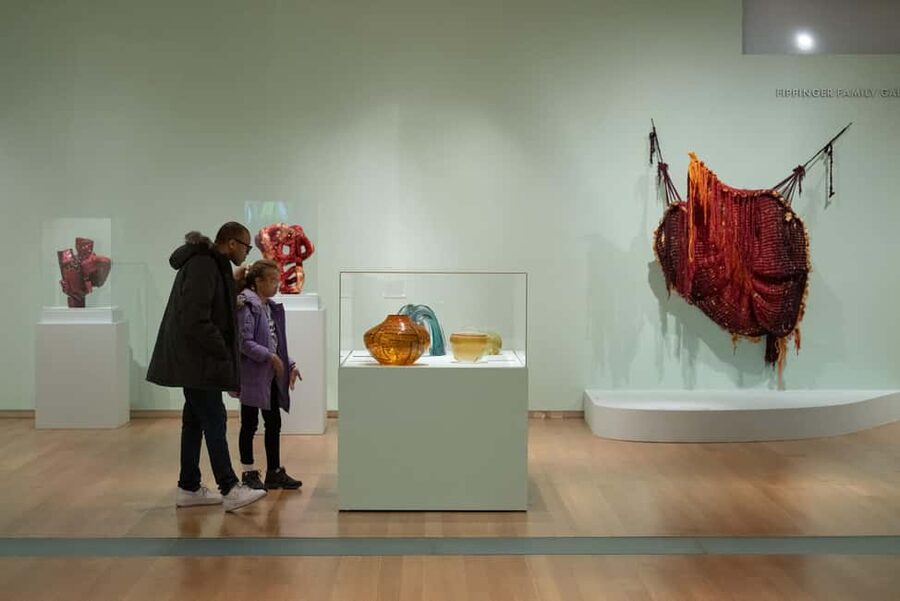
MAD is at Columbus Circle, beside Central Park and close to Times Square. That makes it a practical stop during a day in Midtown, especially if you want a cultural break from shopping, theater plans, or sightseeing.
The building itself may make an impression before the galleries do. One mixed response focused on the building as the strongest part of the visit, with the smaller exhibitions feeling less memorable. That is useful advice, not a reason to skip the museum. It means you should set realistic expectations: this is a compact museum with changing displays, not a vast institution that requires an entire day.
The location also helps with value. A $20 museum visit can fit into a larger walking plan without requiring a separate cross-town trip. You can visit MAD, walk through Central Park, or continue toward Times Square. The ticket is valid for one day, so you have flexibility to spend the time at a pace that suits you.
Robert and The Store at MAD
Robert, the restaurant on the museum’s ninth floor, offers views of Central Park, contemporary American food, and signature cocktails. It is described as a New York City classic destination, but admission to the museum does not state that food or drinks are included.
The restaurant may be a good way to extend the visit if you want a meal with a view. I would treat it as a separate dining choice rather than part of the $20 museum ticket. The museum does not allow food and drinks inside, so plan to finish anything you bring before entering.
The Store at MAD sells stylish gifts, handmade products, and artisanal items for the home. Museum stores are often useful when you want a souvenir with some connection to design, and this one fits the museum’s focus on well-made objects.
Neither Robert nor The Store is the main reason to buy admission, but both can add time and convenience to a Columbus Circle visit. If you are watching your budget, enjoy the galleries first and decide afterward if the restaurant or store suits your plans.
Who will get the most from MAD
I would recommend MAD to you if you like:
- Handmade art, jewelry, ceramics, furniture, and fashion
- Design connected to daily life
- Exhibitions about society, culture, family, or identity
- Seeing artists work in person
- Museums that mix serious ideas with humor and popular culture
- Shorter museum visits in a central Manhattan location
Families may find the museum approachable because many objects are visually immediate. The Barbie exhibition feedback shows how a familiar subject can connect with childhood memories while also addressing diversity and professional roles. Again, that specific show is not guaranteed to be on view.
Design students and makers should pay special attention to the Artist Studios and the materials used in the exhibitions. Film fans may be drawn to Fletcher’s jewelry because of its connection with Black Panther. Visitors who enjoy social history may prefer Designing Motherhood.
You may want to choose another museum if you want a large collection of canonical paintings, a single famous masterpiece, or a fully guided tour. The group size is limited to nine participants, but the information provided does not describe a personal guide or guided commentary. The experience is primarily museum admission with optional mobile information and artist interaction.
Practical details that affect your visit
Admission costs $20 per person and includes entry to the Museum of Arts and Design. The activity is non-refundable, so check the date and current exhibitions before buying.
The ticket is valid for one day, with starting times available when you check. Wheelchair access is available. The small group format is limited to nine participants, which can make entry feel less crowded than a large organized tour, though the museum visit itself may still include regular museum traffic.
Large bags and luggage are not allowed. Pets are also not allowed, except for assistance dogs. Food and drinks are prohibited inside.
The provided information does not list a guide’s name or a set language service. It does identify the MAD Mobile Guide as a way to learn more about the works. If you want detailed interpretation, plan to use that guide rather than expecting a live tour.
Is the $20 ticket worth it?
For the right exhibition schedule, yes. The price is modest for central New York, and the museum offers several ways to spend your time: changing exhibitions, permanent collection objects, working artist studios, a mobile guide, and the option of a restaurant or museum store visit.
The value is less certain if you are judging the museum only by the number of large galleries. Some shows may be small, and the presentation may not always have a clear flow. One past exhibition received praise for its historical perspective but was harder to follow because of the layout.
I would make the booking decision based on the current program. If Jonathan Adler, Douriean Fletcher, or Designing Motherhood appeals to you, $20 is a fair cost for a focused museum visit. If none of those subjects interest you, check the schedule before committing, since MAD’s appeal changes with its exhibitions.
Should you book the Museum of Arts and Design?
Book it if you want handmade art, design, and social ideas in a convenient Midtown setting. The Artist Studios are a special reason to go, and the Columbus Circle location makes MAD easy to pair with Central Park or Times Square.
Skip it if you want a huge museum with a fixed collection of famous works. MAD is more dependent on its temporary exhibitions, and the quality and organization may vary from show to show. Check the opening hours for the Artist Studios and confirm the exhibitions you want before purchasing the non-refundable ticket.
FAQ
Where is the Museum of Arts and Design located?
The museum is at Columbus Circle in New York City, close to Central Park and Times Square.
How much does admission cost?
Admission costs $20 per person.
How long is the ticket valid?
The ticket is valid for one day. Starting times are available when you check availability.
What does the ticket include?
The ticket includes entry to the Museum of Arts and Design.
Is the museum wheelchair accessible?
Yes, the activity is wheelchair accessible.
Is this a large group tour?
No. The group type is listed as small group, limited to nine participants.
What exhibitions can I see at MAD?
The supplied program includes The Mad MAD World of Jonathan Adler, Douriean Fletcher: Jewelry of the Afrofuture, and Designing Motherhood: Things that Make and Break Our Births. Exhibition schedules can change, so check what is on view for your date.
When are the MAD Artist Studios open?
The studios are open from 10:30 a.m. to 5:30 p.m. on Wednesday, Friday, and Saturday. On Thursday, they are open from noon to 7 p.m.
What can I not bring into the museum?
Food, drinks, luggage, large bags, and pets are not allowed. Assistance dogs are allowed.
Just listed around New York City
- New York City: Brooklyn Bridge and Manhattan Guided Tour★ 3.9 · 19 reviews
- VIP SUMMIT One Vanderbilt and Grand Central Guided Tour★ 3.5 · 19 reviews
- Central Park Bike Tour in French or English★ 4.5 · 19 reviews
- Harry Potter Shop New York – Magical Brew Bundle★ 4.5 · 19 reviews
- American Dream Angry Birds Indoor Mini Golf Ticket★ 4.0 · 19 reviews
- Private Secondhand Bargain Shopping & Styling Tour with a Personal Shopper★ 5.0 · 19 reviews
- 7-Day Philadelphia, D.C, Niagara Falls, Boston Tour from New York★ 5.0 · 19 reviews
- NYC: Lower East Side Devour Food & History Walking Tour★ 4.8 · 19 reviews
Museums, compared.


Empire State Building Tickets – Observatory & Museum
Read our review →


9/11 Memorial, Ground Zero Tour with Optional 9/11 Museum Ticket
Read our review →

All-Access 9/11: Ground Zero Tour, Memorial and Museum, One World Observatory
Read our review →
Browse the lists this tour appears in