
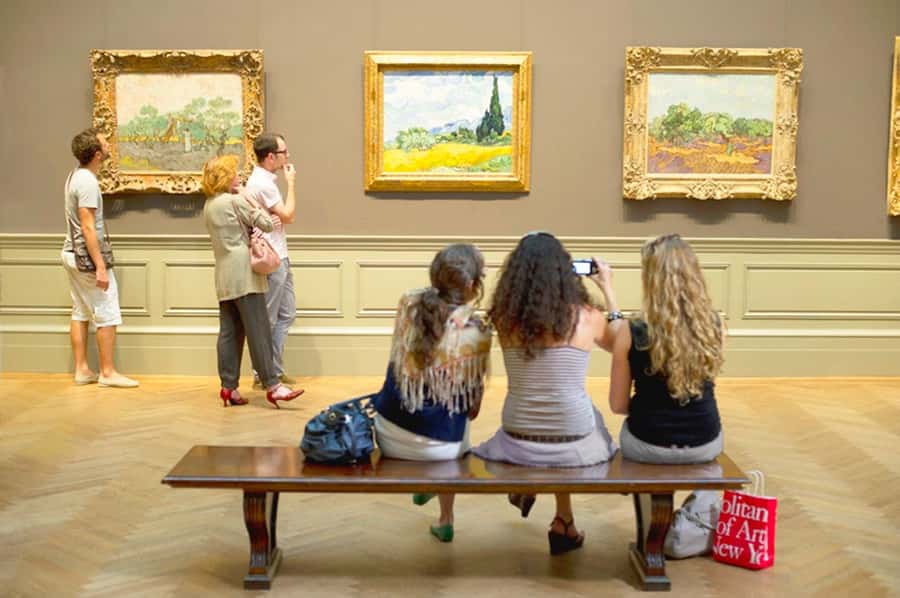
Reviewed · METROPOLITAN MUSEUM & ART TOURS
The Met Museum Guided Tour with Skip-the-Line Entry
The Metropolitan Museum of Art is too big for a quick, casual visit. This two-hour guided route gives you a clear path through its greatest hits, from the Temple of Dendur to Van Gogh, Picasso, and Warhol. You get an introduction to the building and its collections without spending your first hour wondering which corridor to take.
I like the way the tour connects very different periods of art, and I like the guide-led explanations even more than the ticket convenience. Guides such as Sam, John, Richard, Rob C, and Jeff have been praised for making the art easier to understand and keeping the pace lively. The main drawback is simple: two hours can only cover a small part of the Met, and the meeting process inside the entrance may take some care.
- Temple of Dendur: See the Met’s famous Egyptian temple and hear how its stone blocks and ancient setting fit together.
- American Wing: Compare Washington Crossing the Delaware with paintings that helped shape early American art.
- European masterpieces: Meet major works by Velazquez, Rembrandt, and Van Gogh in a focused sequence.
- Modern art: Look at Pollock, Warhol, and Picasso with context instead of facing each work cold.
- Seasonal roof garden: Finish with views across Central Park and the Manhattan skyline when the garden is open.
- Practical entry: Allow time for security, and meet the guide by the Egyptian sculpture in the Great Hall.
In This Review
- Why a guided route helps at the Met
- Meeting your guide inside the Great Hall
- The Great Hall and the Temple of Dendur
- American art, from Washington to wide views
- Velazquez, Rembrandt, and Van Gogh
- Pollock, Warhol, and Picasso
- The roof garden, when the season allows
- How much can you really see in two hours?
- The guides make the difference
- Is $59 good value?
- Who should book this Met tour?
- FAQ
- How long does the Met guided tour last?
- What language is the tour conducted in?
- What artworks and areas are included?
- Is the Temple of Dendur included?
- Is roof garden access included?
- Does the tour skip all lines at the museum?
- Where do I meet the guide?
- How do I reach the Metropolitan Museum of Art?
- What should I bring?
- Are backpacks, strollers, and flash photography allowed?
Why a guided route helps at the Met
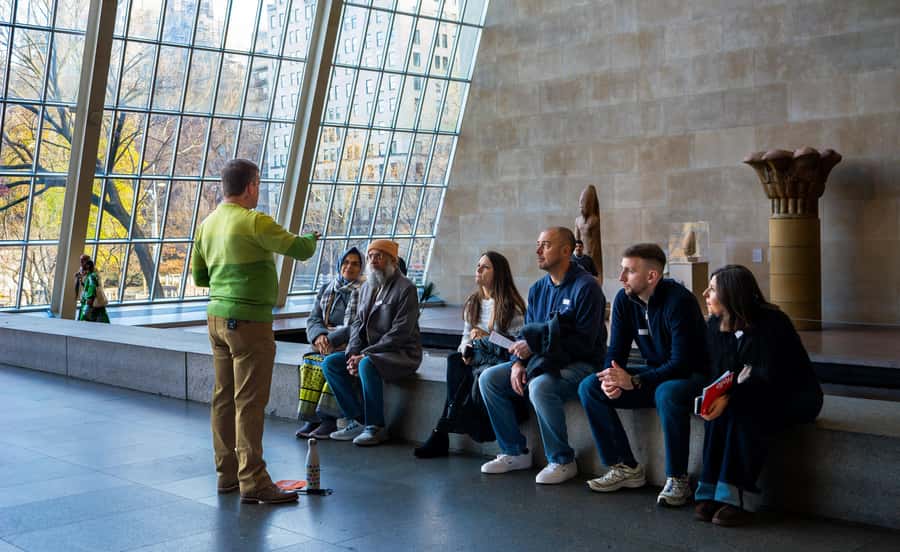
The Met is not a museum you can fully grasp by wandering through a few rooms. Its collection covers about 5,000 years of art, and the sheer scale can turn a first visit into a march from one famous name to another.
This tour gives you a useful framework. You move from ancient Egypt to American art, then to European painting and modern art. That order is not just a checklist. It lets you compare how artists in different places handled power, religion, portraiture, national identity, color, and new ideas about what art could be.
I would choose this tour if you have only one visit to the Met, if you are unsure where to begin, or if art museums sometimes feel like rooms full of names and dates. A good guide can point out what matters, explain why a work is famous, and help you look at the painting rather than simply photograph it.
The experience costs $59 per person. That is a fair price if you want structure and explanation, especially since admission access and an English-speaking guide are included. It is less compelling if you already know exactly which departments you want to visit and prefer to spend several hours at your own pace.
Meeting your guide inside the Great Hall
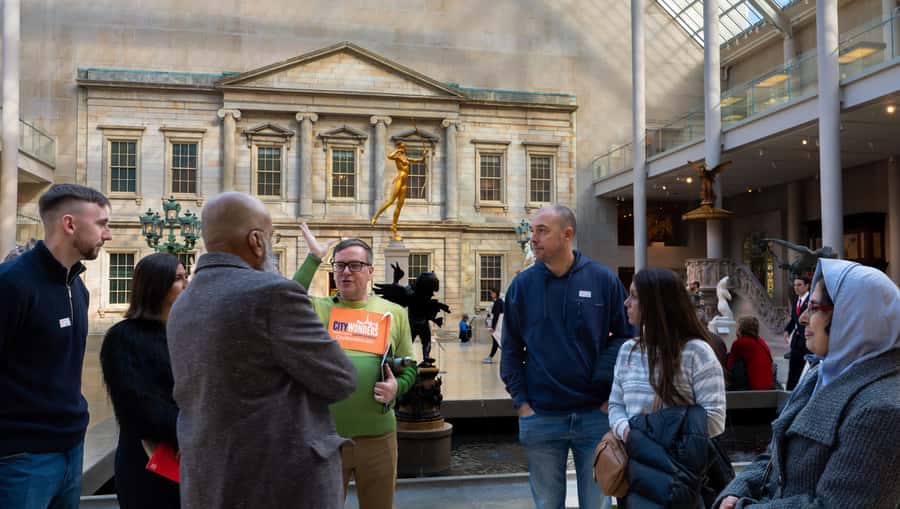
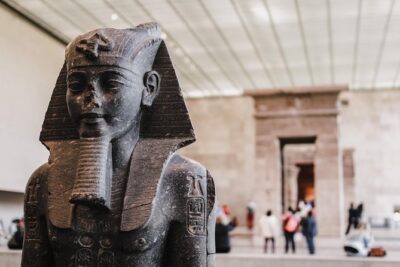
Your meeting point is inside the museum, by the Egyptian sculpture in the Great Hall, on the far-right side of the front entrance steps. Your City Wonders guide carries a flag. This sounds straightforward, but you should not treat the meeting time as the moment to arrive at the building.
You still need to pass through museum security first. Allow extra time for that process, particularly if you are visiting on a busy day. One useful booking tip is to check the confirmation email carefully and find the name of the company operating the tour. The guide’s flag may show City Wonders or the relevant tour company name, so having that detail ready can save a frustrating search in the Great Hall.
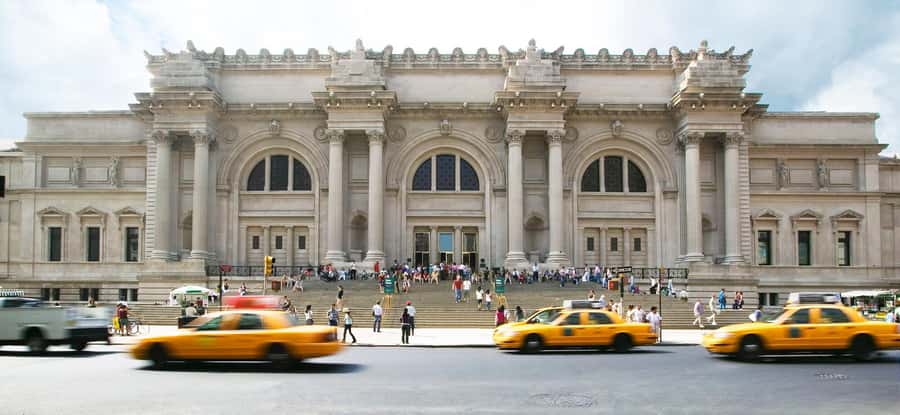
The Met is at 1000 Fifth Avenue. By subway, take the 4, 5, or 6 train to 86th Street. The tour begins and ends at the museum, so you do not need to arrange transport between separate sights.
The museum does not allow backpacks to be worn normally. If you bring one, you may be required to hold it in your hands. Large bags are not allowed, and baby strollers are not permitted on this activity. Flash photography is also prohibited. Travel light, wear comfortable shoes, and keep your hands free if possible.
More Met and art museum visits:
- NYC: Museum of Modern Art (MoMA) Entry Ticket
★ 4.6 · 12,540 reviews - NYC: Guggenheim Museum Entry Ticket
★ 4.4 · 2,201 reviews - Metropolitan Museum Guided Group Tour
★ 5.0 · 1,013 reviews
The Great Hall and the Temple of Dendur
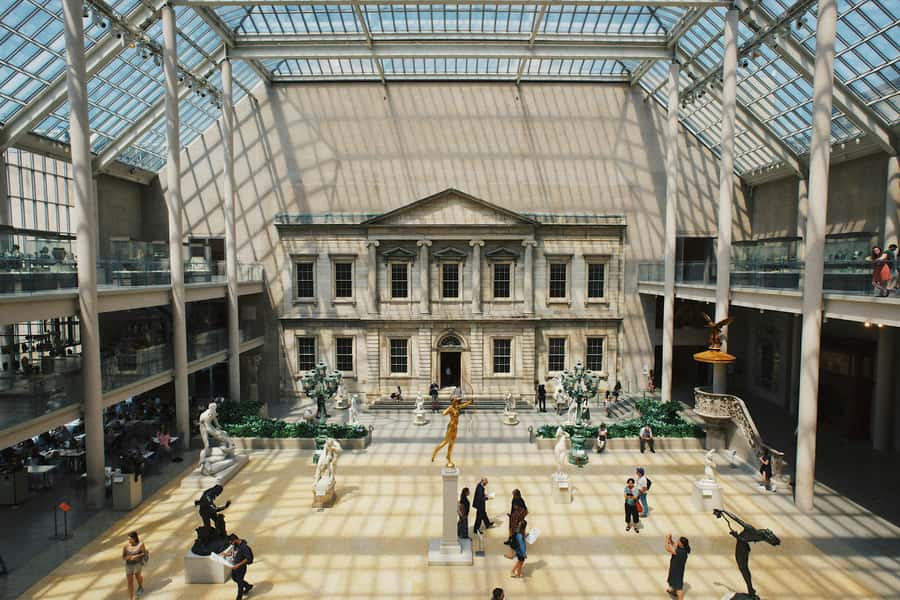
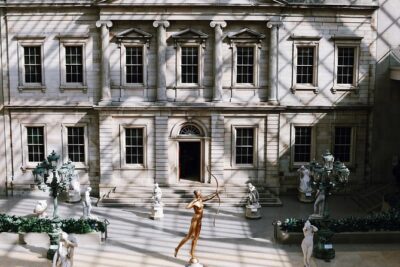
The Great Hall makes a fitting starting point. It gives you an immediate sense of the Met’s size, ambition, and formal character. From here, the route heads to the Egyptian Wing and its best-known architectural treasure, the Temple of Dendur.
The temple was transported to the museum block by block. That fact alone makes it more than another impressive stone monument. Your guide can help you understand the temple as both an ancient Egyptian structure and a modern museum installation, showing how its pieces fit together and what its carved surfaces were meant to communicate.
This is one of the strongest parts of the tour because the Temple of Dendur is large, visual, and easy to appreciate even if you have little background in Egyptian art. Instead of merely seeing an old building indoors, you get a short lesson in ancient civilizations, religious imagery, and the work involved in preserving and presenting the monument.
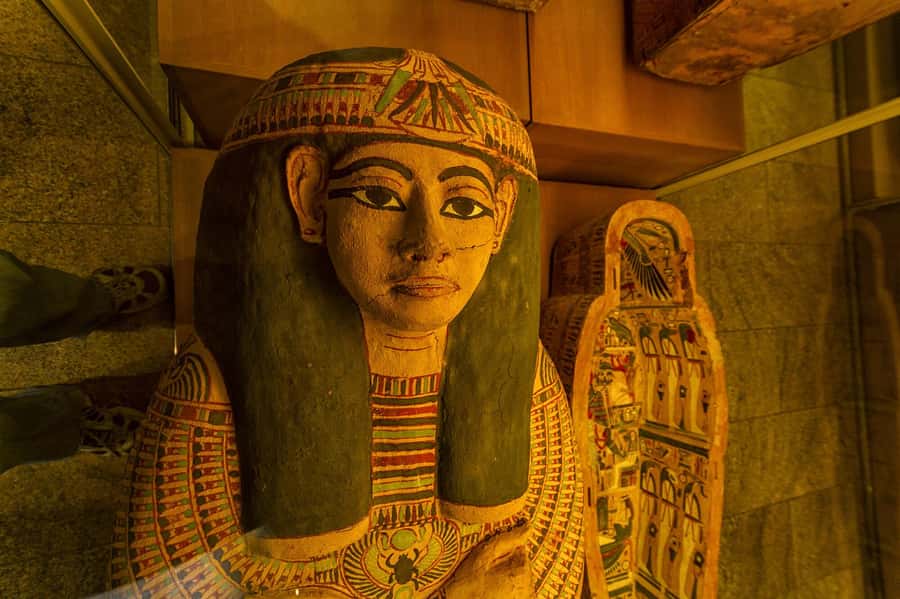
The drawback is that the Egyptian collection is much larger than this one stop. You will not have time to explore every room or study the surrounding objects at length. Think of the temple as an anchor for the tour, not a complete visit to Egyptian art.
American art, from Washington to wide views
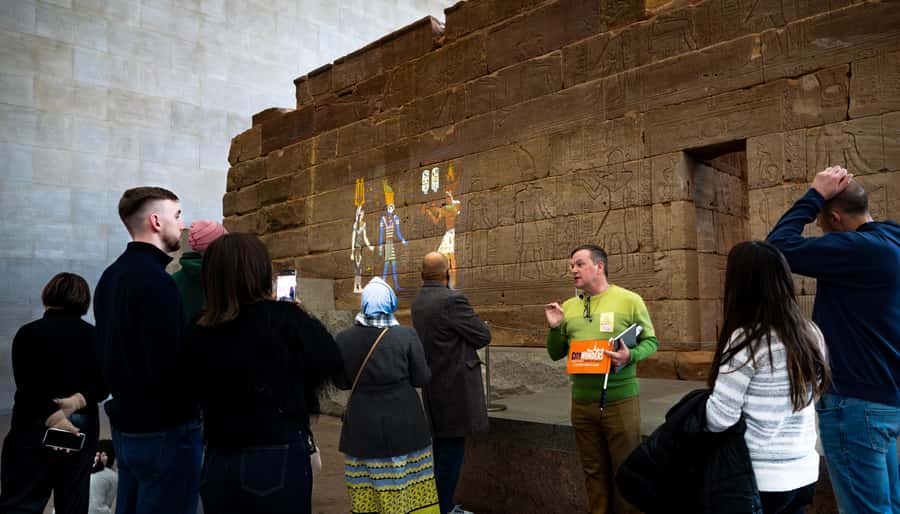
The American Wing offers a change in tone and subject. Here, you see works tied to the formation of American identity, including Washington Crossing the Delaware. The painting is instantly recognizable, but a guide can help you look beyond its familiar subject and consider how historical events were presented to the public.
The tour also includes American views that shaped early art in the United States. These works are useful after the Egyptian Wing because they show how different cultures used art to express authority, place, memory, and national purpose.
I like this section for its comparison value. You are not simply moving from one famous painting to another. You are being asked to notice the difference between an ancient temple built for religious use and later paintings made to influence how a young nation imagined itself.
Keep your expectations sensible. The American Wing has far more than a two-hour tour can cover. The guide will select key works rather than provide a full survey. If American painting is your main interest, you may want to stay after the tour and return to this department on your own.
Velazquez, Rembrandt, and Van Gogh
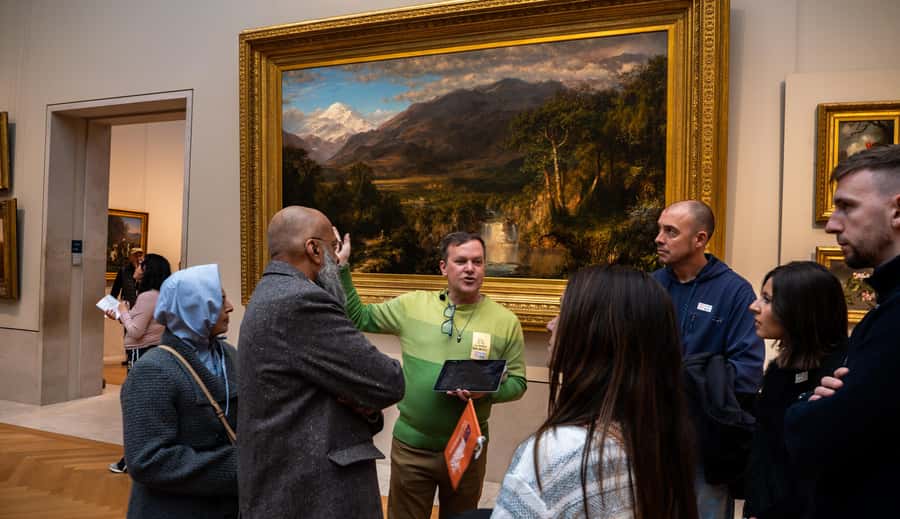
The European galleries bring together artists from different centuries, and this is where the guide’s role becomes especially useful. Velazquez, Rembrandt, and Van Gogh are famous names, but their work comes from very different artistic worlds.
Your guide explains artistic change across time, helping you see how painters handled faces, light, movement, emotion, and personal expression. Rembrandt can open a discussion about portraiture and shadow. Velazquez can lead you toward questions about status, observation, and the relationship between the painter and the people being painted. Van Gogh gives you a much later language of color and brushwork.
I would not expect an art-school lecture. The value is practical: you get enough context to look with purpose. When a guide is particularly strong, you stop asking only Do I like this? and begin asking What is this artist trying to make me notice?
The tour’s range is also its limit. A work that catches your eye may receive only a few minutes before the group moves on. If you want to stand quietly with a favorite painting, note its location and return after the formal tour ends.
More New York City museums to visit:
- NYC: 9/11 Memorial & Museum Timed-Entry Ticket
★ 4.8 · 31,428 reviews - NYC: Empire State Building Tickets – Observatory & Museum
★ 4.7 · 25,757 reviews - New York City: American Museum of Natural History Ticket
★ 4.5 · 15,447 reviews - 9/11 Memorial, Ground Zero Tour with Optional 9/11 Museum Ticket
★ 5.0 · 6,381 reviews
Pollock, Warhol, and Picasso
The modern art section changes the rules again. Jackson Pollock, Andy Warhol, and Pablo Picasso represent different ways of breaking from traditional painting, and their works can be difficult to approach without some background.
Pollock’s work raises questions about gesture, process, and the physical act of painting. Warhol brings popular culture and repetition into the museum. Picasso challenges familiar ideas about perspective, the human body, and recognizable form.
These are not just famous names added to the end of a highlights route. They show how the idea of a masterpiece changed over time. You move from ancient monuments and historical paintings toward works that may look less like a conventional picture and more like an argument about art itself.
This stop is particularly helpful if modern art usually leaves you cold. A guide can offer a way into the work without telling you what you must think. The best approach is to listen, then decide what you see for yourself.
The route is not designed for close study of every modern artist in the Met. You will receive selected examples and short explanations. That is enough to get your bearings, but not enough for a complete modern-art visit.
The roof garden, when the season allows
If the roof garden is open, the tour ends above the galleries with views of Central Park and the Manhattan skyline. This is a welcome change after two hours indoors. You can connect the museum to its setting and see how the city stretches around the Met.
The roof garden is seasonal, so it is not guaranteed on every departure. Weather and opening schedules can affect access. Do not book the tour solely for the rooftop if that feature is the most important part of your plan. Treat it as a bonus at the end of the museum visit.
When open, it gives the tour a memorable finish. You have spent the morning or afternoon looking at art made across centuries, then step outside to see the modern city and the park from above. That contrast makes the location of the Met feel more meaningful.
How much can you really see in two hours?
Two hours is long enough for a solid introduction and short enough to fit into a busy New York day. You will cover several departments, hear explanations of major works, and finish back at the museum. You will not see the Met in full.
The route involves a fair amount of walking. Comfortable shoes are essential, and the activity is not suitable for wheelchair users or people with mobility impairments according to the provided conditions. If you tire easily, the pace and amount of standing are worth considering before booking.
The tour can also feel short if you become absorbed in one gallery. That is not a flaw so much as a choice. This is a highlights tour, designed to show you the museum’s range rather than let you study one collection in depth.
The best plan is to treat the guided portion as your introduction. Afterward, you can stay and revisit the rooms that interested you most. One participant described using the tour as a starting point and then remaining in the museum for an extended visit, which is exactly how I would use it.
The guides make the difference
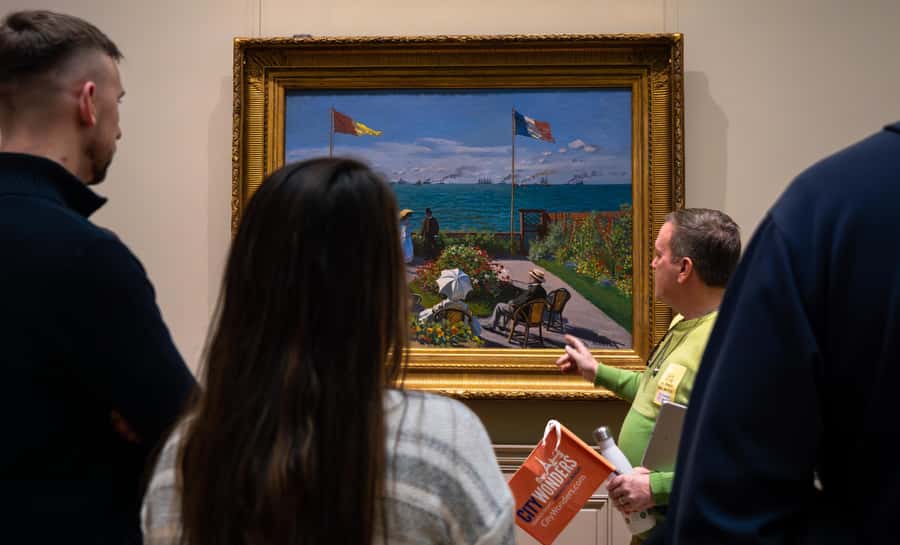
The strongest praise for this experience centers on the guides’ ability to explain art in an engaging way. Sam was singled out for being both enthusiastic and well informed. John was praised for helping a visitor get much more from the museum than a quick solo circuit. Richard, an artist himself, connected visual art with a participant’s work as a musician and added personal discussion about Chicago.
Rob C was described as energetic and interesting, while Jeff was praised for combining fun with strong knowledge of the Met. You may not receive one of these specific guides, but these examples show what makes the format work: clear explanations, enthusiasm, and the ability to adjust a conversation to the group.
Guide quality can vary from one departure to another. The route remains useful, but your experience will depend on how well the guide handles the group, explains difficult works, and manages the museum’s crowds and timing. The overall rating of 4.4 from 149 reviews suggests a strong experience with some room for unevenness.
The check-in process is the main practical weakness to watch. One participant had trouble locating the guide and found that the group list was not immediately clear. Arrive early, read the booking email all the way to the bottom, and look for the company name connected with your tour.
Is $59 good value?
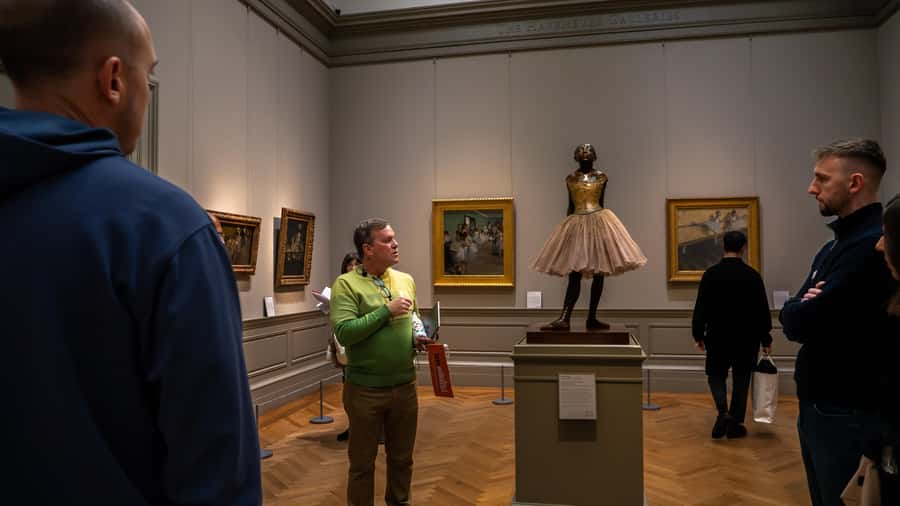
At $59, this is not the cheapest way to enter the Met, but the price includes skip-the-ticket-line access and a live English-speaking guide. The real purchase is not simply admission. It is the time saved choosing a route and the explanations that help famous works make sense.
I think the price works best for first-time visitors, families with older children, couples on a tight schedule, and anyone who wants an art expert to set the pace. It also makes sense if the Met feels intimidating or if you have only a few hours available in New York.
Independent visitors may get better value from a standard museum visit if they want to spend the day in one department. You might also prefer self-guided exploration if you dislike group pacing or want long stretches of quiet.
Free cancellation up to 24 hours before the start gives you some flexibility, and you can reserve now and pay later. Those terms help if your New York schedule is still changing, but the key value decision remains the same: are you paying for access alone, or for a guided introduction that makes the museum easier to use?
Who should book this Met tour?
Book it if you want the main artistic landmarks without trying to map the museum yourself. It is especially useful for a first visit, a short stay, or a special occasion when you want someone else to handle the route and provide context.
Skip it if you already know the Met well, want to focus on a single department, or need wheelchair access. Also skip it if the roof garden is your chief reason for booking, since it is available only during the appropriate season.
For most first-time visitors, I think this is a sensible way to begin. You see the Temple of Dendur, American art, European masters, and modern works in one organized visit, then have the option to stay and explore further. Arrive early, pack lightly, wear good shoes, and let the two hours give you a map for the rest of your Met day.
FAQ
How long does the Met guided tour last?
The guided tour lasts two hours and begins and ends at the Metropolitan Museum of Art.
What language is the tour conducted in?
The tour is conducted in English with a live English-speaking guide.
What artworks and areas are included?
The route includes the Great Hall, the Egyptian Wing and Temple of Dendur, the American Wing, European art by artists including Velazquez, Rembrandt, and Van Gogh, and modern works by Pollock, Warhol, and Picasso.
Is the Temple of Dendur included?
Yes. The Temple of Dendur is one of the main stops on the guided route.
Is roof garden access included?
Yes, roof garden access is included when the garden is open seasonally. It is not available on every departure throughout the year.
Does the tour skip all lines at the museum?
The activity includes skip-the-ticket-line access. You should still allow enough time to pass through museum security before meeting the guide.
Where do I meet the guide?
Meet inside the museum at the Egyptian sculpture in the Great Hall, on the far-right side of the front entrance steps. The City Wonders guide carries a flag.
How do I reach the Metropolitan Museum of Art?
The museum is at 1000 Fifth Avenue. By subway, take the 4, 5, or 6 train to 86th Street. A taxi can also take you to the museum address.
What should I bring?
Bring comfortable shoes because the tour involves a fair amount of walking. Pack lightly because large bags and backpacks can cause problems.
Are backpacks, strollers, and flash photography allowed?
Baby strollers and flash photography are not allowed on the activity. Bags cannot be larger than a backpack, and if you bring a backpack, you may be required to hold it in your hands.
More Skip the Line in New York City
- NYC: One World Observatory Skip-the-Line Ticket
★ 4.7 · 12,329 reviews - NYC: Circle Line 1-Hr Statue of Liberty Skip-The-Line Cruise
★ 4.5 · 3,342 reviews - NYC: Statue of Liberty Sunset Cruise Skip-the-Line Ticket
★ 4.5 · 1,397 reviews - NYC: Empire State Building Express Tickets – Skip the Line
★ 4.6 · 604 reviews
Just listed around New York City
- NYC: Little Shop of Horrors Off-Broadway Ticket5 reviews
- Private NYC Airport Transfer: LGA to Manhattan – Up to 5★ 3.6 · 5 reviews
- New York City Tour in German★ 4.5 · 5 reviews
- New York: Hamilton and Washington Revolutionary Walking Tour★ 5.0 · 5 reviews
- NYC Freedom Tower Private Photo or Video Experience★ 4.0 · 6 reviews
- New York Afternoon Fall Foliage Cruise with Lunch★ 5.0 · 6 reviews
- Brooklyn Walking Tours by Locals: Private & 100% Personalized★ 4.0 · 6 reviews
- Southold Bay Oyster Farm Tour★ 5.0 · 6 reviews
Metropolitan Museum & Art Tours, compared.

“The Met” Metropolitan Museum of Art Exclusive Guided Tour
Read our review →


Browse the lists this tour appears in