
Reviewed · MUSEUMS
NYC: Museum of the Moving Image Flexible Ticket
The Museum of the Moving Image turns screen entertainment into something you can inspect, touch, and play with. You can see Kermit and Miss Piggy, add your voice to a film or television scene, and test the craft behind sound, music, animation, and digital media. The Jim Henson Exhibition is the big draw, while Behind the Screen gives you the wider story of how moving images are made.
I like the ticket’s 14-day validity, which is unusually useful in New York when weather, tired children, or a packed schedule can ruin a fixed museum appointment. I also like the mix of serious film history and hands-on activities. The main catch is that special exhibitions may cost extra, and the $21 ticket is best value if you spend enough time with the core galleries.
In This Review
- Key points to know before you go
- Why this museum is different from a standard film museum
- Entering through the admissions desk
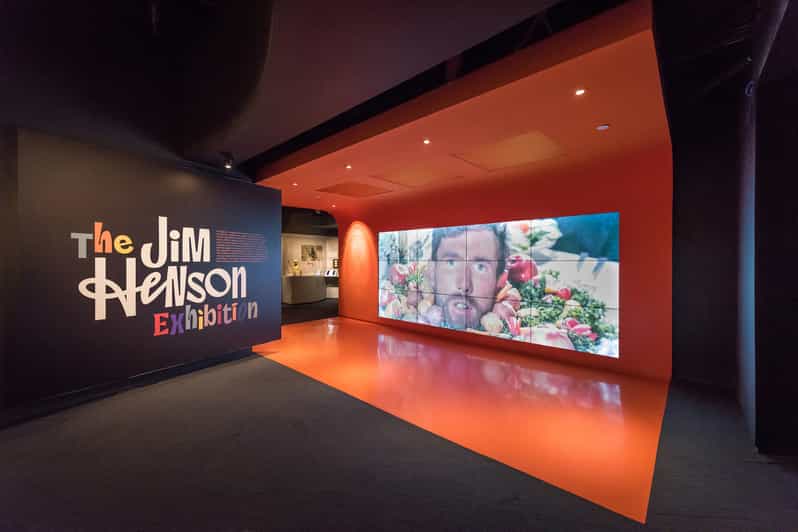
- The Jim Henson Exhibition and the people behind the puppets
- Behind the Screen turns spectators into participants
- Temporary displays and the Mission: Impossible question
- Family programs and the weekend advantage
- How much time should you allow?
- Price, flexibility, and who gets the best value
- Photography, access, and simple rules
- Who should book this flexible museum ticket?
- Should you book the Museum of the Moving Image?
- FAQ
- Where is the meeting point?
- How much does admission cost?
- How long is the ticket valid?
- What does general admission include?
- Are special exhibitions included?
- Are children under three charged admission?
- Is the museum wheelchair accessible?
- Can I take photographs inside?
- Can I bring a stroller, food, or drinks?
- Can I cancel or pay later?
Key points to know before you go
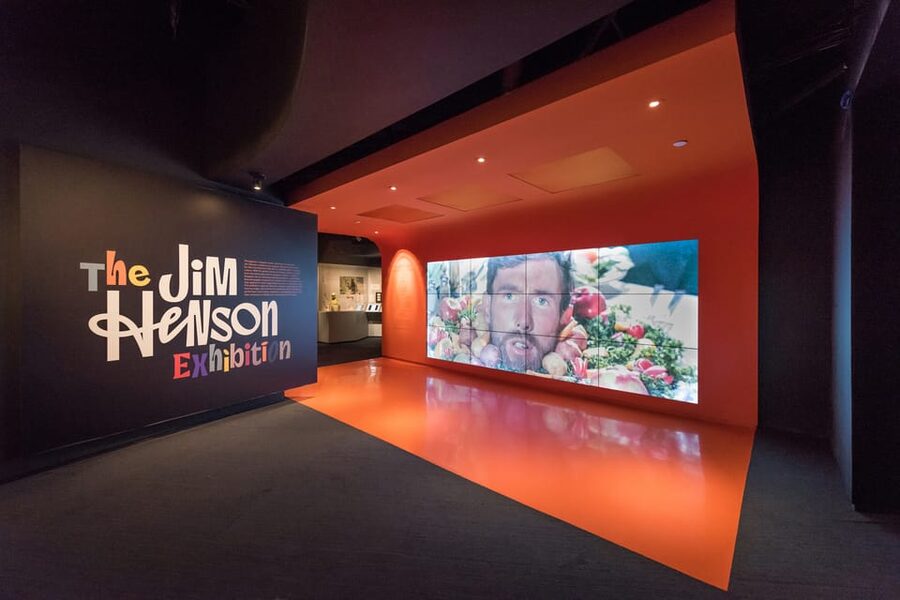
- Kermit and Miss Piggy take center stage in The Jim Henson Exhibition, alongside work from The Muppet Show, Sesame Street, Fraggle Rock, The Dark Crystal, and Labyrinth.
- Behind the Screen is highly interactive, with chances to dub a scene, experiment with sound effects, and explore film music.
- Your $21 admission remains valid for 14 days, giving you room to return or fit the museum around a changing New York schedule.
- General admission covers the core exhibitions, but special exhibitions are not included unless your ticket specifically says otherwise.
- Families get extra value on weekends, when drop-in programs include the Moving Image Studio.
- The museum suits mixed-age groups, from classic cinema fans and television followers to children and people interested in games and digital art.
Why this museum is different from a standard film museum
Many film museums rely on costumes, posters, and famous props behind glass. The Museum of the Moving Image takes a broader view. It looks at the full chain of moving-image culture, from early optical toys to digital art, and from writing and design to filming, promotion, and public presentation.
That wider scope matters because you are not only looking at finished movies. You are also seeing the tools, decisions, and technical tricks that make them possible. A child can enjoy a playful sound activity, while an adult can spend time thinking about editing, performance, or the way television characters are built.
The museum is also the only institution in the United States dedicated to the art, history, technique, and technology of the moving image in all its forms. That does not mean every display will suit every taste. If you want only old Hollywood costumes, this may feel less direct. If you like knowing how an image or sound was produced, the museum offers far more to work with.
The $21 price is reasonable for New York if you treat the visit as a substantial museum stop rather than a quick photo opportunity. The 14-day period improves the value further. You can make one visit for the main galleries and return later if your ticket conditions allow and you still want more time. Check the available starting times when booking, since the flexible period does not mean every part of the museum is open at all hours.
More New York City museums to visit:
- NYC: 9/11 Memorial & Museum Timed-Entry Ticket
★ 4.8 · 31,428 reviews - NYC: Empire State Building Tickets – Observatory & Museum
★ 4.7 · 25,757 reviews - New York City: American Museum of Natural History Ticket
★ 4.5 · 15,447 reviews
Entering through the admissions desk
Your meeting point is the Museum of the Moving Image. At arrival, join the will-call line at the Admissions Desk. The host or greeter speaks English, and the small-group listing is limited to nine participants.
Do not expect a traditional guided tour built around a named expert. The ticket is primarily museum admission, with access to the institution’s displays and programs. The small group size may make the arrival process less crowded, but the information provided does not promise a personal tour or a guide whose name you can request.
A complimentary coat check and baggage storage are included. That is helpful in New York, especially if you are carrying shopping bags or visiting with children. Food and drinks are not allowed, so plan to finish snacks before entering or wait until you leave.
The museum is wheelchair accessible. Strollers are not admitted into the galleries, but they may be left at coat check or in designated stroller parking. Children under three enter free, which makes the pricing easier for families with very young children, although the stroller rule still requires a little planning.
The Jim Henson Exhibition and the people behind the puppets
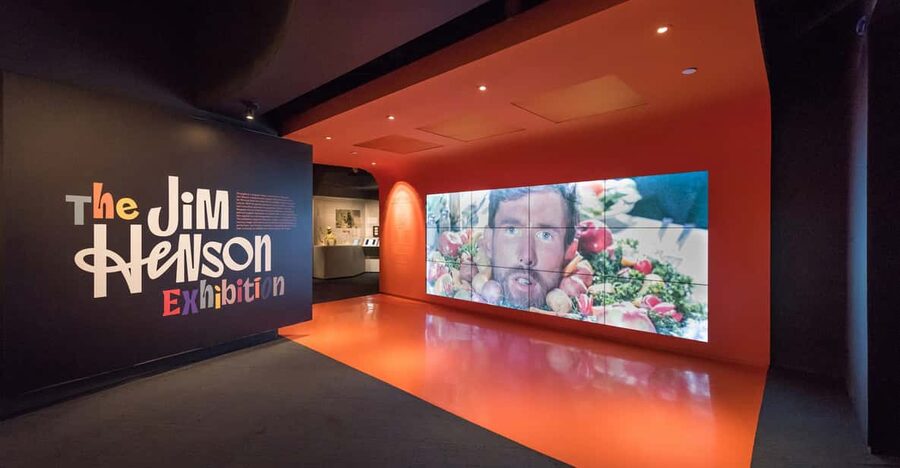
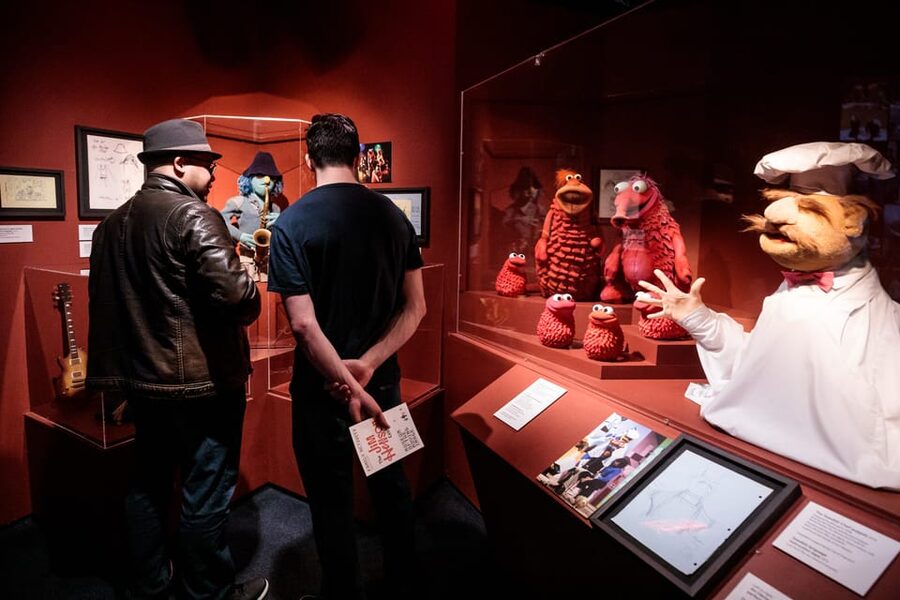
The Jim Henson Exhibition is likely to be the emotional heart of the visit. It examines how Henson and his team of builders, performers, and writers brought characters and worlds to life.
The appeal is not limited to seeing famous puppets. Kermit and Miss Piggy provide the instant recognition, but the exhibition also connects Henson’s work across The Muppet Show, the Muppet films, Sesame Street, Fraggle Rock, The Dark Crystal, and Labyrinth. You get a sense of a career that moved between children’s television, comedy, fantasy, film, and highly crafted puppet performance.
I like this section because it gives you more than a parade of familiar characters. It points toward the teamwork behind them. A puppet may look simple when it is sitting still, but the finished performance depends on design, construction, writing, movement, and the performer’s timing.
You should allow extra time here if your group includes Henson fans. Children may head straight for the recognizable characters, while adults can take longer with the creative process and the range of projects. The exhibition is also a good bridge between generations. Someone who knows Sesame Street may not know The Dark Crystal, and someone who grew up with the Muppets may discover another side of Henson’s work.
The supplied information places The Jim Henson Exhibition among the displays currently on view, but the admission terms also say special exhibitions are not included. Because museum ticket categories can change, check at the Admissions Desk whether this exhibition is part of your specific general-admission ticket or requires an additional charge.
Behind the Screen turns spectators into participants
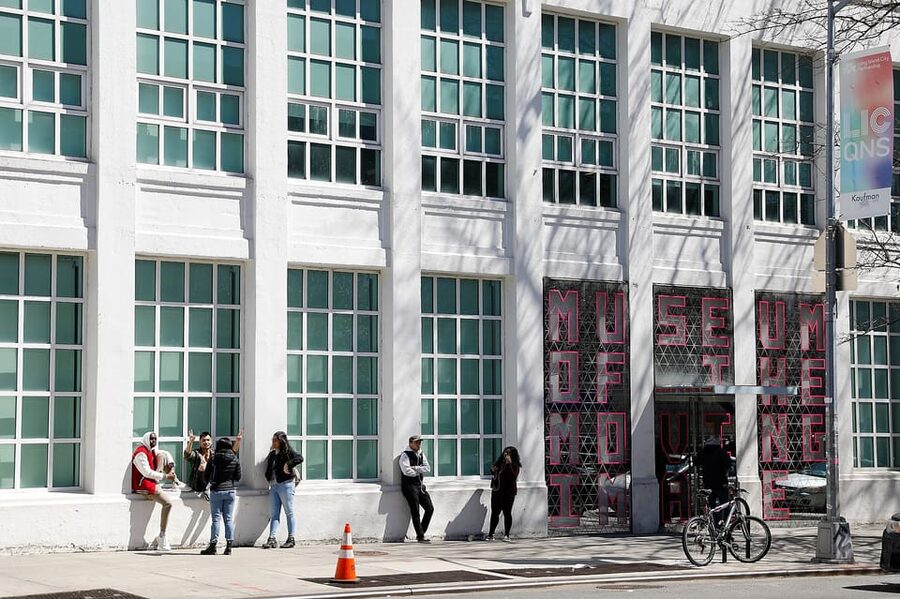
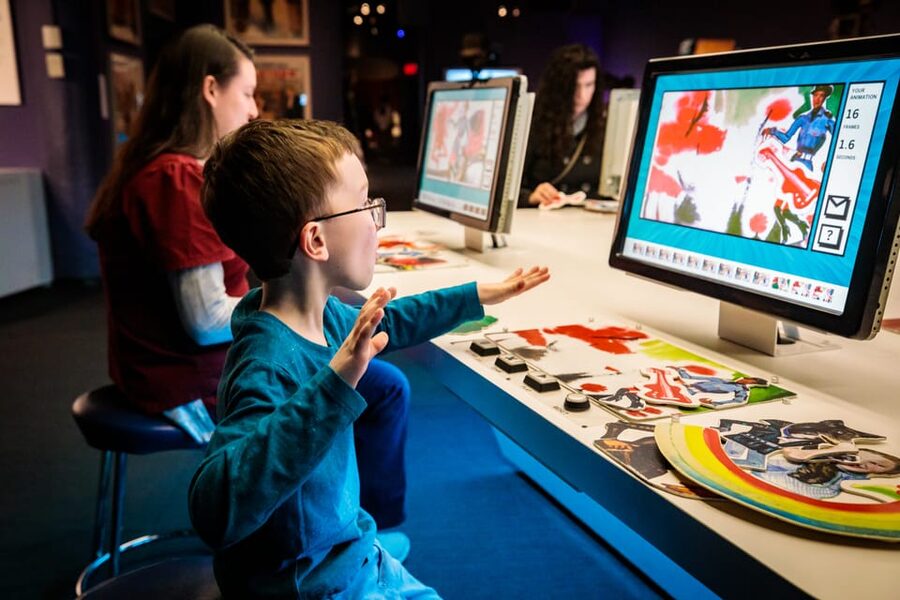
Behind the Screen explores the creative and technical process of producing, promoting, and presenting films, television programs, and digital entertainment. This is where the museum’s hands-on approach becomes most obvious.
You can dub your voice into a famous film or television scene. That activity turns a familiar piece of screen entertainment into a small performance challenge. You have to pay attention to timing, delivery, and the relationship between your voice and the action on screen.
You can also experiment with sound effects and film music. These displays are valuable because sound is easy to overlook when you watch a finished movie. A door slam, musical cue, or carefully timed noise can alter the mood of a scene, and the museum lets you consider that work as part of the production rather than as background decoration.
The Tut’s Fever Movie Palace installation is included within Behind the Screen. The information provided does not describe every element of the installation, so I would treat it as one part of a larger exhibition rather than plan your entire visit around it. Its presence does reinforce the museum’s interest in how moving images are presented to an audience, not only how they are made.
Behind the Screen should work well for families because it gives younger visitors something to do. It also rewards adults who enjoy film technique. The tradeoff is that popular interactive stations can take longer when many people want a turn. The museum’s admission does not promise that every activity will be available at every moment, so keep your plans flexible.
A few more New York City picks to weigh up
- NYC: SUMMIT One Vanderbilt Tickets
★ 4.7 · 51,195 reviews - NYC: Museum of Modern Art (MoMA) Entry Ticket
★ 4.6 · 12,540 reviews - NYC: One World Observatory Skip-the-Line Ticket
★ 4.7 · 12,329 reviews - NYC Empire State Building Observation Deck Ticket
★ 4.5 · 6,916 reviews
Temporary displays and the Mission: Impossible question
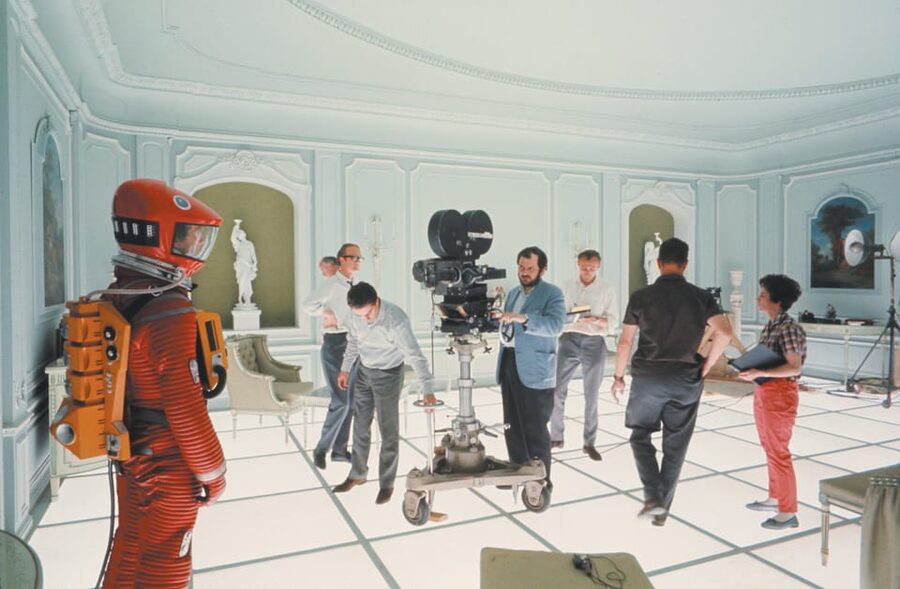
Mission: Impossible: Story and Spectacle is listed as a highlight, making it worth asking about when you arrive. The supplied admission details also state that special exhibitions are not included. That distinction is important: you should not assume every highlighted exhibition comes with the $21 general-admission ticket.
Another temporary display listed as on view through May 31 is Stories and Set Designs for The Sopranos. It draws from showrunner and series creator David Chase’s personal archive and presents scripts, notes, and research materials. The display follows the development of story arcs and character paths as the series moved from its pilot into its first season.
This type of exhibition will suit you if you like the writing and planning behind television. It is less about spectacle and more about seeing how a series takes shape before it reaches the screen. You may find it especially useful if you are interested in character development, story structure, or the decisions that guide a television production.
Since temporary displays have dates and separate admission rules, confirm what is available on your intended visit. The 14-day ticket gives you scheduling freedom, but it does not guarantee that a temporary exhibition will remain on view for the entire period. That is one reason to check the museum’s current information before setting aside a second visit.
Family programs and the weekend advantage
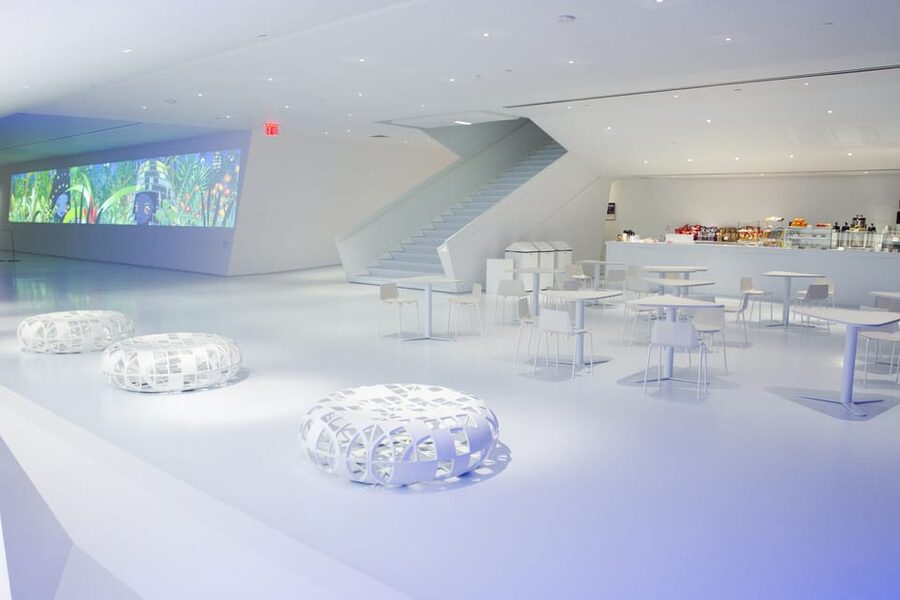
General admission includes access to drop-in family programs, including Moving Image Studio on weekends. These programs add value for families who want more than a gallery visit, though the supplied details do not promise a particular activity or schedule on a specific day.
If you are visiting with children, weekends may offer the best chance to add this extra layer to the museum experience. Plan around the posted program times rather than assuming one will be running whenever you arrive.
The museum’s subject matter works for a wide age range. Younger children may respond to puppets, sound, and voice activities. Older children may enjoy the production technology, while adults can spend time with film, television, gaming, and digital-art material.
There are a few practical limits. Strollers cannot enter the galleries, and food and drinks are not allowed. Children under three are free, but the museum is not presented as a play space with unrestricted movement. You will get the most from a family visit if you treat it as a museum with interactive sections, not as an indoor playground.
How much time should you allow?
The ticket is valid for 14 days from the booked date, but the information does not give a fixed visit length. That flexibility is useful because your ideal time depends on how closely you engage with the displays.
A short visit can cover the main highlights: The Jim Henson Exhibition, Behind the Screen, a voice-dubbing activity, and the sound or music stations. A longer visit gives you time to read about the production process, examine the Henson material, and look through any temporary display included with your admission.
I would avoid squeezing this museum into a rushed gap between two timed attractions. The interactive elements work best when you have enough time to wait your turn and try them without watching the clock. On the other hand, you do not need to commit your entire day simply because the subject is broad.
The 14-day window lets you make a practical choice. You can visit when you have a free morning or afternoon, then return during the same validity period if your booking terms permit. That is a better arrangement than a fixed ticket for a museum with several different areas of interest.
Price, flexibility, and who gets the best value
At $21 per person, this is a moderate New York museum price. The value is strongest for anyone who likes more than one part of screen culture. You are not paying only to see puppets, only to watch a film, or only to inspect technical equipment. The ticket brings together television, cinema, digital entertainment, early optical devices, and hands-on activities.
Families can also find the price sensible because children under three are free and weekend family programs are included. The free coat check, baggage storage, and Wi-Fi are small benefits, but they make the visit easier, especially during a long day in the city.
The price is less attractive if you plan to stay only long enough for one popular activity. It is also less clear if your main goal is a temporary display that may require separate admission. In that case, confirm the ticket category first.
The strongest selling point is not simply the number of exhibits. It is the chance to adjust your visit. You can come on a day that fits your schedule, return within the 14-day period if allowed by the ticket, and avoid losing the full admission fee because one afternoon became inconvenient.
Free cancellation up to 24 hours in advance and the option to reserve now and pay later add more flexibility. These terms matter if your New York plans are still moving around, though you should still check the exact conditions shown for your booking.
Photography, access, and simple rules
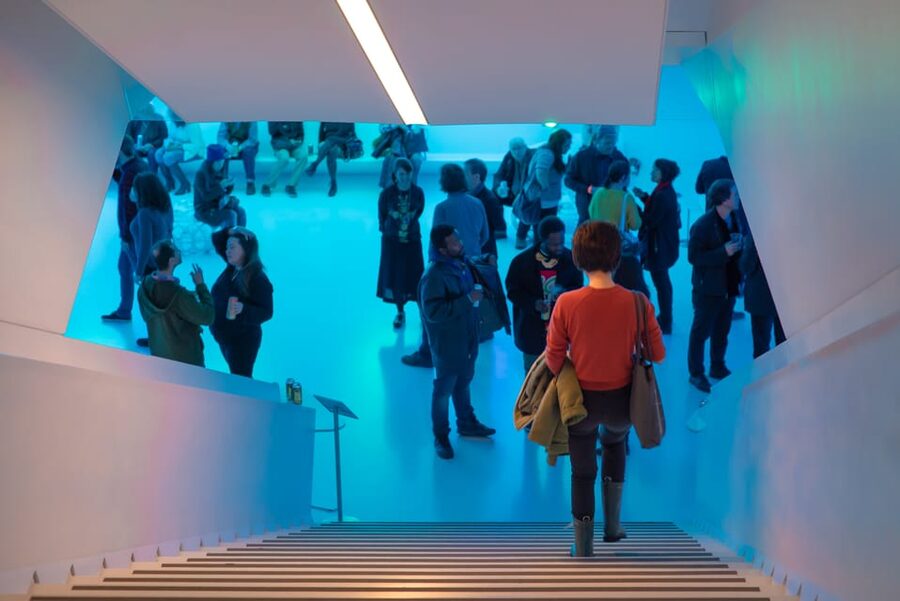
Photography without flash is allowed in the galleries for personal use unless a display says otherwise. Flash photography is not allowed, so keep your camera or phone set accordingly.
Do not bring food or drinks into the museum. Baby strollers cannot enter the galleries, though they may be left at coat check or in the assigned stroller area. These rules are easy to manage, but they are worth knowing before a family visit.
The museum is wheelchair accessible. The available information does not provide detailed notes about every gallery, restroom, or route, so contact the museum directly if you need a particular accessibility arrangement beyond general wheelchair access.
Free Wi-Fi is included. English is the stated language for the host or greeter and the activity information.
Who should book this flexible museum ticket?
I would recommend it to families, Henson fans, television followers, film students, classic-cinema enthusiasts, and anyone who enjoys trying things rather than only reading labels. The voice-dubbing and sound activities give the visit energy, while the production displays provide enough substance for adults.
It is also a good choice for a mixed group. One person can focus on puppetry, another on film technique, and another on television history. Few museum stops make that compromise so easy.
I would be more cautious if you want a fully guided experience, a fixed tour led by a named specialist, or guaranteed access to every temporary exhibition. This product provides admission and a small-group arrival arrangement, not a detailed guided tour as described.
Should you book the Museum of the Moving Image?
Book it if you want an adaptable museum visit with real hands-on elements and you can spare enough time to explore more than one gallery. The 14-day validity makes the $21 price easier to justify, especially for families or anyone with a changeable New York schedule.
Before paying, check two things: which exhibitions your ticket includes, and which activities or family programs are running on your chosen day. If The Jim Henson Exhibition and Behind the Screen are your priorities, this is a strong pick. If Mission: Impossible or another temporary display is the main reason you are going, confirm the separate-admission rule first.
FAQ
Where is the meeting point?
Meet at the Museum of the Moving Image and join the will-call line at the Admissions Desk.
How much does admission cost?
The listed price is $21 per person.
How long is the ticket valid?
The ticket is valid for 14 days from the date booked.
What does general admission include?
It includes admission to the core exhibitions, complimentary coat check and baggage storage, free Wi-Fi, and access to drop-in family programs, including Moving Image Studio on weekends.
Are special exhibitions included?
Special exhibitions are listed as not included. Check the current ticket conditions if you want to visit a temporary display such as Mission: Impossible: Story and Spectacle or Stories and Set Designs for The Sopranos.
Are children under three charged admission?
No. Children under three are free.
Is the museum wheelchair accessible?
Yes. The activity is listed as wheelchair accessible.
Can I take photographs inside?
Personal photography without flash is allowed in the galleries unless otherwise noted. Flash photography is not allowed.
Can I bring a stroller, food, or drinks?
Strollers are not admitted into the galleries, but they may be left at coat check or in designated stroller parking. Food and drinks are not allowed inside.
Can I cancel or pay later?
You can cancel up to 24 hours in advance for a full refund. The reserve-now-and-pay-later option lets you book without paying immediately.
Just listed around New York City
- NYC: Little Shop of Horrors Off-Broadway Ticket5 reviews
- Private NYC Airport Transfer: LGA to Manhattan – Up to 5★ 3.6 · 5 reviews
- New York City Tour in German★ 4.5 · 5 reviews
- New York: Hamilton and Washington Revolutionary Walking Tour★ 5.0 · 5 reviews
- NYC Freedom Tower Private Photo or Video Experience★ 4.0 · 6 reviews
- New York Afternoon Fall Foliage Cruise with Lunch★ 5.0 · 6 reviews
- Brooklyn Walking Tours by Locals: Private & 100% Personalized★ 4.0 · 6 reviews
- Southold Bay Oyster Farm Tour★ 5.0 · 6 reviews
Museums, compared.

Empire State Building Tickets – Observatory & Museum
Read our review →


9/11 Memorial, Ground Zero Tour with Optional 9/11 Museum Ticket
Read our review →

All-Access 9/11: Ground Zero Tour, Memorial and Museum, One World Observatory
Read our review →
Browse the lists this tour appears in