
Reviewed · HISTORICAL TOURS
Two-Hour NYC LGBTQ+ History Walking Tour
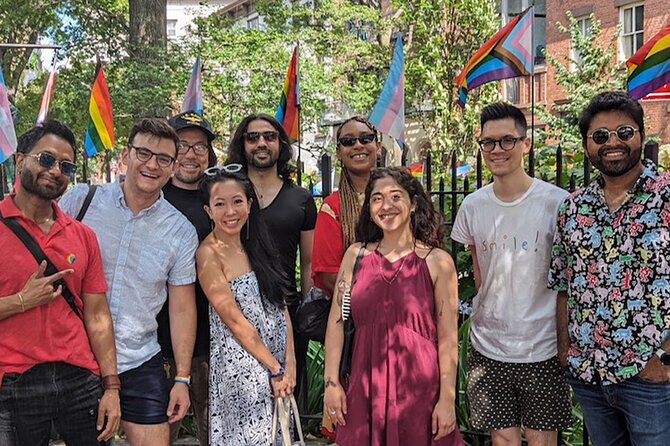
The most moving part of this two-hour Greenwich Village walk is how it connects familiar places with the people who fought there. You move from Julius’ and the 1966 Sip-In to the Stonewall Inn, then onward to the AIDS Memorial and the LGBT Community Center. This is not just a tour of famous addresses. It shows how protest, grief, art, and community shaped modern LGBTQ+ rights.
I like the clear chain of events and the small group size, capped at 20 people. I also like that the guide, including Michael on some departures, welcomes questions instead of treating the tour like a speech. The main consideration is pace: nine stops in about two hours means some visits are brief, and the experience requires good weather.
In This Review
- Key points at a glance
- Why this Greenwich Village route matters
- Julius’ and the 1966 Sip-In
- Greenwich Letterpress and LGBTQ+ literature
- Gay Street and the value of seeing the real streets
- Stonewall National Monument and the rainbow flag
- The Stonewall Inn and the events of 1969
- Stonewall National Monument Visitor Center
- Gay Liberation Monument and public memory
- The LGBT Community Center on West 13th Street
- The New York City AIDS Memorial and AIDS activism
- How the guide shapes the experience
- Timing, walking, and weather
- Who will get the most from this tour
- Should you book the Greenwich Village LGBTQ+ history walk?
- FAQ
- How long is the NYC LGBTQ+ history walking tour?
- Where does the tour begin?
- Where does the tour end?
- What language is the tour offered in?
- What locations are included?
- Is the Stonewall Inn admission included?
- Can I cancel for a refund?
Key points at a glance
- The 1966 Sip-In at Julius’: Learn how an earlier act of protest helped challenge discrimination before Stonewall.
- Stonewall with context: Hear stories about the 1969 riots, key figures, and the event’s impact beyond New York.
- More than Stonewall: The route also covers LGBTQ+ literature, public art, AIDS activism, and community services.
- A practical Greenwich Village route: The walk begins at McCarthy Square and ends at the LGBT Community Center on West 13th Street.
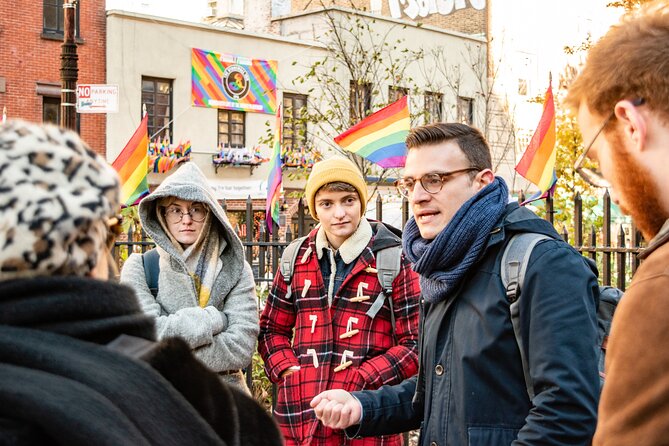
- Small-group conversation: A maximum of 20 people gives you a better chance to ask questions.
- A thoughtful finish: See an original Keith Haring mural and browse an LGBTQ+-owned bookshop at the end.
Why this Greenwich Village route matters
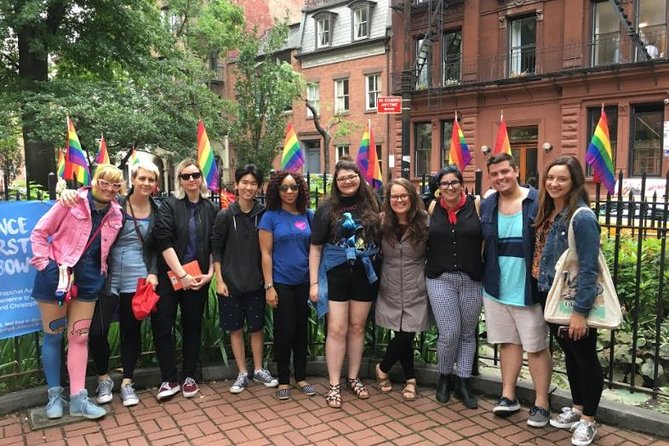
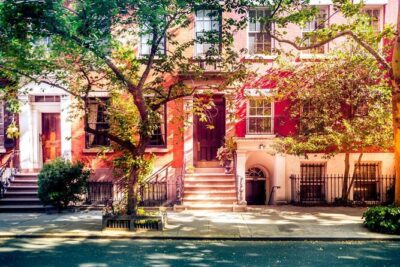
Greenwich Village is an ideal setting for this subject because the history is tied to ordinary streets, bars, meeting places, monuments, and community buildings. You are not being taken to a single museum and asked to absorb a timeline. You are walking through the places where people gathered, protested, published, remembered, and built support networks.
The tour begins at McCarthy Square, at Charles Street and Waverly Place. From there, the route moves through the Village toward the Stonewall area and then west to the LGBT Community Center. The route is compact enough to cover on foot, but you should still wear comfortable shoes and expect to remain outside for much of the experience.
At $49 per person, the value depends on how much context you want. You could walk past many of these locations for free, but the price pays for a guide who links them together and answers questions. Since admission at the listed stops is free, you are paying mainly for the interpretation, route planning, and access to a more connected understanding of the neighborhood.
More New York City history walks:
- New York City: American Museum of Natural History Ticket
★ 4.5 · 15,447 reviews - NYC: Starship Landmark 90 Minute Sightseeing Cruise
★ 4.6 · 3,666 reviews - Starship Landmark 90 Minute Sightseeing Cruise
★ 4.5 · 2,073 reviews
Julius’ and the 1966 Sip-In
Julius’ is the first major history lesson, and it gives the tour an important shape. Here you hear about the 1966 Sip-In organized by the Mattachine Society, an early LGBTQ+ rights protest that came before Stonewall.
The point is not simply that a protest happened in a bar. The Sip-In shows that organized resistance was already taking place before the better-known uprising of 1969. It gives you a fuller picture of the movement and helps prevent Stonewall from becoming the only date you remember.
The stop lasts about 15 minutes, enough time for the guide to explain the event and take questions. Admission is free, but the value comes from hearing why this particular place matters. If you have only a general sense of LGBTQ+ history, this is likely one of the most useful stops because it places Stonewall in a longer sequence of action and change.
Greenwich Letterpress and LGBTQ+ literature

The next stop is Greenwich Letterpress, the former site of the first LGBTQ+ bookstore on the east coast. The tour connects the address with LGBTQ+ literature and the role books have played in building identity, discussion, and community.
This is a short stop of about 10 minutes. You should think of it as a focused piece of the story rather than a bookstore visit with time to browse a large collection. Its importance is historical: the site points to the need for places where LGBTQ+ writers and readers could find one another and see their lives represented.
I appreciate this part of the route because it widens the subject beyond bars and protests. A movement also grows through writing, publishing, and shared ideas. The stop gives the walk a cultural side before it reaches the better-known Stonewall sites.
Gay Street and the value of seeing the real streets
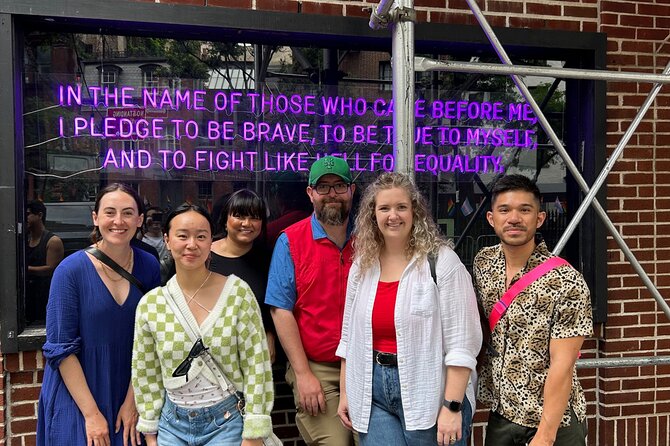
Gay Street is a simple stop, but it gives you a chance to pause, take photographs, and hear the street’s history. It may not require a long explanation, yet this kind of location helps you notice how LGBTQ+ stories are woven into the physical layout of Greenwich Village.
The scheduled time is about 10 minutes. That should be enough for photographs and a short talk, but do not expect a long independent visit. The stop works best as a breather between more story-heavy locations.
I like the rhythm here. The tour alternates between places tied to major events and streets that help you understand the neighborhood itself. That keeps the walk from feeling like a list of dates and names.
More New York City walking tours:
- SoHo, Little Italy, and Chinatown Walking Tour in New York
★ 5.0 · 3,153 reviews - Secrets of Grand Central Station Walking Tour New York City
★ 5.0 · 1,796 reviews - Greenwich Village Walking and Food Tasting Tour
★ 5.0 · 1,572 reviews - Artistic, Alternative Greenwich Village Walking Tour
★ 5.0 · 971 reviews
Stonewall National Monument and the rainbow flag
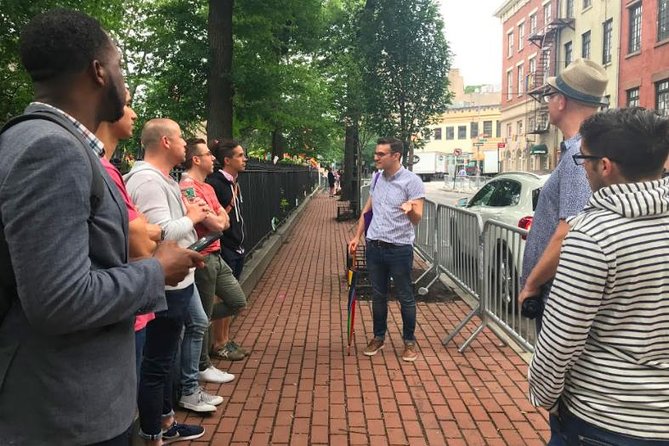
At Stonewall National Monument, the guide discusses the original 1978 Gilbert Baker rainbow flag and its continuing role as a symbol of pride and resistance. The stop is listed for about five minutes, so expect a concise explanation rather than a long visit.
The rainbow flag gives the tour a visual bridge between early protest and the public symbols associated with LGBTQ+ identity today. It also reminds you that symbols do not appear by accident. They are created, adopted, and given meaning by communities.
Because the stop is short, listen closely and ask your question while the group is gathered. This is a good place to take a photo, but the main reason to pause is the explanation of how the flag became tied to public expression and resistance.
The Stonewall Inn and the events of 1969
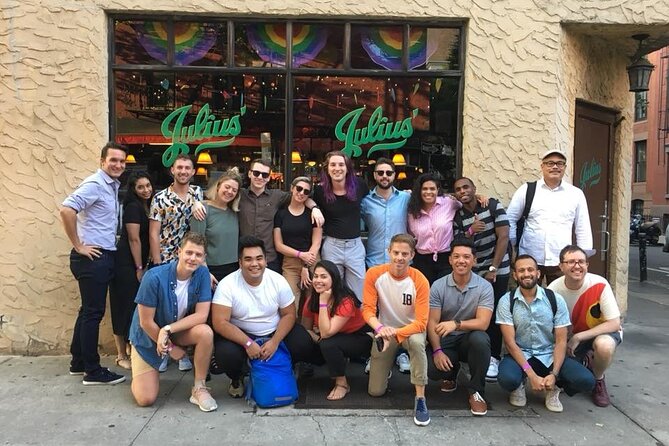
The Stonewall Inn is the emotional center of the route. Here, you hear firsthand accounts and stories about the 1969 Stonewall Riots, the people involved, and the event’s effect on LGBTQ+ rights movements around the world.
The stop lasts about 15 minutes. That is enough time for the guide to establish what happened and explain why Stonewall continues to carry such weight, though it cannot cover every person or detail connected with the riots. The quality of the experience depends heavily on the guide’s storytelling, so this is where the chance to ask questions matters most.
You will also have time for photographs outside the historic Stonewall Inn. The tour does not promise admission inside, so plan on an exterior visit and street-level discussion. That is not a serious flaw, since the point is the place and its public history, but anyone expecting a long indoor museum experience should adjust expectations.
This stop is strongest when placed beside Julius’. You first learn about organized protest in 1966, then hear how Stonewall became a major public turning point three years later. That order gives you useful context instead of presenting 1969 as an isolated moment.
Stonewall National Monument Visitor Center
The Stonewall National Monument Visitor Center adds an indoor setting and exhibits to the walk. You have about 10 minutes to explore displays that preserve and honor LGBTQ+ history.
Ten minutes is not a great deal of time for a full museum visit. Still, it offers a change from listening outdoors and gives you a chance to see how this history is presented in a formal public space.
I would treat this stop as an introduction, not a replacement for a longer museum visit. The guide provides the thread that links the displays to the earlier stops, while the exhibits help put a public face on the history you have been discussing.
Gay Liberation Monument and public memory
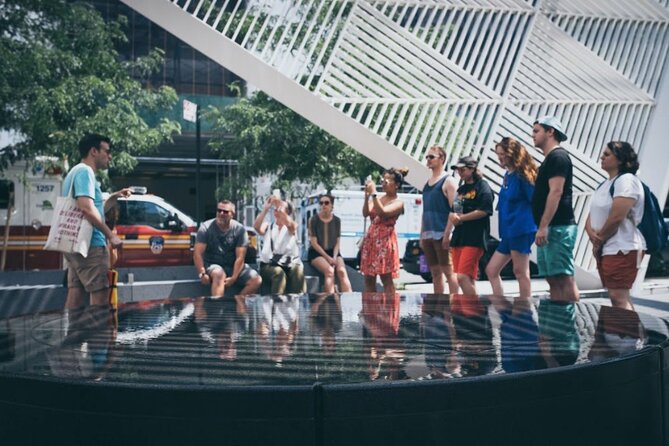
The Gay Liberation Monument is scheduled for about 10 minutes. The guide explains its meaning and its dedication in 1992, then considers how public art preserves LGBTQ+ stories.
This stop shifts the focus from protest and conflict to memory. Monuments tell you what a city chooses to place in public view, and they can also prompt questions about whose stories receive space and recognition.
The monument is especially useful after Stonewall because it shows how a historic struggle moves into civic memory. You are no longer looking only at where events happened. You are considering how later generations choose to mark those events.
The LGBT Community Center on West 13th Street
The route ends at the Lesbian, Gay, Bisexual & Transgender Community Center at 208 West 13th Street. The Center is not just a final address. You learn about its role in the fight for LGBTQ+ rights, its programs, its events, and the support it continues to provide.
The visit includes rotating art and history displays. Since displays can change, the exact material you see will depend on the date of your tour. The setting gives the walk a present-day focus, showing that LGBTQ+ history is not only about past protests and famous sites.
You also have time to view an original Keith Haring mural and browse an LGBTQ+-owned bookshop. These final details give you a little room to explore after the formal walking portion ends, though the tour does not describe a separate extended shopping period.
Ending here is one of the route’s best choices. Stonewall is the most famous stop, but the Center shows what community infrastructure looks like after decades of activism. It makes the story feel ongoing rather than finished.
The New York City AIDS Memorial and AIDS activism
The New York City AIDS Memorial is another major stop, with about 15 minutes devoted to its history and to AIDS activism that began in New York and grew into a global movement.
This section adds grief, remembrance, and political action to the tour. It is important because a walk focused only on celebration can leave out the loss and pressure that shaped LGBTQ+ organizing. The memorial gives you space to consider how remembrance and activism work together.
The guide’s role is especially important here. The subject can be difficult, and a thoughtful explanation helps connect the memorial to the broader movement without reducing it to a single tragic chapter. If you are looking for a light sightseeing stroll, this stop may feel serious. That is part of its purpose.
How the guide shapes the experience
The tour promises an informative, engaging guide who answers questions. That matters on a route with several brief stops, because you need someone who can explain why each location belongs in the larger story.
Michael is named in one highly positive account, and the description of his teaching style points to the tour’s value for people who want clear, useful context. One participant who works with LGBTQ+ teenagers found the discussion helpful for understanding some of the struggles those young people may face. You do not need a professional reason to take the tour, but the subject can offer practical insight for educators, parents, relatives, and anyone trying to understand LGBTQ+ lives with more care.
The group limit of 20 people is another plus. It is not a private tour, and a full group can still feel social, but 20 is small enough to make questions more realistic than on a large coach-style outing.
Timing, walking, and weather
The experience lasts about two hours and is conducted in English. Nine stops are spread across the route, with listed visit times ranging from five to 15 minutes. The remaining time is used for walking and commentary between locations.
That structure means you should arrive ready to keep moving. You may stop for photos, but this is not a long free-roaming visit at each site. The route is best for someone who likes a focused walk with a clear narrative.
The tour requires good weather. If poor weather causes cancellation, you are offered another date or a full refund. You can also cancel for a full refund up to 24 hours before the start time, but changes or cancellations inside that window are not accepted.
The meeting point is at McCarthy Square, where Charles Street meets Waverly Place. The tour ends at the LGBT Community Center on West 13th Street, near public transportation. Service animals are allowed, and most people can participate, though you should be comfortable with a two-hour city walk.
Who will get the most from this tour
I would recommend this experience to first-time visitors who want more than a photo at the Stonewall Inn. It also suits New Yorkers who know Greenwich Village as a neighborhood but have not connected its streets to LGBTQ+ political and cultural history.
It is a good choice for couples, small groups of friends, educators, and families with older children who can engage with serious subjects. The tour covers protest, literature, public art, community services, and AIDS activism, so it offers more range than a route built around Stonewall alone.
You may want something else if you prefer a private tour, a museum visit with lots of time indoors, or a slow photography walk. The $49 fee is fair for a small-group guided experience, but it is less attractive if you plan to skip the commentary and simply see the locations on your own.
Should you book the Greenwich Village LGBTQ+ history walk?
Book it if you want a focused, human-scale introduction to LGBTQ+ New York. The strongest feature is the way it links Julius’, Stonewall, the AIDS Memorial, public art, and the LGBT Community Center into one understandable story.
Keep your expectations practical. This is a two-hour walking tour with brief stops, not a full-day historical course. But for $49, you get a planned route, an English-speaking guide, a group capped at 20, and context that would be hard to assemble while wandering alone.
If you want the most from it, read a little about the 1966 Sip-In and Stonewall before you arrive, bring questions, and leave time after the tour to look at the Keith Haring mural and browse the LGBTQ+-owned bookshop. For anyone seeking a respectful introduction to Greenwich Village’s LGBTQ+ past and present, this is an easy tour to recommend.
FAQ
How long is the NYC LGBTQ+ history walking tour?
The tour lasts approximately two hours.
Where does the tour begin?
It begins at McCarthy Square, at Charles Street and Waverly Place in New York, New York.
Where does the tour end?
It ends at the Lesbian, Gay, Bisexual & Transgender Community Center at 208 West 13th Street.
What language is the tour offered in?
The tour is offered in English.
What locations are included?
Stops include Julius’, Greenwich Letterpress, Gay Street, Stonewall National Monument, the Stonewall Inn, the Stonewall National Monument Visitor Center, the Gay Liberation Monument, the LGBT Community Center, and the New York City AIDS Memorial.
Is the Stonewall Inn admission included?
The tour includes a photo opportunity and a guided discussion at the historic Stonewall Inn. Admission inside is not listed as part of the experience.
Can I cancel for a refund?
You can cancel up to 24 hours before the experience begins for a full refund. Cancellations or changes made less than 24 hours before the start time are not accepted, and poor-weather or minimum-group cancellations offer either another date or a full refund.
More LGBTQ-Friendly in New York City
- Pride Tours NYC’s LGBTQ Historical Walking Tour
★ 5.0 · 89 reviews - NYC Greenwich Village LGBTQ+ History And Food Tour
★ 5.0 · 17 reviews
More 2-Hour Experiences in New York City
- NYC: Circle Line 2h Harbor Lights Cruise Skip-The-Box-Office
★ 4.6 · 8,222 reviews - New York City: Gangsters and Ghosts 2-Hour Walking Tour
★ 4.7 · 615 reviews - SoHo, Little Italy, and Chinatown 2-Hour Guided Walk
★ 4.6 · 566 reviews - 2-hour Metropolitan Museum Guided Tour
★ 5.0 · 515 reviews
Just listed around New York City
- NYC: Little Shop of Horrors Off-Broadway Ticket5 reviews
- Private NYC Airport Transfer: LGA to Manhattan – Up to 5★ 3.6 · 5 reviews
- New York City Tour in German★ 4.5 · 5 reviews
- New York: Hamilton and Washington Revolutionary Walking Tour★ 5.0 · 5 reviews
- NYC Freedom Tower Private Photo or Video Experience★ 4.0 · 6 reviews
- New York Afternoon Fall Foliage Cruise with Lunch★ 5.0 · 6 reviews
- Brooklyn Walking Tours by Locals: Private & 100% Personalized★ 4.0 · 6 reviews
- Southold Bay Oyster Farm Tour★ 5.0 · 6 reviews
Historical Tours, compared.


Starship Landmark 90 Minute Sightseeing Cruise
Read our review →
Starship Landmark 90 Minute Sightseeing Cruise
Read our review →
American Museum of Natural History Admission Ticket
Read our review →
Top Rated Brooklyn Half-Day Food, History & Culture Tour via bus
Read our review →
The Original Greenwich Village Food & Cultural Tour Since 1999
Read our review →
The Speakeasy Adventure: A Tipsy Trip Through History
Read our review →Browse the lists this tour appears in